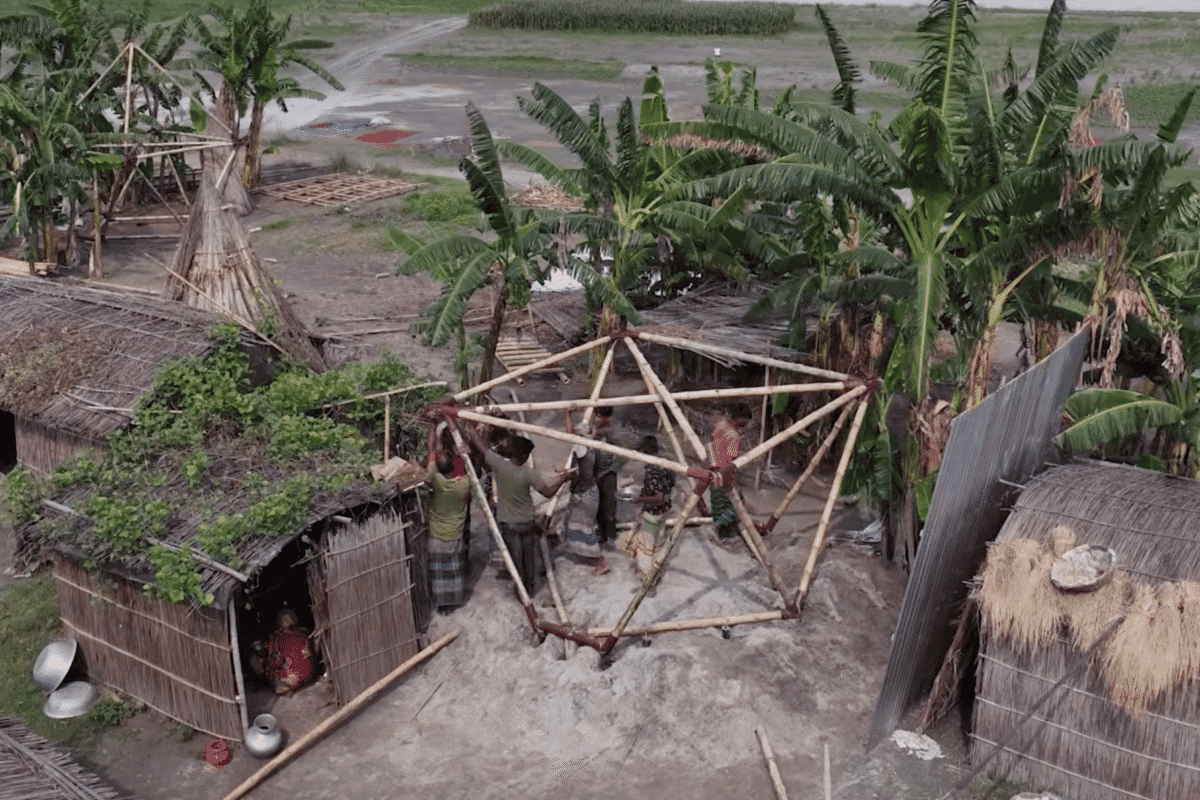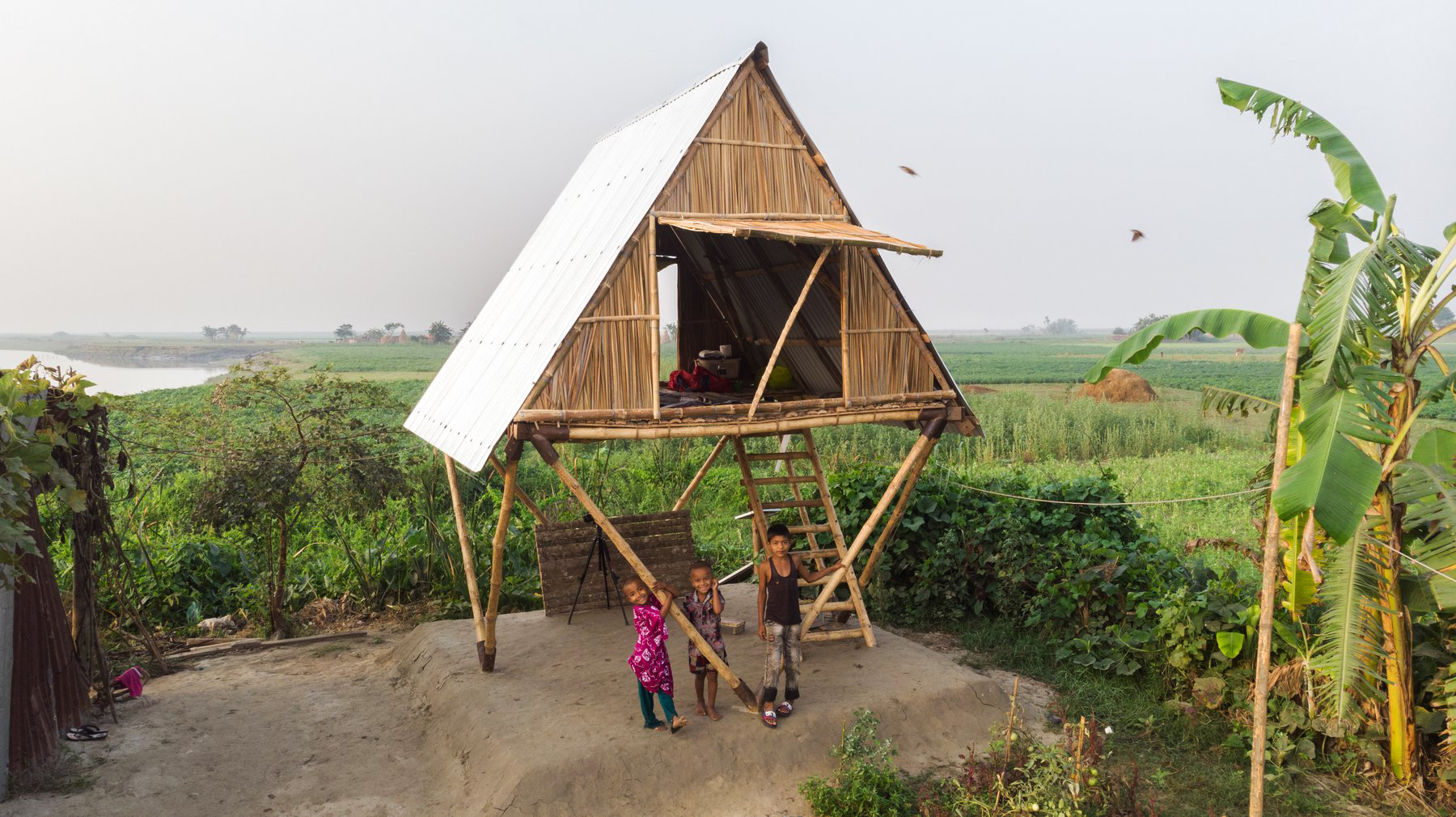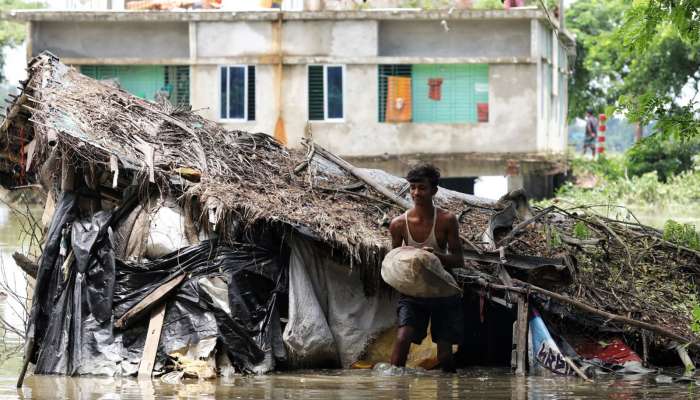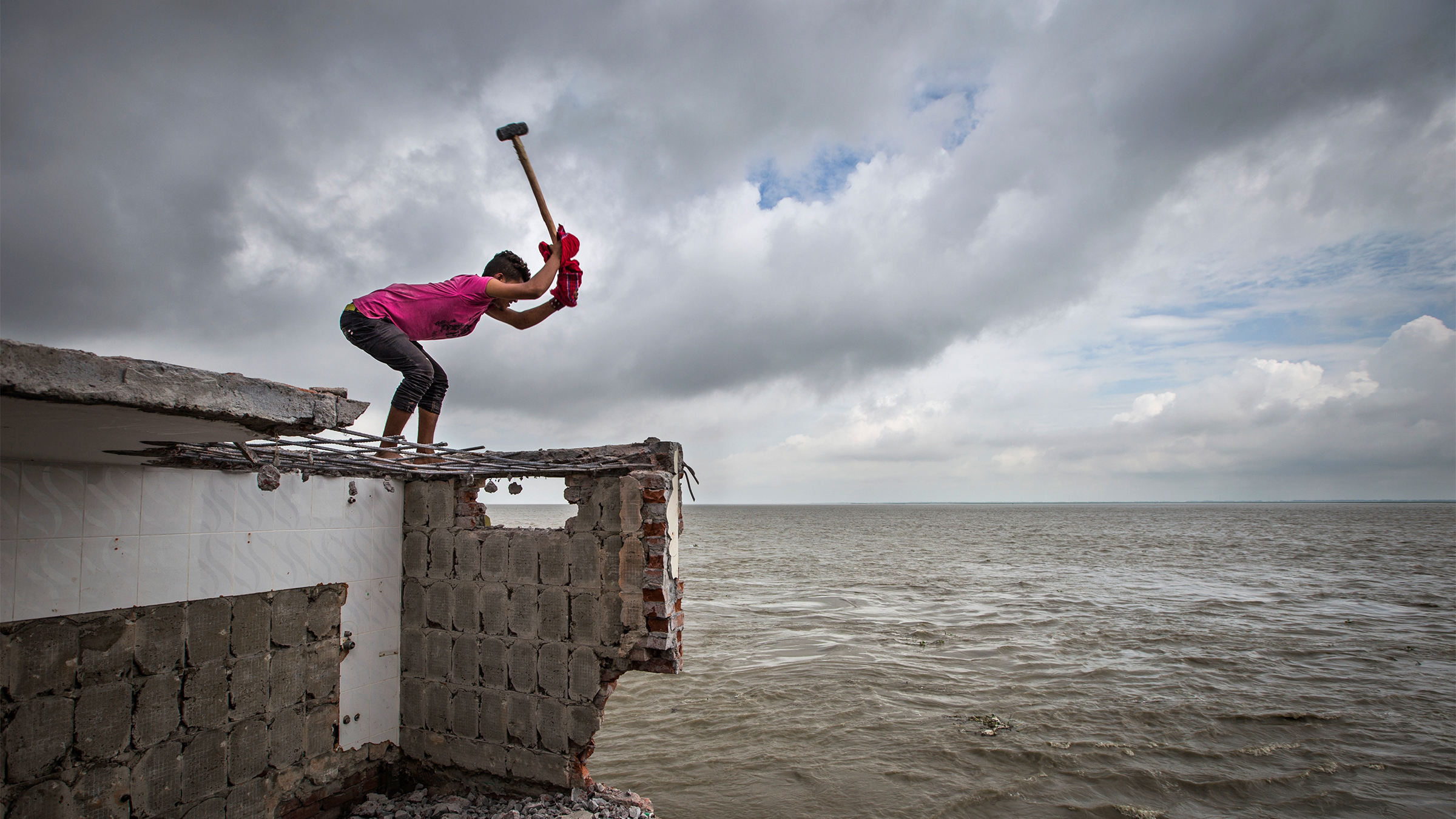
In one of the world’s most climate sensitive deltas, disasters are on the rise. The need for resilient housing has become a significant concern for Bangladesh.Amid various challenges, architectural models to promote sustainable construction materials are emerging.Experts recommend separate zonal building codes for specific climatic event-prone areas.
Bangladesh’s low-lying terrain combined with the crisscrossed river network, which is cause for recurring floods, tidal surges and river erosion, and frequent cyclones make it vulnerable to climate change-related devastations.
Between 2008 and 2024, the Internal Displacement Monitoring Centre (IDMC) recorded 123 disaster events that triggered huge displacement, including about 11.3 million people who experienced pre-emptive evacuations during cyclones.
IDMC assessed that many such movements, however, only last for a short period of time, but every year disasters still leave tens of thousands of people without hope of returning to their homes immediately after.
In such a context, safe housing is a survival need instead of merely an infrastructural demand. However, the concept of safe or sustainable housing for the disaster victims still remains a donor-funded matter, as the use of climate-and-disaster-resilient construction plans and materials are not popular in Bangladesh.