The game development ecosystem is scaling at an unprecedented rate. Modern studio teams are engineering massive, interconnected virtual worlds operating across highly complex asset pipelines, shifting rapidly toward heavily distributed remote workforces.
Despite these advanced structural transitions, a significant portion of global game studios continue to anchor their production infrastructure to fixed, desk-bound hardware workstations situated directly under local office tables.
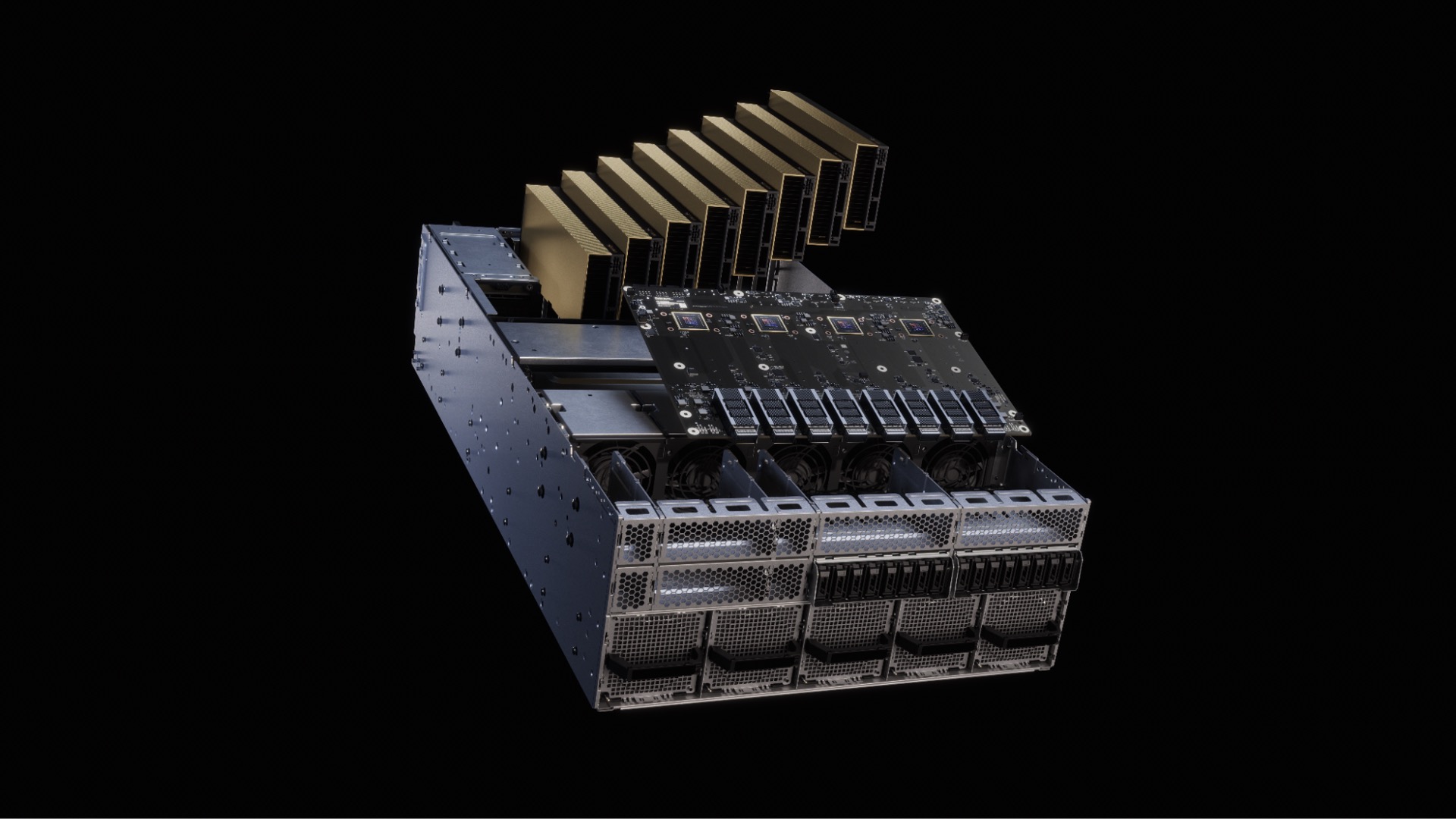
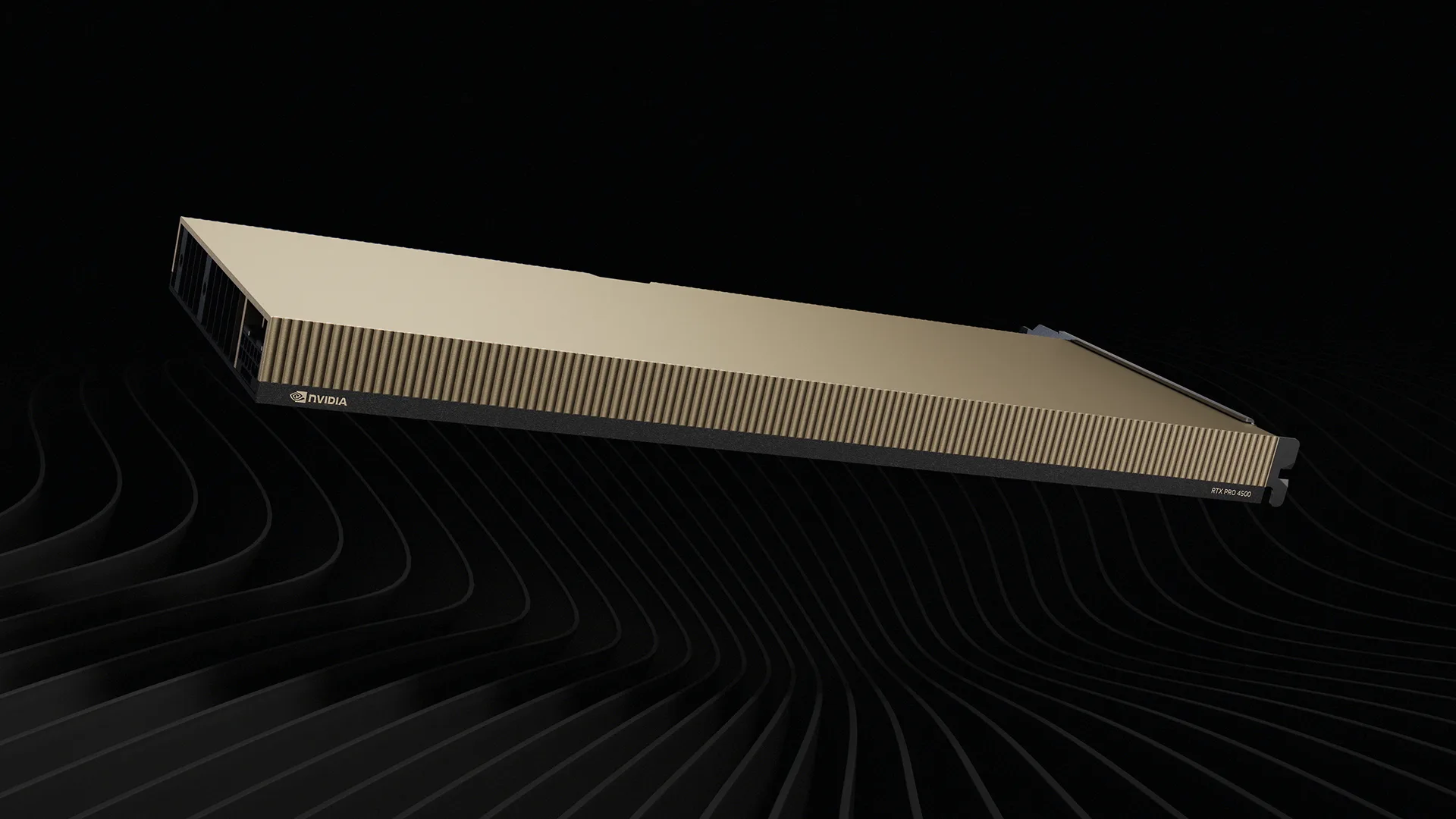
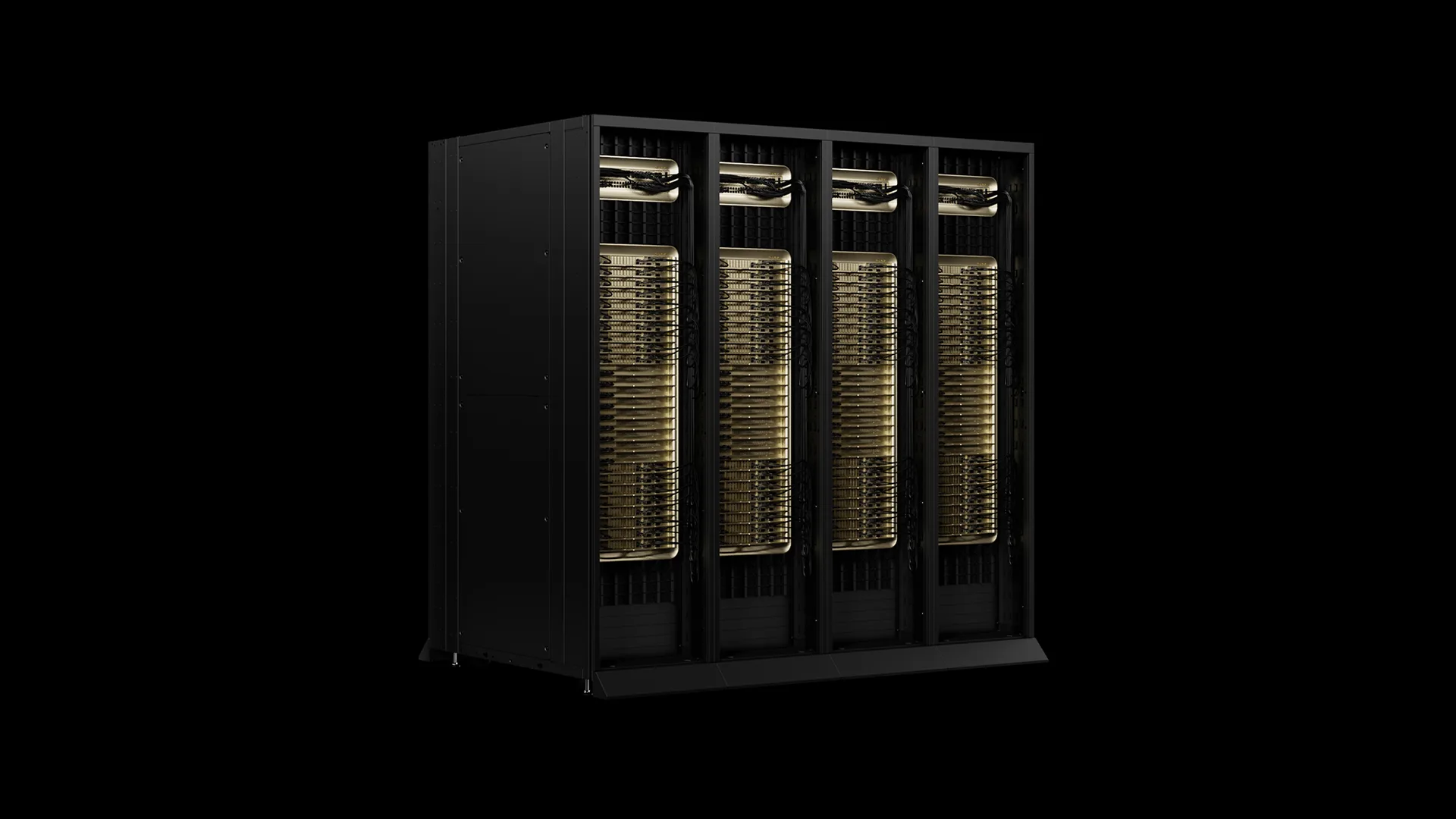
This decentralized architecture creates severe operational inefficiencies. Million-dollar corporate graphics assets sit completely idle during overnight hours, while remote engineers across separate time zones suffer from severe processing bottlenecks. Resolving this friction mandates migrating away from desktop sprawl toward centralized server architectures.
However, deploying virtual workstations requires stripping away vendor marketing illusions and confronting brutal engineering realities regarding memory mathematics, licensing taxes, compute noise parameters, and physical distance limitations.
Corporate Intellectual Property Security Threat