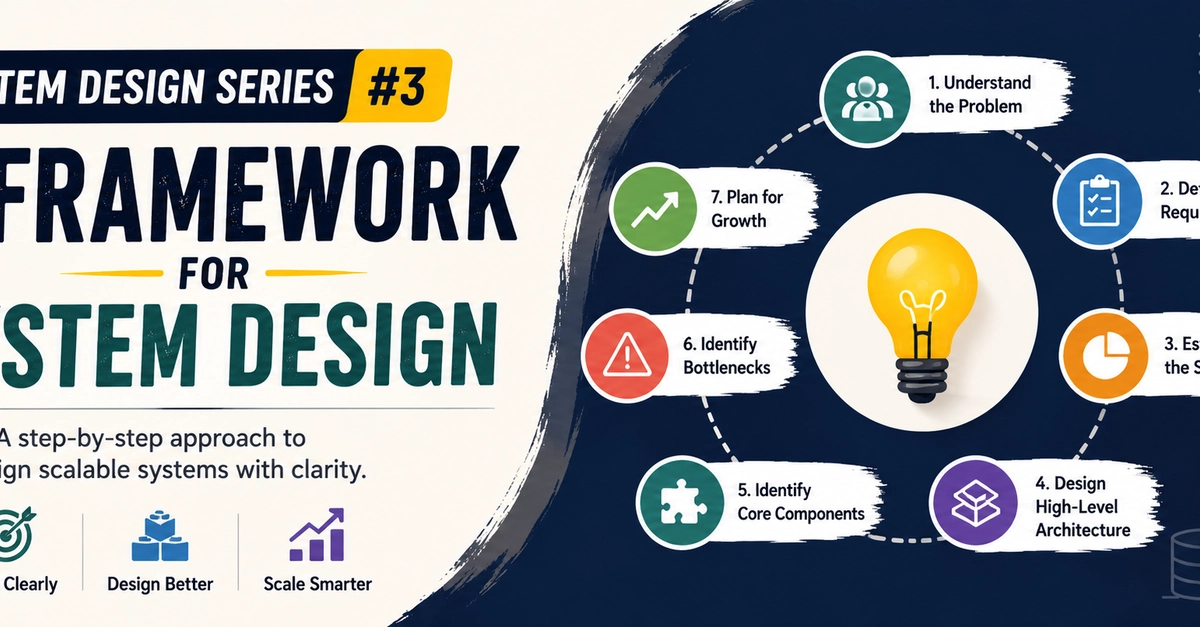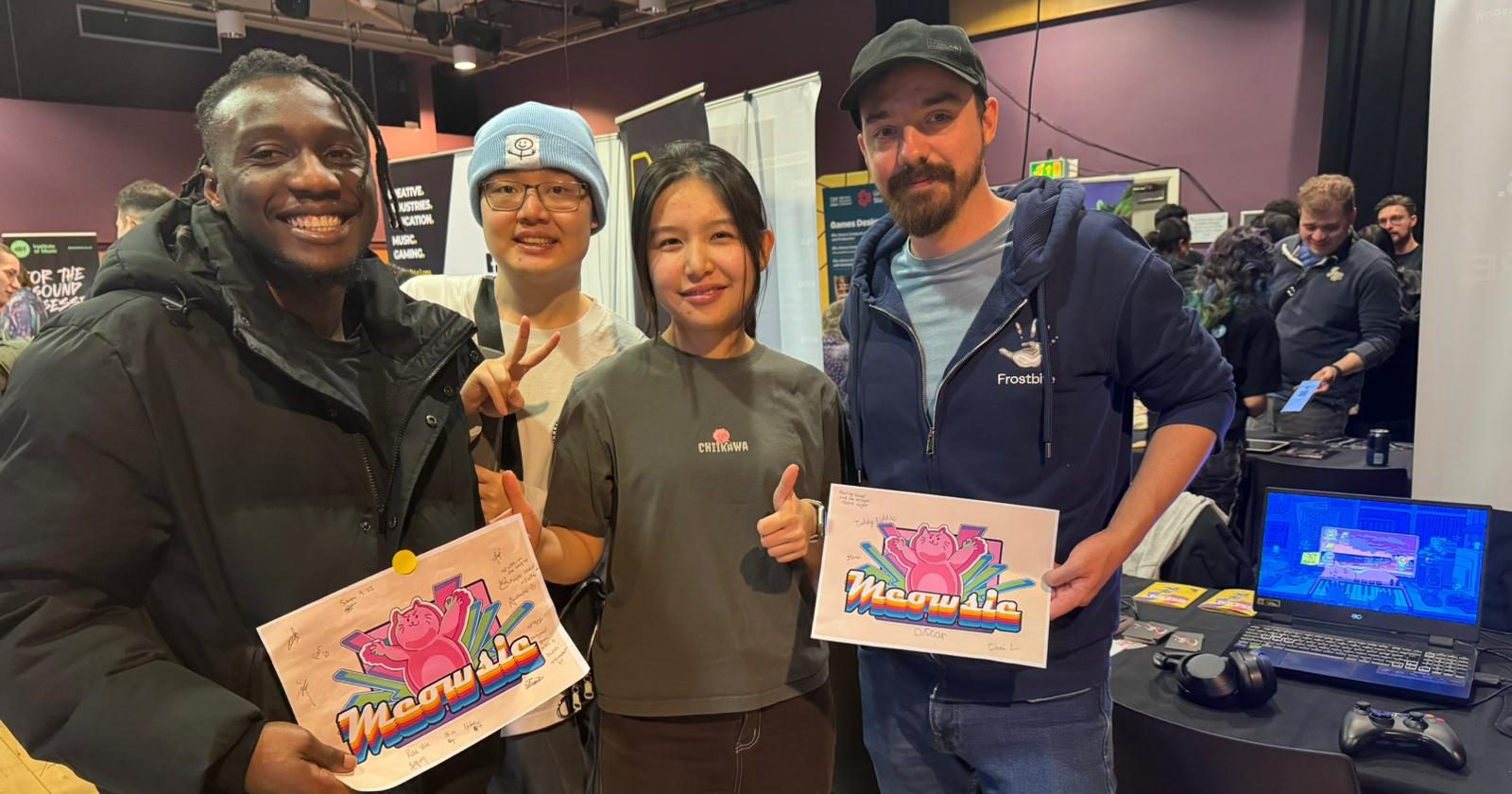
How Chukwuyenum Opone applies distributed systems engineering, simulation research, and the Layered Gameplay Systems Model (LGSM) to scalable gameplay architecture.
Engineering scalable interactive systems
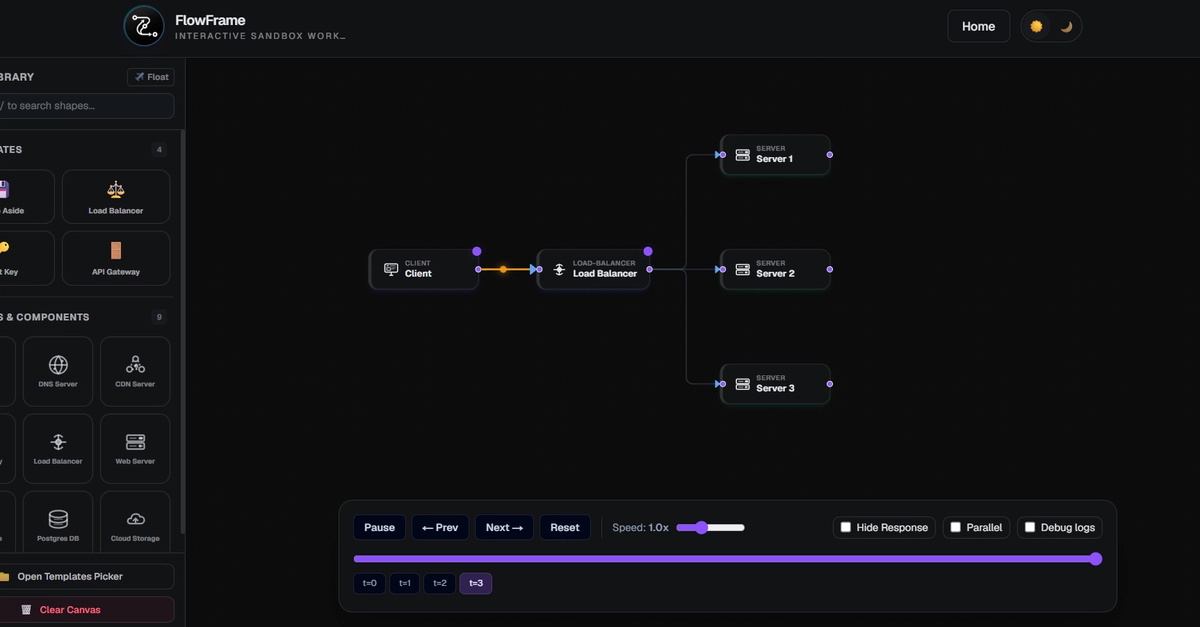
Before entering mainstream game development, Chukwuyenum Opone focused on solving a deeper engineering challenge: how large-scale interactive systems remain stable, scalable, and responsive as users, services, and transactions grow. Between 2018 and 2023, he designed distributed gaming architectures capable of coordinating multiplayer interactions, payment processing, and third-party gaming services within unified orchestration layers. Rather than relying on fragmented point-to-point integrations, his work introduced repeatable coordination models where services communicate through centralised interfaces, allowing systems to scale without instability. These architectures supported real-time gameplay, financial transactions, and multi-provider interoperability while maintaining high reliability and low operational complexity.
Systems engineering, simulation, and research
In 2023, Opone moved to the United Kingdom to pursue an MSc in Computer Games Programming at Teesside University, graduating with Distinction in 2024. During this period, he expanded his engineering approach into simulation and behavioural research systems, architecting full-stack interactive environments capable of handling large-scale participant interaction while preserving near-perfect data integrity. His work connected gameplay logic, user interaction, analytics, and validation systems into a single measurable pipeline, enabling behavioural data to be captured in real time without disrupting user immersion. This systems-first methodology demonstrated how interactive technologies can extend beyond entertainment into academic research, simulation design, and large-scale user modelling, establishing reusable engineering patterns for future interactive platforms.