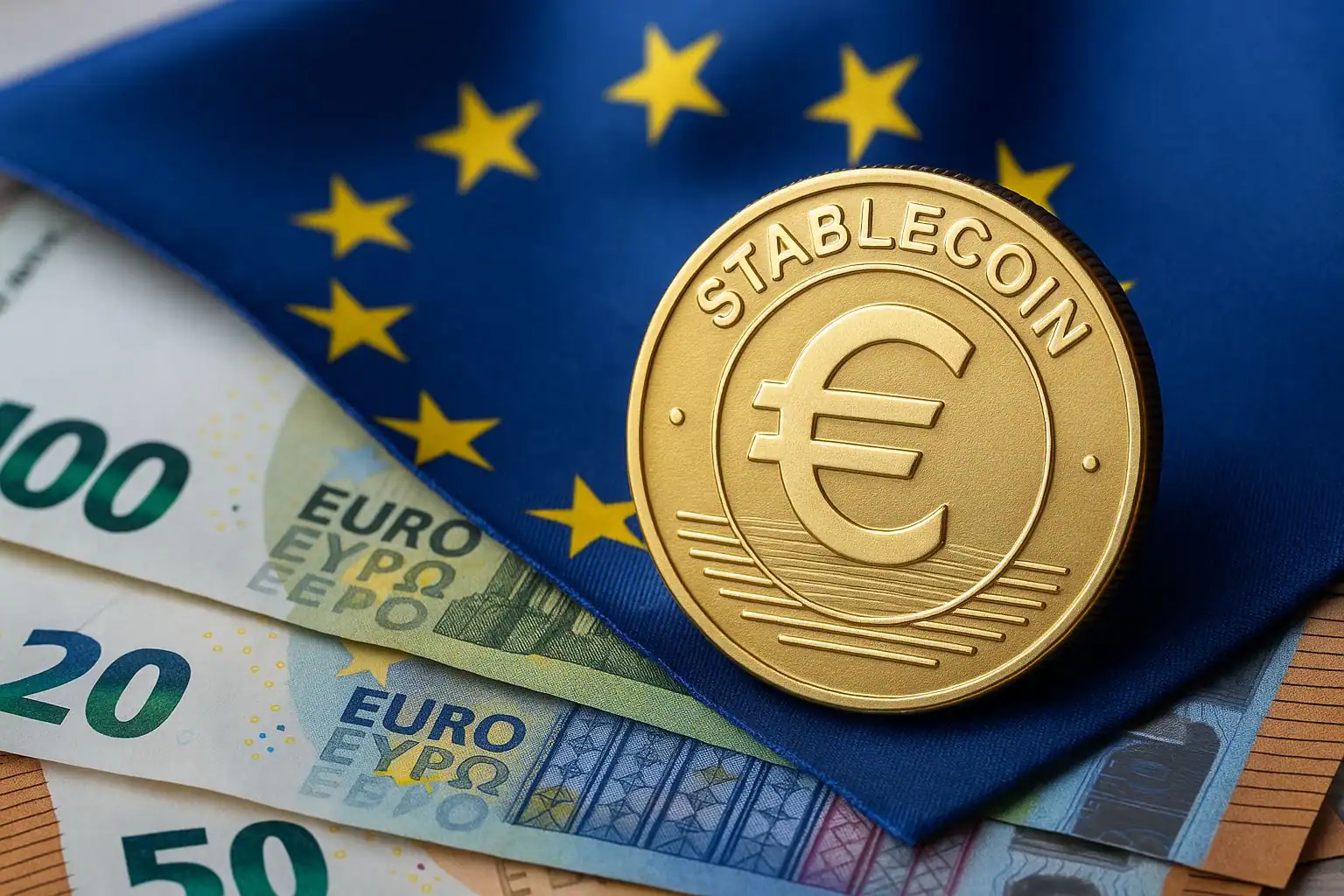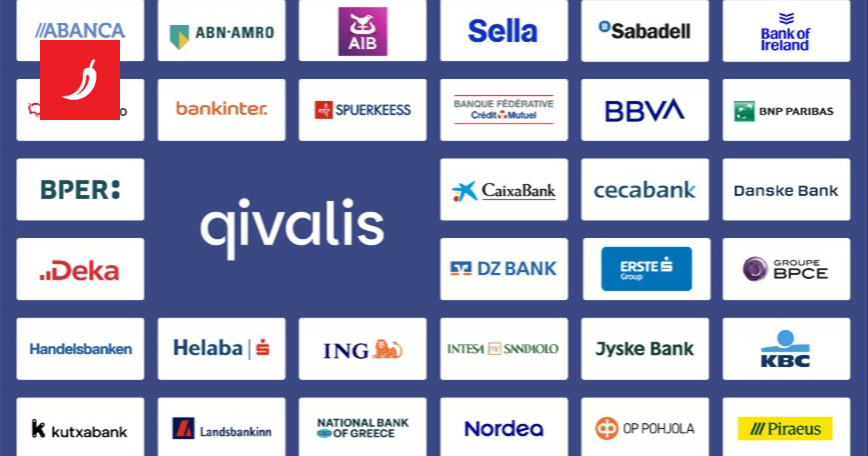
What started as a club of nine European banks planning a euro-denominated stablecoin has quietly ballooned into a 37-bank consortium spanning 15 countries. That’s 25 new members since the project was announced in September 2025, and a pretty clear signal that the continent’s traditional financial institutions are done watching American firms dominate the stablecoin market from the sidelines.
The expansion transforms what looked like a niche banking experiment into something closer to a pan-European movement. For an industry that typically moves at the speed of regulatory committee meetings, this is unusually fast coalition-building.
What the consortium is building
The project aims to create a fully MiCAR-compliant euro stablecoin, managed by a Netherlands-based company. MiCAR, for the uninitiated, is the EU’s Markets in Crypto-Assets Regulation, the most comprehensive crypto regulatory framework any major economy has put into law. In English: it’s the rulebook that determines who can legally issue and manage crypto assets across Europe.
The founding banks announced the initiative on September 25, 2025. That original group included ING, Banca Sella, KBC, Danske Bank, DekaBank, UniCredit, SEB, CaixaBank, and Raiffeisen Bank International. Not exactly a list of scrappy fintech startups. These are some of the largest and most established financial institutions on the continent, collectively serving tens of millions of customers.