Listen
/
1.0x
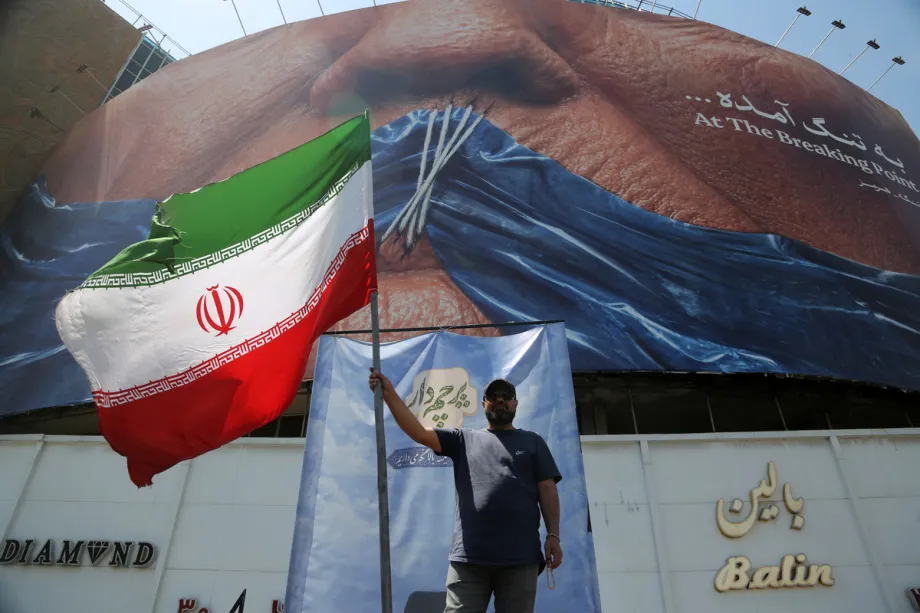
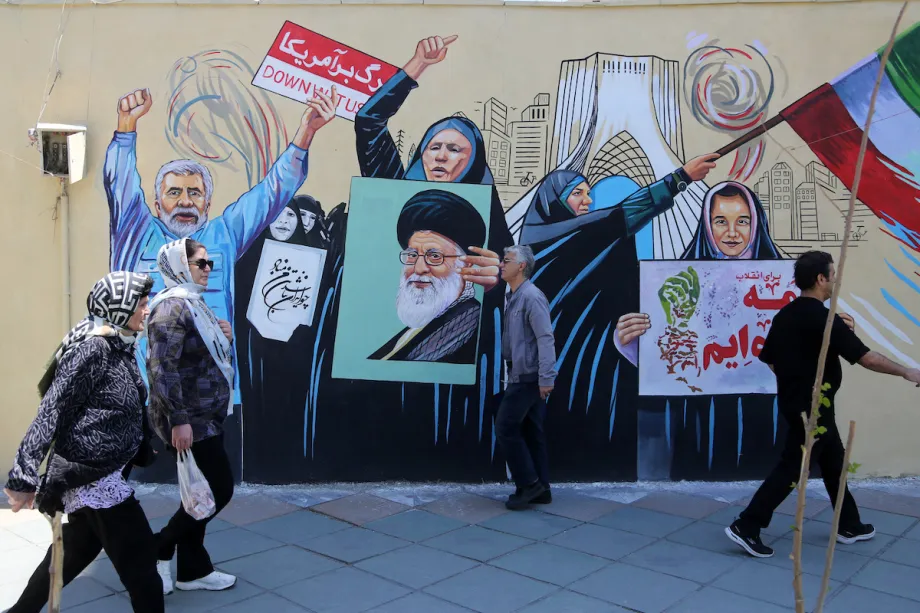
Despite decades of maximum pressure, crippling sanctions, and diplomatic isolation, the geopolitical reality of the Middle East suggests a profound paradox: the more the West and its regional allies speak of “containing” Iran, the more central Tehran becomes to the regional order. From the Levant to the Gulf of Aden, the Islamic Republic has moved beyond being a mere “disruptor” to becoming a structural pillar of the Middle East’s political and security landscape.
The Western-led strategy of containment has largely operated on the assumption that Iran could be boxed in until it either capitulated or collapsed. However, this approach has failed to account for Tehran’s “strategic depth”—a sophisticated blend of asymmetric alliances, ideological soft power, and a resilient, albeit battered, domestic defence industry. Far from being sidelined, Iran’s influence is now woven into the very fabric of the region’s most critical flashpoints despite its major setbacks over the last three years.