Why This Comparison Matters Right Now
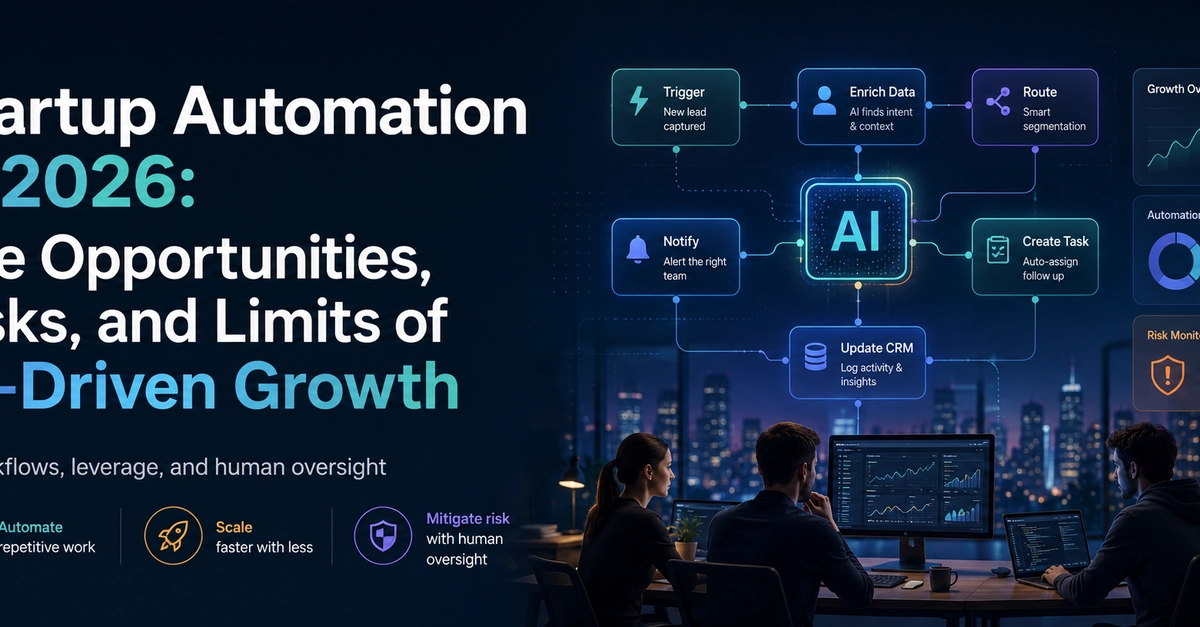
In 2026, the gap between founders who automated their repetitive operations and those who did not is no longer theoretical. It shows up in response times, in pipeline velocity, in who gets the deal when two vendors are equally qualified. McKinsey's research on the future of work found that organizations are increasingly automating routine tasks through AI to free up employees for higher-value work, with adoption accelerating across customer service and operational functions (McKinsey, Future of Work). For a solopreneur or a five-person team, that finding translates directly: the person answering DMs manually at 11 PM is not winning on effort. They are losing on architecture.
The conversation around AI productivity tools tends to focus on how to build or configure the technology. That framing misses the actual decision. The real question is not "how do I set up an AI agent?" It is "what does it cost me, concretely, to keep doing this myself?" This article compares those two paths without pretending one is obviously correct for every situation. There are real tradeoffs on both sides, and the honest answer depends on what kind of business you are actually building.