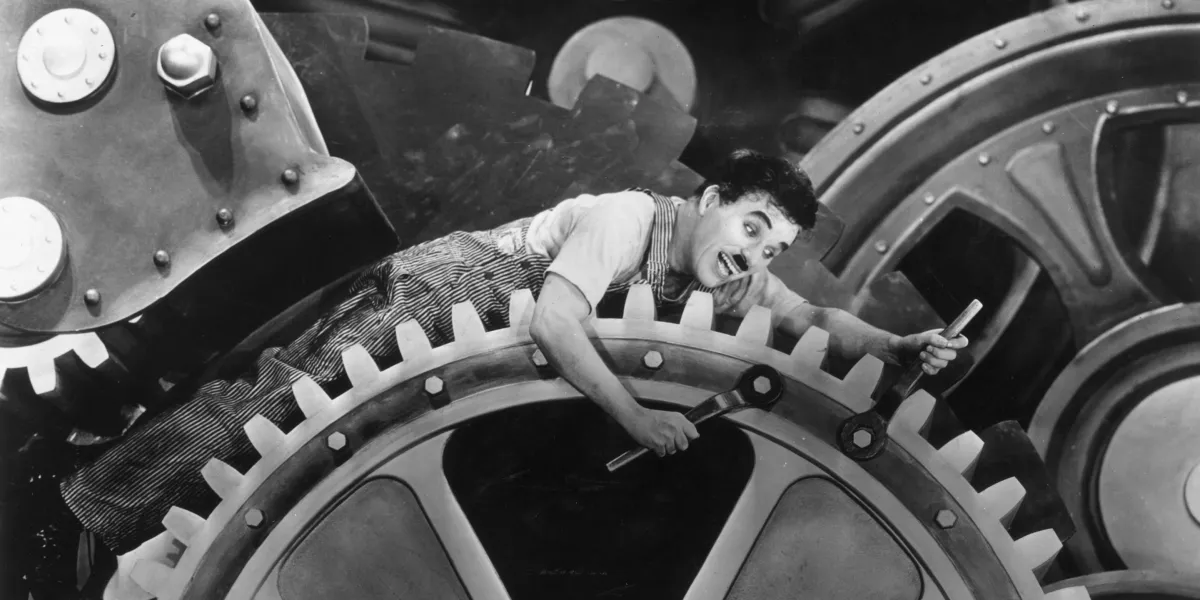
There is a lot of breathless talk of autonomous agents reshaping every corner of corporate America, from handling sales calls to writing code to managing supply chains. But the report from a partnership between Accenture’s global products practice and Wharton’s AI & Analytics Initiative adds evidence of an emerging, inconvenient pattern: the smarter AI gets, the more it demands of the humans behind it.
“Intelligence may be scalable, but accountability is not,” says the report, titled The Age of Co-Intelligence: How Humans, AI Agents, and Robots Are Redefining Value. It’s a sentence that sounds almost simple until you sit with what it means for every boardroom deploying agents by the hundreds. “This asymmetry is critical,” it continues, arguing that as AI removes limits on how much thinking and analysis can be done, humans still have to decide what matters, set strategy, and more important, own the outcomes.
The central finding is not that AI is coming for human jobs—it’s that it poses a direct challenge to all the leaders who will have to manage a world of autonomous bots crawling through the white-collar economy. “In a co-intelligent enterprise, leadership does not diminish as AI improves,” the report reads. “It becomes more consequential.”