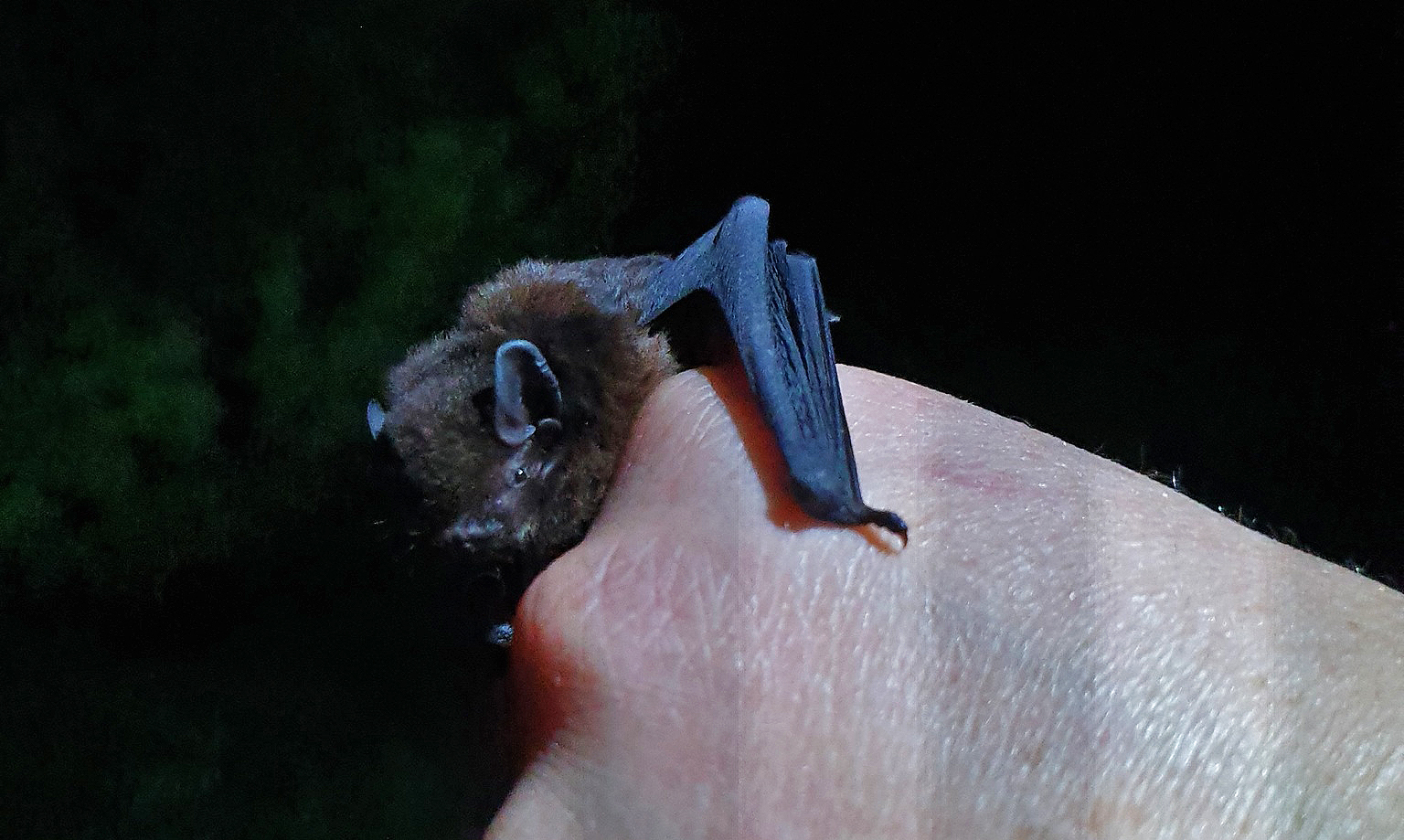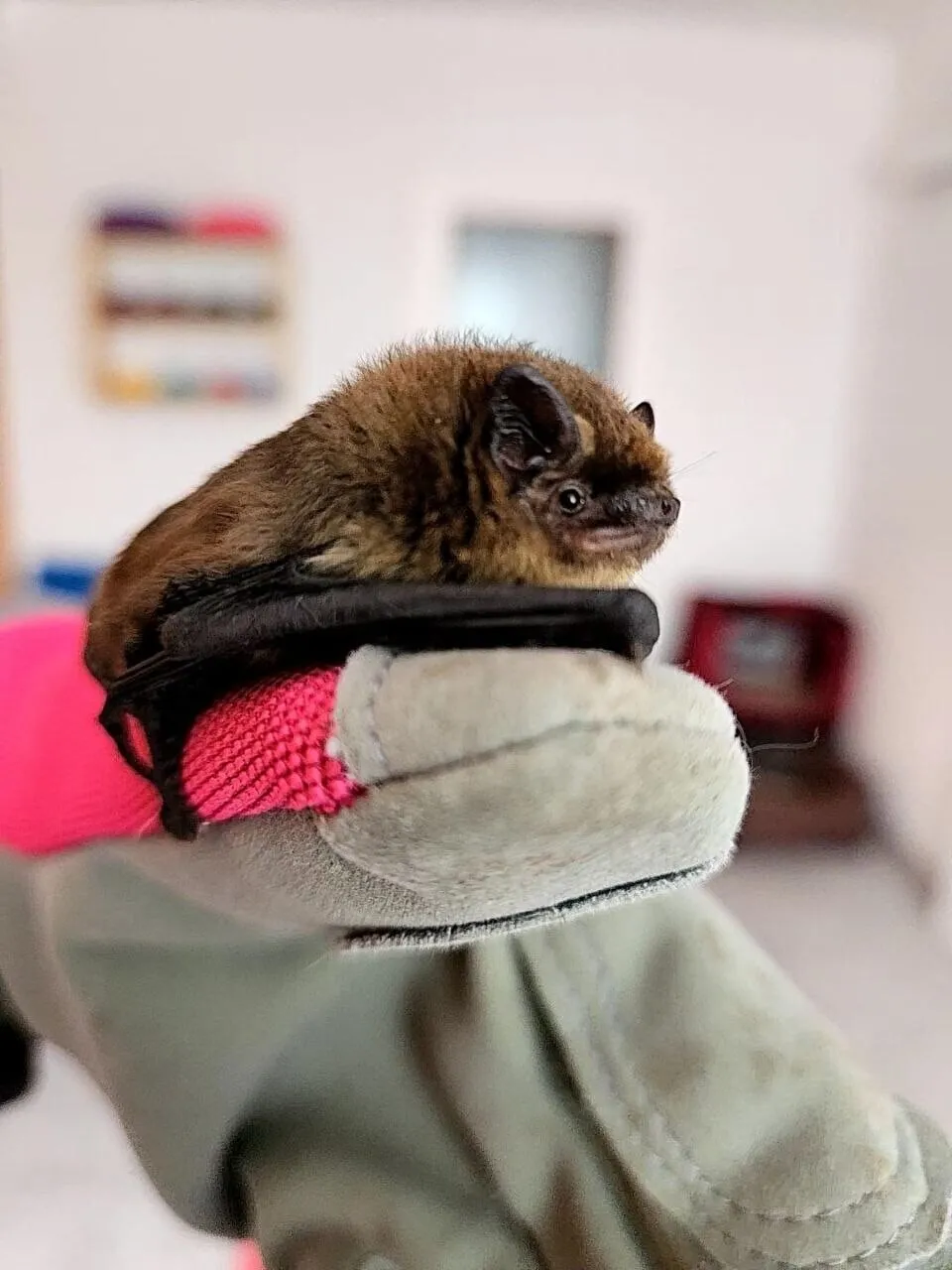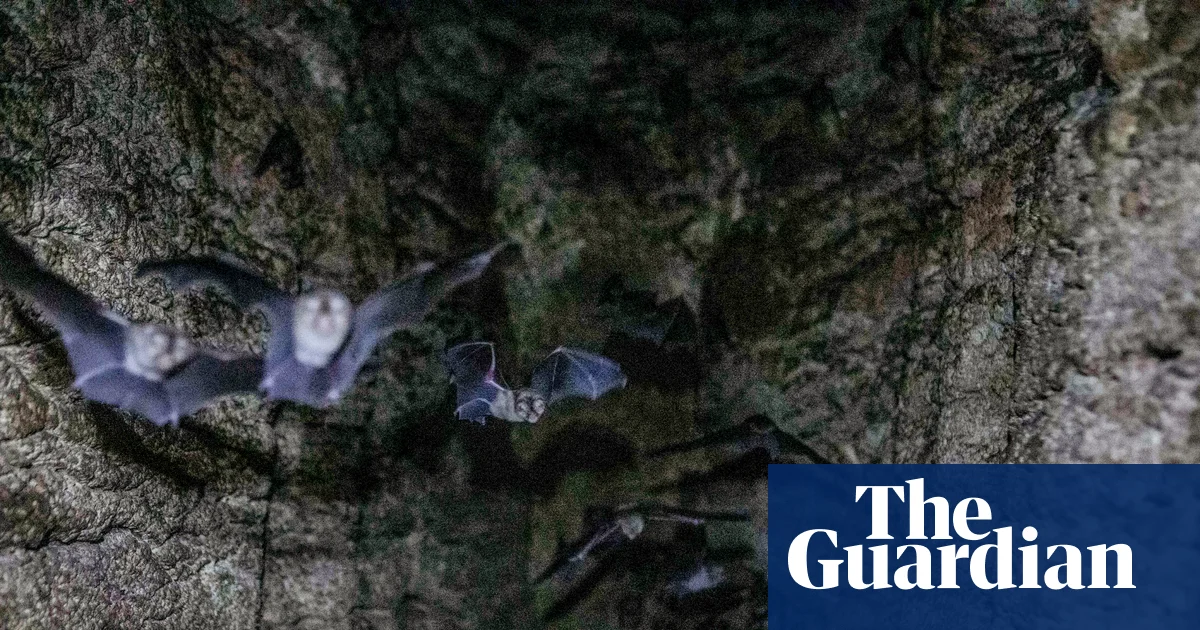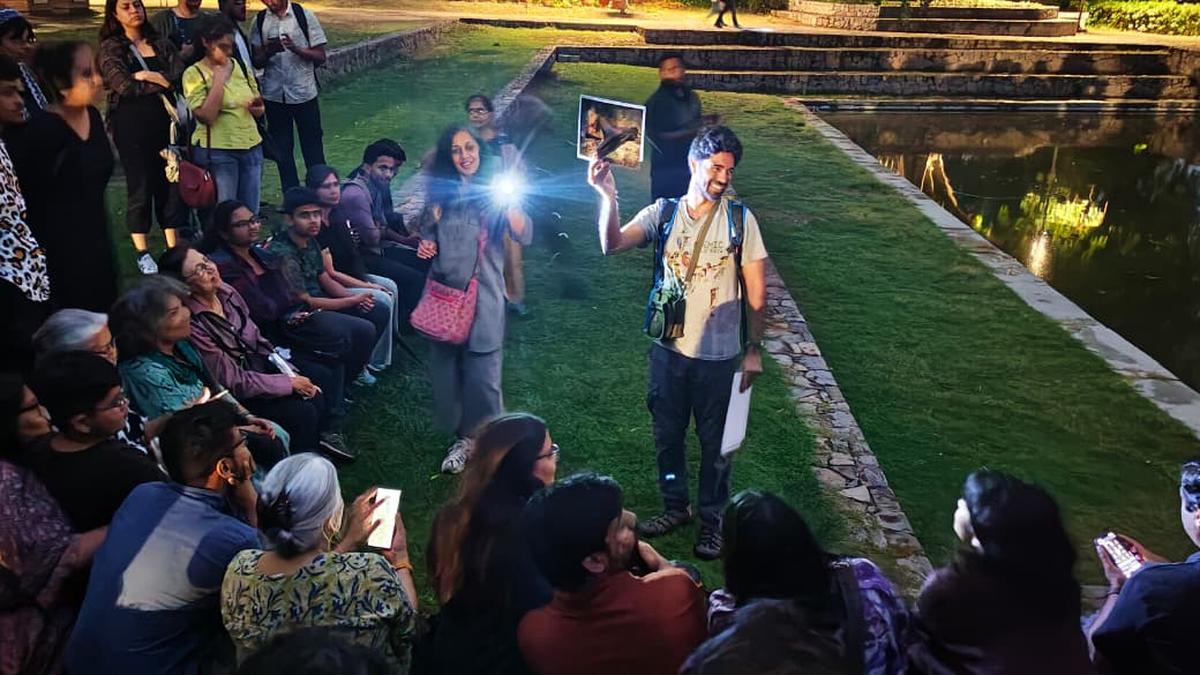
Bat researcher Rohit Chakravarty finds the mouse-tailed bats, a group of small insectivorous bats, often found thronging the monuments of Delhi, particularly cool. “What I love about them is their long, whip-like tails, which they use to feel what is behind them,” he says, pointing out that the secluded, quiet, undisturbed environment, often found within Delhi’s monuments, mimics a cave, their typical habitat. “This may explain why Delhi has some of the largest urban insectivorous bat colonies in the country.”Also read: A peek into the secret lives of Coorg’s many frogsEven though bats are so ubiquitous in a city like Delhi, they are often overlooked, believes Nikhil John, lead naturalist and assistant manager for Nature Connect at WWF-India. “They fly over our heads all the time, but we have very limited information about them,” he says.A new fold-out publication, Bats of Delhi NCR, is attempting to change that. Nikhil hopes that the guide, brought out by WWF-India in partnership with the Nature Conservation Foundation (NCF), the Centre for Wildlife Studies (CWS), and Bat Conservation International, will help people better understand these flying mammals. “Delhi is a city where the past meets the present. Its historical monuments, gardens and biodiversity parks are home to 15 species of bats,” states the publication, which was released in Delhi on International Bat Appreciation Day, April 17.
A new field guide spotlights Delhi’s marvellous bat diversity
A new fold-out publication, Bats of Delhi NCR, brought out by WWF-India in partnership with the Nature Conservation Foundation (NCF), the Centre for Wildlife Studies (CWS), and Bat Conservation International, seeks to help people better understand these flying mammals
906 words~4 min read