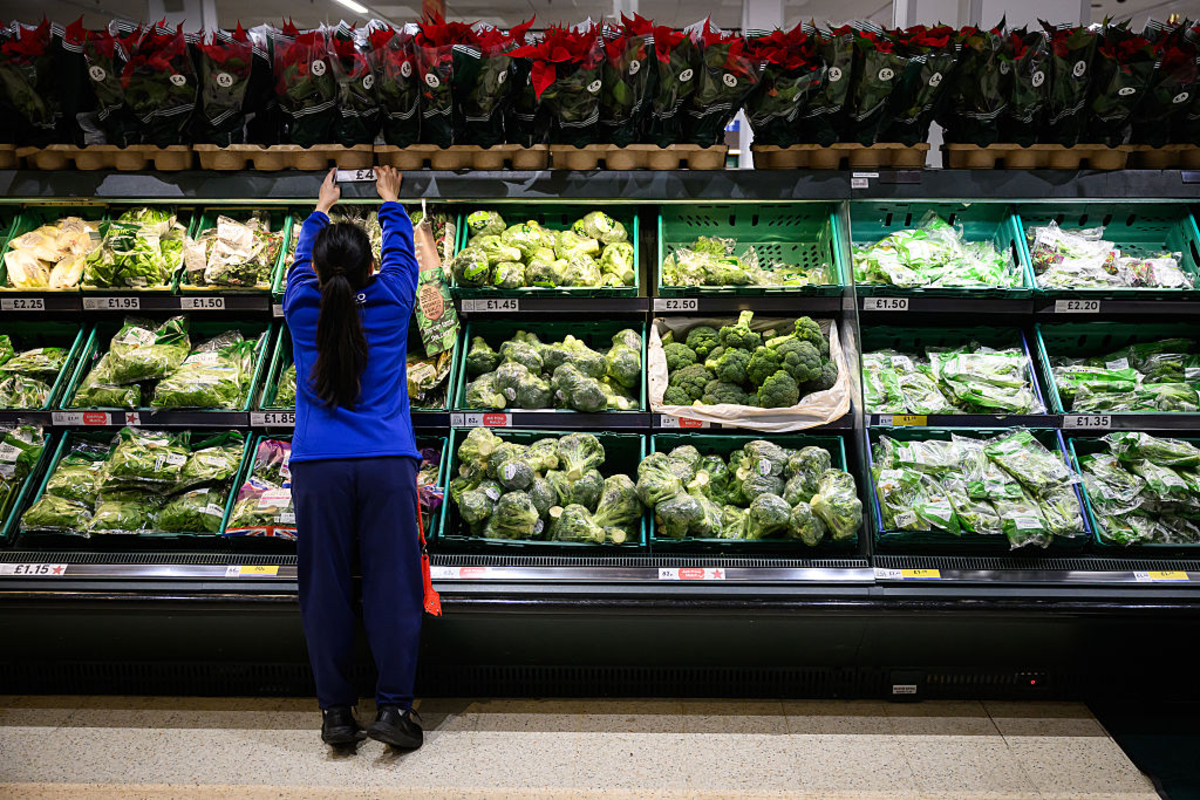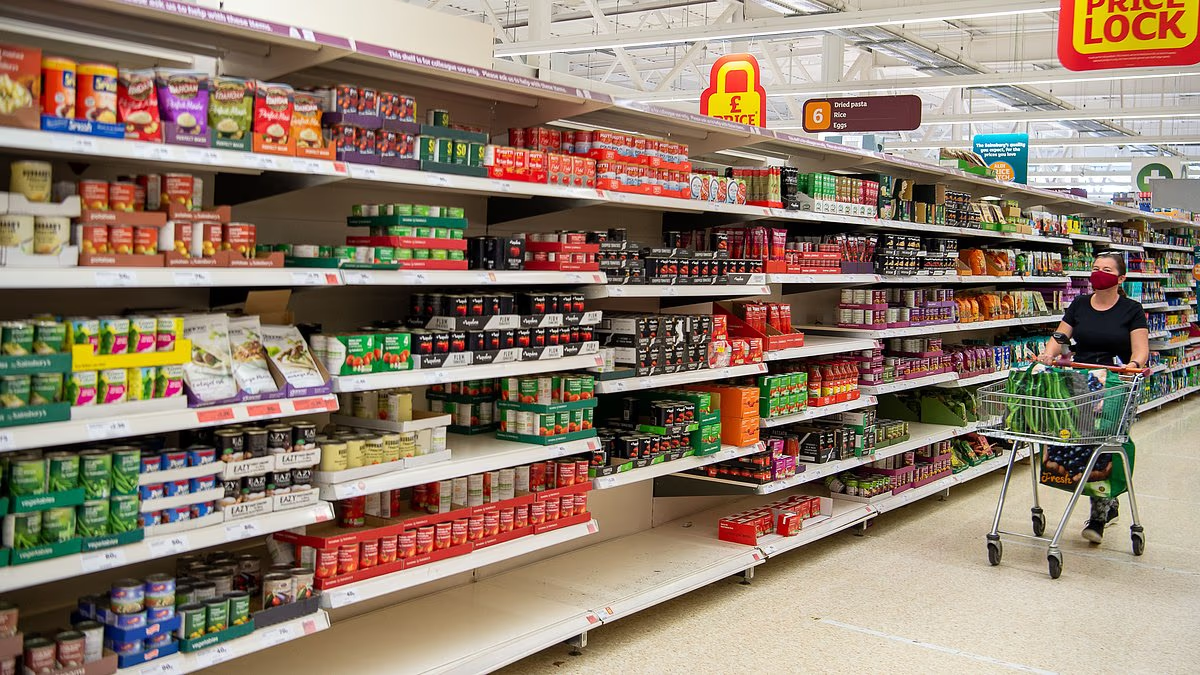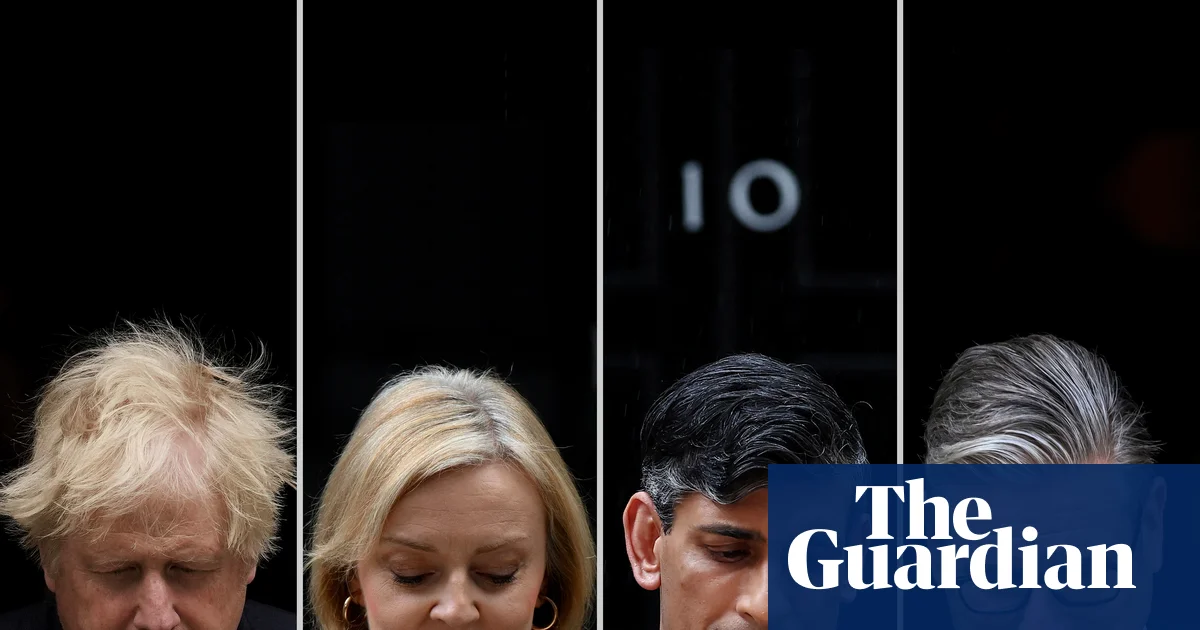
In the last few days, the government has performed two extraordinary about-turns. On Tuesday, it was revealed that the Treasury is covertly pressuring supermarkets to freeze prices on essential goods. This was odd: when Rishi Sunak floated a similar idea as prime minister, the Labour opposition accused him of acting like Ted Heath.
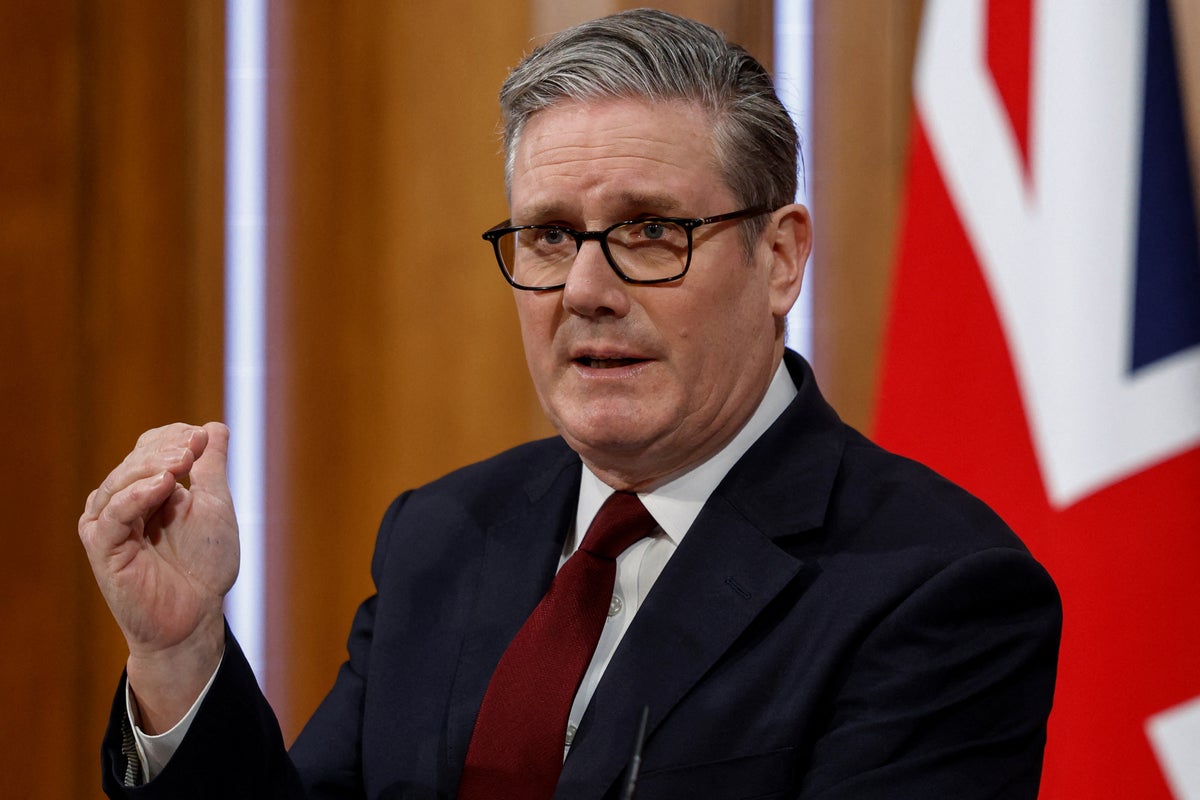
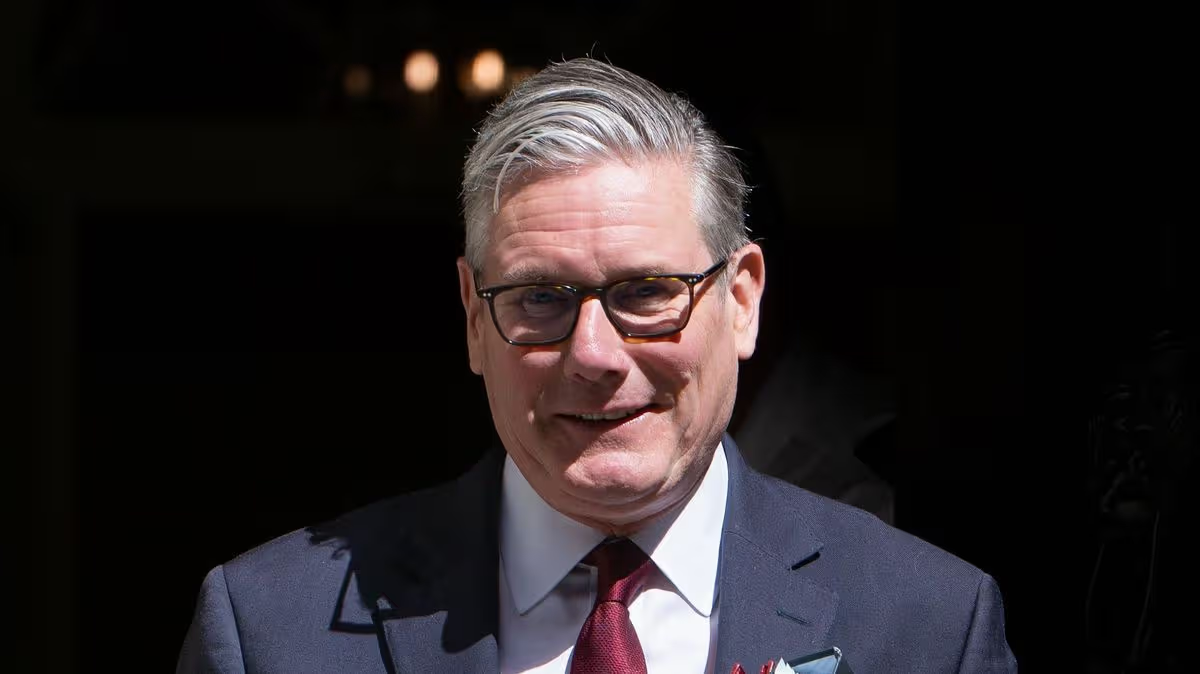
On Wednesday, we woke up to even stranger news: Keir Starmer would be lifting some sanctions on Russian oil to ease our supply problems. This is a prime minister who has spent the past year telling anyone who will listen that Nigel Farage is in league with Vladimir Putin; a prime minister who loves nothing more than being pictured with Volodymyr Zelensky on the steps of No. 10.
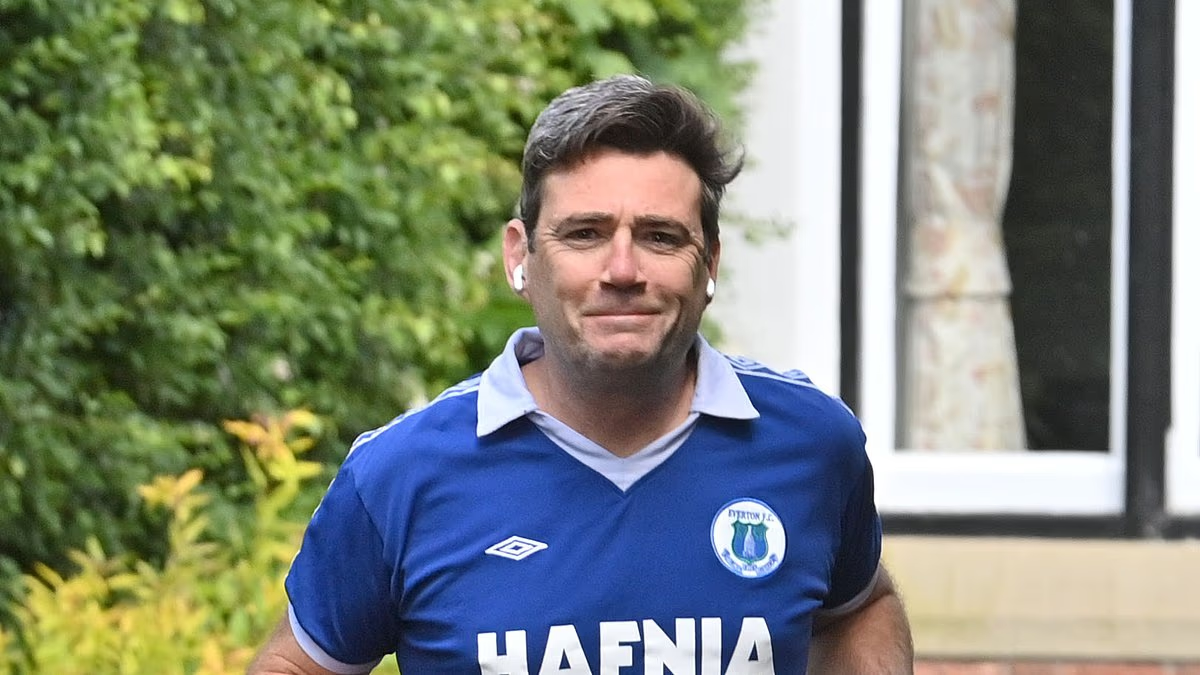
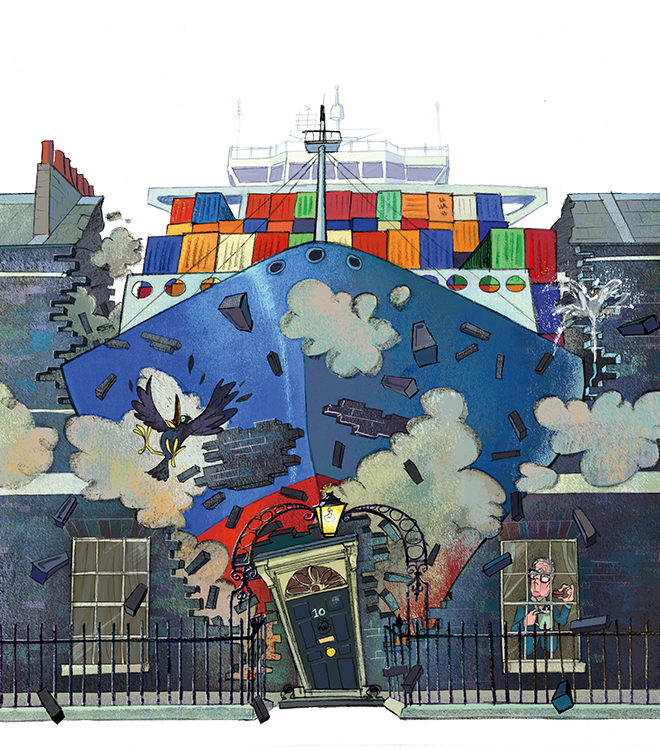
So how do you explain these two politically painful manoeuvres? The answer is simple: we are barrelling towards economic catastrophe because of the continued closure of the Strait of Hormuz. Iran’s leaders know their strongest weapon, essential to their survival, is the boot they have on the world’s most vital commercial artery. Whatever happens, we will be facing economic turbulence which not even the most energetic metro mayor can withstand.
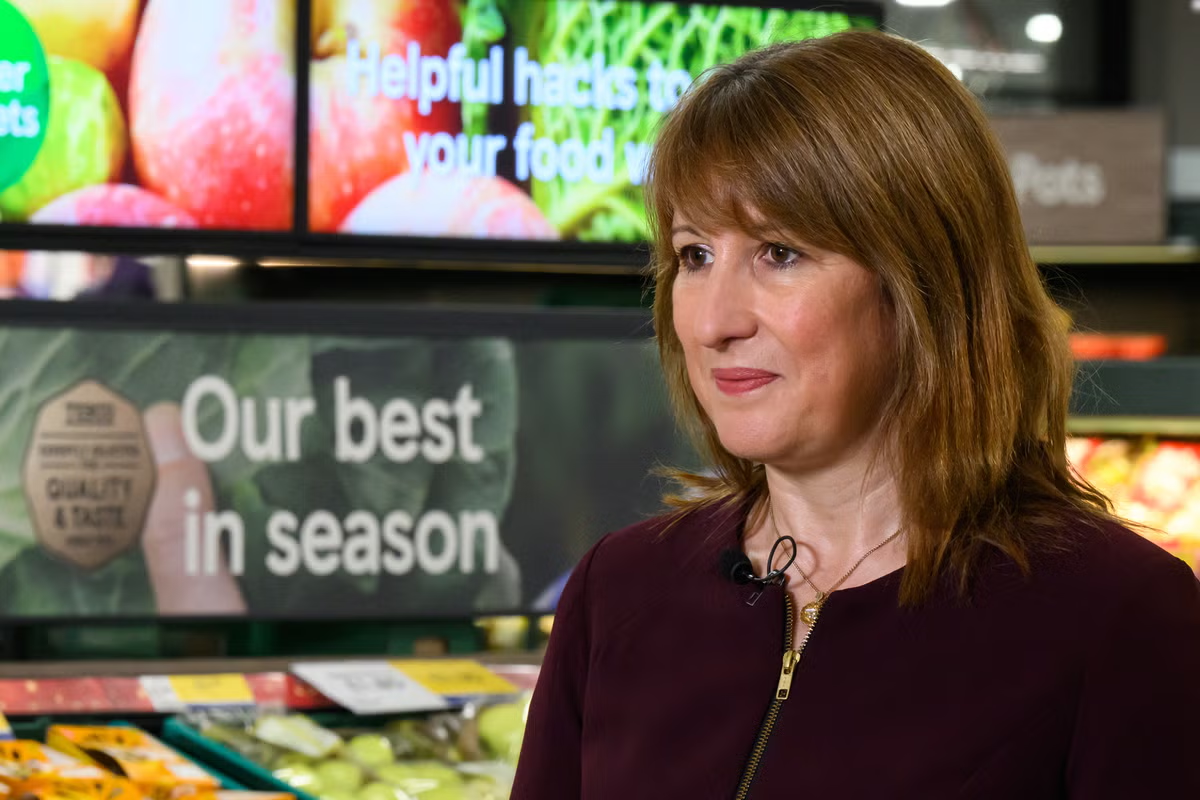
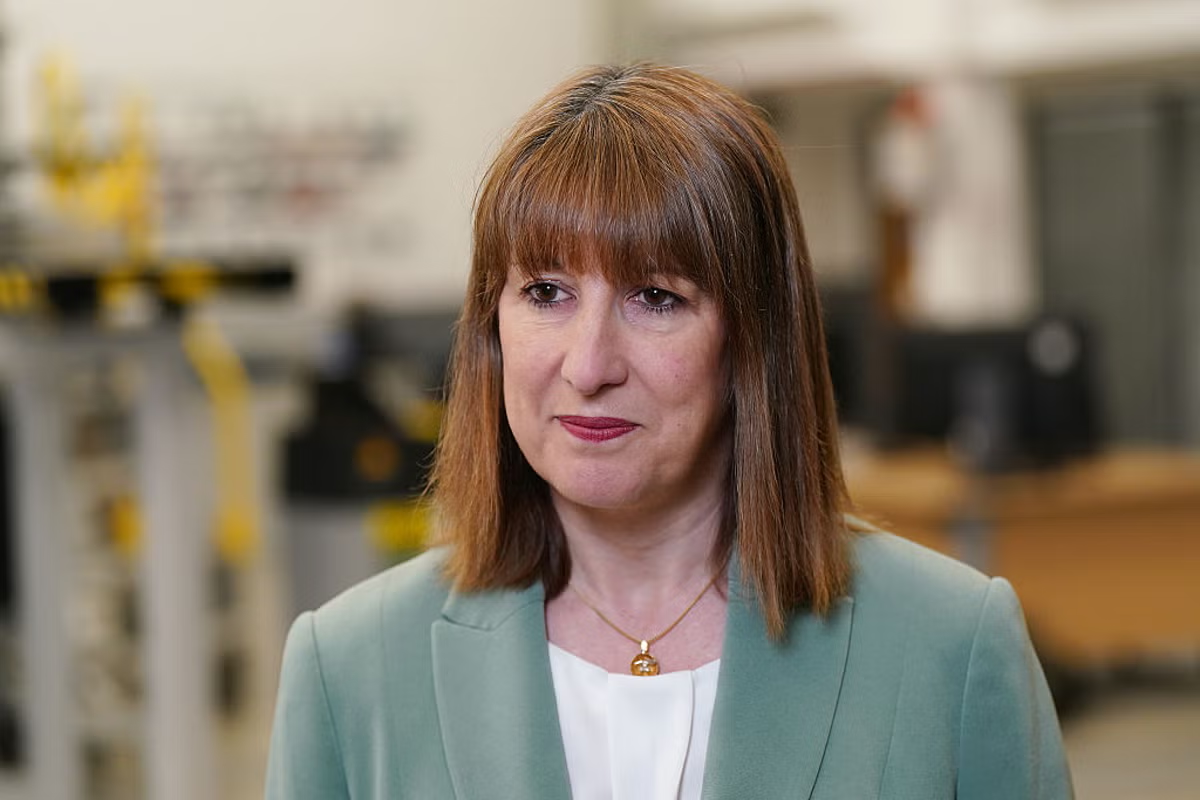
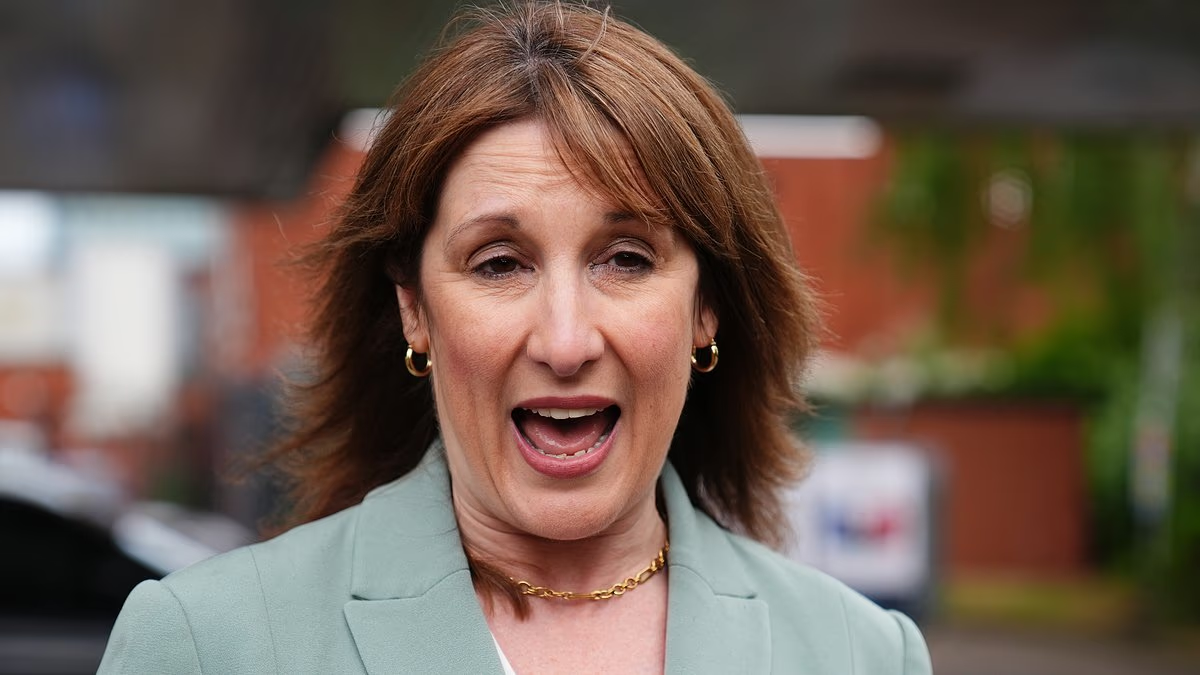
Chancellor Rachel Reeves and Starmer, who are receiving privileged briefings about the situation every day, are well aware of the gravity of the situation. Soon, with shortages of some foods and spiking prices, we will be too. In a secret meeting of Cobra, the government’s crisis-management committee, in April, officials ran through the ‘reasonable worst-case scenario’ of the strait remaining closed until June. We are on the verge of that now. Vital raw materials are blocked in Gulf ports.