Tuesday 19 May 2026 6:40 pm
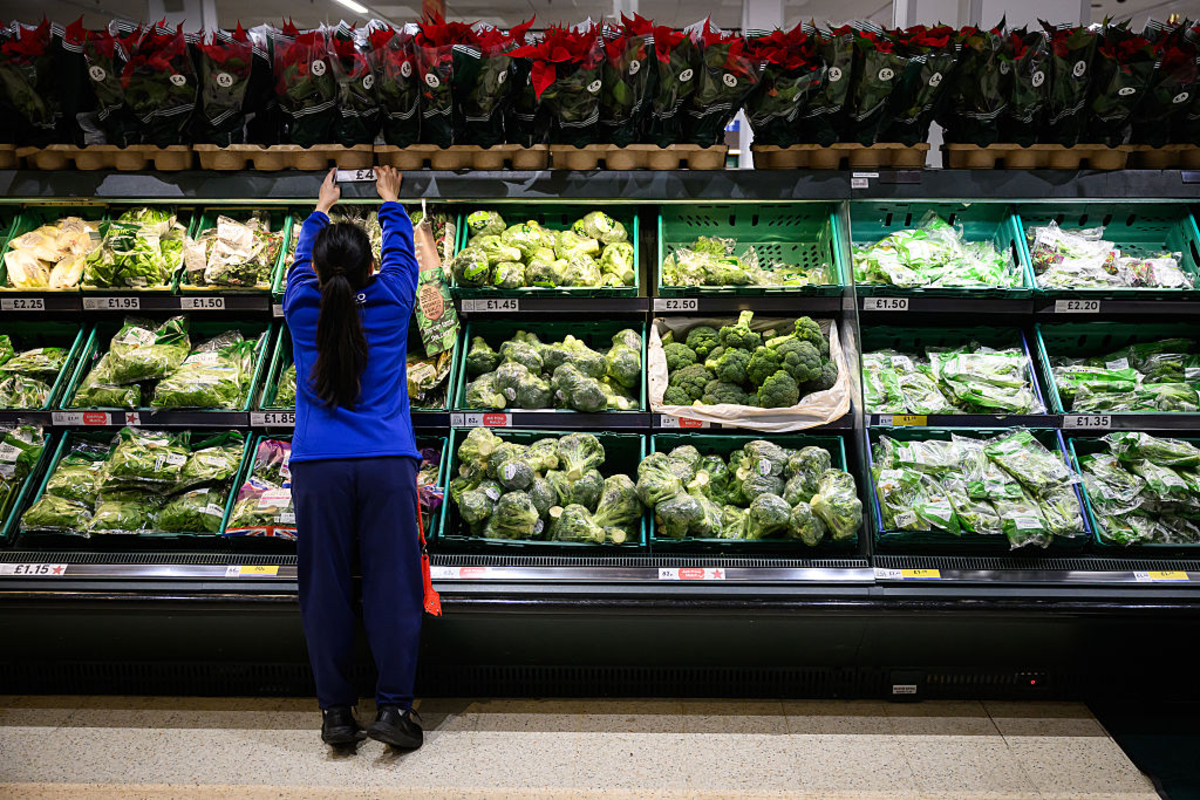
Retailers have been under huge pressure to keep prices down since the Iran war
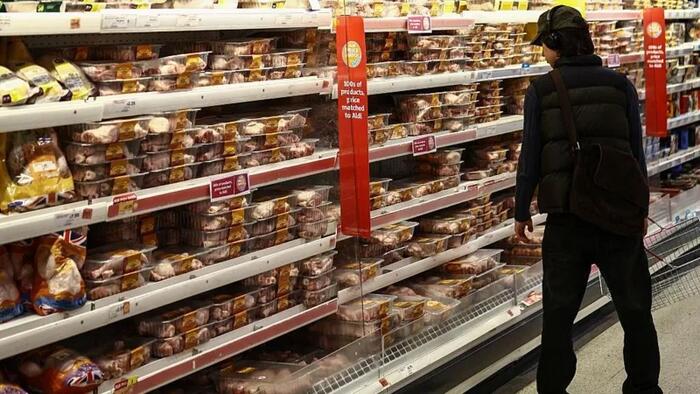
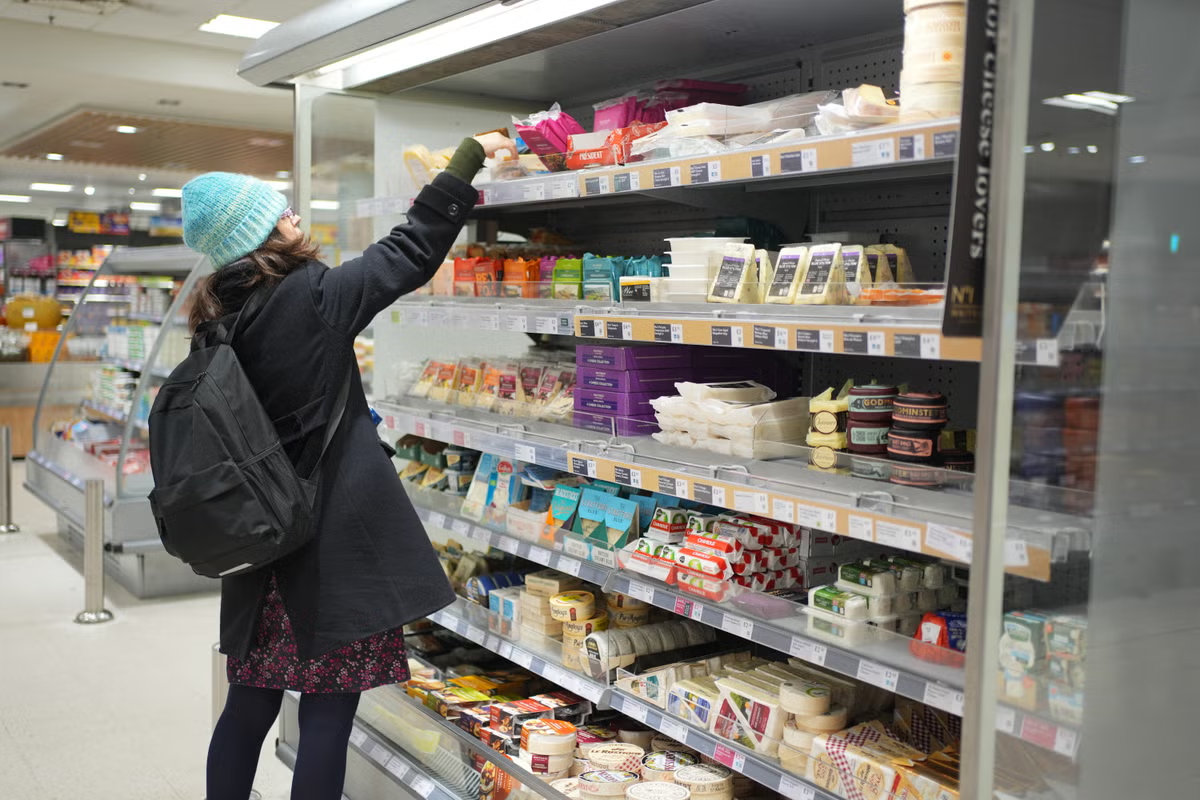
The Treasury is putting pressure on supermarkets to cap prices on staple groceries as a quid pro quo for axing taxes and red tape amid fears the Iran war is set to unleash a painful bout of food inflation. According to leaked negotiations between major retailers and the government, the Chancellor’s officials have been pushing large grocers to cap the prices of essentials like eggs, bread and milk in a move the industry’s lobby group said was redolent of “1970s-style price controls”.The Treasury has offered “incentives” in exchange for supermarkets agreeing to the measure, according to The Financial Times, including delaying expensive rules forcing supermarkets to prioritise healthy food and relaxing packaging taxes.The negotiations are the most striking sign yet of ministers’ grave concerns that the protracted closure of the Strait of Hormuz shipping lane will set off another wave of higher prices at the till just years after the 2022 energy price shock.The situation threatens to waylay Keir Starmer’s flagship promise to keep the cost of living down for British households, and his government has already stepped in to support rural houses that use heating oil and bolstered regulators’ powers to prosecute price gouging.Move mirrors ‘hair brained’ SNP food price capHelen Dickinson, the chief executive of the British Retail Consortium, launched a robust defence of her members’ track record of keeping prices down for customers, saying the UK has “the most affordable grocery prices in western Europe”.“The challenge facing retailers is a combination of higher energy and commodity costs resulting from the Middle East conflict, and the soaring cost of the government’s domestic policies,” she said. “Rather than introduce 1970s-style price controls and trying to force retailers to sell goods at a loss, the government must focus on how it will reduce the public policy costs which are pushing up food prices in the first place.”One person quoted by The Financial Times, said the negotiations were a “a rubbish, kneejerk reaction to the SNP”, which is moving to implement a manifesto commitment to cap the price of milk and other consumer staples.The Scottish nationalists’ move was lambasted as “hair brained” by Shore Capital analyst Clive Black, who said the policy was “more akin to a severely struggling less developed nation”. ““As a starting point, therefore, maybe the Scottish Government, alongside Westminster and the other devolved administrations, would do well to look in the mirror if it is really worried about rising food prices and their collective role in the cost environment,” he added.The pressure from officials will compound the already frosty relations between retailers and government, which have reached fresh lows after Rachel Reeves hauled several into Downing Street at the start of the war.Most bosses at the major supermarkets ignored the Treasury’s invitation to the original summons, which was cancelled to avoid proceeding with a ‘second-tier’ turnout.The Treasury was contacted for comment.