See more Daily Mail on Google - save us as a Preferred SourceBy DAVID WILCOCK, DEPUTY POLITICAL EDITOR and SAM MERRIMAN, POLITICAL CORRESPONDENT Published: 11:37 BST, 20 May 2026 | Updated: 16:57 BST, 20 May 2026
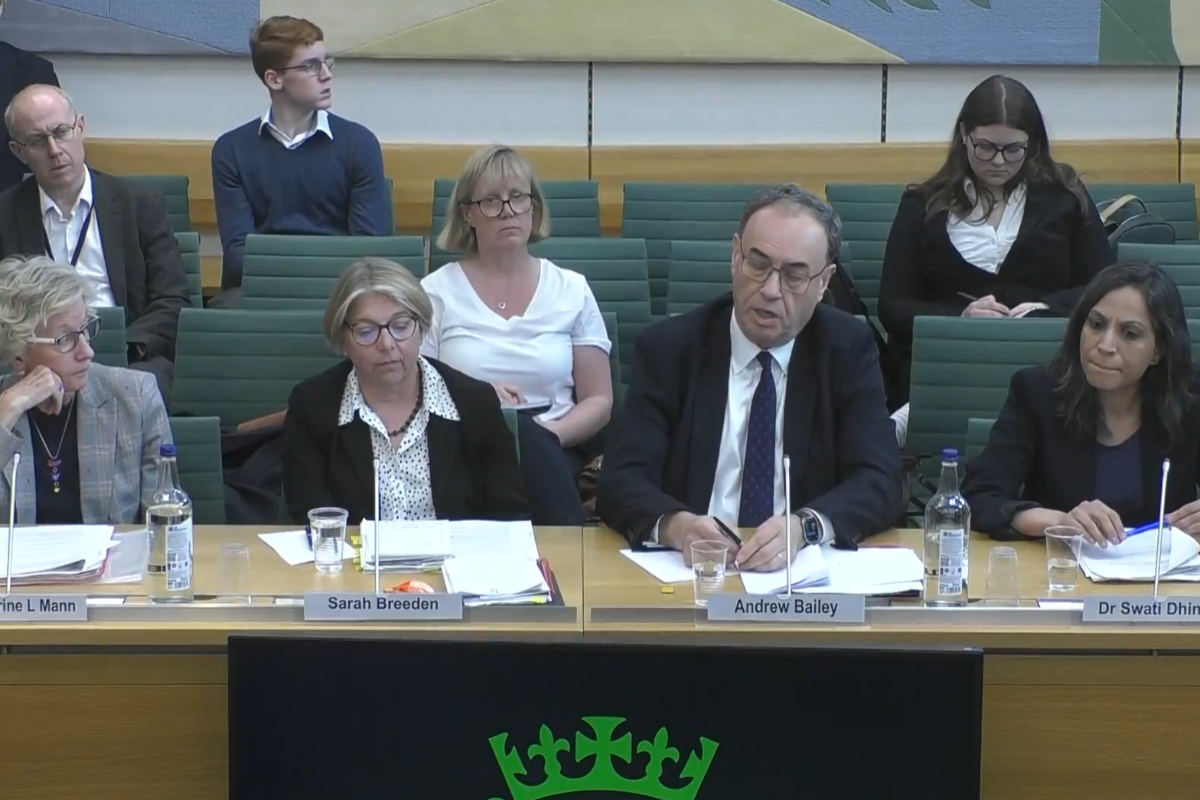
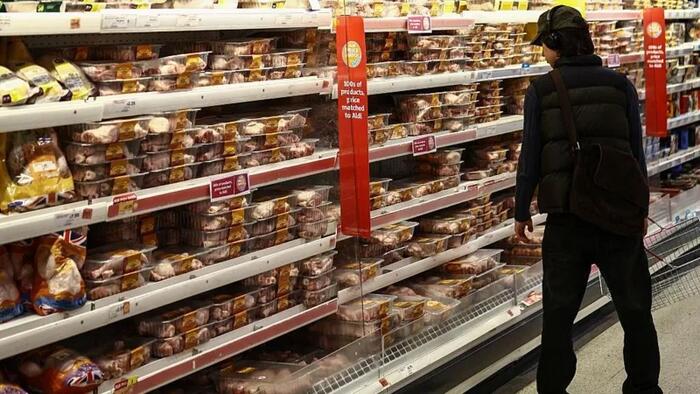
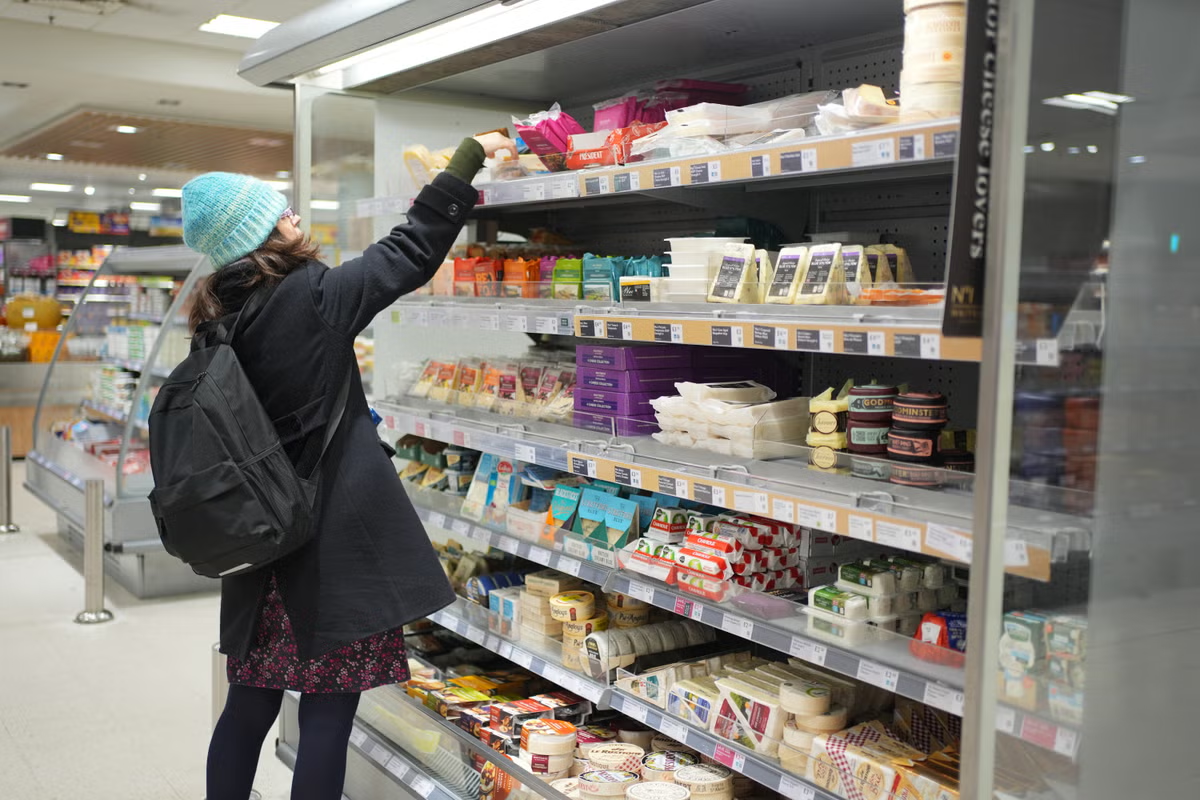
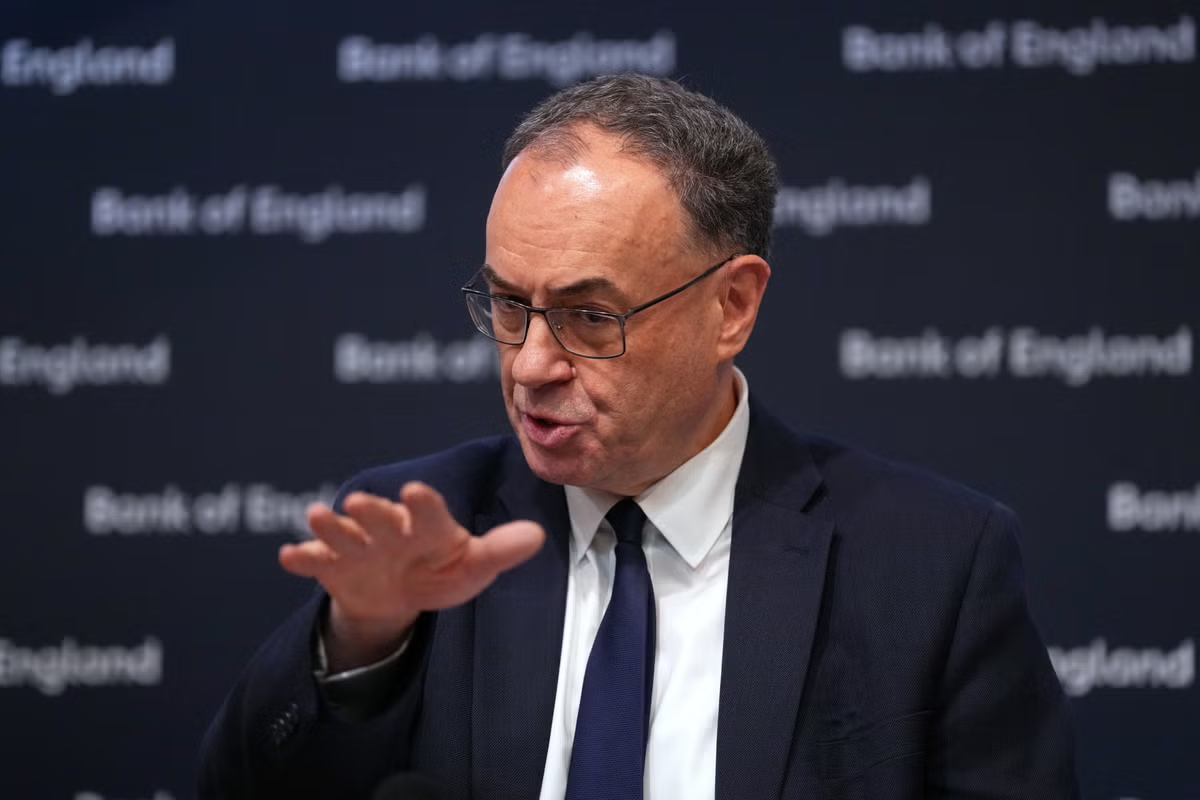
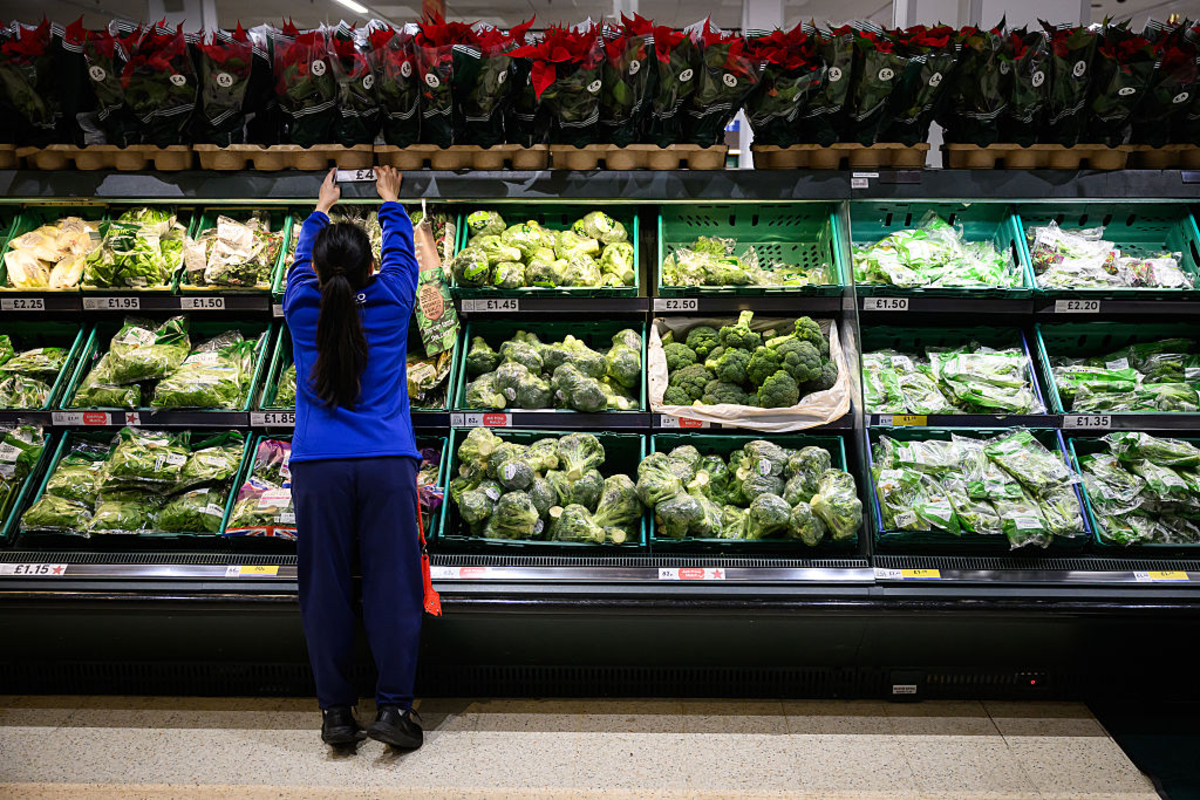
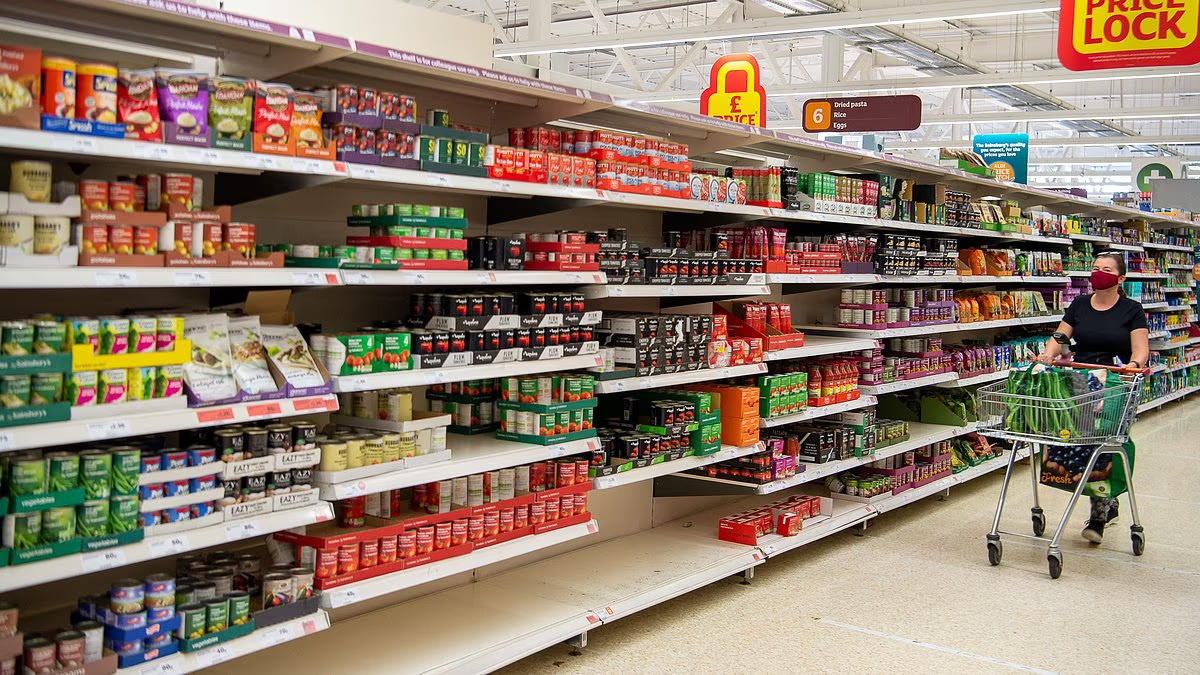
Bank of England governor Andrew Bailey warned Labour that price caps on food are unsustainable amid fury at attempts by the Treasury to pressure supermarkets into introducing cost restrictions.Retail bosses criticised the Treasury after it was reported to have offered to ease packaging policies and delaying rule changes around healthy food in return for prices of staples being kept down.Former Asda boss Lord Rose was among those who lashed out at 'completely preposterous' and 'idiotic' proposals covering eggs, bread and milk.And Mr Bailey leaned into the row when he was quizzed by MPs on the Treasury Committee. He said: 'If you start doing it as a matter of course then effectively you're artificially moving prices relative to costs and that's not a sustainable thing in the long run.'There may be benefits to doing it in the short term but it does need to be thought through.'It comes just weeks after Downing Street attacked plans by the SNP administration in Scotland to use health powers to cap the price of everyday essentials, warning the move was 'incoherent and undeliverable'. Mr Bailey leaned into the row when he was quizzed by MPs on the Treasury CommitteeThe rate of food price increases rose to 3.7 per cent in April and industry groups have warned it could hit almost 10 per cent by the end of the year due to the blockade of the Strait of HormuzLord Rose, who is also a Tory peer, branded a potential cap as 'stuff and nonsense'.He told BBC Radio 4's Today programme: 'This smacks of state control.'It is idiotic. It is dangerous and it will never work.'And M&S boss Stuart Machin branded it 'completely preposterous', adding: 'I don't think the Government should be trying to run business. 'My advice is that the Government should reduce some of the tax and regulatory burden and free us up in a very competitive market.'The rate of food price increases rose to 3.7 per cent in April and industry groups have warned it could hit almost 10 per cent by the end of the year due to the blockade of the Strait of Hormuz.Chancellor Rachel Reeves is due to announce measures to help households with the cost of living on Wednesday and the Treasury is said to be pushing for her to announce the price cap policy.Treasury minister Dan Tomlinson said 'this isn't something we're looking at' when asked if there had been conversations with supermarkets about bringing in price caps. Former Asda chairman and Tory peer Lord Stuart Rose branded a potential cap as 'stuff and nonsense'He told Sky News: 'The Government is not looking at doing this.'Instead, what we're doing is looking across the economy at what are the different ways that we can help households.'But he later appeared to muddy the waters as he explicitly ruled out a 'mandatory price cap' on supermarket essentials.He told BBC Radio 4's Today programme: 'Of course, the Government is going to be having conversations with supermarkets about what more we can do to support households, but no, we are not going to be implementing a mandatory price cap.'Pressed on whether Treasury ministers would like a voluntary agreement with supermarkets to control prices, particularly on essential items, he said: 'People are experiencing rises in prices, you know, particularly at the petrol pumps in recent weeks.'It's right that the government looks across the board at what more we can do, both government levers, but also talking to industry about the steps that they could take to support people with the cost of living.'Helen Dickinson, the chief executive of the BRC, the leading trade association for retailers, said: 'Rather than introduce 1970s-style price controls and trying to force retailers to sell goods at a loss, the Government must focus on how it will reduce the public policy costs which are pushing up food prices in the first place.'She added: 'The challenge facing retailers is a combination of higher energy and commodity costs resulting from the Middle East conflict, and the soaring cost of the Government's domestic policies.'Ms Dickinson also said: 'The UK has the most affordable grocery prices in Western Europe thanks to the fierce competition between supermarkets.'