Wednesday 20 May 2026 4:38 pm
Bank of England officials said they currently didn't see the need to hike rates
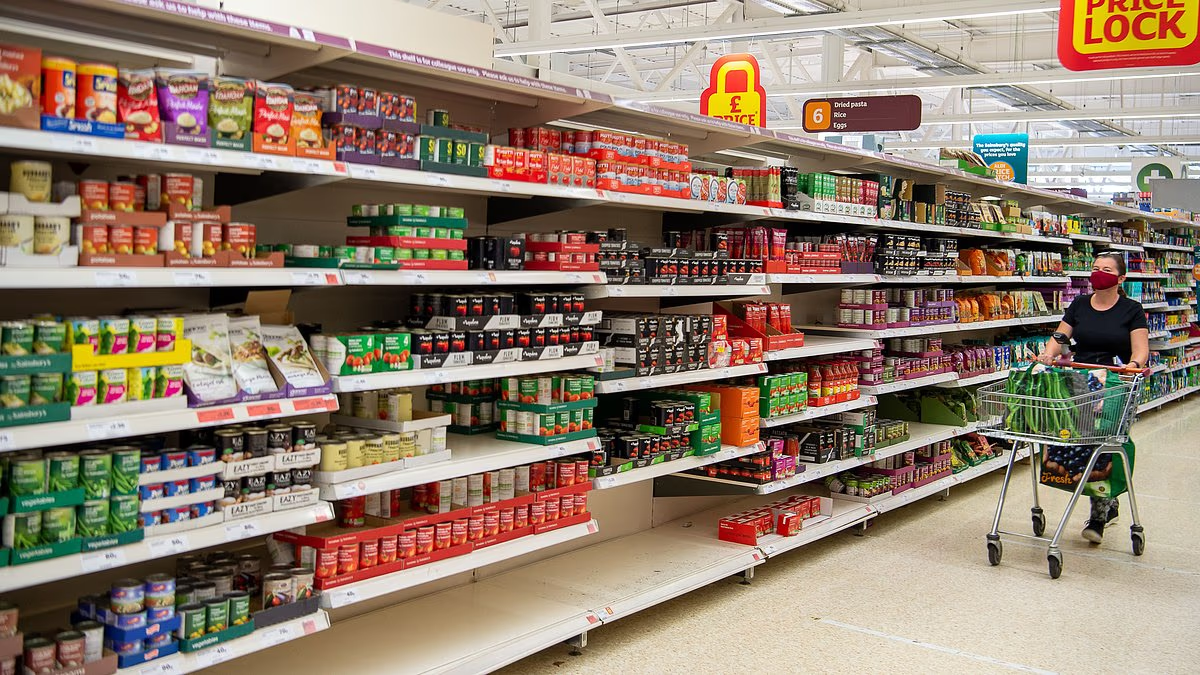
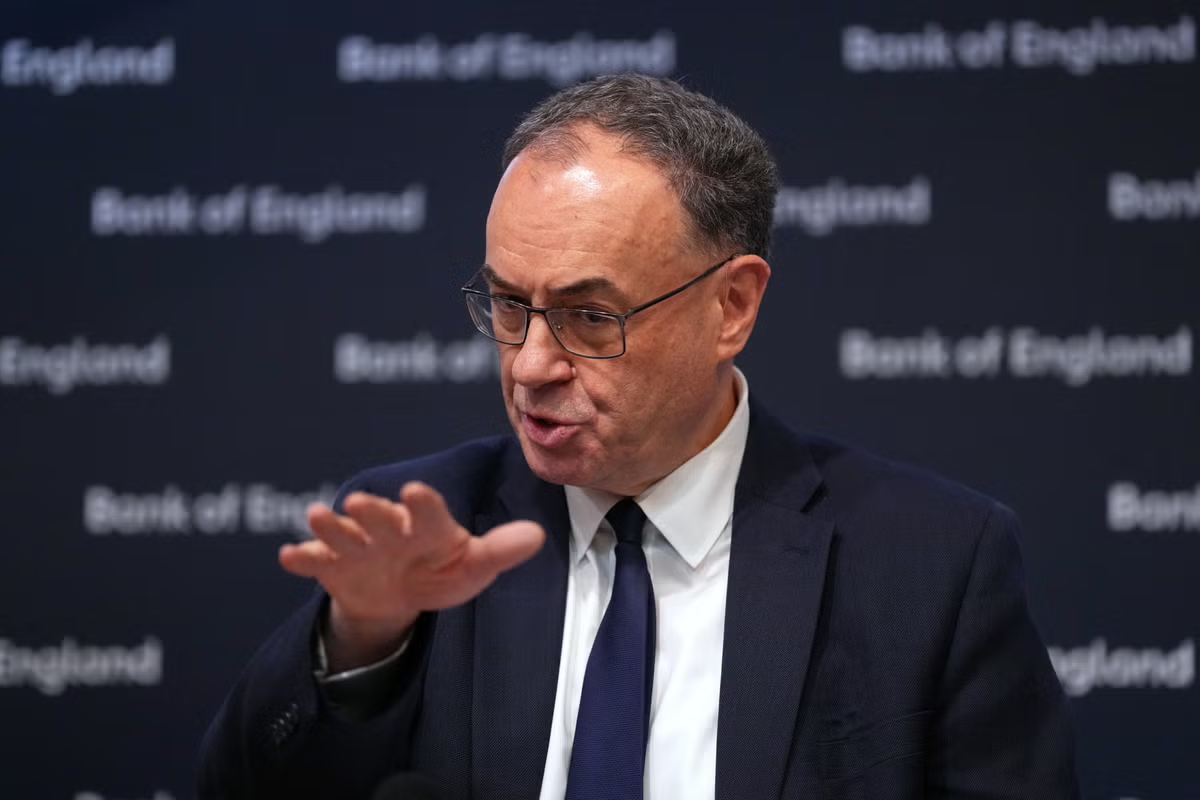
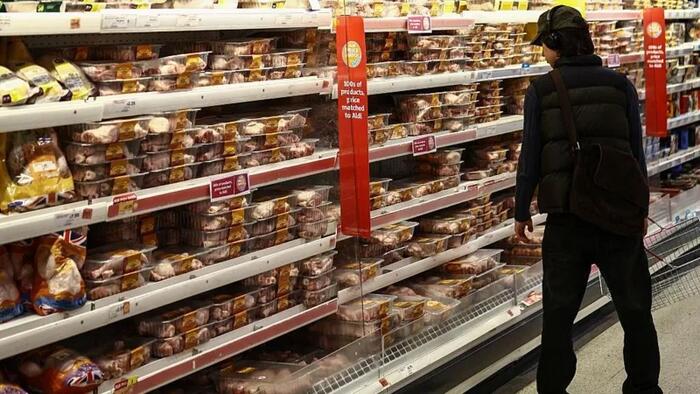
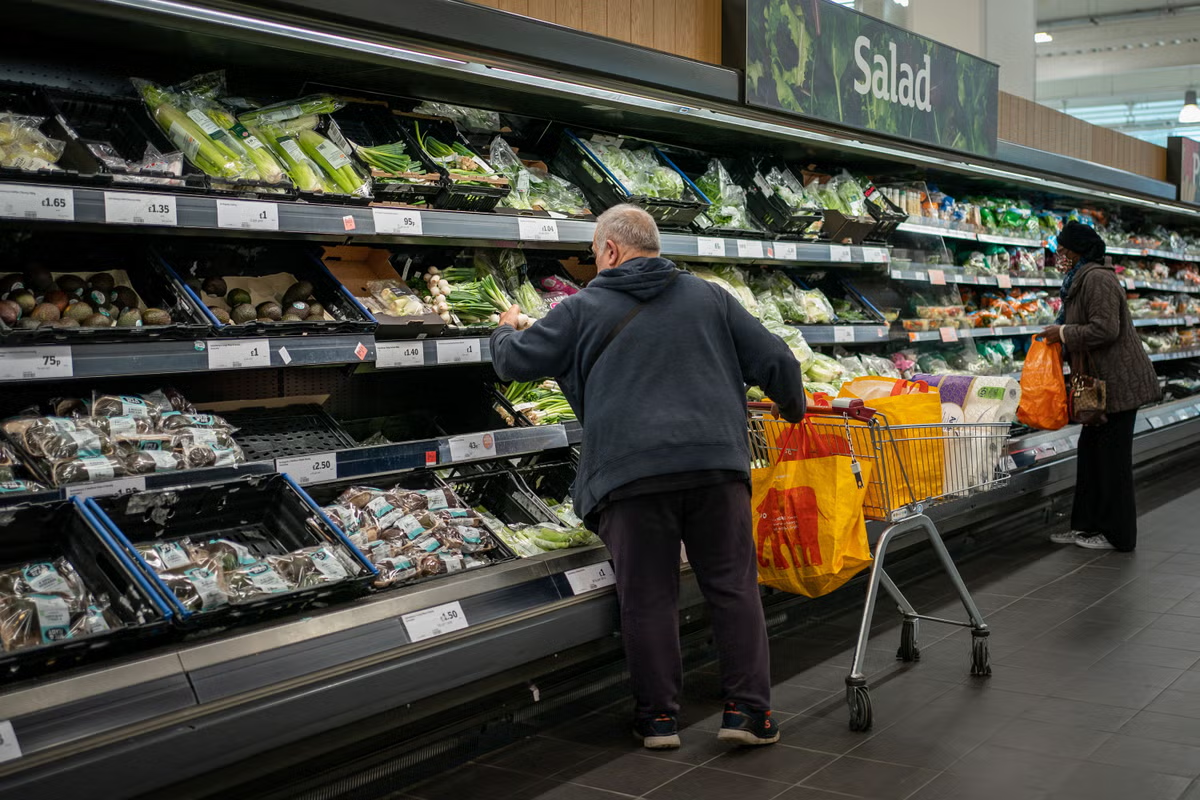
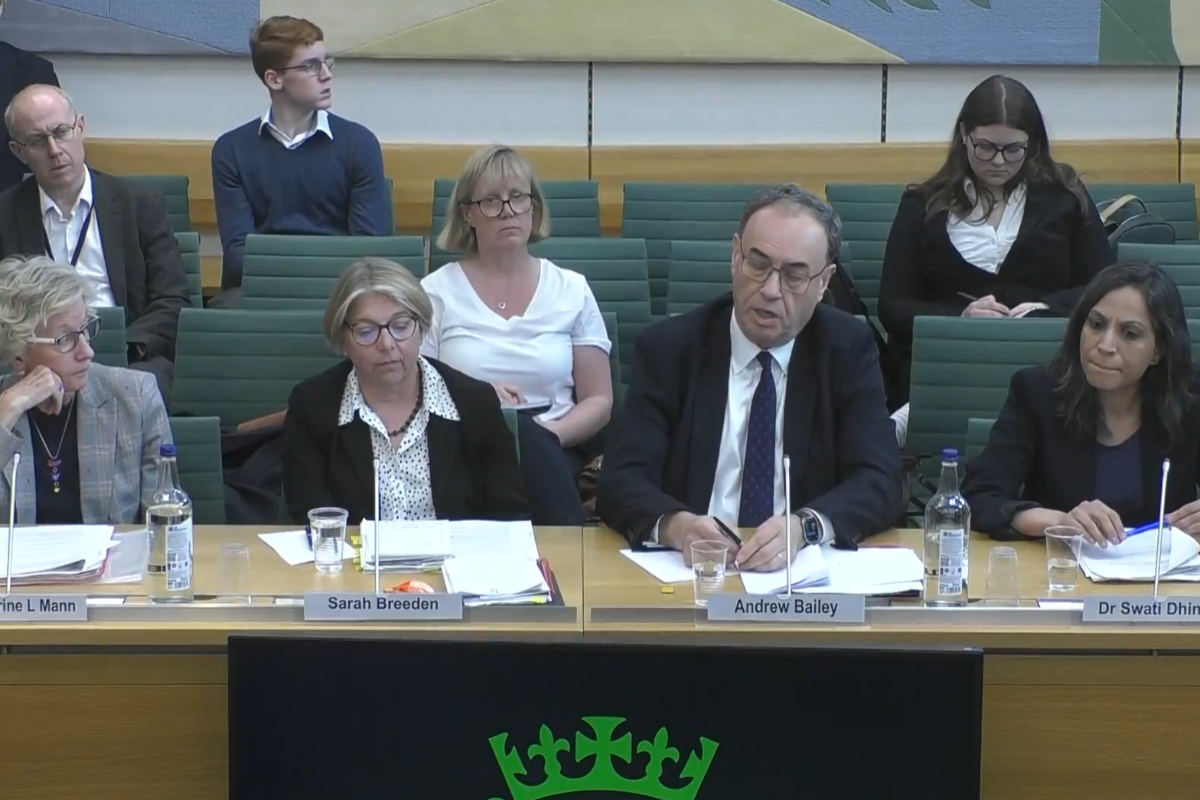
Senior Bank of England officials have warned that price controls on essential goods are not an effective long-term tool to lower the cost of living, after it emerged the Treasury was pushing supermarkets to commit to cap prices of consumer staples.Speaking at a Treasury Committee appearance, governor Andrew Bailey told MPs that controlling the price of household essentials centrally is “not a sustainable thing in the long run” because it is essentially “artificially moving prices relative to costs”.Bailey’s remarks were echoed by fellow Monetary Policy Committee member Swati Dhingra, who said that while many countries have tried to put a ceiling on staple prices, they have rarely worked and needed “a lot of caution”.“I grew up with price controls on food all my life,” she said. “That story to some degree was very successful in being able to cure famine and poverty. But at the same time it has ended up creating a highly distorted agricultural sector in India. Do it with a lot of caution and a lot of thinking behind what it is trying to target.”The central bank officials were speaking after it emerged that the Treasury was pushing supermarket bosses introduce caps on core goods like bread, eggs and milk to minimise the impact of the Iran war on households. According to leaked talks between major retailers and the government, the Chancellor’s officials had dangled the prospect of axing packaging taxes and reducing the threat of incoming regulation, in return for a commitment to keep a lid on price rises. The plans sparked uproar among senior industry figures and economists, with Helen Dickinson, the chief executive of the British Retail Consortium chastising them as “1970s-style price control”. Former Institute for Fiscal Studies boss Paul Johnson said he was “lost for words” at the plan.External Bank of England rate-setter Catherine Mann pointed to the efforts supermarkets were going to keep prices down organically, pointing to the proliferation of price matching labels. “You go into the grocery store today and there’s the little label matching Aldi or matching Lidl, and four years ago, you did not see that type of competition undertaken in grocery stores” she told lawmakers. “If you want to do comparison shopping, it’s right there – you can do it.”Bank of England doesn’t see need for sudden interest rate hikesThe central bank’s officials also played down the need for an aggressive round of interest rate hikes to cope with price pressure set off by the Iran war. Bailey pointed to the recent jumps in financial market interest rates – like mortgages and bonds – as acting as effective rate hikes, which would give the Bank some breathing space to establish its long-term approach.At the beginning of 2026, markets had priced in several interest rate cuts from the Bank of England, with mortgages and short-term bonds all priced to reflect expectations rate-setters were poised to loosen monetary conditions. But the Iran war has caused traders and banks to reassess the interest rate outlook, which has had the effect of constricting policy without the Bank having to act.“That tightening, I think also gives us … some time to assess,” Bailey said.MPC members said their response to the shock remained highly contingent on the scale and duration of the war, and which pockets of the British economy were exposed to shocks.