Get the latest news and updates from Dawn
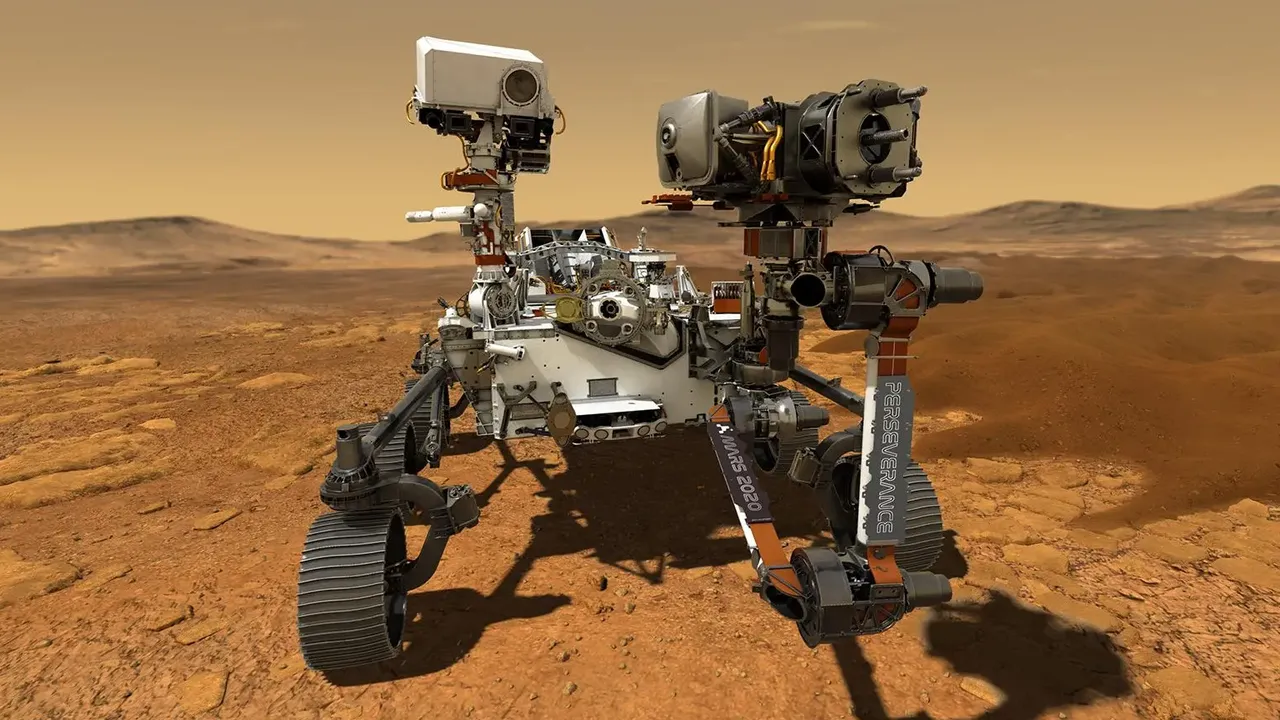
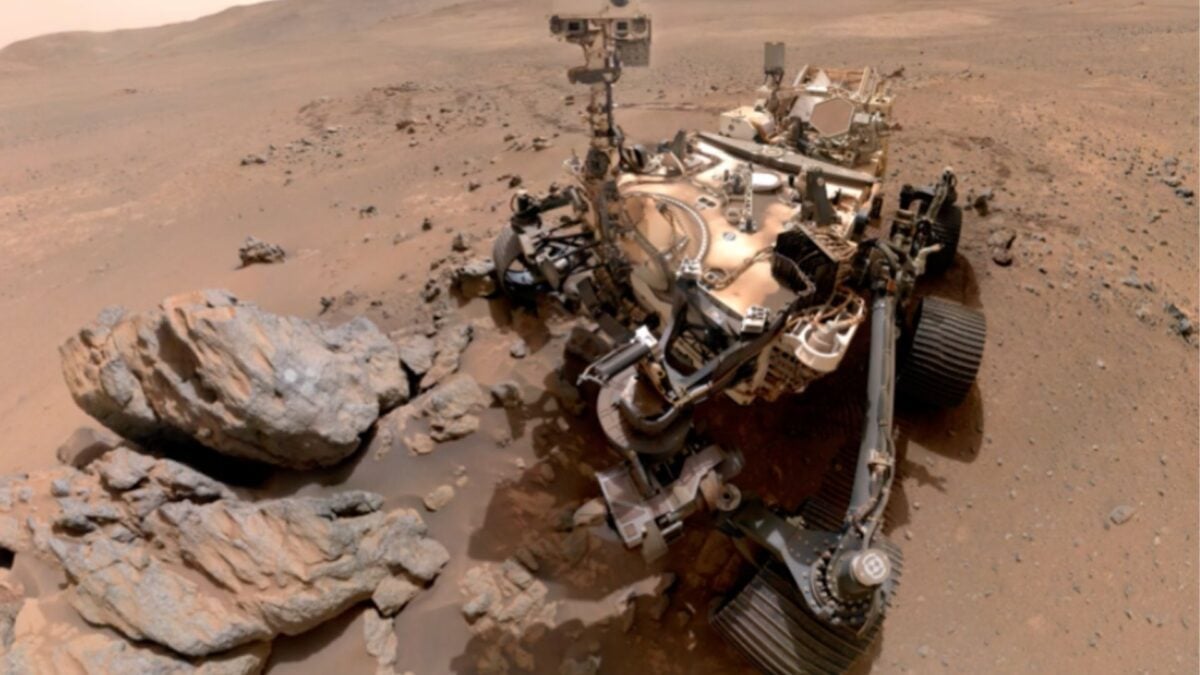
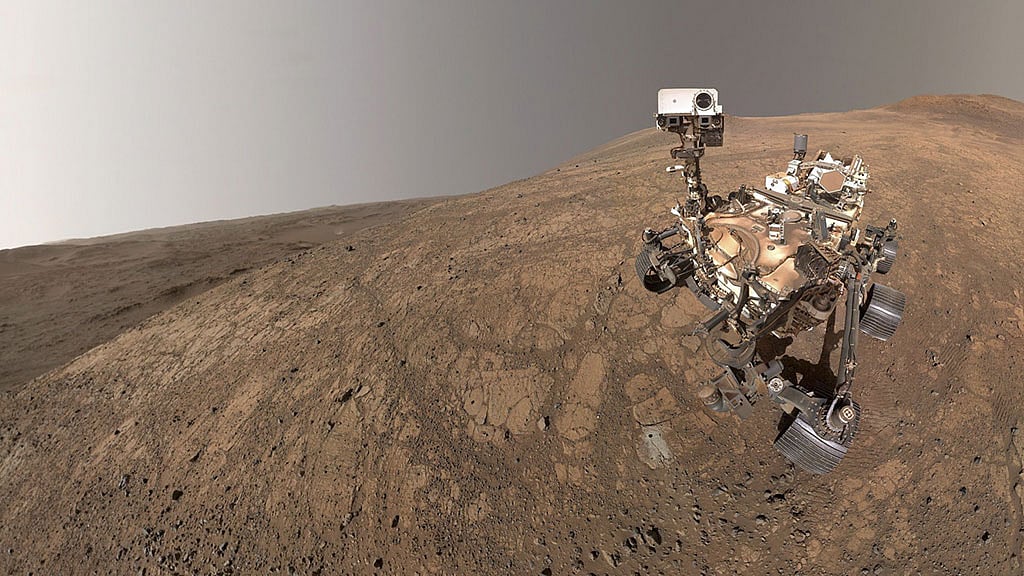
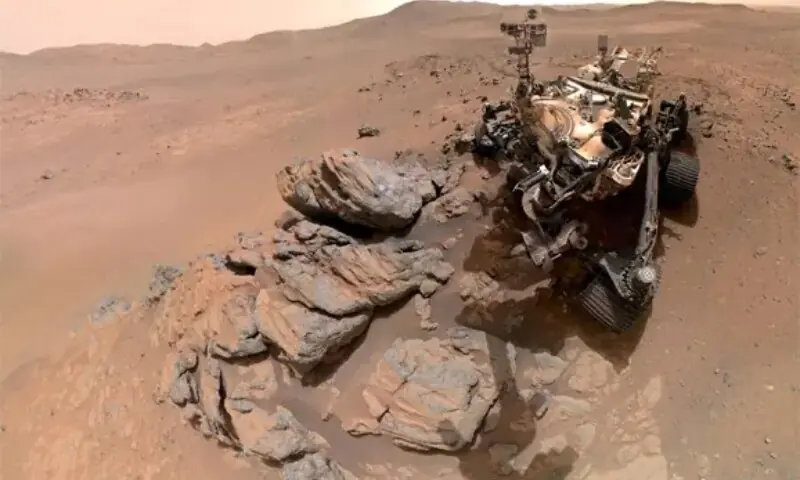
WASHINGTON: For Nasa’s Perseverance Rover, life on Mars has been a marathon, not a sprint. For more than five years, the six-wheeled robotic explorer has been steadily traversing the Martian surface seeking signs of ancient life, studying its geology and climate, and collecting rock samples for possible return to Earth.
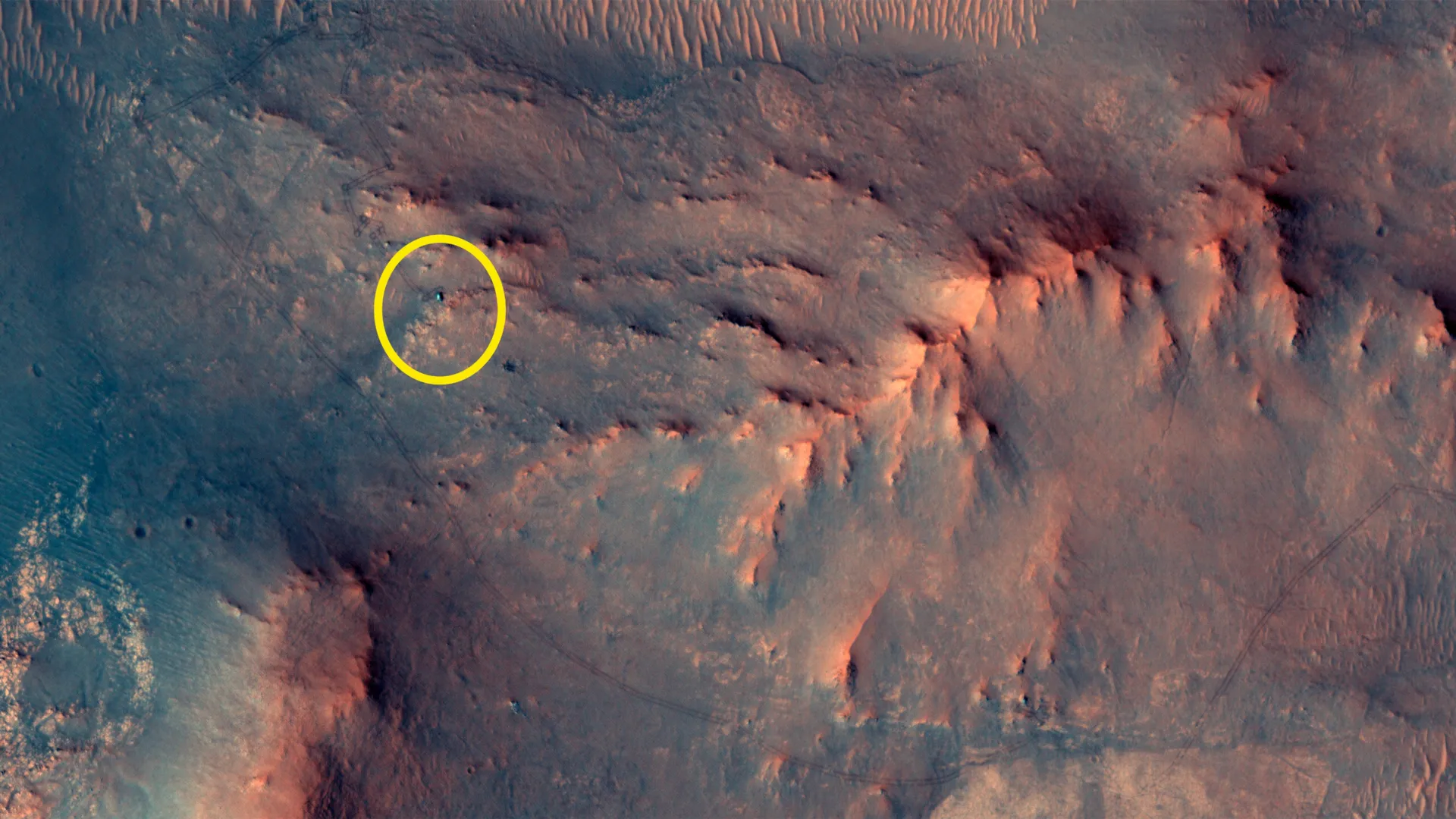
The rover has now traveled 26.09 miles, just shy of the official marathon distance of 26.22 miles, and, according to Perseverance mission manager Robert Hogg, it will exceed that distance likely in the next month.
The car-sized rover landed on February 18, 2021, with a mission duration initially planned to last one Martian year, about 687 Earth days. “The rover continues in good health with at least a decade left in its power source. The duration of the mission will depend on choices Nasa makes,” Ken Farley, Perseverance’s deputy project scientist at Caltech, said in comments.
Perseverance, toting a suite of scientific instruments, has operated in and around Jezero Crater, an area in the Martian northern hemisphere believed to have been flooded with water and home to an ancient lake basin. Among various water-related features, it exhibits an ancient fan-shaped sedimentary deposit where a river flowed into a lake more than three billion years ago.