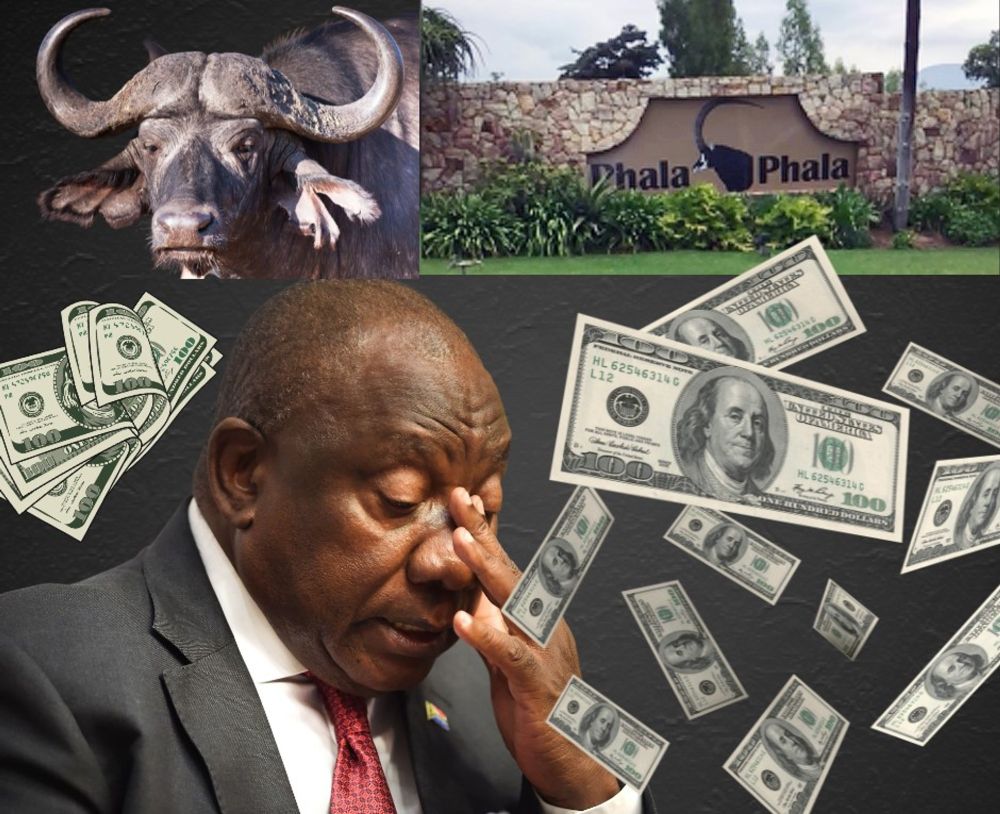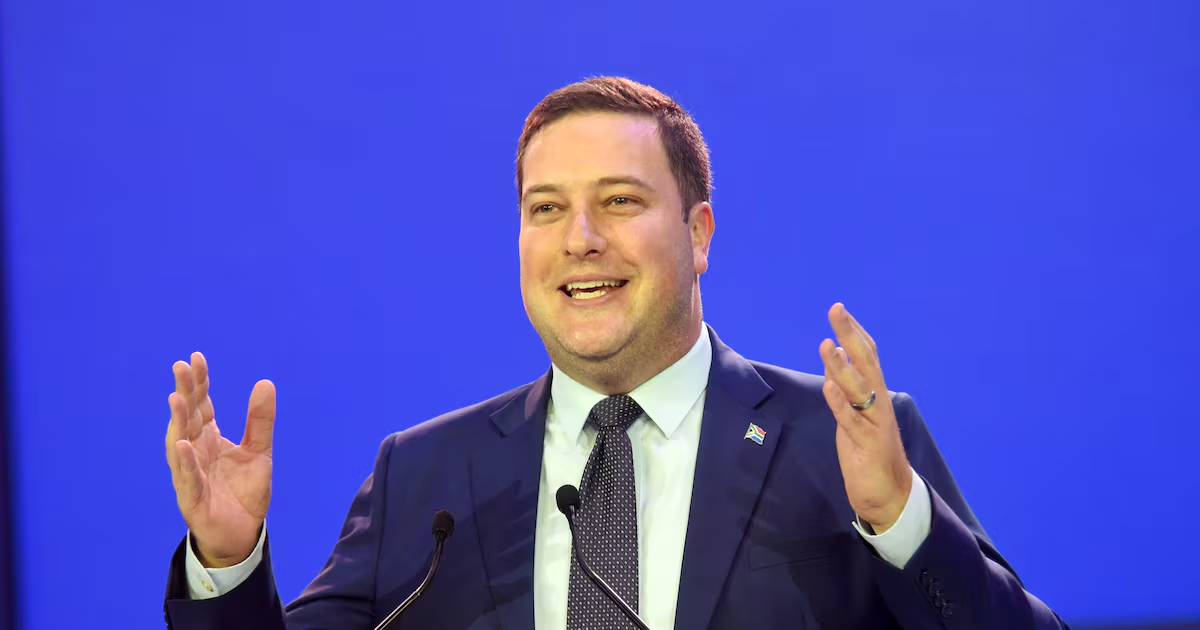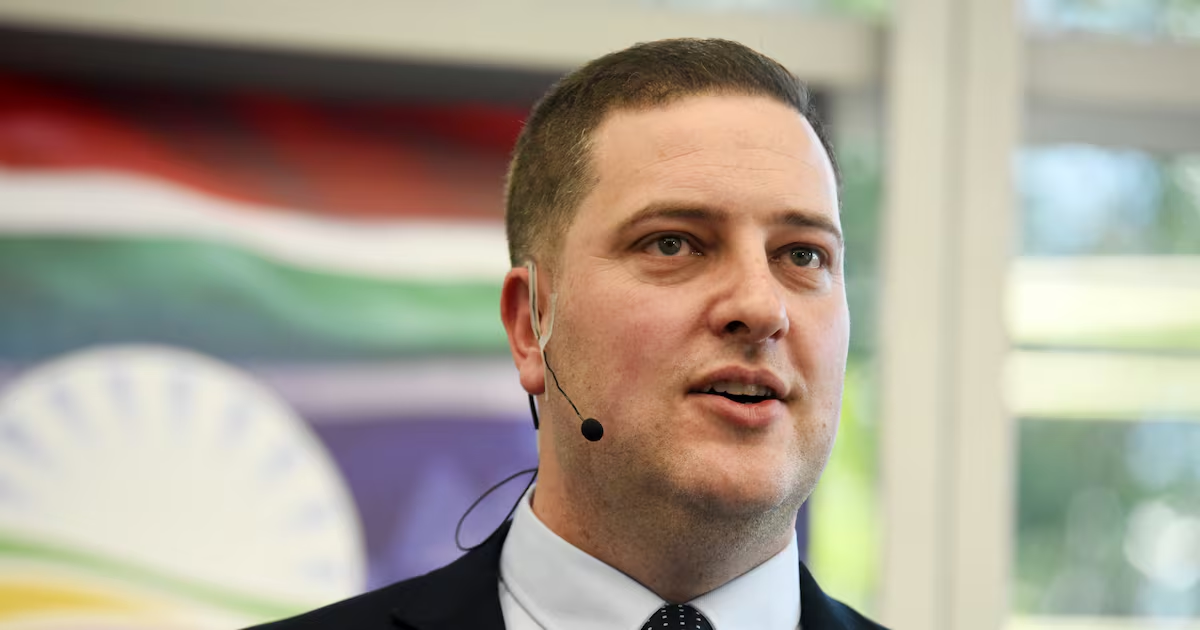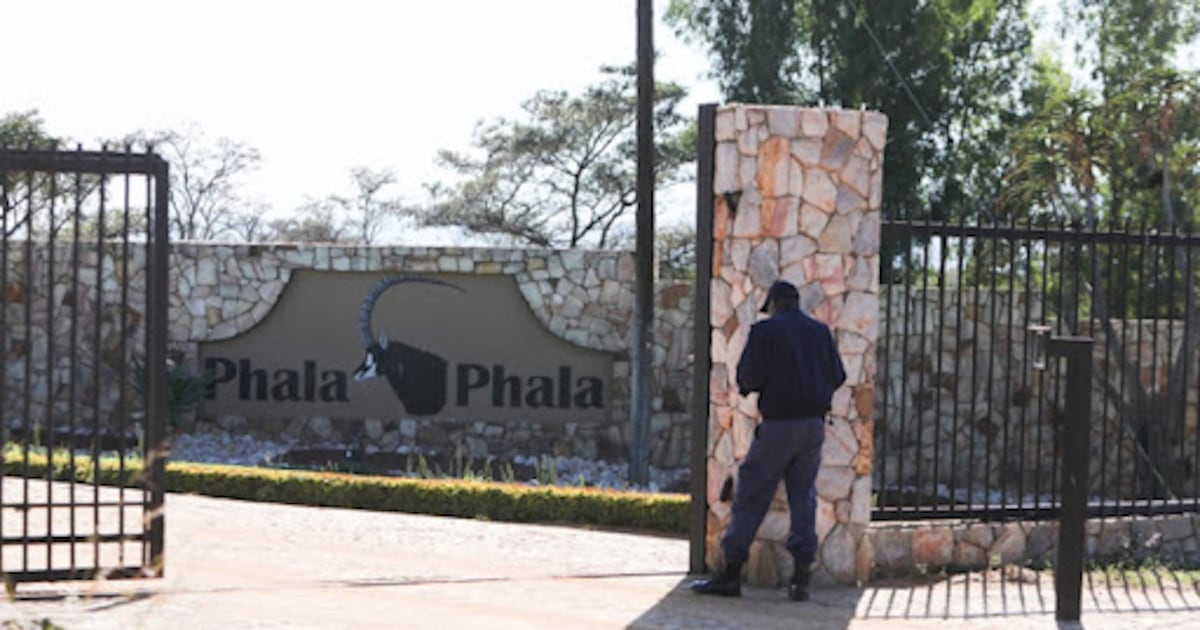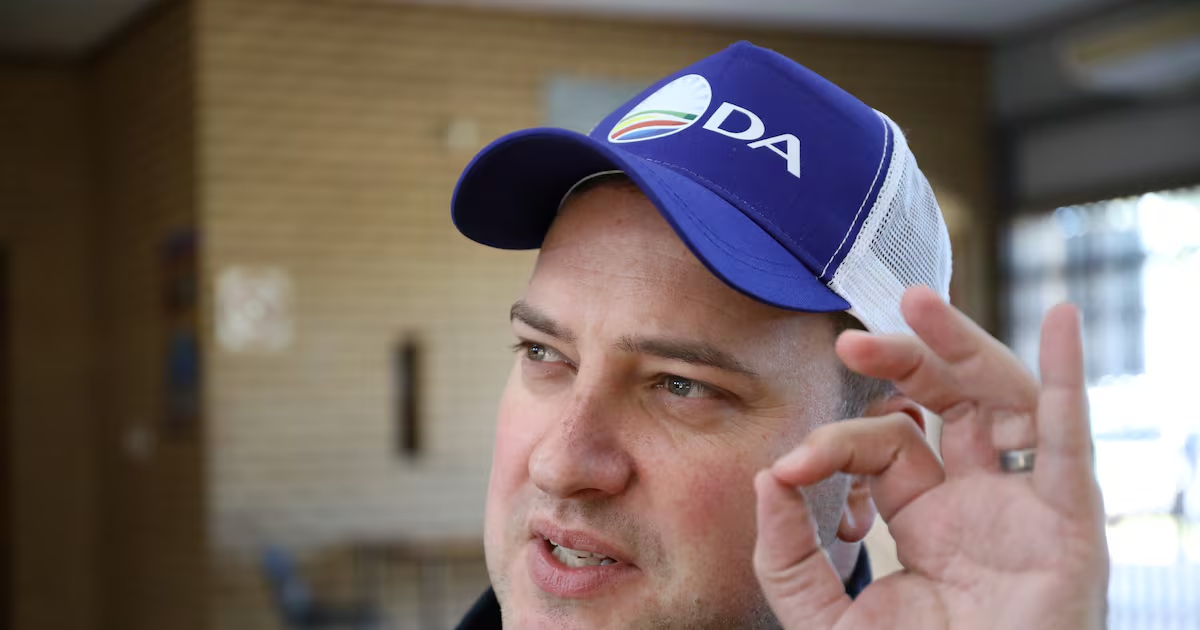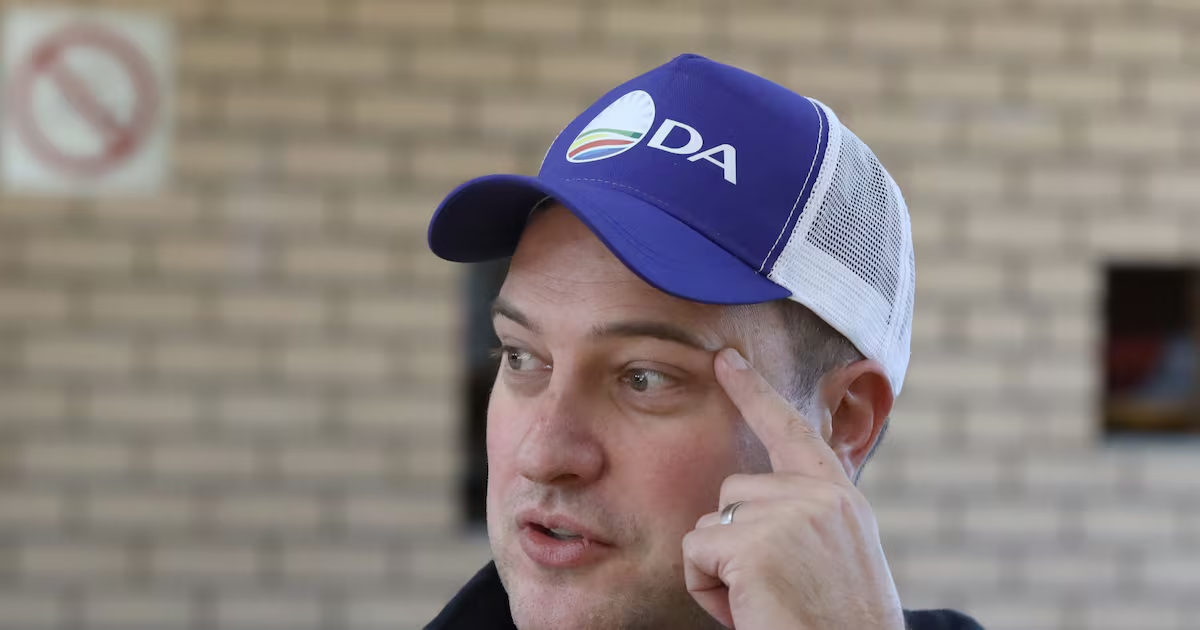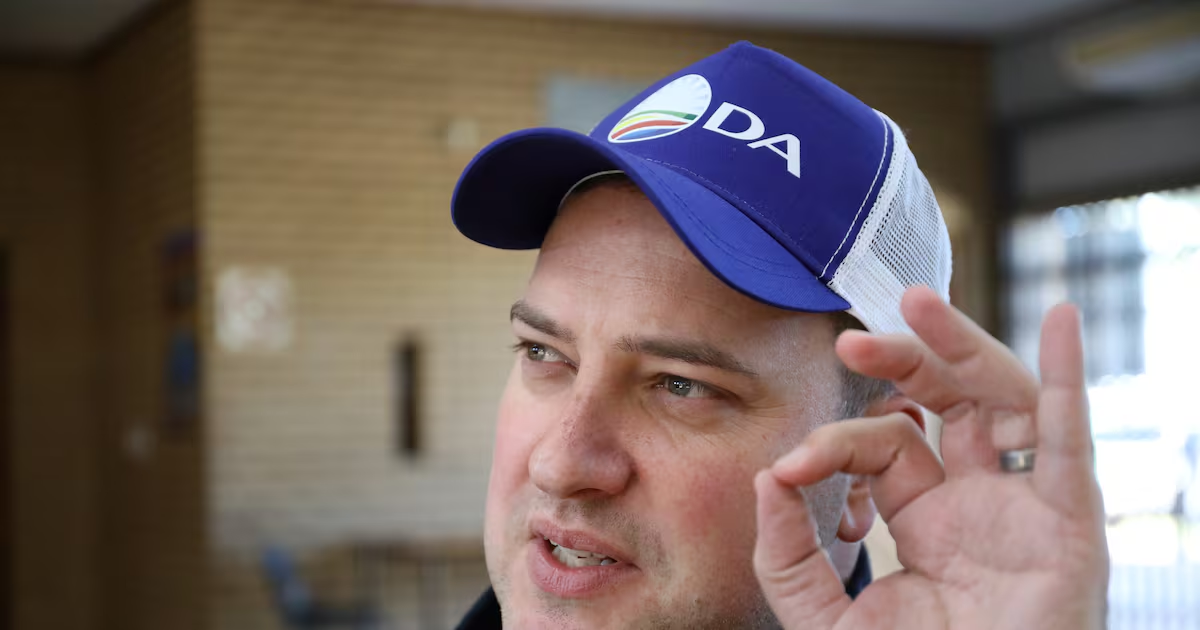
South Africa has a way of going quiet in anxious times. Just for a start, the president is fighting in the courts to derail a parliamentary process that could result in his impeachment.And consider:The president is fighting in the courts to derail a parliamentary process that could result in his impeachment; After a new period of good fortune was being heralded at the end of 2025, first-quarter 2026 unemployment in the country rose 4.1% to 32.7%. The number of unemployed people rose by more than 300,000. The expanded unemployment rate, which includes people no longer bothering to look for work, rose from a staggering 42.1% to an even more staggering 43.7%. As the US-Israeli war on Iran drags on, diesel now costs 60% more than it did two months ago. Inflation sped up to 4% in April, from 3.1% in March, smashing the Reserve Bank’s effective new 3% target and making interest rate cuts this year impossible. Eskom has warned the City of Johannesburg it will begin to cut power supply to South Africa’s biggest city until it begins to repay its R6.4bn electricity debt. Amid all of this the leadership of the country is distracted. President Cyril Ramaphosa, desperate to hold his fractious ANC together, has leapt upon growing frustration with his government’s BEE policies by defending them with increasing passion. Critics of BEE, he says, “should hang their heads in shame”, citing BEE in the mining industry as an example of how BEE encourages growth. There are indeed positives out of BEE, but mining isn’t one of them. Mining accounts for just 6% of our GDP. In the early ’90s, before BEE, it was closer to 20%. Employment in mining has dropped some 40% over the same period. Economic growth, in mining as in anything else, is driven by investment, mainly gross fixed capital formation (GFCF, infrastructure mainly). Currently our GFCF is around 15%, half of what Ramaphosa’s own National Development Plan targets for 2030. In fact, Ramaphosa’s most recent investment conference targeted a GFCF of less than 10% of GDP for the next five years. Like US President Donald Trump, Ramaphosa is addicted to large numbers and not percentages — his latest target is R1.5-trillion (which he arbitrarily increased to R2-trillion in the middle of his March conference). Since 2019, GFCF in mining has fallen by about 10%, one of the weakest performances of any sector. None of which will stop Ramaphosa deliberately conflating racial transformation with economic growth. Politically, it makes sense, and BEE has almost certainly contributed towards the growth of a black middle class in South Africa, which is obviously a good thing. But apart from it changing the colour of business leadership, I have yet to see a shred of evidence that BEE attracts hard currency fixed investments into South Africa. Nonetheless, Ramaphosa’s perilous political position has business scrambling. Should he go, we have deputy president Paul Mashatile as the most likely successor, a prospect routinely greeted with horror. But we may have to learn to deal with it. The new DA leader, Cape Town mayor Geordin Hill-Lewis, is reportedly being inundated with calls from business leaders urging him to protect Ramaphosa from impeachment, which he could do with the DA votes in parliament, provided the ANC fully backs its leader should it ever come to a vote. I doubt it will somehow, but it’s not unfair to say that the DA has been quiet in the month since Hill-Lewis became leader. He has made the right noises on corruption and Phala Phala, but I would have hoped by now for some important speeches on the way forward. The DA has tried to interest parliament in a policy it developed last year to replace BEE, but it is a complicated alternative that does not readily lend itself to headlines and barnstorming, both of which the DA needs if it is to stand out as a real alternative to the ANC even as it remains inside the government of national unity. I’d like to see Hill-Lewis make four big speeches ― on the economy, land, foreign policy and, yes, mining. Minerals minister Gwede Mantashe says he is going to go and check things out himself in the Strait of Hormuz.By the time he returns ― hopefully in one piece (we need him for the laughs) ― with the help of some great speechwriters Hill-Lewis should have told us how he plans to deregulate the entire economy, put 1-million people onto land they can own (the state owns 2.5-million hectares of previously farmed land), make South Africa truly nonaligned and open up mining here to the world again. • Bruce is a former editor of Business Day and the Financial Mail.
PETER BRUCE | Time for the DA’s Hill-Lewis to set bold agenda
Hill-Lewis needs to make big speeches on the economy, land, foreign policy and mining
786 words~4 min read