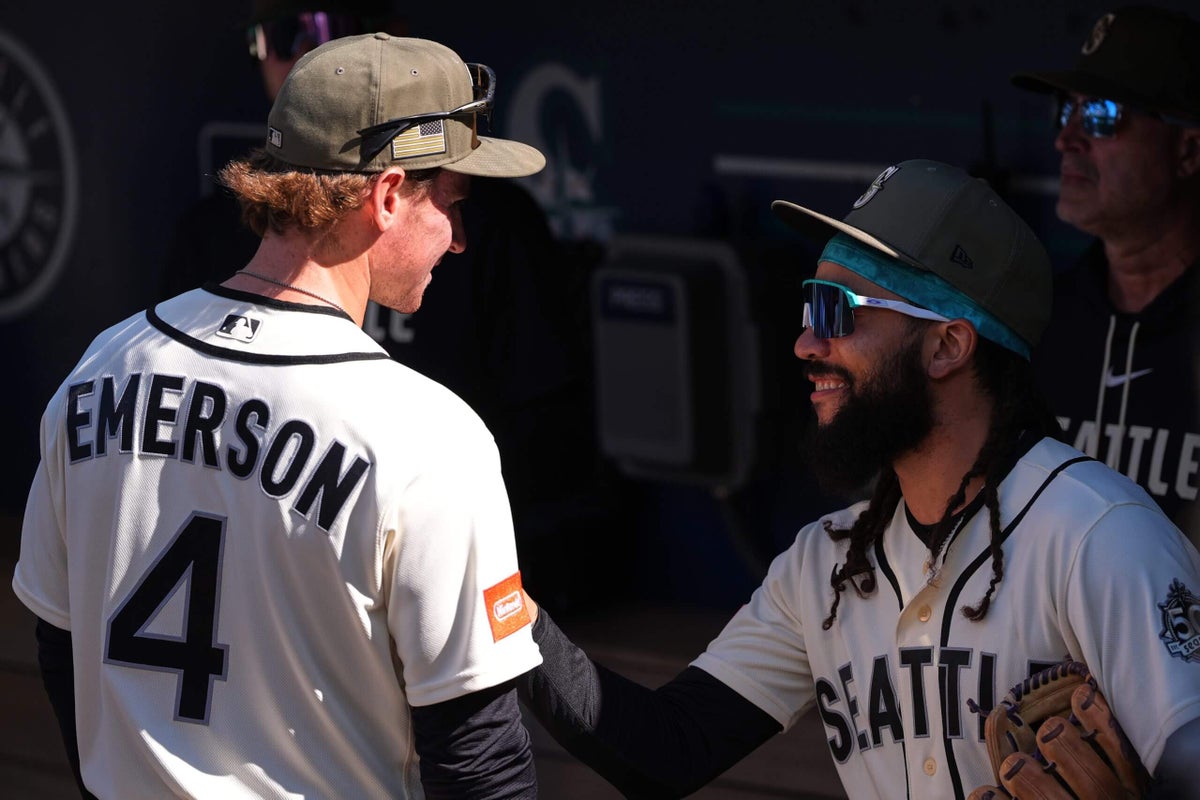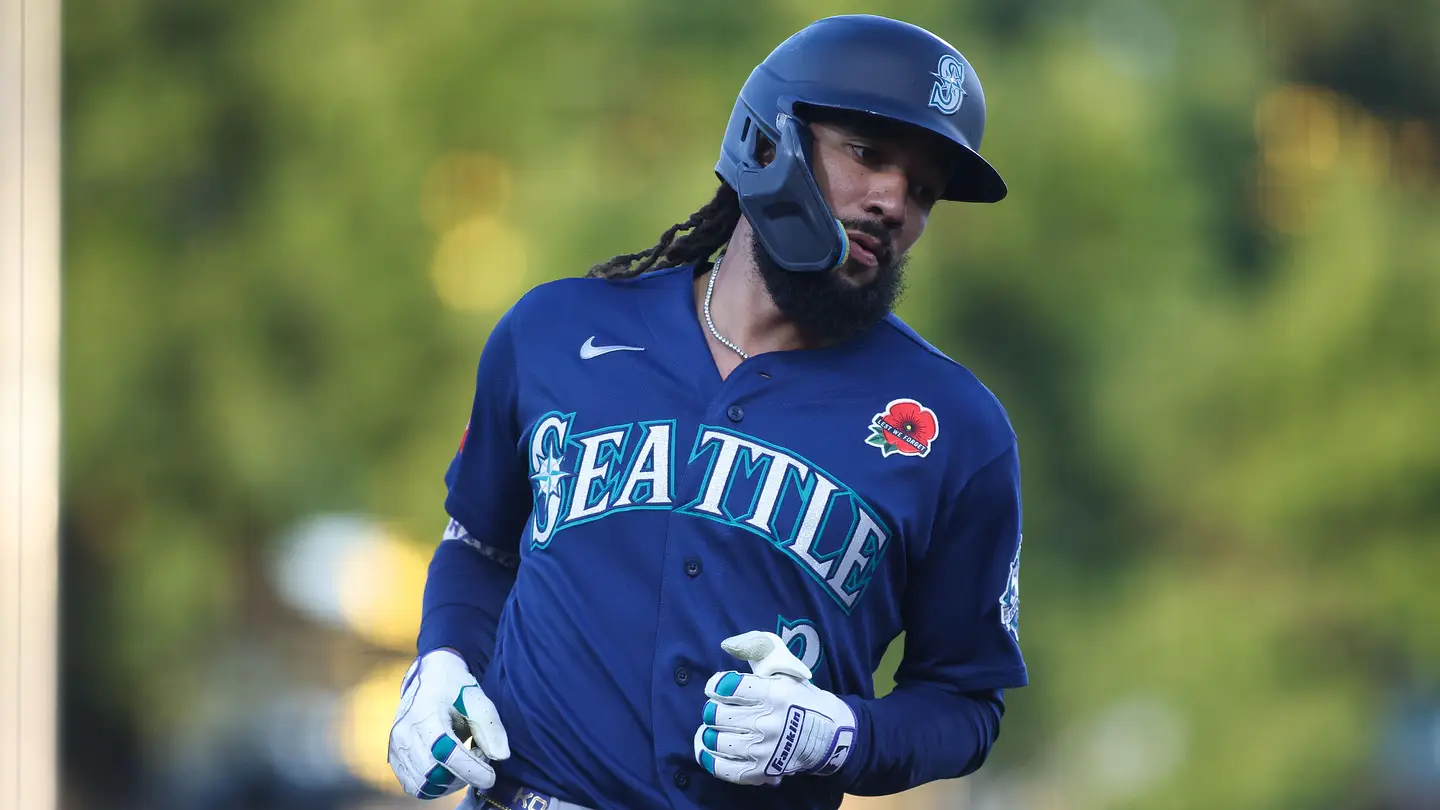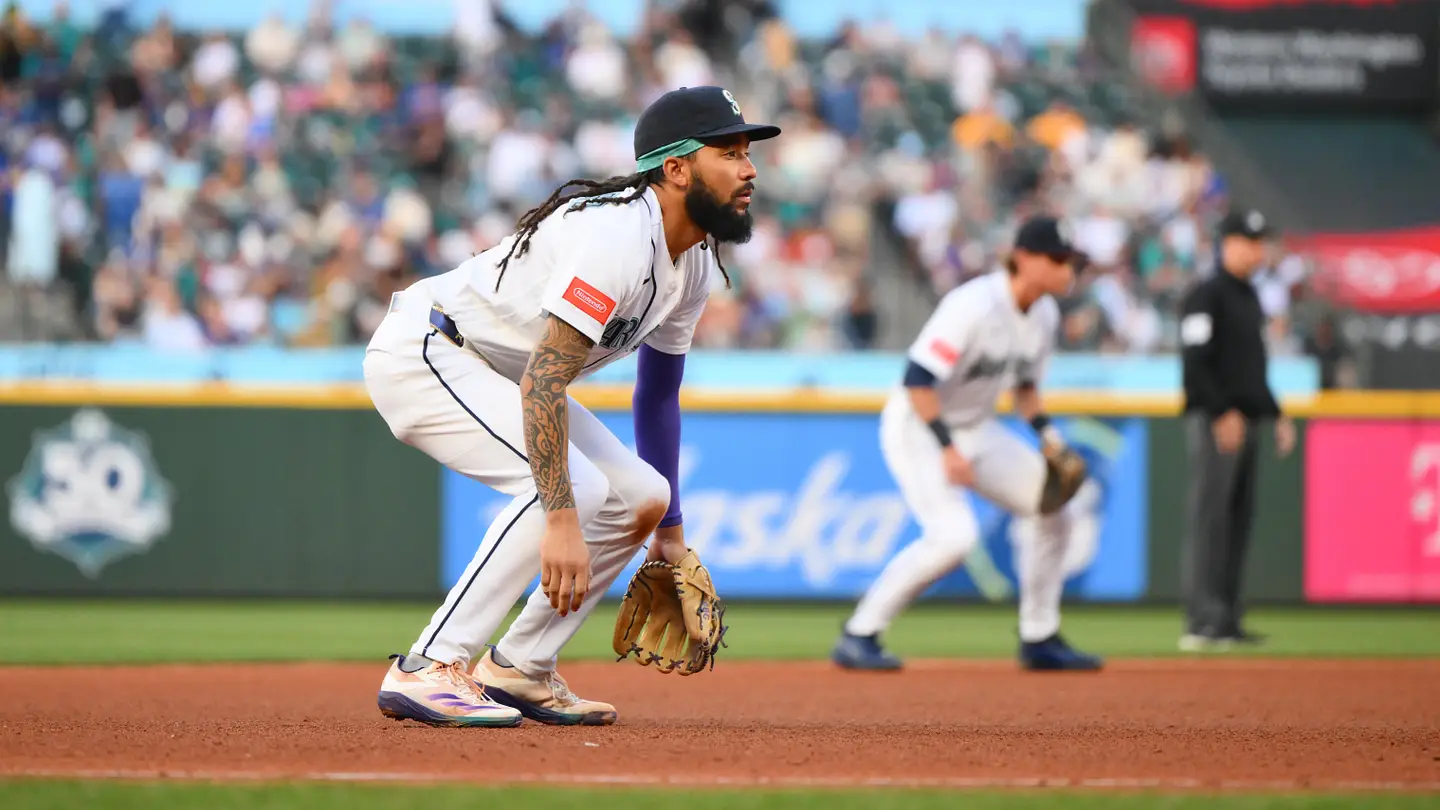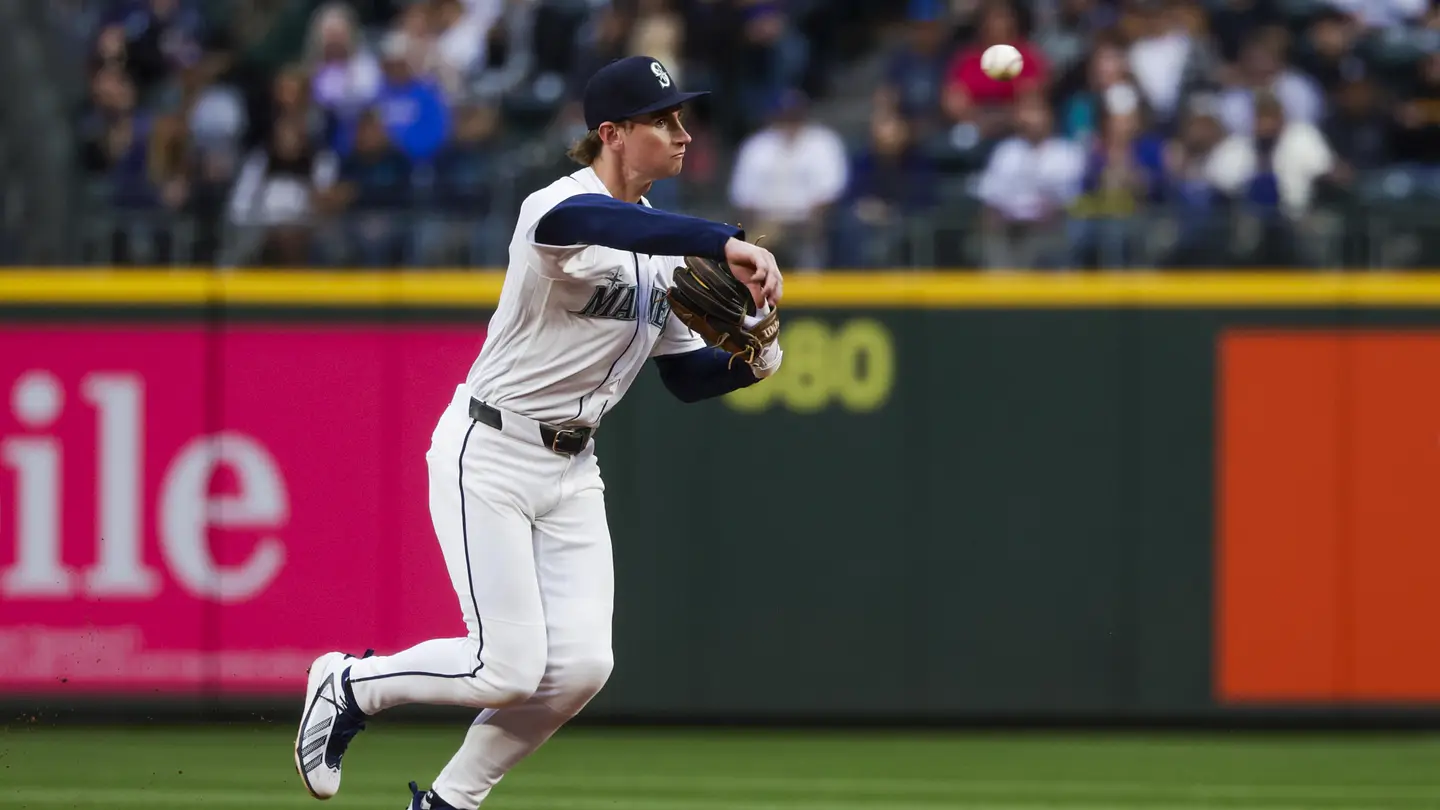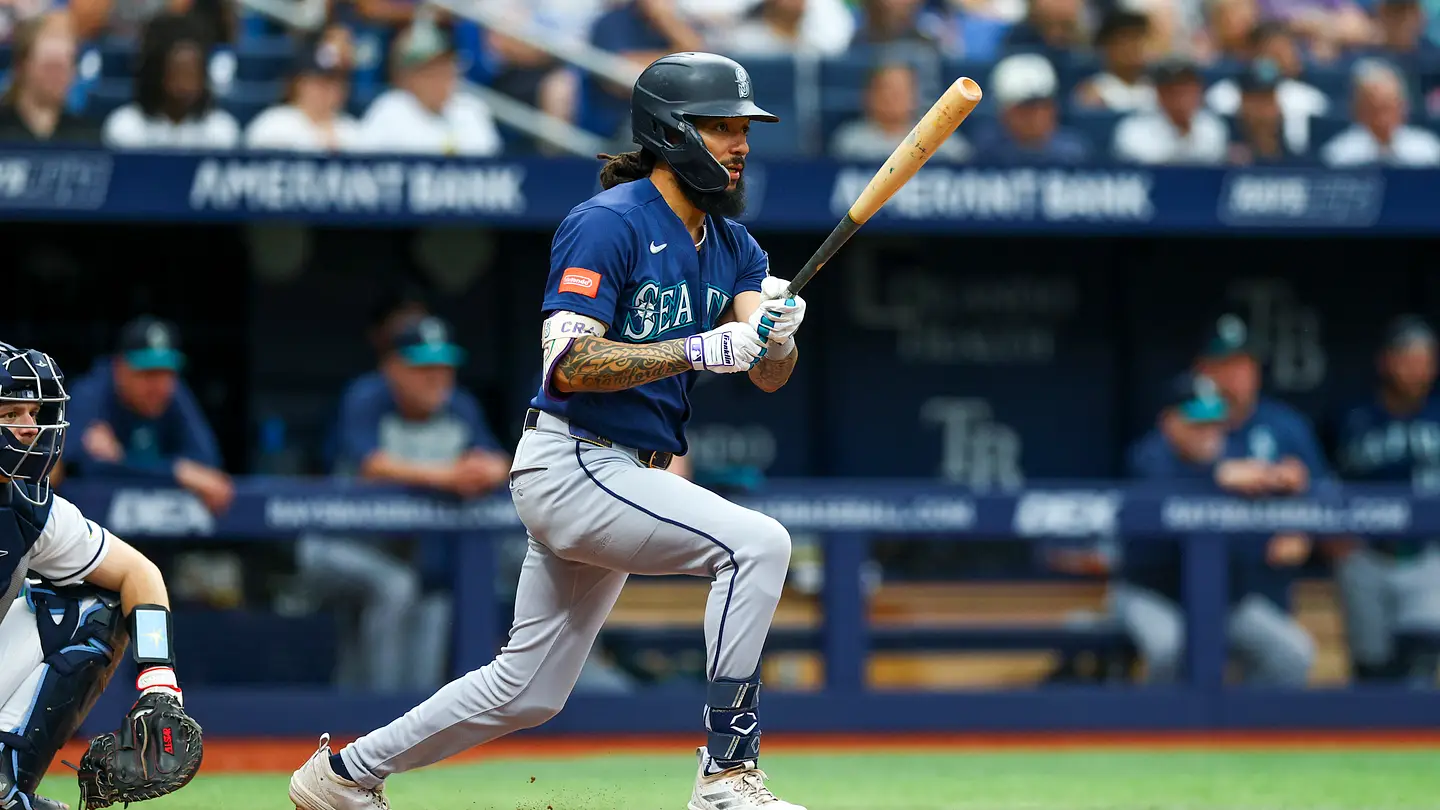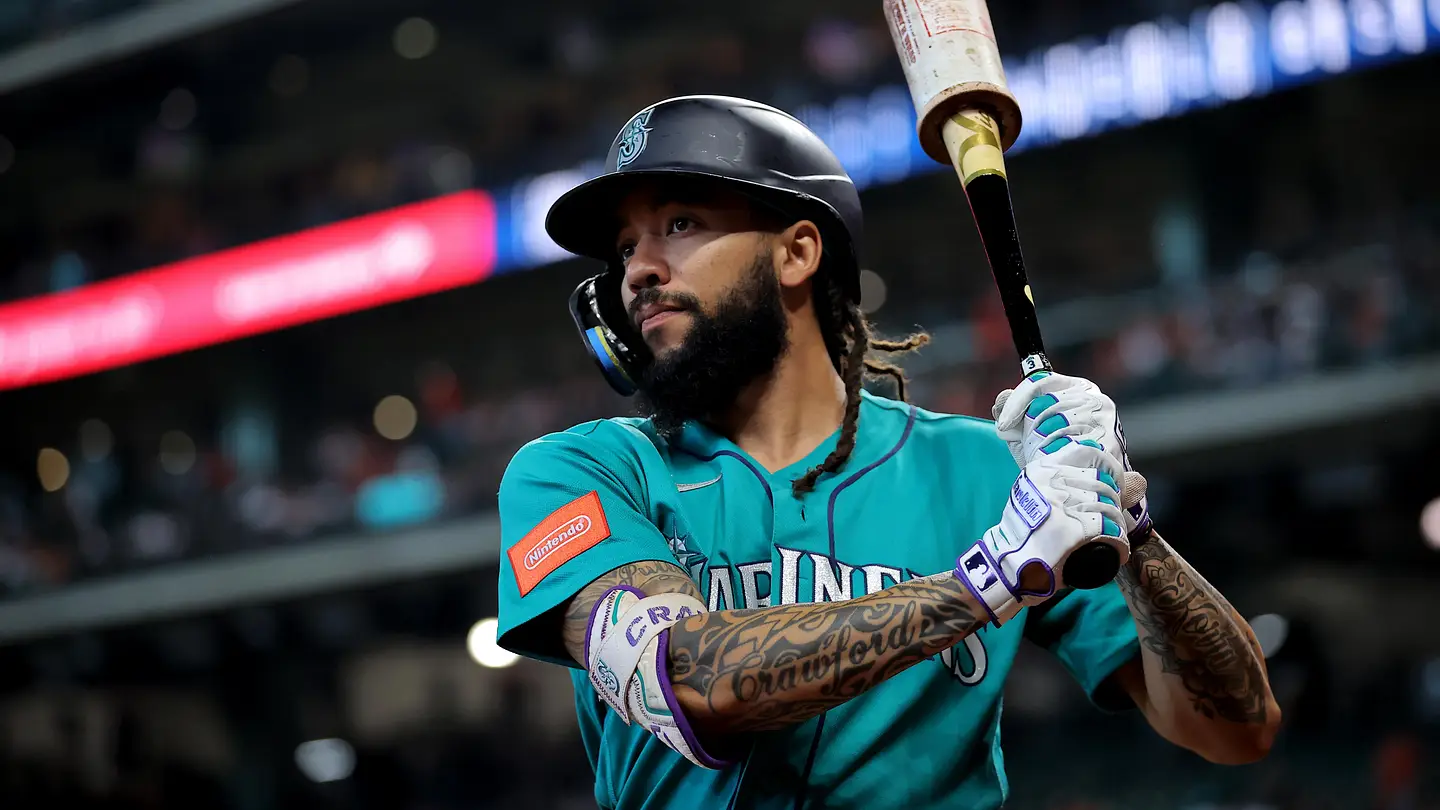
J.P. Crawford could have made this weird for the Mariners. He didn’t, because he’s a professional. For all the outside noise about an inevitable changing of the guard at shortstop, very little of that has ever come from Crawford himself. The speculation has lived mostly around the team, from media coverage to fan discussion, while Crawford has only been outwardly supportive of Colt Emerson.He never said the wrong thing. He never turned Emerson’s arrival into a public issue. And he easily could have sat back and let Seattle figure out the uncomfortable part of this transition on its own.Crawford has been the Mariners’ shortstop for eight seasons. He’s the longest-tenured player on the roster, a former Gold Glove winner and still one of Seattle’s more useful offensive players because he gets on base and controls the strike zone.So when Emerson arrived, Crawford didn’t have to be the one helping clear the runway.Instead, according to The Seattle Times, Crawford approached manager Dan Wilson with an idea after Emerson arrived. If the Mariners needed him to play third base, Crawford was willing to give it a try. That’s about as selfless as it gets in this sport. It’s one thing to say the right stuff about a young player. It is another to voluntarily open the door for him at your own position.The Mariners are staring at a transition that was always coming. Seattle has been open about the long-term plan for Emerson at shortstop. His arrival was always going to force a bigger conversation.Crawford made sure that conversation was less uncomfortable.JP Crawford is taking ground balls at third base and Colt Emerson is taking them at shortstop. pic.twitter.com/oJC182g3Oa— Ryan Divish (@RyanDivish) May 20, 2026J.P. Crawford’s Team-First Approach Helps Mariners Manage Colt Emerson’s ArrivalEmerson already has enough to handle. He’s 20 years old, trying to adjust to major league pitching while joining a team that is very much trying to win now. No matter how much the Mariners talk about development, patience and giving him runway, Emerson is naturally trying to prove himself quickly. He has to show he can be more than an exciting new bat in the lineup.It wouldn’t be fair to make Emerson carry the idea that he pushed a respected veteran out of the way. Crawford’s approach helps prevent that. By volunteering to try third base, he changes the entire feel of the moment. Emerson’s move to shortstop doesn’t have to read like a cold organizational shove.It can look like what it probably should be, which is a team trying to find its best alignment while a veteran leader helps absorb the friction.We are not in Crawford’s mind, and we shouldn’t pretend that we are. But it’s fair to say what has been obvious in only a brief look at Emerson at shortstop. His range pops immediately. There are balls in play, just off the eye test, that Emerson looks capable of reaching because of how quickly he moves, how fluidly he closes space and how natural the actions look.Crawford doesn’t need to be framed as the problem for Emerson’s range to look like part of the solution.Crawford has meant a lot to the Mariners at shortstop. He has also reached a point where the defensive conversation cannot be brushed aside. The advanced metrics have not loved his work there this season, and even without drowning the discussion in numbers, the larger point is pretty easy to understand. Emerson gives Seattle a different level of athleticism at the position.The tricky part is what happens if Crawford actually moves to third. There’s plenty to like about the idea in theory. His hands should play there. So should his instincts, his feel for the game and the baseball IQ that has helped him hold down shortstop for this long. Crawford is not the kind of defender the Mariners are trying to hide somewhere. If they follow through with him learning third base, there’s enough in his game to believe he can handle the speed and rhythm of the position.The biggest concern is the arm. That was already true before Crawford started dealing with soreness in his throwing arm after being hit by pitches. Third base asks for a different kind of throw than shortstop. Crawford’s arm strength has already graded well below league average at shortstop, so asking him to move to third base is not as simple as trusting the rest of his defensive skill set to travel. The Mariners’ infield hasn’t exactly been overflowing with big arms, either. Josh Naylor, somewhat hilariously, has had the strongest arm of any Seattle infielder this season while playing first base. Most of Seattle’s infield has to win with clean footwork, good decisions and accurate throws, not overwhelming arm strength.That just means the Mariners would have to be realistic about what the move asks of him.But Crawford making himself available gives the Mariners options they didn’t have before. It lets Emerson get real time at shortstop. And it gives Seattle a way to keep Crawford’s on-base ability in the lineup. It also creates a cleaner path for Brendan Donovan to return as more of a movable piece whenever he gets healthy, instead of forcing every roster conversation into one rigid position-by-position box.The Mariners are in that strange middle ground where the future is not really the future anymore. Emerson is here. Crawford still has an important role. Donovan has to fit somewhere when he comes back. And Seattle is trying to win games right now, which means this cannot just be treated like a player-development exercise. Things can get awkward fast if the wrong people make it awkward.Crawford is trying to help Seattle thread that needle.Add us as a preferred source on GoogleFollow
J.P. Crawford’s Leadership Gives Mariners’ Colt Emerson Transition a Softer Landing
J.P. Crawford could have made this weird for the Mariners. He didn’t, because he’s a professional. For all the outside noise about an inevitable changing of the
951 words~4 min read