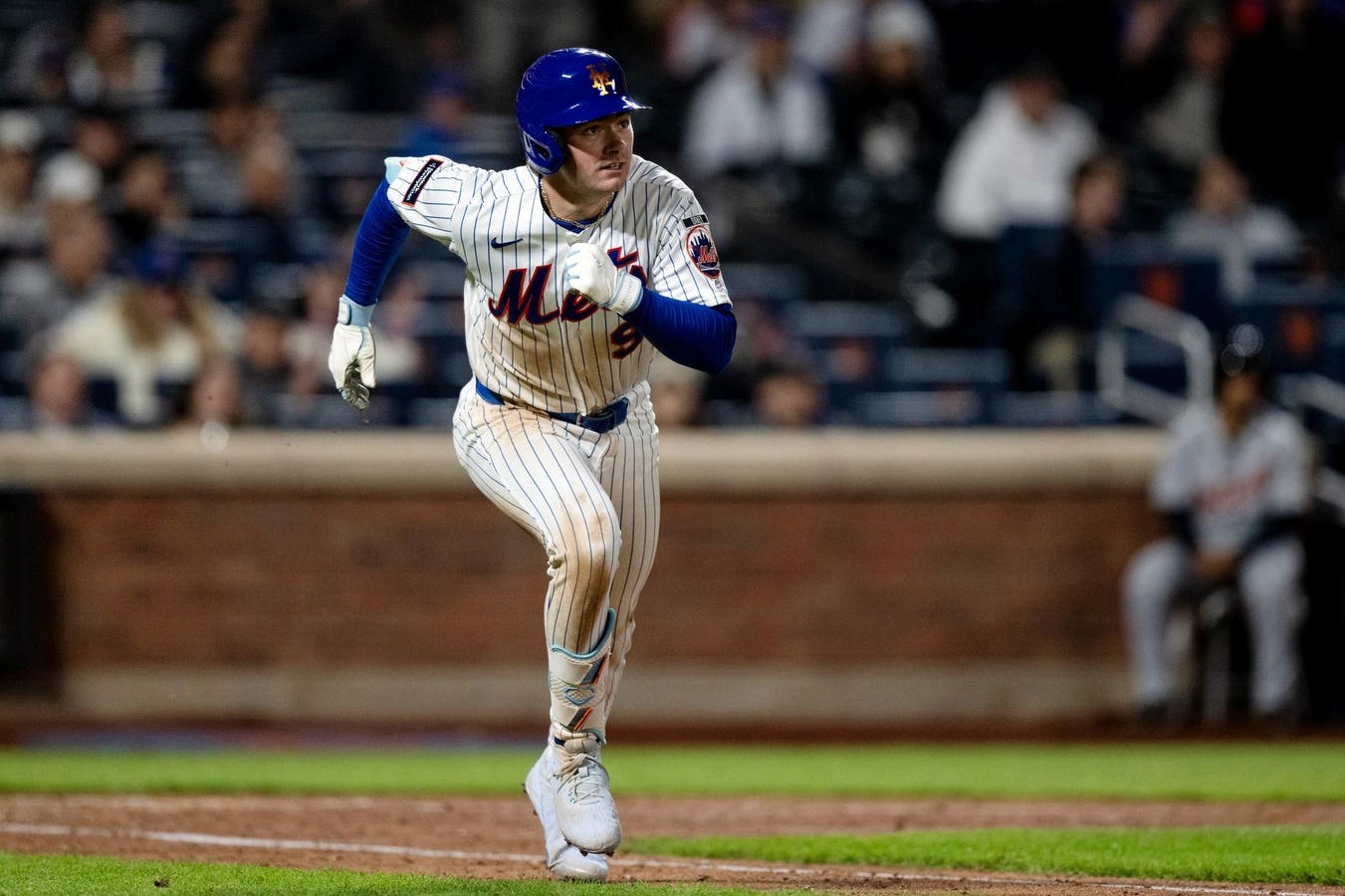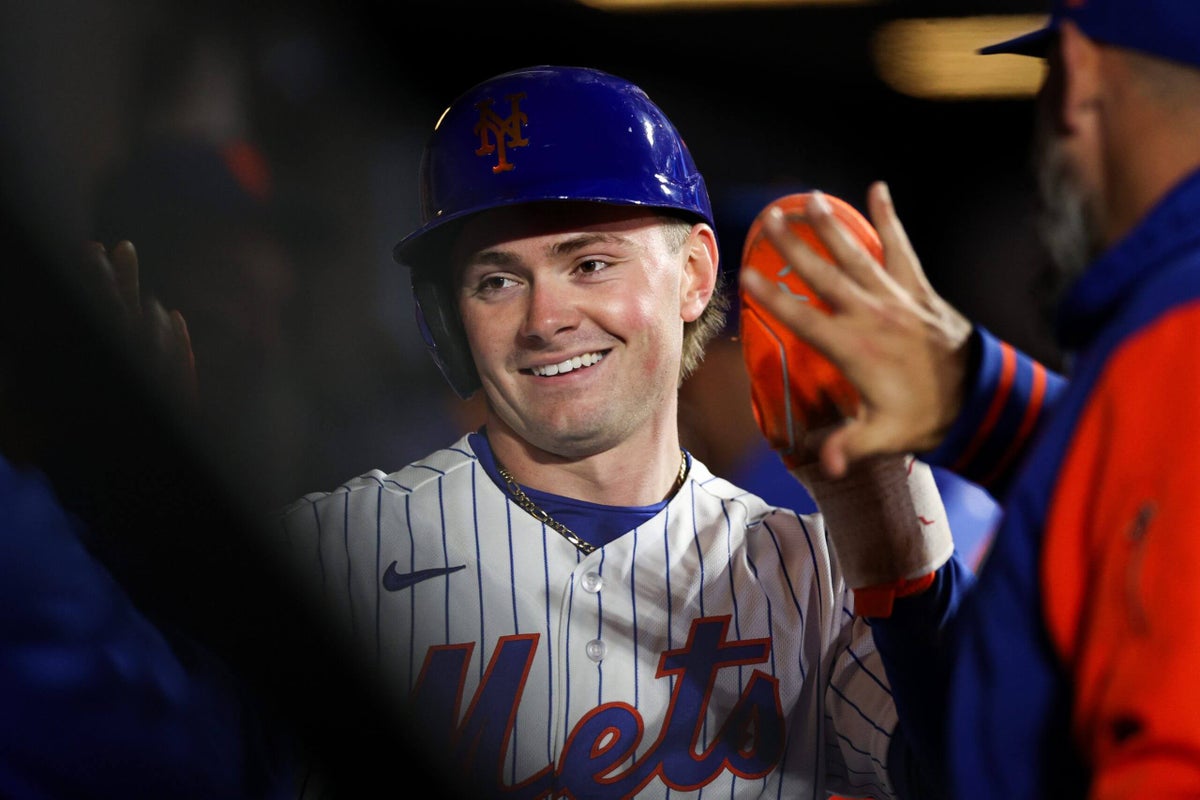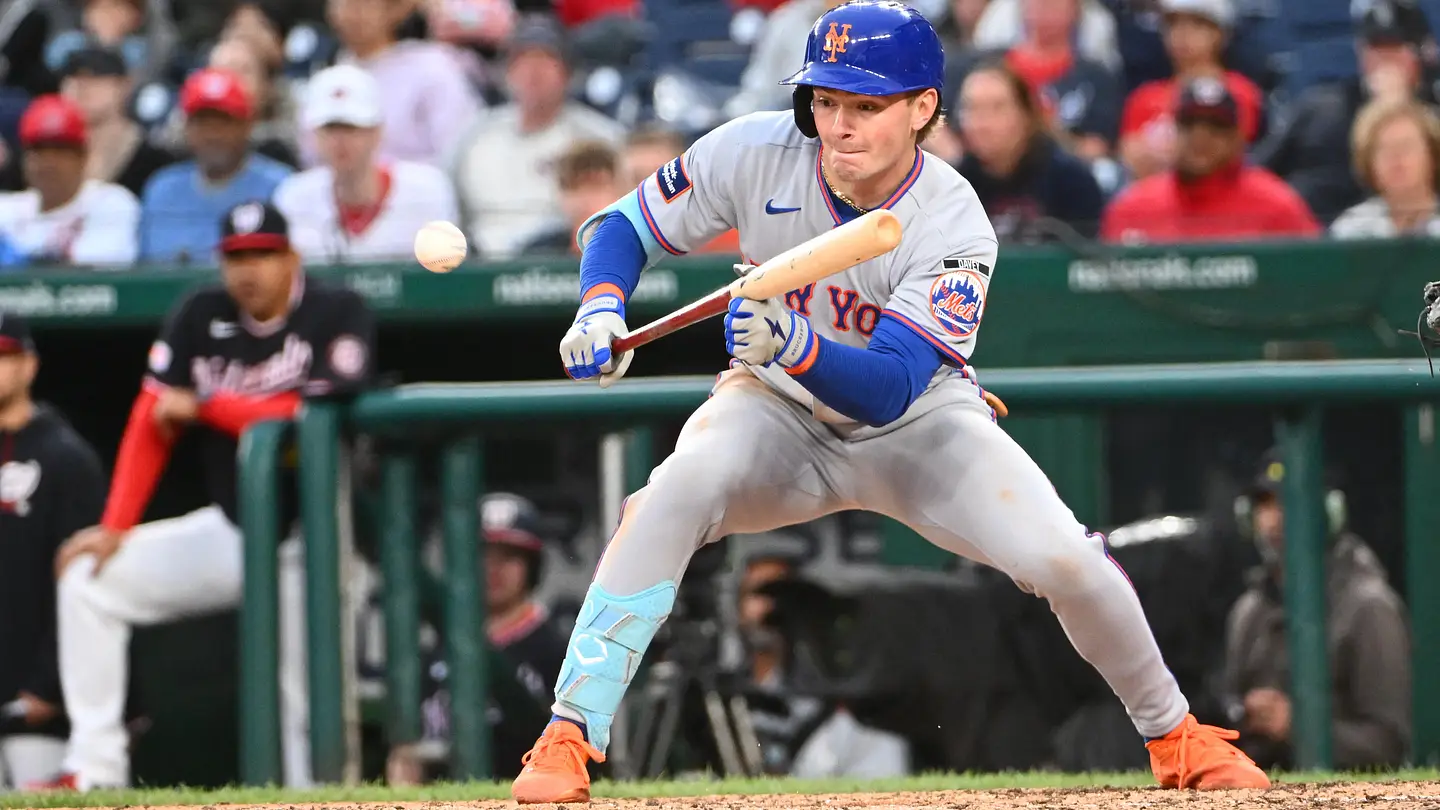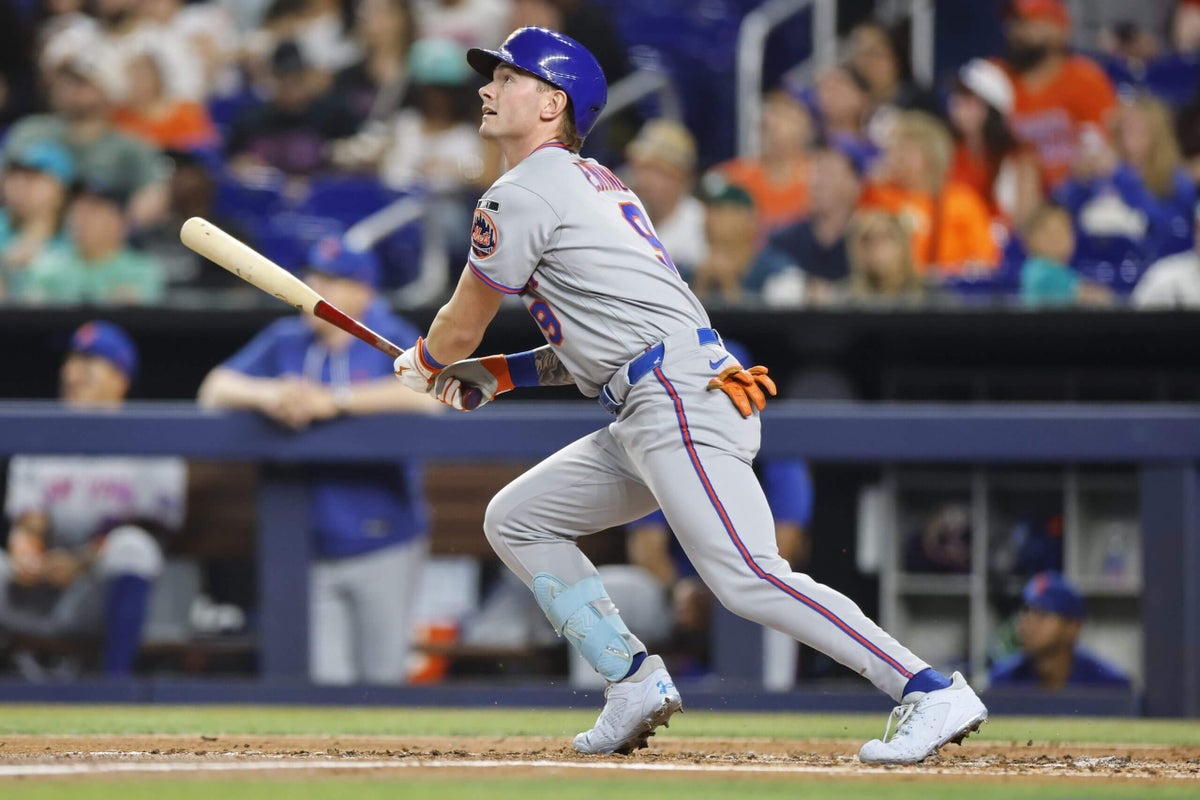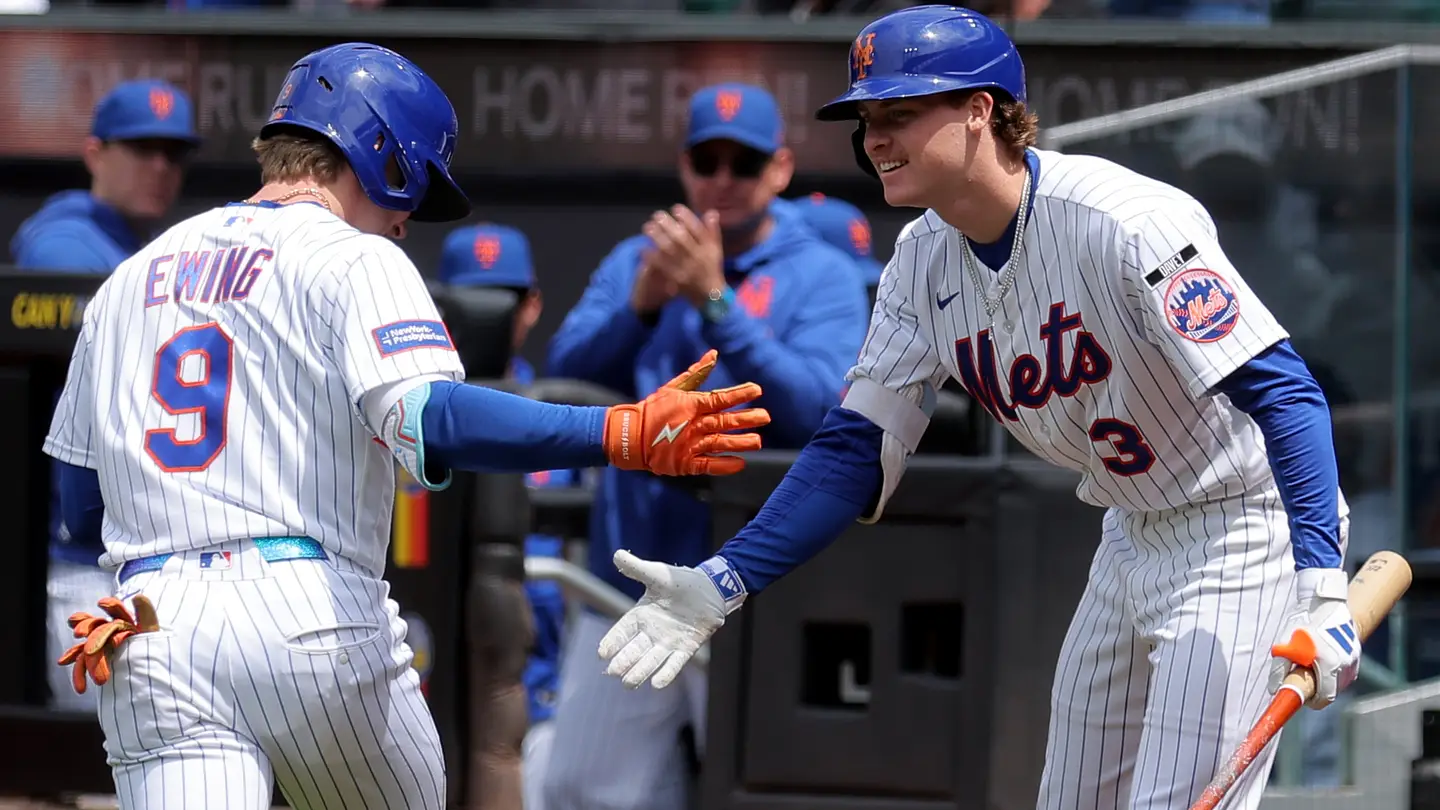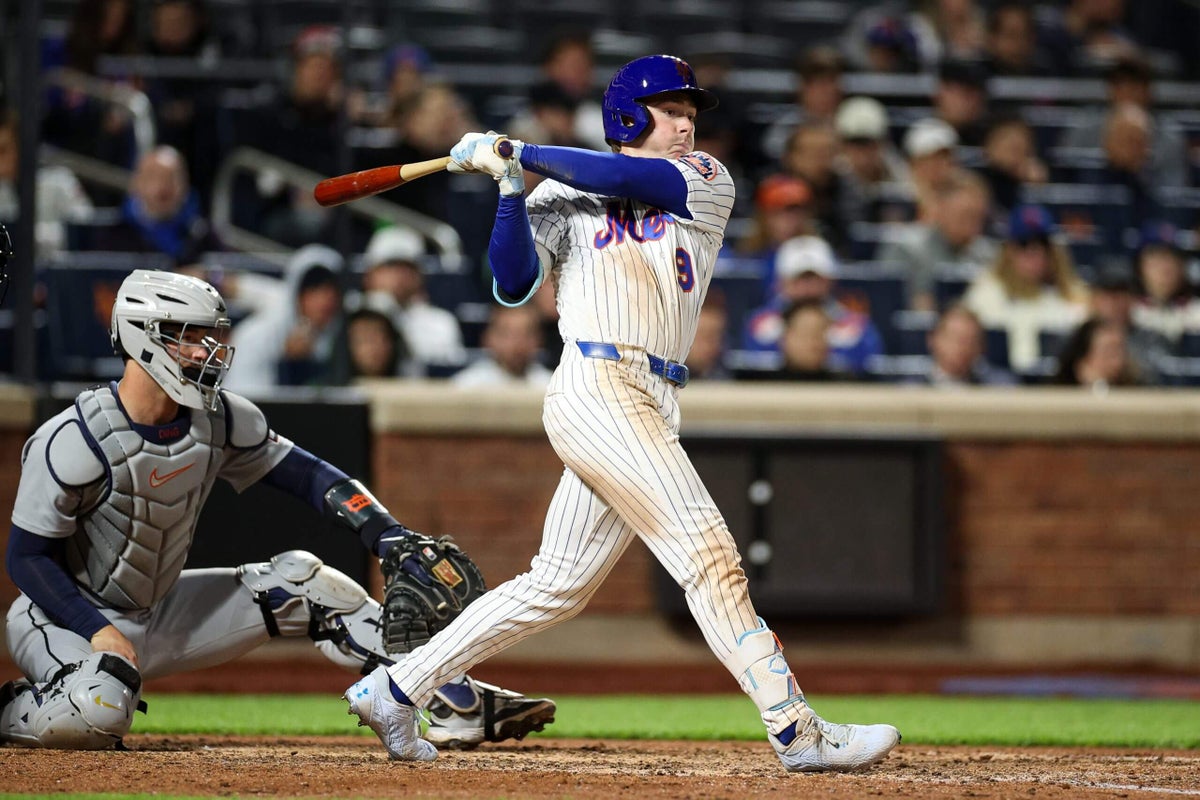
We’re well into the season, and prospects are getting the call, especially when veterans struggle or get injured. This scouting column focuses on hitters and pitchers whose underlying approach or sequencing has shifted significantly. Whether it’s contributing to a breakout or exposing weaknesses, these trends may help explain what’s going on with these players’ early-season results.CF A.J. Ewing, NYMA little over one year ago, Ewing was an under-the-radar Single-A prospect without a standout tool. Now, at 21 years old, he’s in the starting lineup for the New York Mets.Andrea discusses Ewing’s toolsThe minorsDrafted in 2023 out of high school, Ewing spent his 2023-24 seasons between Rookie Ball and Low A. While he had athleticism and above-average speed, he lacked a hit and power tool. As a result, his ideal profile would be that of a contact hitter, but he finished his 2024 season with a 29% strikeout rate.When he started the 2025 season, he looked like a different hitter. He was making significantly more contact. His strikeout rate dropped to 12% in Low A, and he was hitting for average (.400). Thus, he could utilize his above-average speed and steal bases at a higher rate. Additionally, he was walking 19% of the time (walking more than striking out). So now, you have a hitter with a much more impressive hit tool — plus contact ability and above-average plate discipline.At the start of this season, he continued where he left off last year. A few weeks into the season, he earned a promotion from Double A to Triple A. In 132 plate appearances between both levels, he slashed .339/.447/.514 with a 19% BB rate and 16% K rate. This production, along with injury issues at the major-league level, led to the Mets having enough faith in Ewing to select him to the 40-man roster and give him a chance.The majorsIn his first few games in the majors, he has been showcasing what’s made him so impressive over the past year. First, he is commanding an at-bat with veteran-level plate discipline. Of the 90 pitches he saw before Monday, he chased only seven.As a result, he has been going deep into at-bats and forcing walks. In his first game, Ewing walked in three of his five at-bats.He’s also been getting quality contact. Despite the small sample, most of his hits as of May 17 had an ideal combination of high exit velocity and line-drive launch angles.The field outs being hit hard also show that he is not just a slap hitter. He is a hard-hitting, line-drive hitter who relies on the contact quality of his hits for success.One adjustment Ewing may need to make is balancing his patience with aggression. Following his first game, pitchers began attacking him more aggressively in-zone, leading to four strikeouts looking over the next few games, which is uncharacteristic of him. Ewing’s success in the minor leagues came from his ability to control at-bats without becoming too passive, so maintaining that balance will be important as he continues to adjust to major-league pitching.Ewing profiles as a hitter who relies on contact and discipline over power. However, he is still only 21, and even adding a little power could raise his ceiling significantly. One promising sign is that before his latest matchup, he had three home runs in 152 PA this year (including his first MLB home run), which is a big improvement over three during the entire season last year. He also impressed me with his first Triple-A hit:
Hidden gem to Mets regular, A.J. Ewing brings speed and discipline; Littell, Bohm slump
Andrea Arcadipane gives readers the lowdown on A.J. Ewing and details two struggling veterans.
1,943 words~9 min read