Wednesday, May 20th 2026 - 23:49 UTC
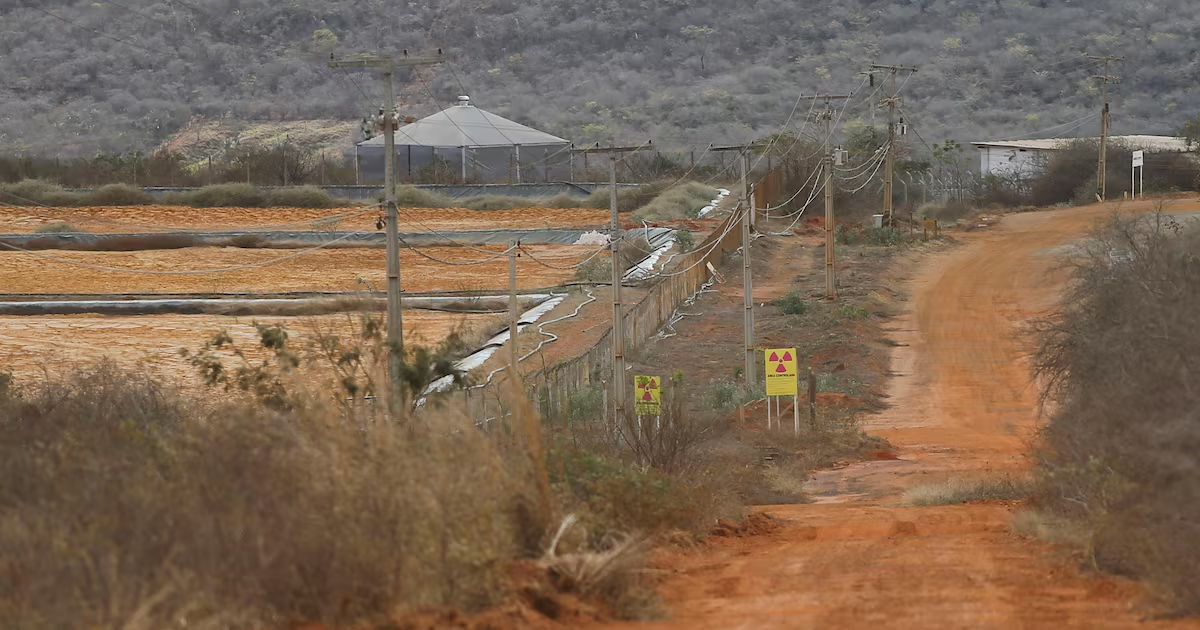
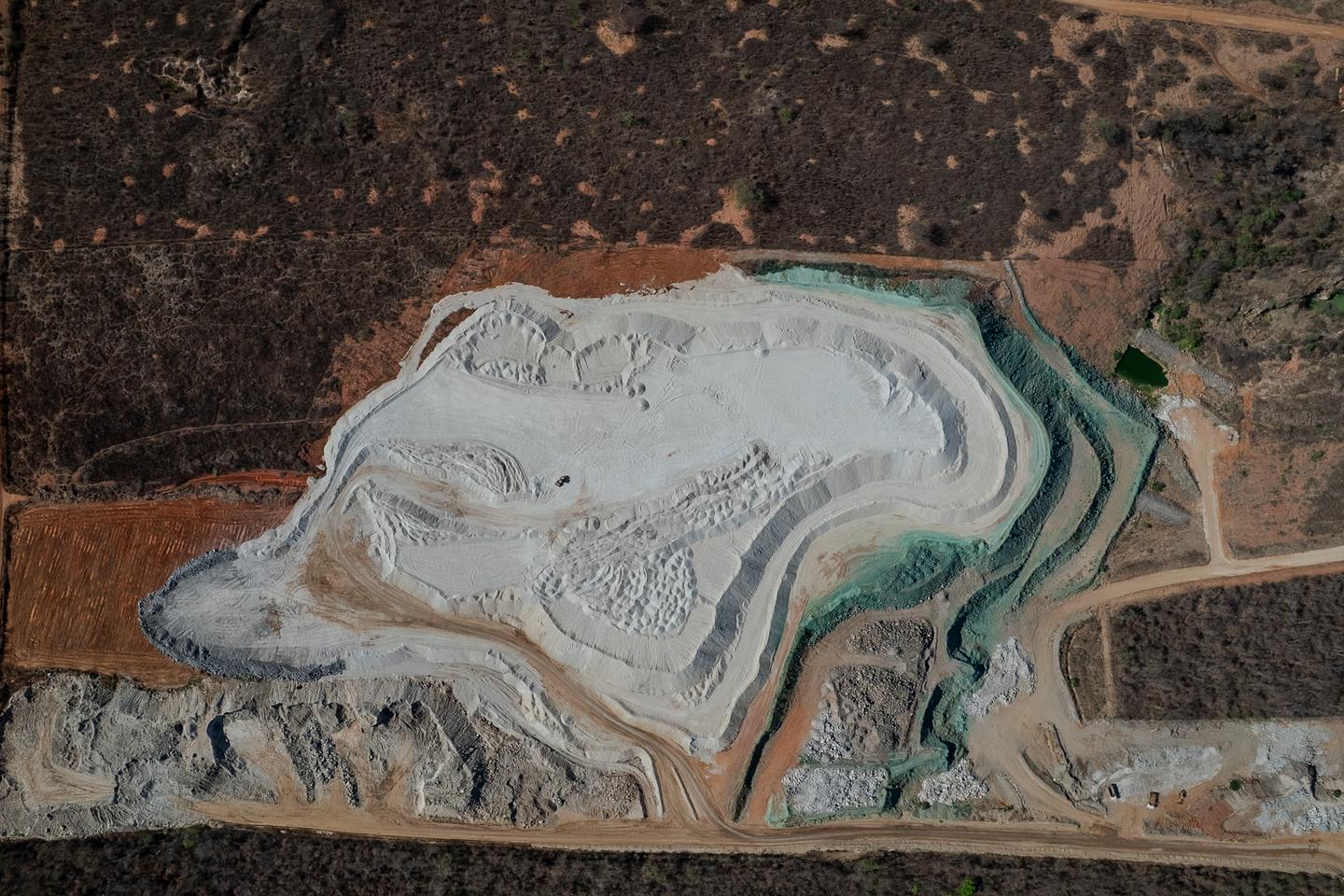
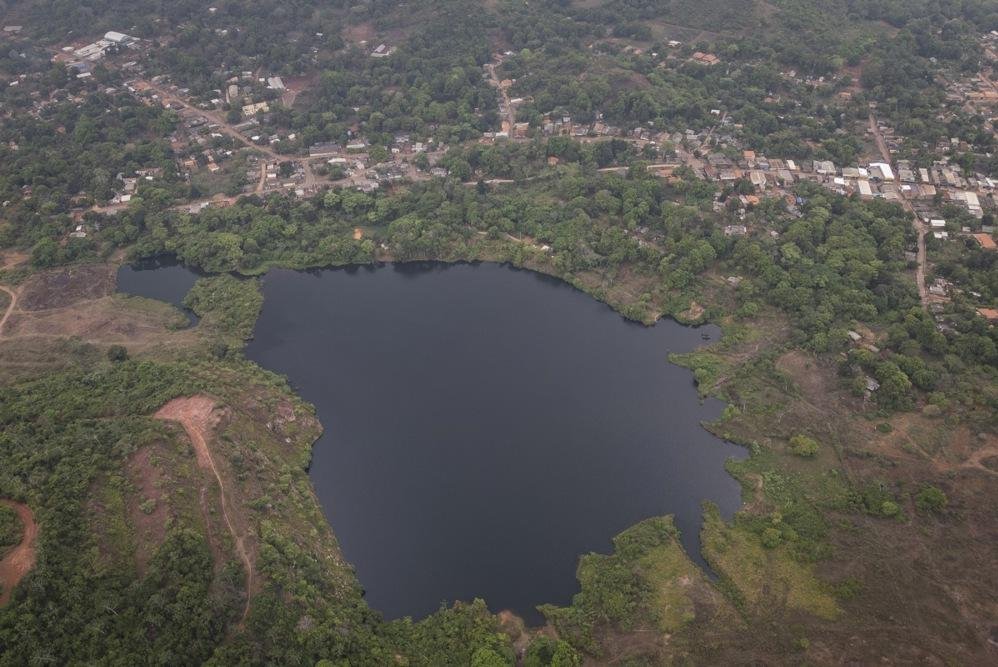
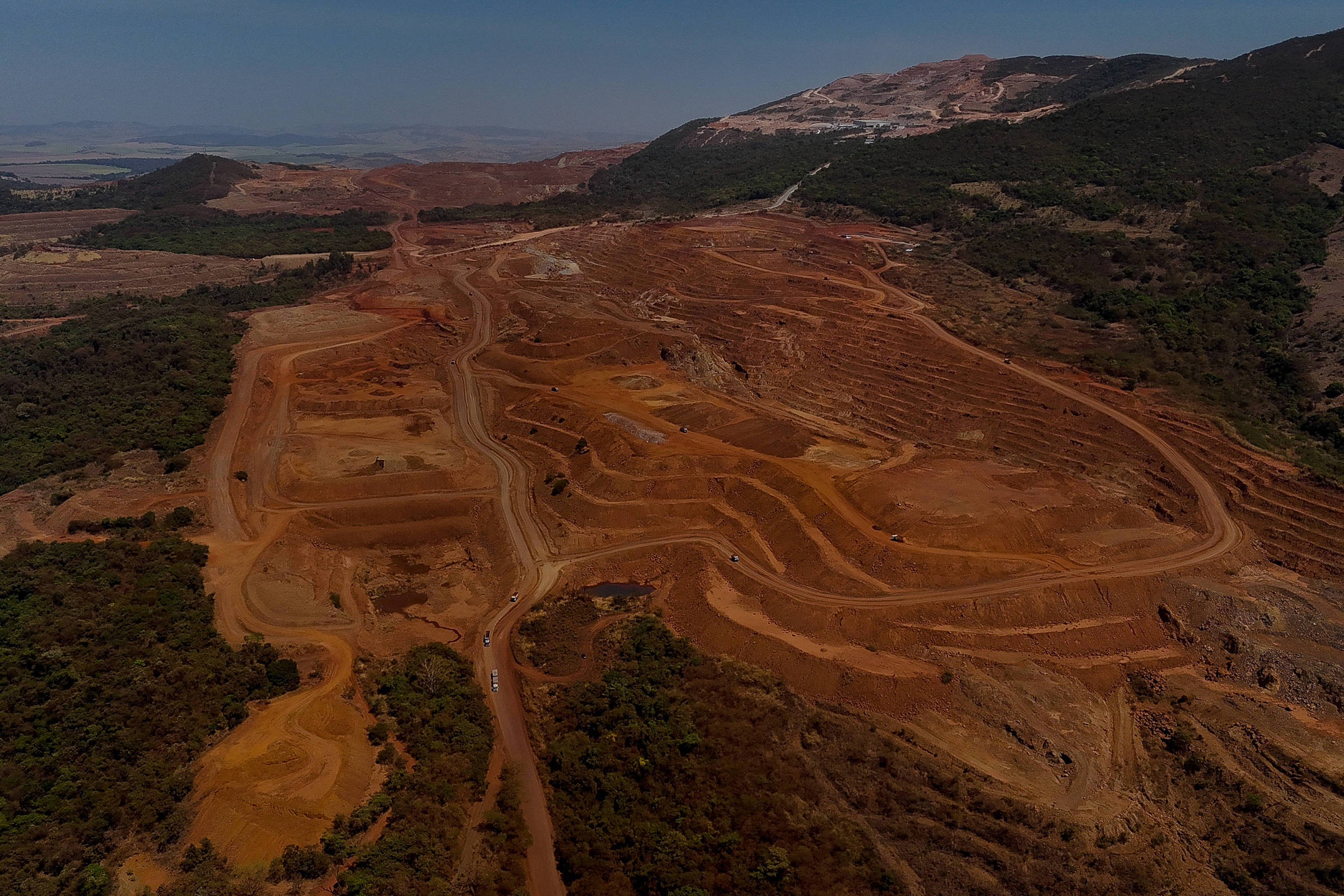
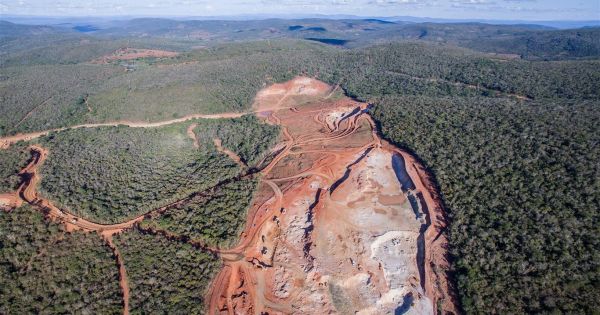
The uranium extraction unit is located in the municipality of Caetité, in the northeastern state of Bahía
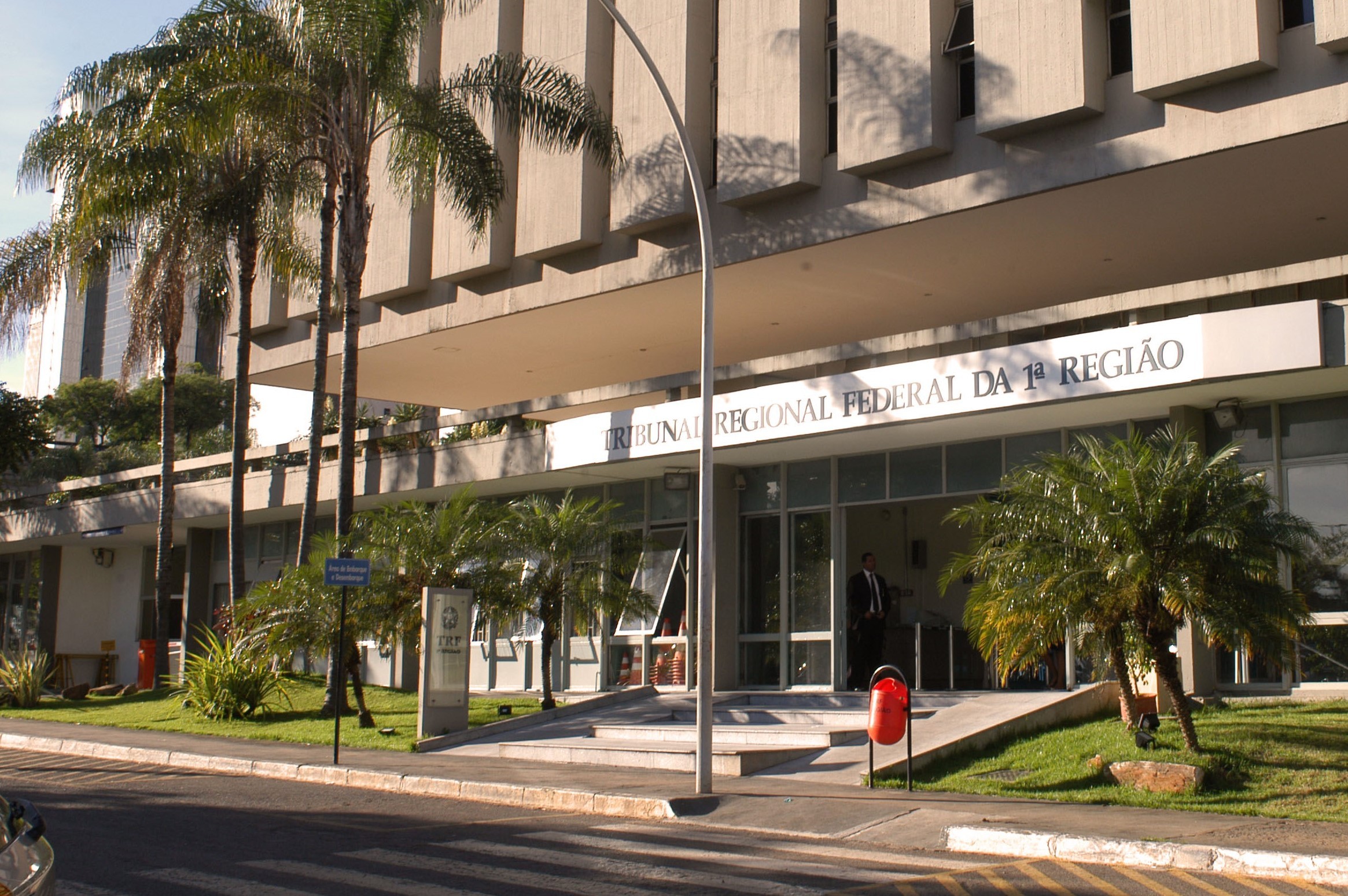
Brazil's Federal Public Prosecutor's Office on Wednesday recommended that the Brazilian Institute of Environment (Ibama) not renew the environmental license of the country's only uranium mine, in operation since 1999, until the responsible company duly consults the quilombola communities potentially affected by the activity. The recommendation does not amount to a definitive closure of operations, but it does entail a suspension conditional on compliance with the requirement of prior consultation of the populations affected by the project, in line with the national and international norms in force.
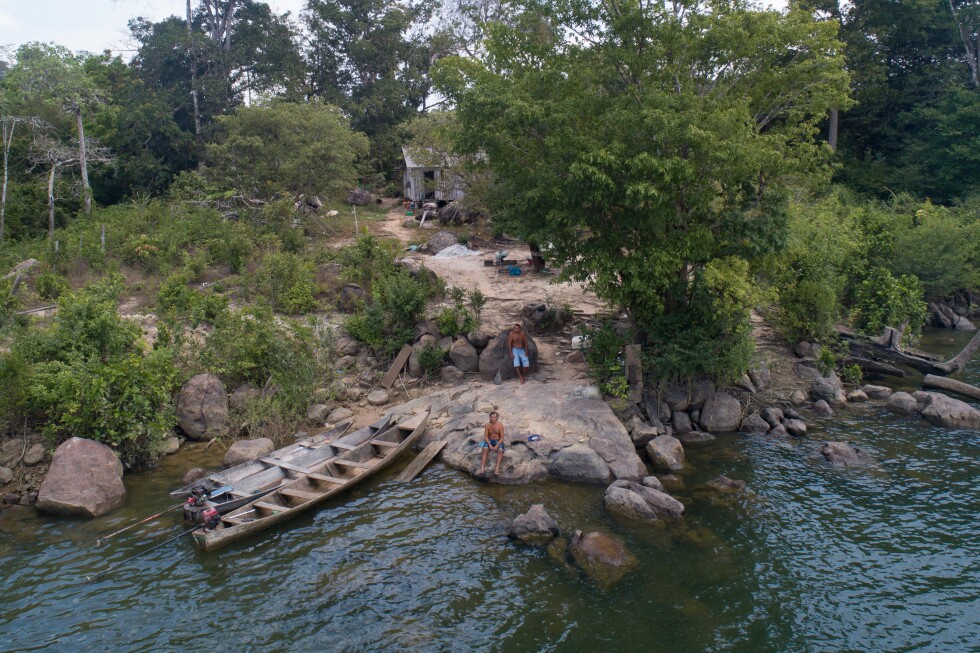
According to the Public Prosecutor's Office, at least fourteen communities of descendants of fugitive enslaved people —the so-called quilombolas— are located within a radius of up to twenty kilometers of the deposit and were never consulted on the project, as required by Convention 169 of the International Labor Organization (ILO), in force in Brazil since 2004. The norm establishes that traditional peoples must be consulted whenever administrative measures, including the granting of an environmental license for major extractive projects, may directly affect their territories and ways of life.