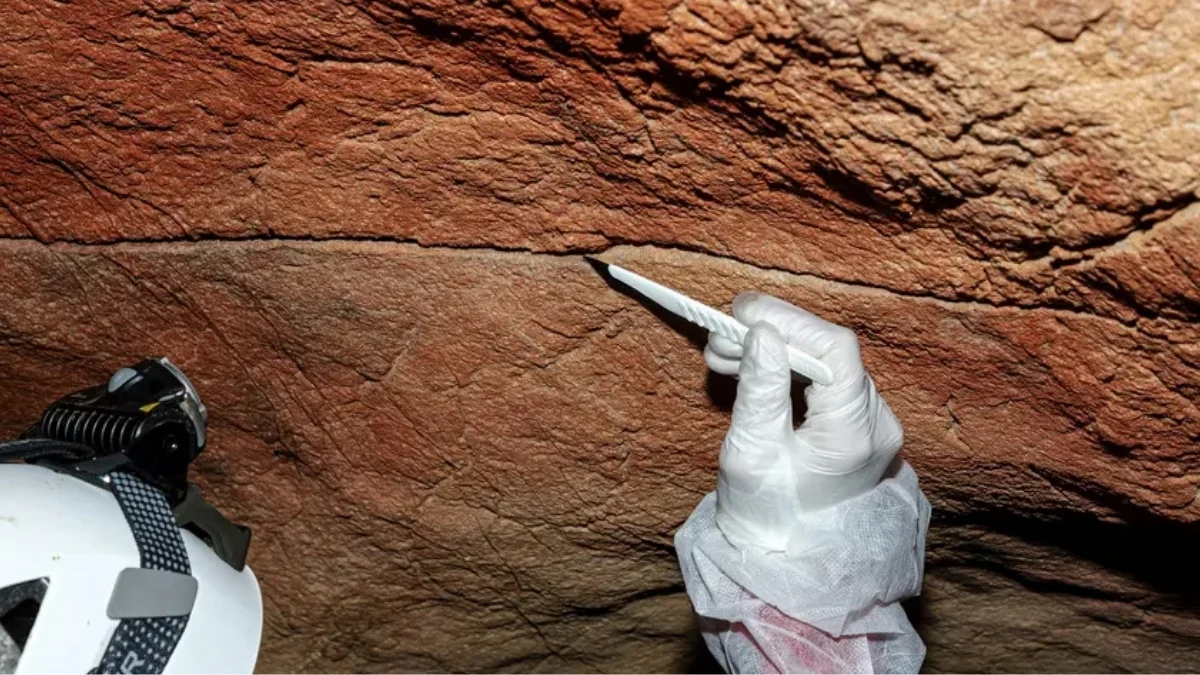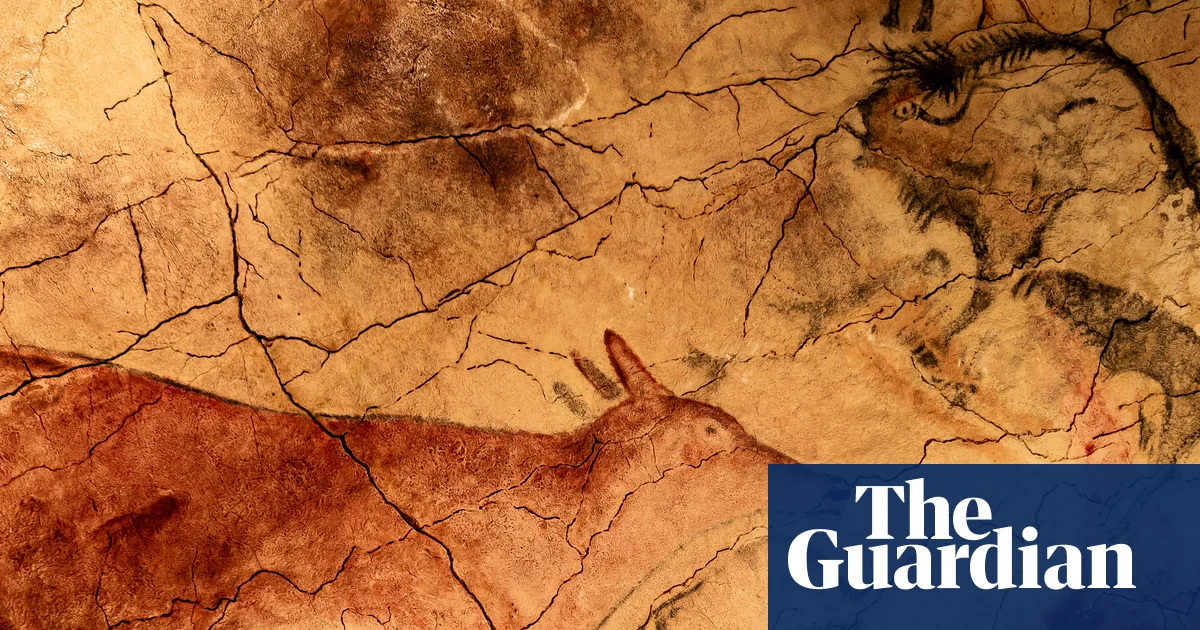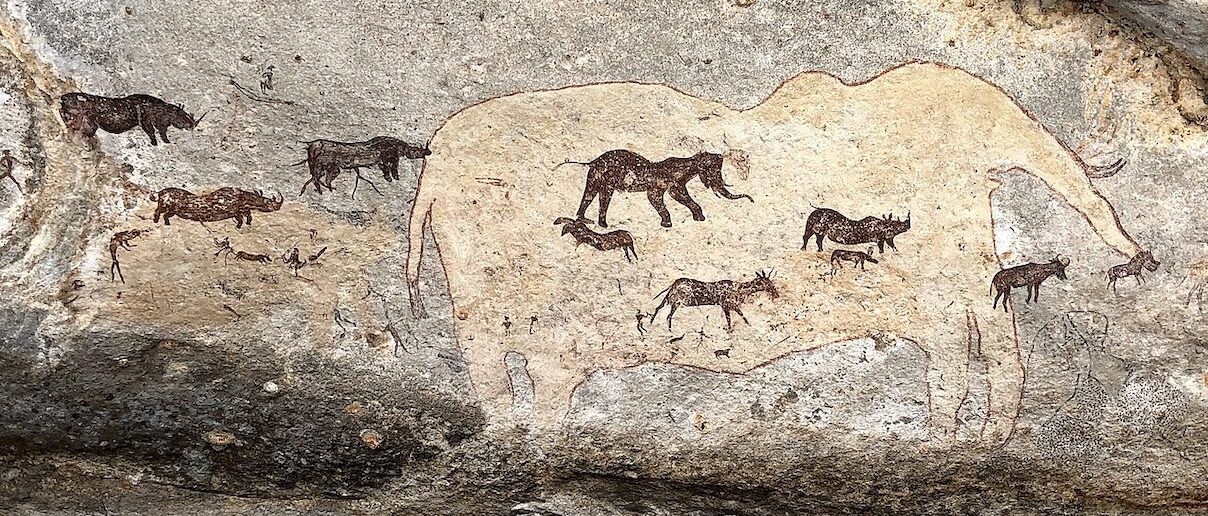
Modern conservation treats biodiversity as a scientific concept, and while useful, the deeper truth is that for much of human history, it was not an abstraction but rather was immediate, sacred and embedded in daily life.Ancient rock art makes this clear, as petroglyphs and panels often depict animals, and in relation to humans. It’s also a global phenomenon, not just an artistic expression centered in Europe.“If so many human societies across history understood the natural world as worthy of depiction, reverence and symbolic centrality, what does it say about our own era that we are presiding over its rapid destruction?” a new analysis wonders.This article is an analysis. The views expressed are those of the author, not necessarily of Mongabay.
Across continents and cultures, one of the most striking features of ancient rock art is how often it places the natural world at its center. Whether etched into sandstone cliffs in the Sahara, painted in hidden shelters in Southern Africa, or drawn on stone faces deep in the Amazon, the recurring subject is not architecture, warfare or abstract political power.
It is animals, forests, rivers, spirits of the land and the intimate relationship between people and the living world around them. I have seen rock art in remote regions of the Amazon, left by ancient San communities in Angola, across the Ennedi Plateau in Chad, and in the Nuba Mountains of Sudan, I have come to believe that these works reveal something profound: long before the language of “biodiversity” existed, many human societies understood that their survival, identity and spirituality were inseparable from the ecosystems that sustained them.