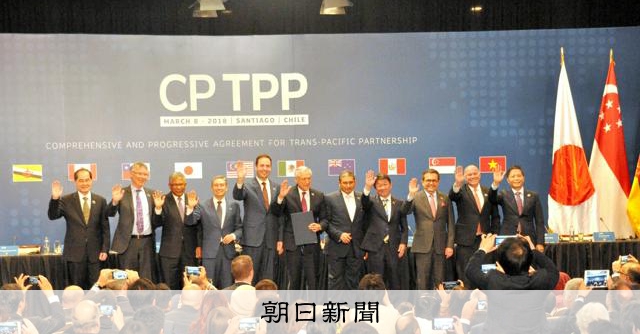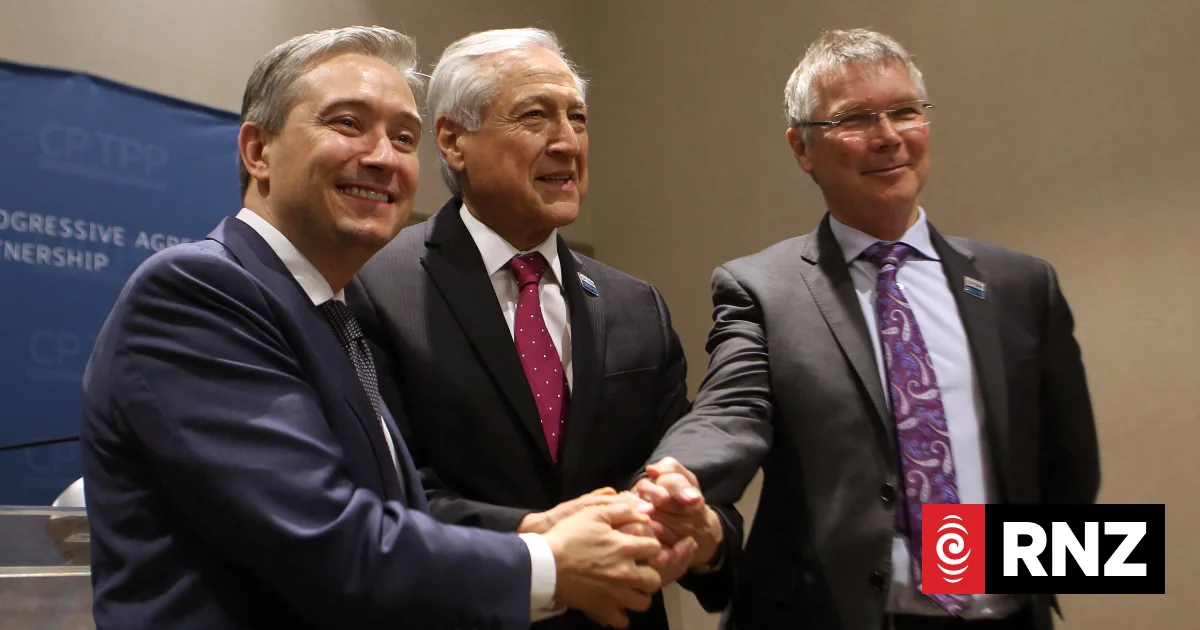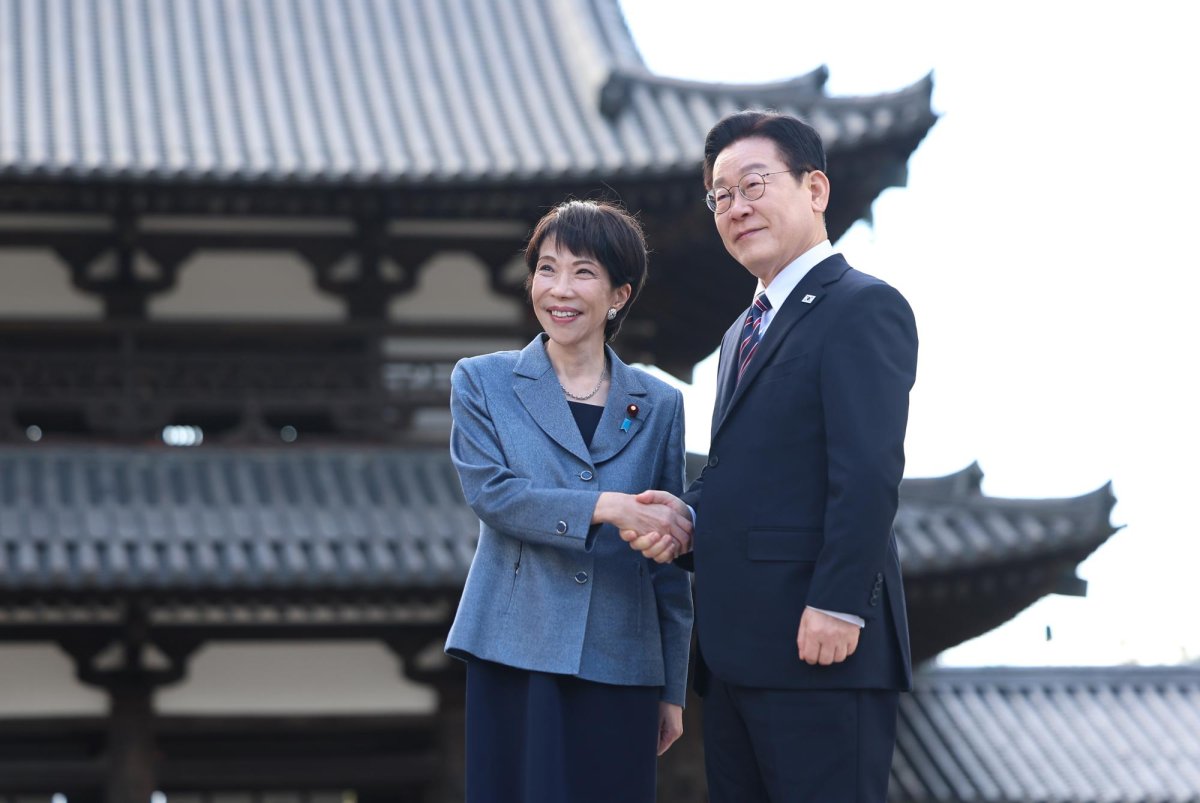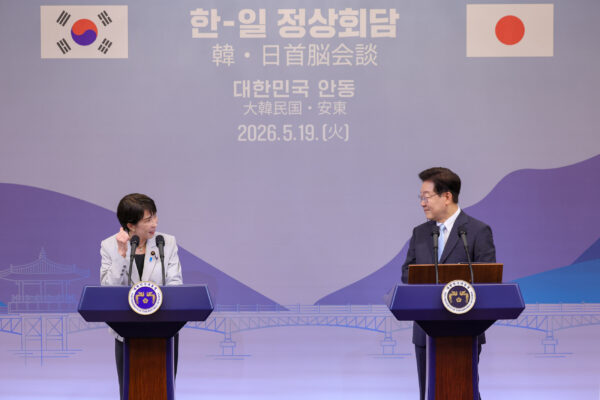
LEE JAE-MIN This project has had quite a journey — it started as an American idea, was dropped by America, and was then picked up and brought to life by Japan and Australia. It is the Comprehensive and Progressive Agreement for Trans-Pacific Partnership (CPTPP), which finally entered into force in December 2018. It now has 12 member states: Australia, Brunei, Canada, Chile, Japan, Malaysia, Mexico, New Zealand, Peru, Singapore, Vietnam and the United Kingdom. With a combined gross domestic product of around $15 trillion, the 12-member bloc commands approximately 15 percent of world output, making it a significant player in the global economy.Korea has a long history with the CPTPP. I would say it has been an elusive, on-again-off-again relationship. The first encounter was in 2010 when the US offered membership to Korea after the successful conclusion of the Korea-US FTA. Korea’s response was lukewarm. Seoul had finished lengthy negotiations of major FTAs with the US and the EU, so there was little appetite or energy to pursue a mega FTA with an uncertain future.The CPTPP came to Korea’s door again in 2018. This time, Korea was more eager to join, but the membership fee seemed too high. As the CPTPP was an innovative framework by the standards of that time, Korea faced difficult homework — namely, legislative changes and regulatory reform, which were doable but demanded considerable political mobilization. In particular, the CPTPP meant an FTA with Japan, which was a thorny domestic political issue given the rocky bilateral relationship at that time. Seoul was hesitant at every step of the way, and the second opportunity came and went.In 2021, Korea once again revisited the question of its membership in the mega-FTA amid weakening multilateralism. In particular, China’s and Taiwan’s application in September 2021 served as a wake-up call for Seoul. But once again, studies and contemplation did not lead to tangible progress.Through these on-again, off-again engagements, Korea has never submitted a formal application for membership.Then came the tariffs and widespread uncertainty of 2025, throwing existing trade and investment into turmoil. At this critical juncture, the CPTPP took on new value. It is no longer just a trade and investment pact. It has become a coalition of like-minded countries seeking to navigate unprecedented challenges and uncertainties in the global economic order. Needless to say, the CPTPP has its own share of limitations and problems, yet it offers shelter during a storm.For a couple of years now, Korea has been underscoring the need for like-minded friends. On almost every occasion, it has called on like-minded countries with a voice of reason to join forces and cooperate. Of course, like-minded countries can form an entirely new group. However, the CPTPP is already out there, actively fulfilling that role. If that is the case, Korea should make extra effort to join the trans-pacific pact. It is not merely a matter of market liberalization — the conventional objective of trade agreements — but about joining a like-minded group during a storm. As the saying goes, the best time to plant a tree was 20 years ago; the second-best time is now. Seoul has been sitting on the fence for 16 years; this time it needs to step off the fence and begin the official process.There are a couple of questions, though.First is procedural: the membership fee. It still remains an open question. We know that joining any club worth joining rarely comes without a price of admission. Unsurprisingly, Korea has a range of outstanding bilateral issues with the current CPTPP countries. If they try to use this opportunity as an avenue to settle these longstanding grievances, the accession process will likely prove tough and lengthy. Even if Korea wants to join and the majority of the existing members want Korea to join, political pressure from domestic constituents in Korea, stemming from major bilateral concessions in sensitive sectors, might turn out to be a critical stumbling block.Another challenge is that the CPTPP is becoming outdated. Its template came from the intense negotiations during the 2010-2016 period based on the global economy as it was understood then. It was conceived in a pre-pandemic, pre-AI, pre-unilateralism and pre-supply chain restructuring era. Given what has happened since, the agreement, after just 8 years in operation, faces a widening gap with the fast-changing global economic landscape. And yet, it remains one of the most recent agreements, far more sophisticated and modernized than most alternatives. Hopefully, it can utilize its diverse consultation features to account for new issues arising from a digitalized and AI-driven economy.Third is the time lag. It may take a long time to complete the accession process because there is already a long queue. Thus, even if Korea submits a formal application, delays seem to be inevitable. Nevertheless, it is necessary to submit an application sooner rather than later to secure a spot in line.Despite all these difficulties, the CPTPP is a club through which member countries can stabilize their trade and investment relationships amid the intensifying confusion and chaos that has unfolded since 2025. Korea needs to make renewed efforts to join. Hopefully, this time, its efforts will lead to a successful outcome, bringing a 16-year saga to a close.As Japan plays a pivotal role in the CPTPP, its support and cooperation will be critical for Korea’s accession process. Seoul and Tokyo held a summit meeting Tuesday in Korea, which served as a crucial opportunity to set this momentum in motion.Sixteen years is long enough to sit on the fence. The storm outside is only getting worse.- - -Lee Jae-minLee Jae-min is a professor of law at Seoul National University. The views expressed here are the writer’s own. — Ed.
[Lee Jae-min]Sixteen years on the fence: Time for Korea to come down
This project has had quite a journey — it started as an American idea, was dropped by America, and was then picked up and brought to life by Japan and Australia
946 words~4 min read