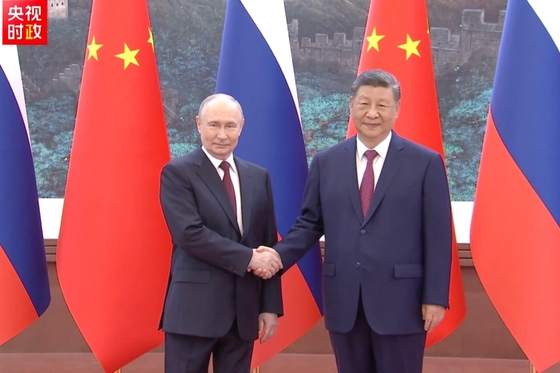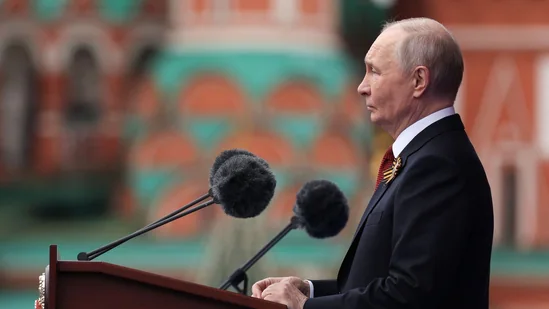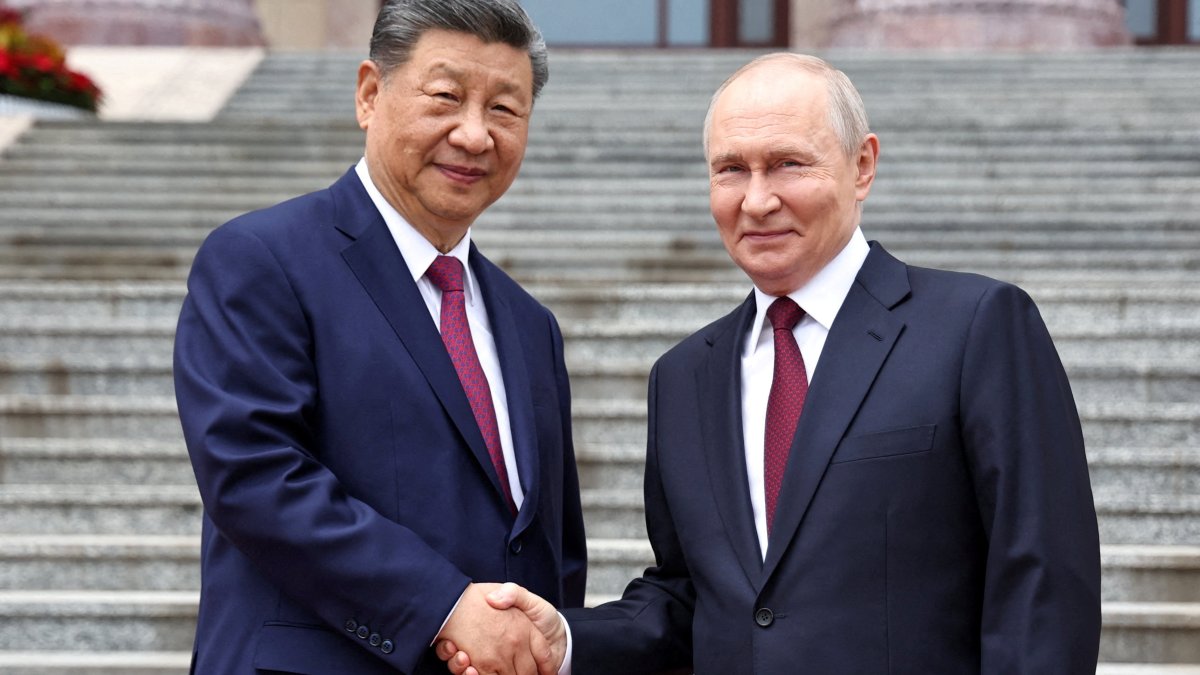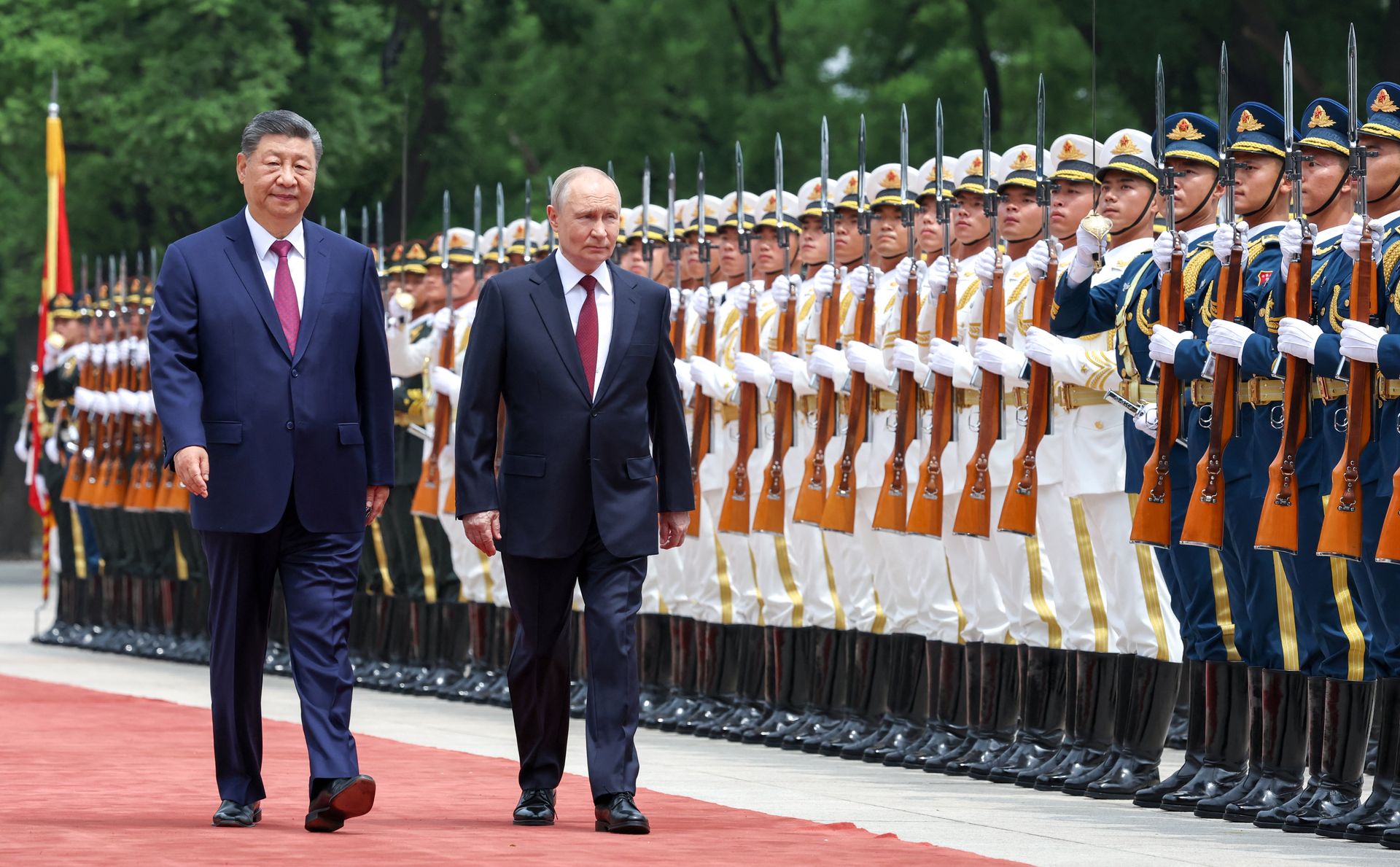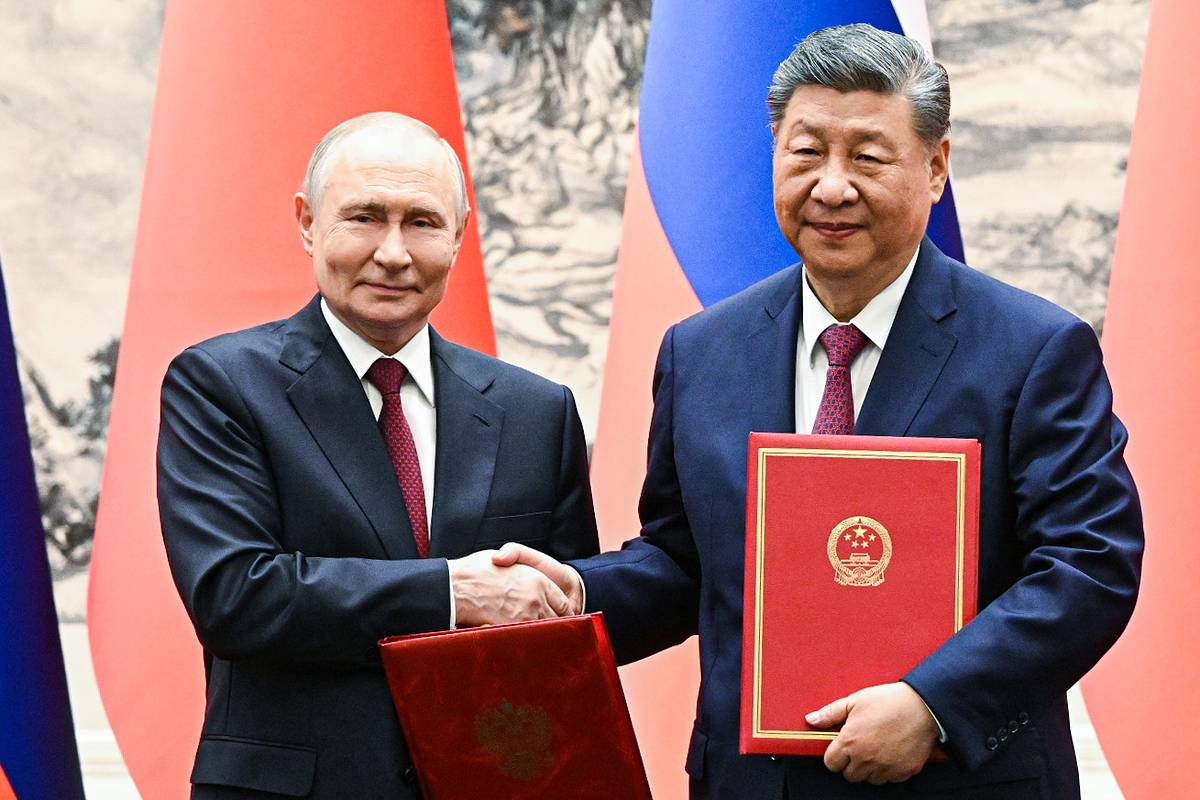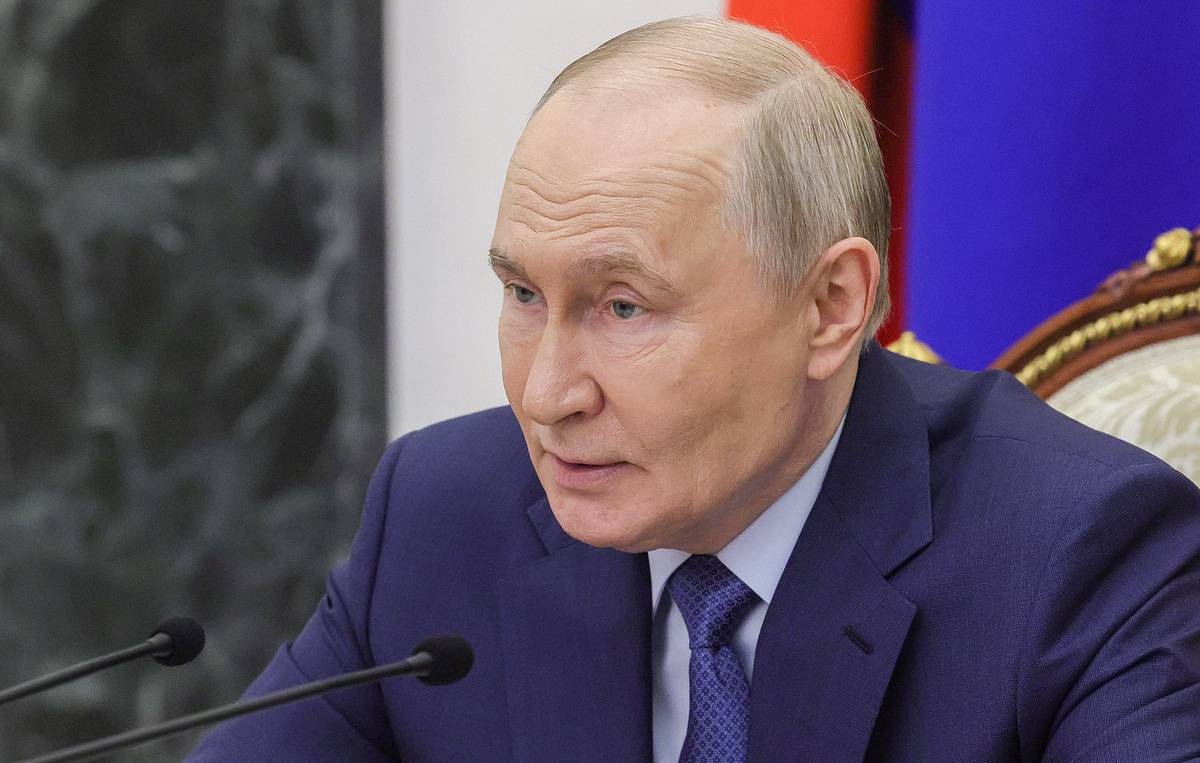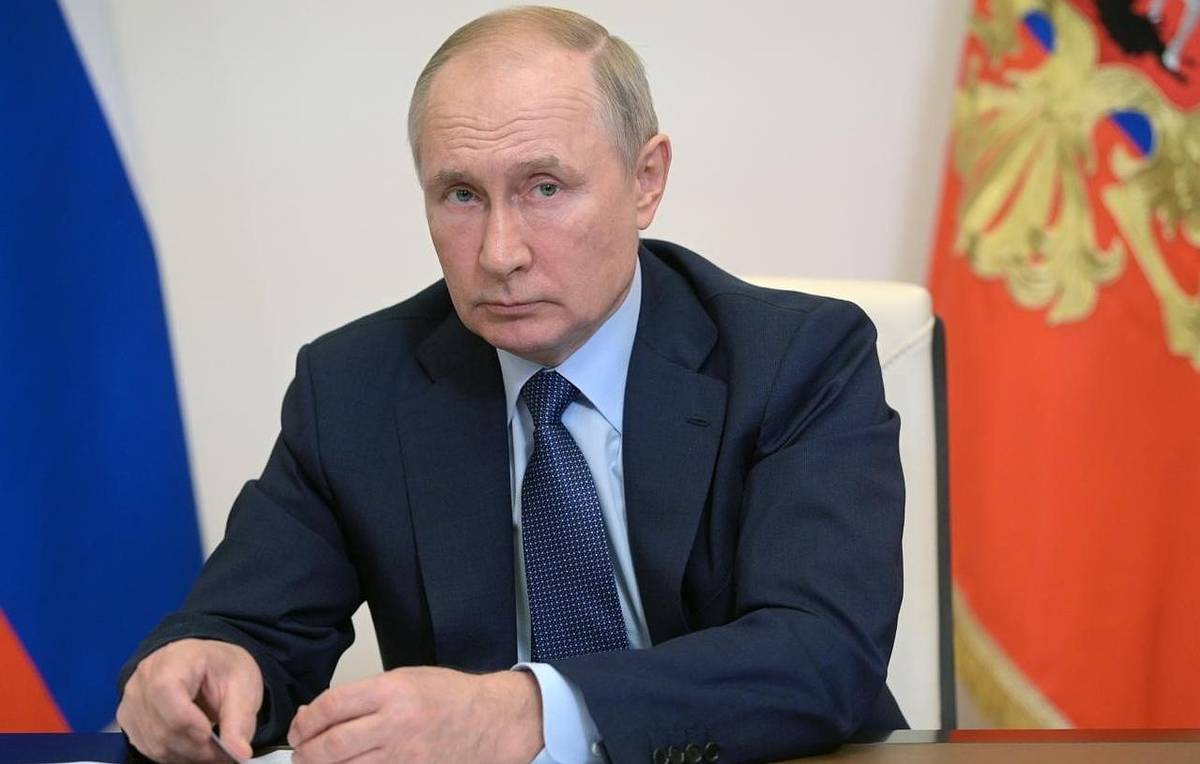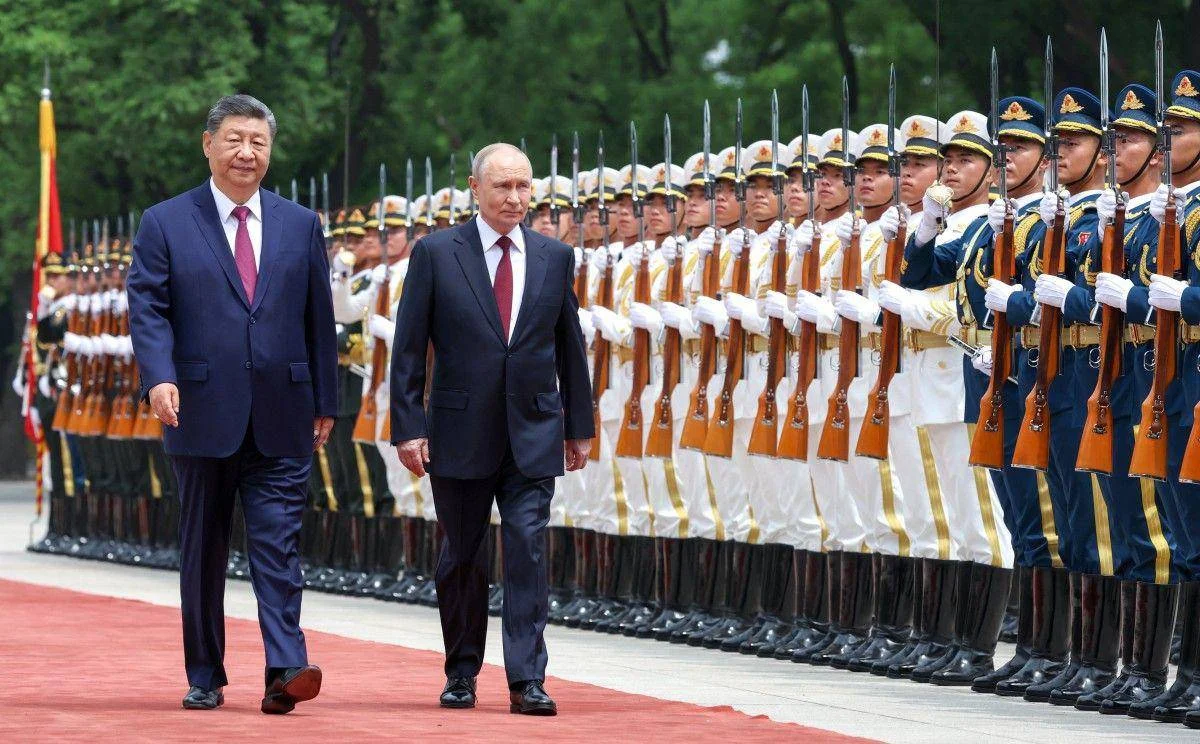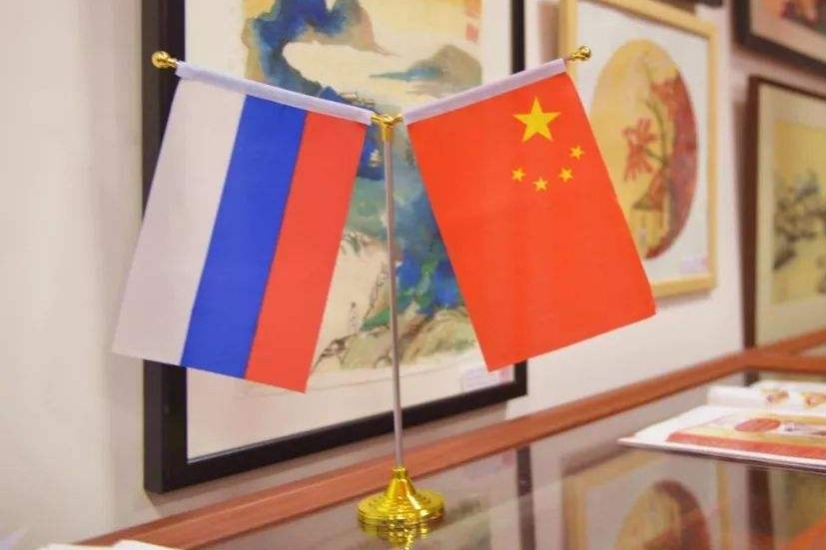
Russian President Vladimir Putin's visit to Beijing on Tuesday and Wednesday marks the 25th anniversary of the signing of the 2001 Treaty of Good-Neighborliness and Friendly Cooperation, which underscores a relationship that has matured into a strategic cornerstone of Eurasian — and by extension, global — security and stability.
Far from a mere tactical partnership born of convenience, the Russia-China partnership is deepening across economic, energy, security and multilateral dimensions, driven by shared interests in an emergent, yet unstable, multipolar world.
At its foundation lies robust economic complementarity and interdependence. Bilateral trade has expanded dramatically over the past decade. It surged after 2022, reaching a record $244.8 billion in 2024 before moderating to approximately $228.1 billion in 2025 amid shifting global energy prices and demand adjustments, according to statistics from China's General Administration of Customs. This represented a slight contraction of about 6.8 percent year-on-year, marking the first decrease in five years after a record-breaking period fueled by post-2022 Western sanctions.
Russia supplies critical energy resources. Crude oil exports to China exceeded 108 million metric tons in 2024, while China provides manufactured goods, vehicles and technology. Chinese exports to Russia include cars, electronics and machinery.