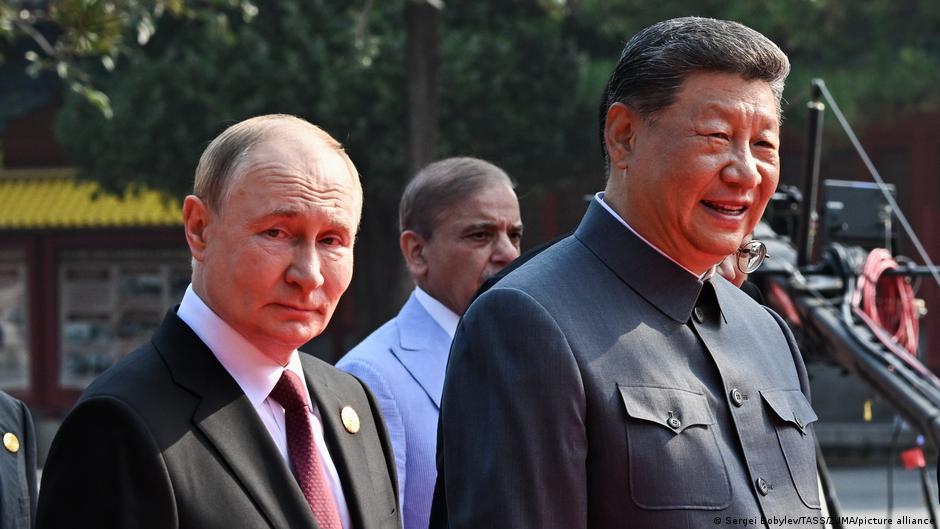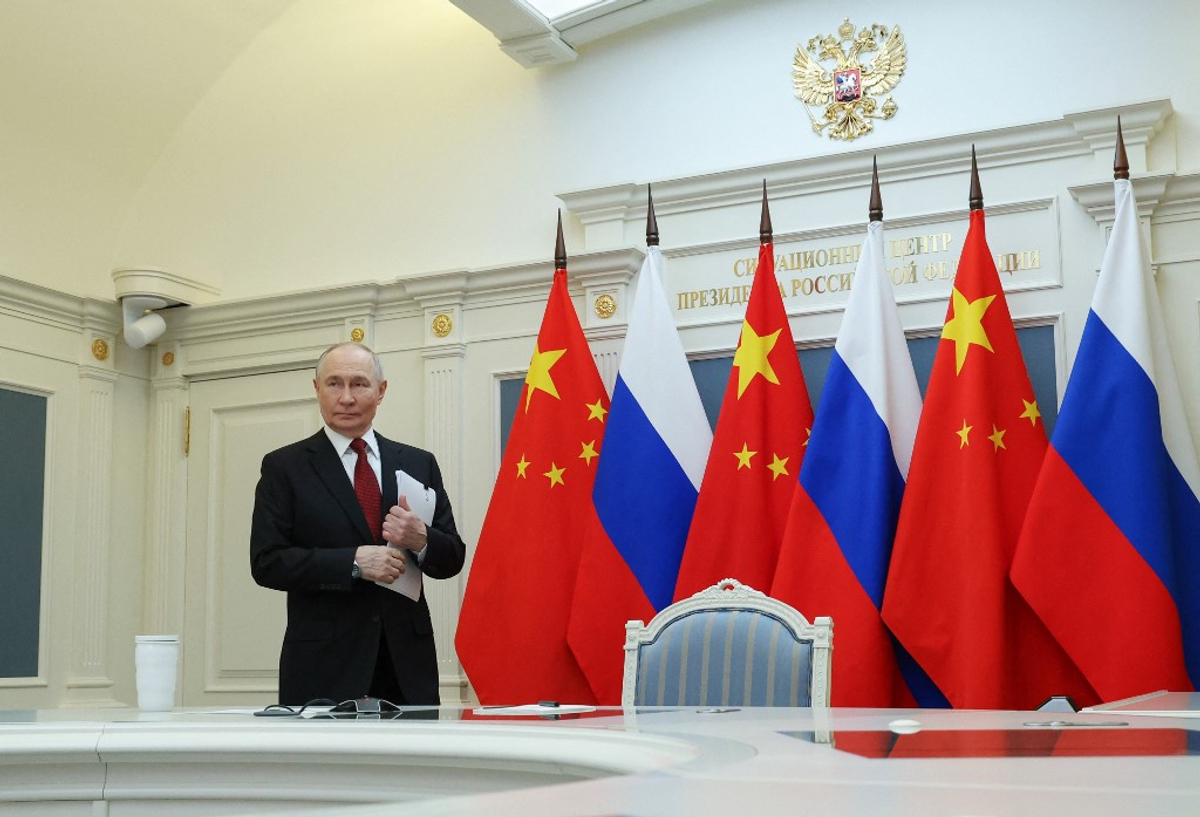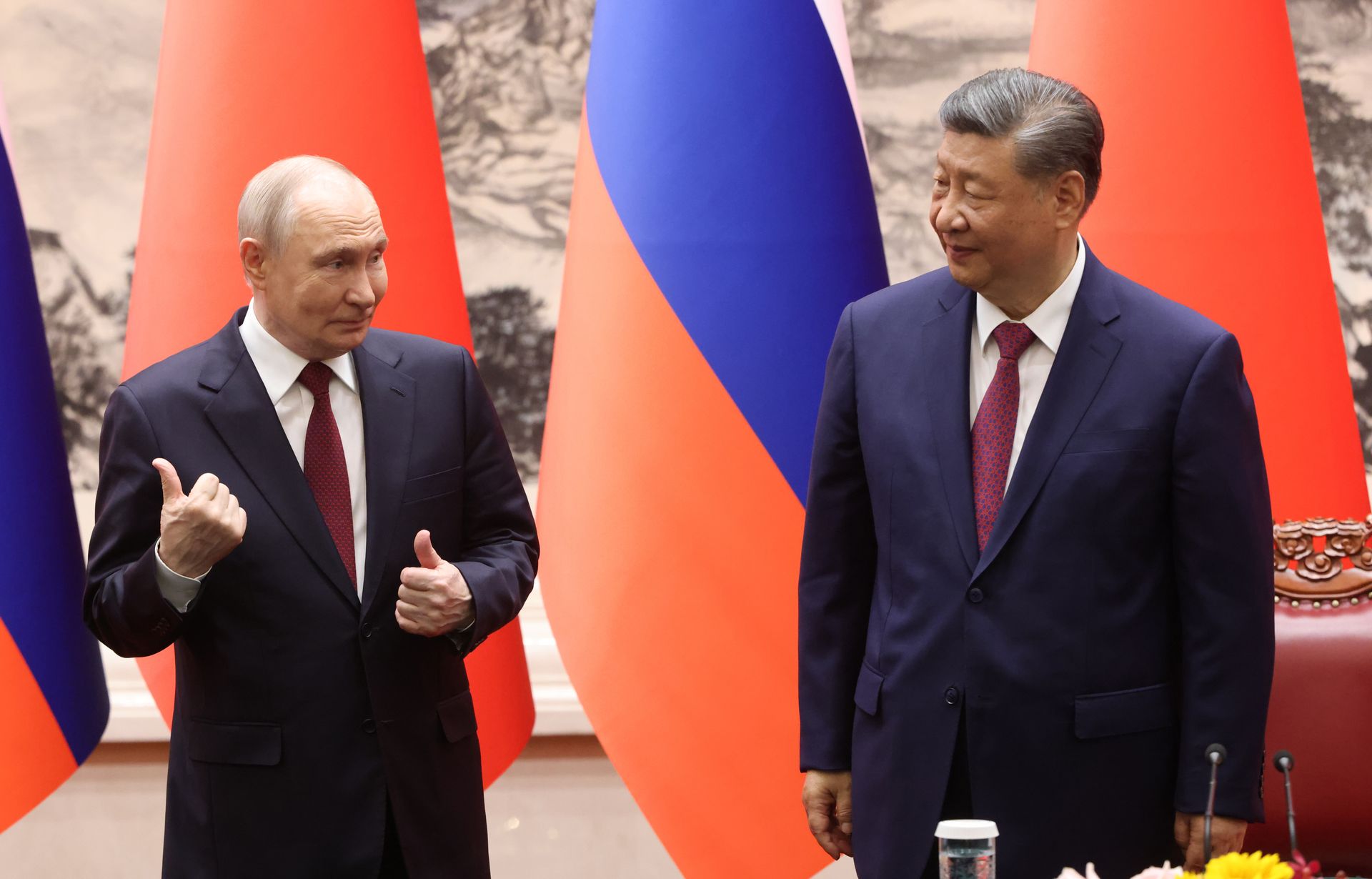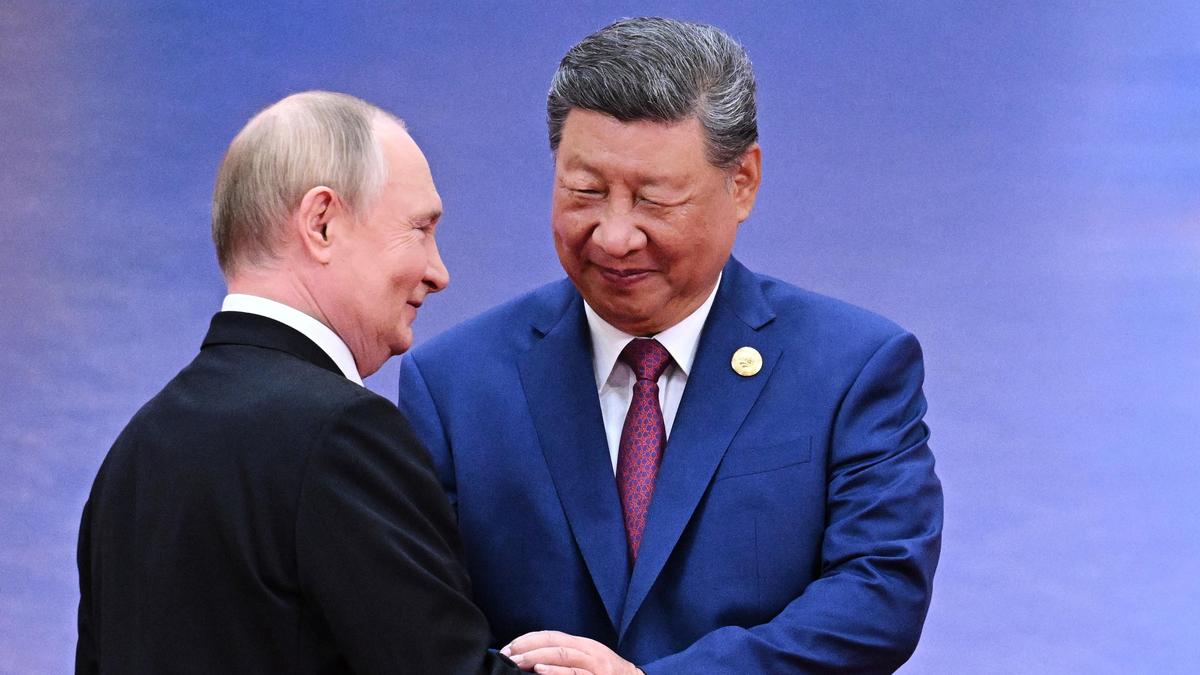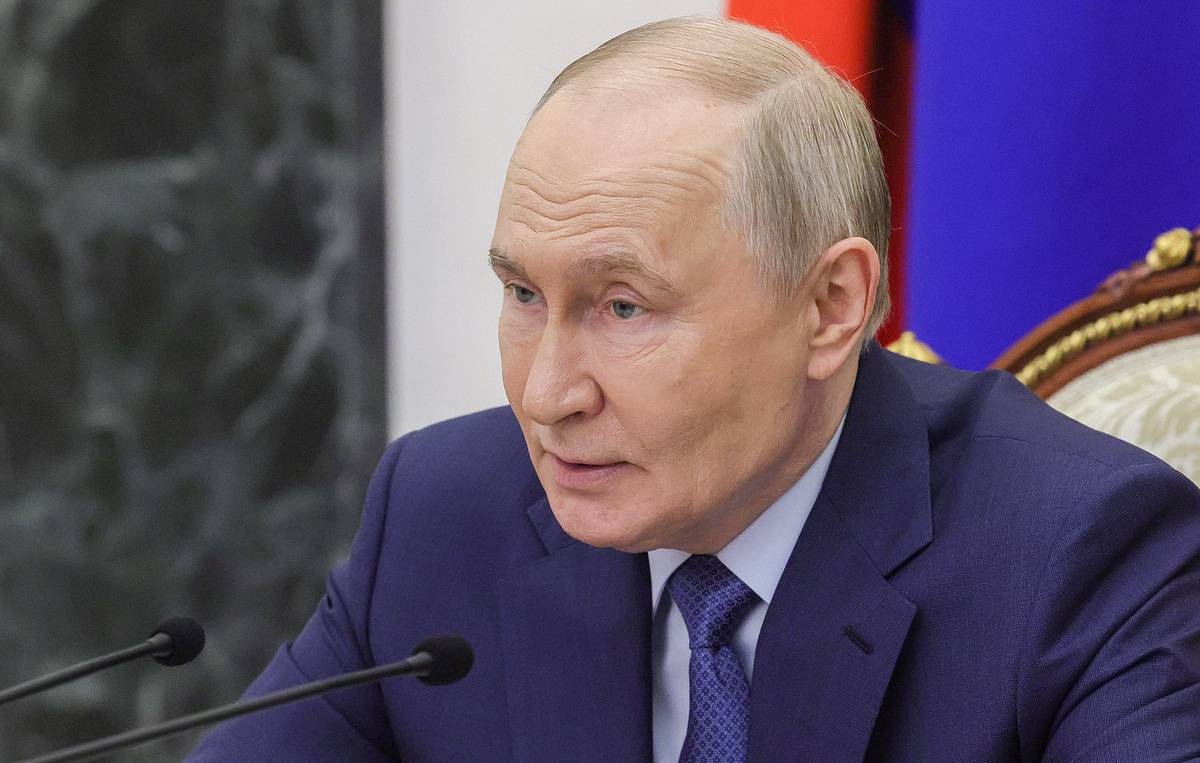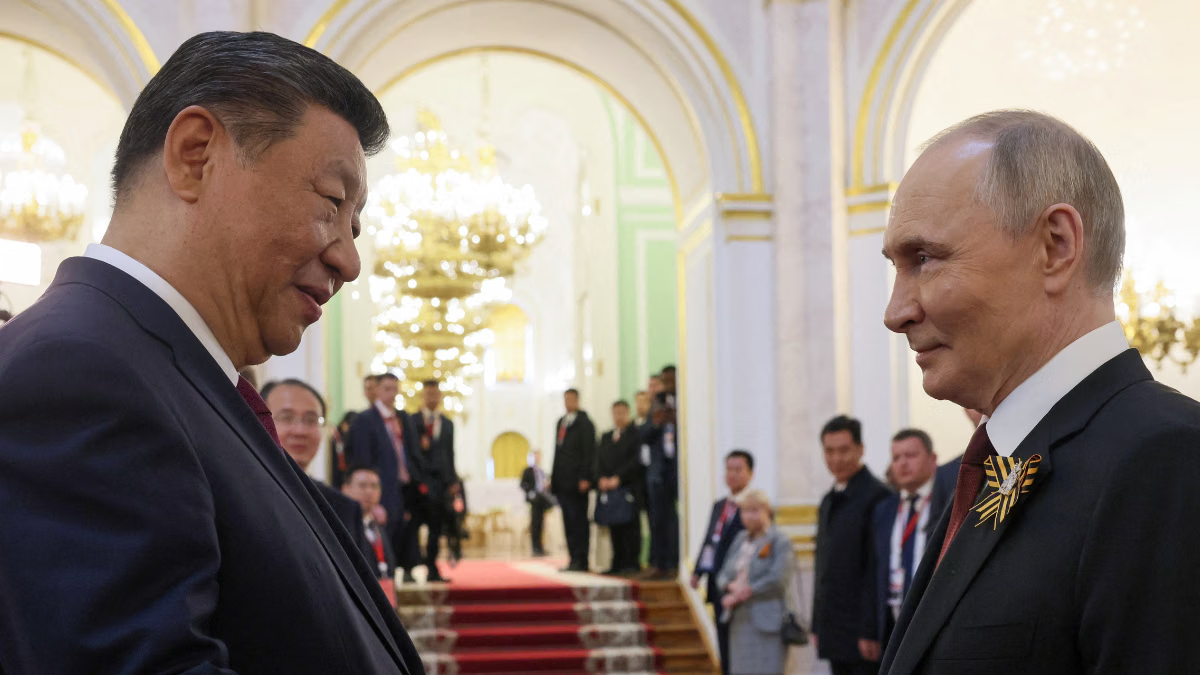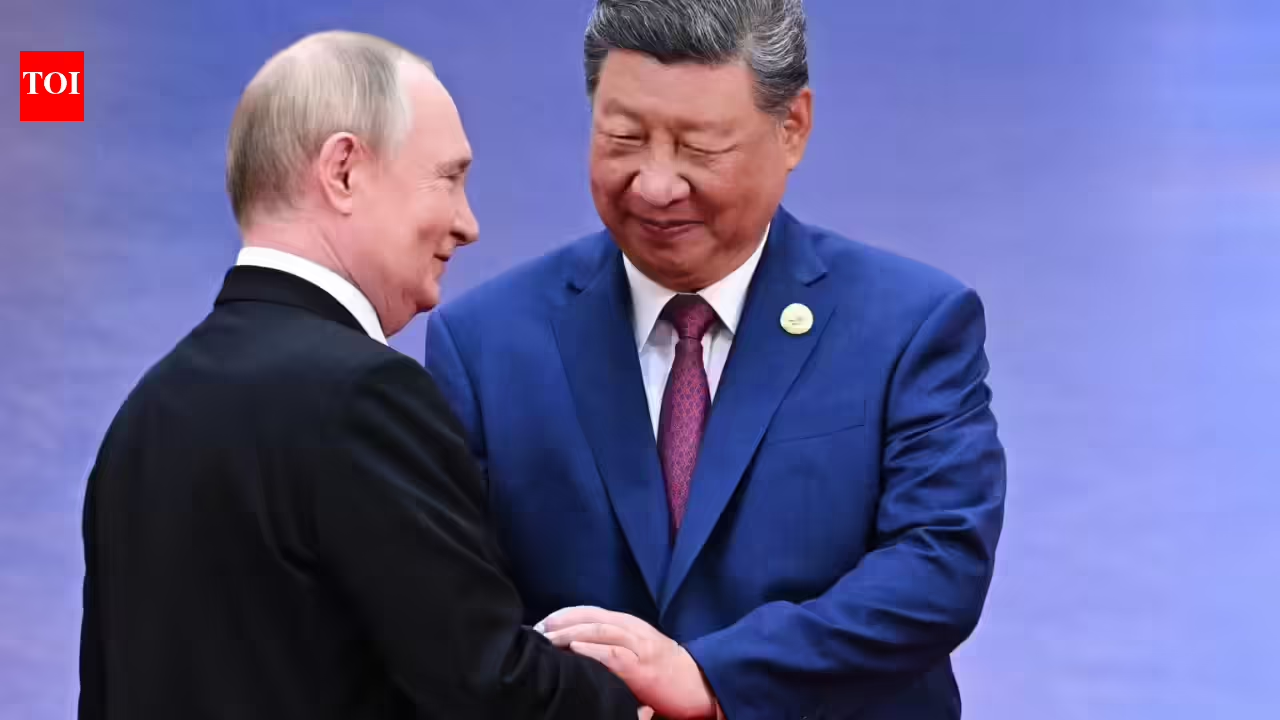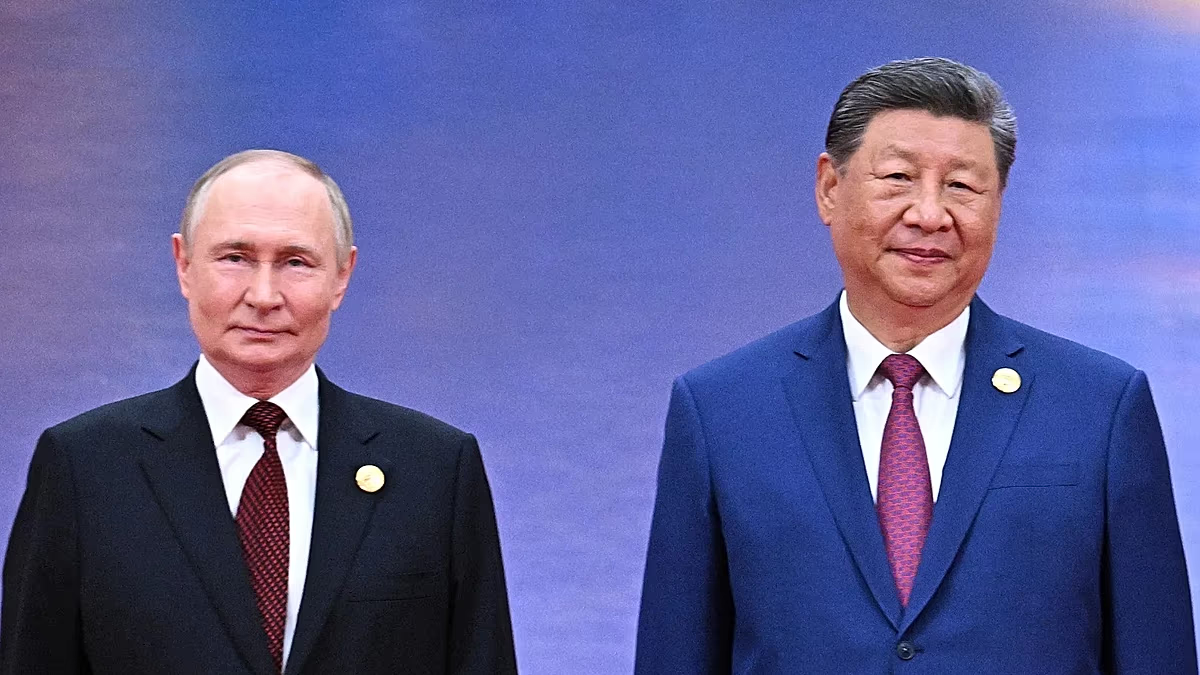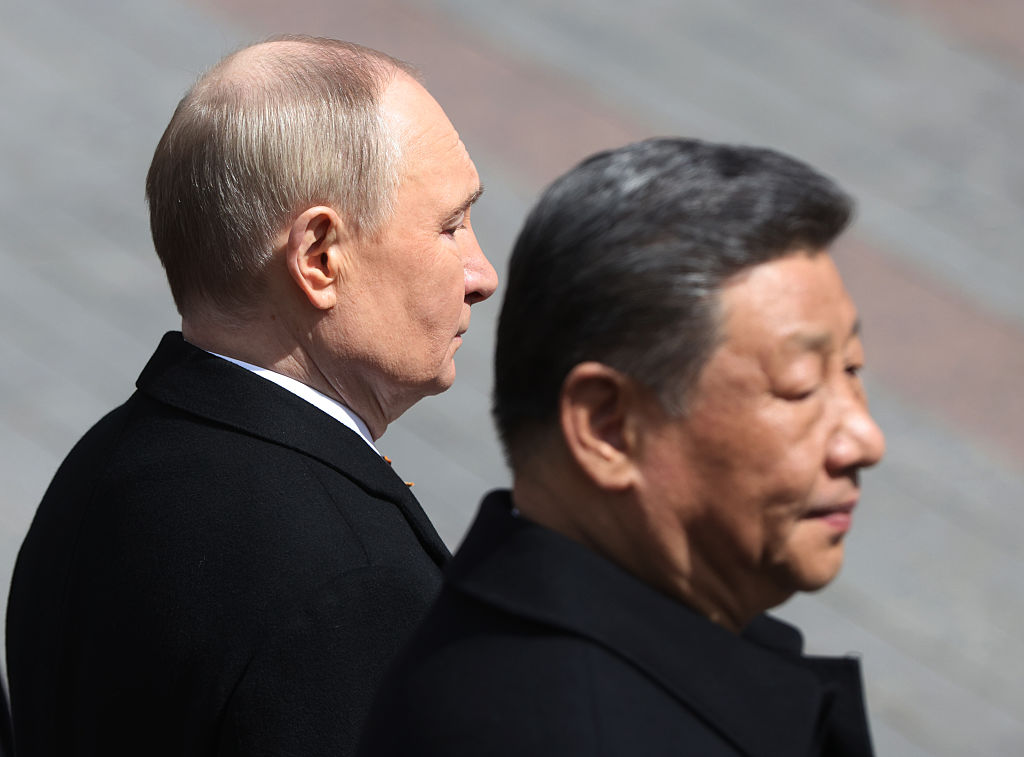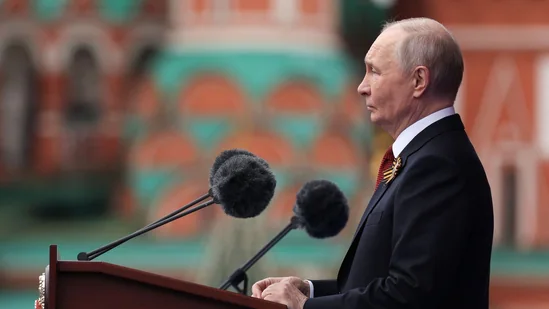
Russian President Vladimir Putin’s two-day visit to Beijing on May 19-20, 2026, arrives at a delicate juncture in global affairs, one that reveals both the enduring strength and the subtle tensions within the Russia-China partnership. Timed precisely to mark the 25th anniversary of the 2001 Treaty of Good-Neighbourliness and Friendly Cooperation, the meeting is more than a ritualistic commemoration. It serves as a calculated reaffirmation of strategic alignment just days after US President Donald Trump’s own summit with Chinese President Xi Jinping. In an era of transactional diplomacy and shifting power balances, this visit underscores how Moscow and Beijing are navigating a world where opportunities for cooperation coexist with underlying asymmetries and competing priorities. Russia's President Vladimir Putin (AFP)The symbolism carries real weight. The 2001 treaty established a framework of mutual respect for sovereignty, border resolutions, and non-interference that has allowed both nations to deepen ties without the formal obligations of a military alliance. By anchoring the visit in this milestone, both leaders project continuity and institutional resilience. Expect warm rhetoric, a joint statement, and a raft of agreements spanning energy, technology, education, and cultural exchanges possibly including the launch of Russia-China Years of Education for 2026-2027. Putin will also hold talks with Premier Li Qiang on trade and economic matters. Yet beneath the pageantry lies a relationship that has evolved significantly since the heady “no-limits” declaration of February 2022. The immediate context, Putin arriving so soon after Trump, elevates the stakes. China has hosted leaders from the world’s two most prominent geopolitical rivals in quick succession, a rare diplomatic feat that positions Beijing as a central node in great-power manoeuvering. For Xi, this sequence demonstrates balanced engagement rather than exclusive alignment. It allows China to pursue selective de-escalation with Washington on trade, technology, and regional flashpoints like Iran while signalling to Moscow that the partnership remains a cornerstone of its foreign policy. For Putin, the timing offers reassurance that China will not pivot too dramatically toward the US at Russia’s expense. He will likely seek detailed briefings on the Trump-Xi discussions, probing for any shifts that could affect sanctions enforcement, dual-use exports, or China’s stance on Ukraine. Economically, the partnership has delivered tangible benefits amid western pressure on Russia. Bilateral trade has hovered around $200- $ 245 billion in recent years, with Russia supplying discounted energy and raw materials while importing Chinese machinery, electronics, and vehicles. This flow has helped Moscow weather sanctions, though it has also created dependencies. China buys Russian oil and gas at advantageous rates, diversifies its energy security, and gains access to resources that bolster its industrial base. Yet nuances abound: trade dipped slightly in 2025 due to market glut in areas like automobiles, and Russia’s economy remains vulnerable to secondary sanctions that could complicate Chinese banks’ willingness to engage. De-dollarisation efforts, greater use of yuan in settlements and alternative payment systems—will feature prominently, reflecting shared interest in reducing vulnerability to western financial leverage, even if full decoupling remains aspirational. Strategically and militarily, cooperation has deepened in areas that worry western capitals. Joint exercises, technology transfers, and intelligence sharing continue, with Russia providing operational insights from Ukraine and China offering industrial-scale manufacturing capacity. Discussions on Arctic routes, Eurasian connectivity, and coordination in forums like BRICS and the Shanghai Cooperation Organization will advance a vision of multipolarity. Both sides routinely critique what they term US hegemony and advocate for a more pluralistic international order. However, the relationship stops short of a full alliance. China has avoided direct lethal aid to Russia’s war effort, prioritising its own economic stability and global image. It benefits from a distracted US but has no desire for prolonged global instability that disrupts trade or energy flows—evident in differing emphases during conflicts involving Iran. For Putin, the visit represents a vital diplomatic lifeline. Russia’s international isolation has made China its indispensable partner for economic survival and political cover. By showcasing robust ties with Xi, Putin counters narratives of weakness and demonstrates that sanctions have not succeeded in severing Russia from the global south and east. Domestically, it reinforces his image as a statesman steering Russia through turbulent times. Yet the asymmetry is unmistakable: China holds greater leverage as the senior economic partner, capable of dictating terms in many transactions. Moscow’s need is more acute, turning what was once a more equal “axis of convenience” into one where Russia increasingly plays a supporting role in China’s broader ambitions. There is a simmering competition below the surface that might become visible once Moscow returns to its pre-2014 position, potentially leading to increased tensions in this no-limit partnership.From Beijing’s perspective, the partnership provides strategic depth. Russia distracts Washington, supplies critical resources, and supports China’s positions on Taiwan, the South China Sea, and global governance. In a period of tentative US-China engagement, maintaining warm relations with Moscow prevents over-dependence on any single power and keeps options open for hedging. Xi can portray the relationship as a pillar of stability and Global South solidarity, even as China expands ties elsewhere in Asia and Europe. Cultural and people-to-people initiatives, including education exchanges, aim to build longer-term resilience beyond elite-level diplomacy.As mentioned earlier, limits and frictions exist. The partnership thrives on shared opposition to perceived western containment more than deep ideological convergence. Divergences exist on issues like the optimal duration of conflicts (Russia may prefer prolonged western distraction; China favours quicker stabilisation for economic reasons), Central Asian influence, and the pace of military integration. China remains wary of secondary sanctions and values its access to western markets and technology. Putin, for his part, must balance deference to Beijing with assertions of Russian autonomy.Globally, the visit reinforces a fragmenting world order. It highlights the challenges facing US strategy: engaging China on trade and security does not automatically isolate Russia, and trilateral dynamics among Washington, Beijing, and Moscow defy simple binaries. It boosts momentum for non-western platforms and alternative architectures, from financial mechanisms to supply chains. Yet it also risks entrenching divisions, complicating efforts at broader cooperation on transnational issues like climate, AI governance, or nuclear proliferation.In essence, Putin’s trip to China is neither a dramatic breakthrough nor empty theatre. It is a pragmatic calibration of a vital but imperfect partnership at a moment of geopolitical fluidity. For both leaders, it offers an opportunity to lock in gains, manage risks, and project unity amid uncertainty. The outcomes, new deals, aligned talking points, and visible camaraderie will likely be incremental rather than transformative. Yet in today’s environment, where symbolism and signalling carry outsized influence, even incremental reinforcement of the Russia-China axis carries significant implications for the balance of power, economic resilience, and the trajectory of great-power competition in the years ahead. The world will be watching not just for what is announced in Beijing, but for how this relationship continues to evolve in response to pressures from Washington and beyond.(The views expressed are personal)This article is authored by Pravesh Kumar Gupta, associate fellow (Eurasia), Vivekananda International Foundation, New Delhi.
Why Putin’s post-Trump visit to China matters so much
This article is authored by Pravesh Kumar Gupta, associate fellow (Eurasia), Vivekananda International Foundation, New Delhi.
1,157 words~5 min read