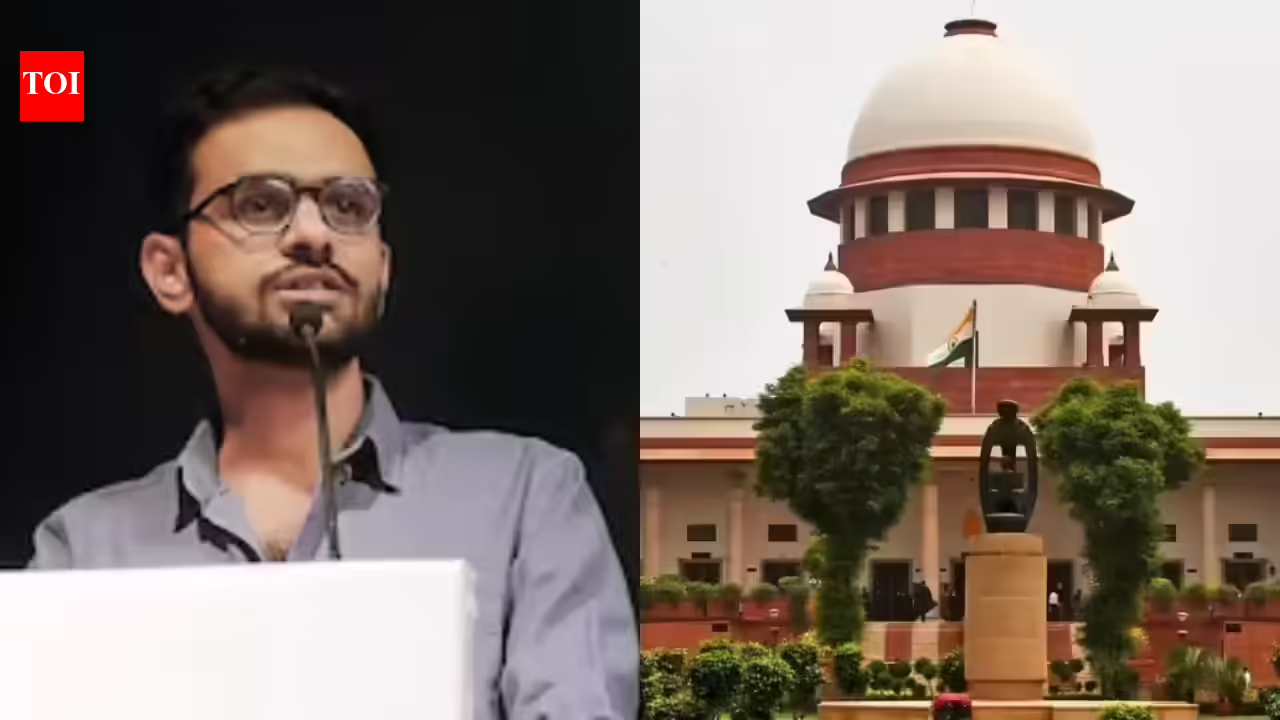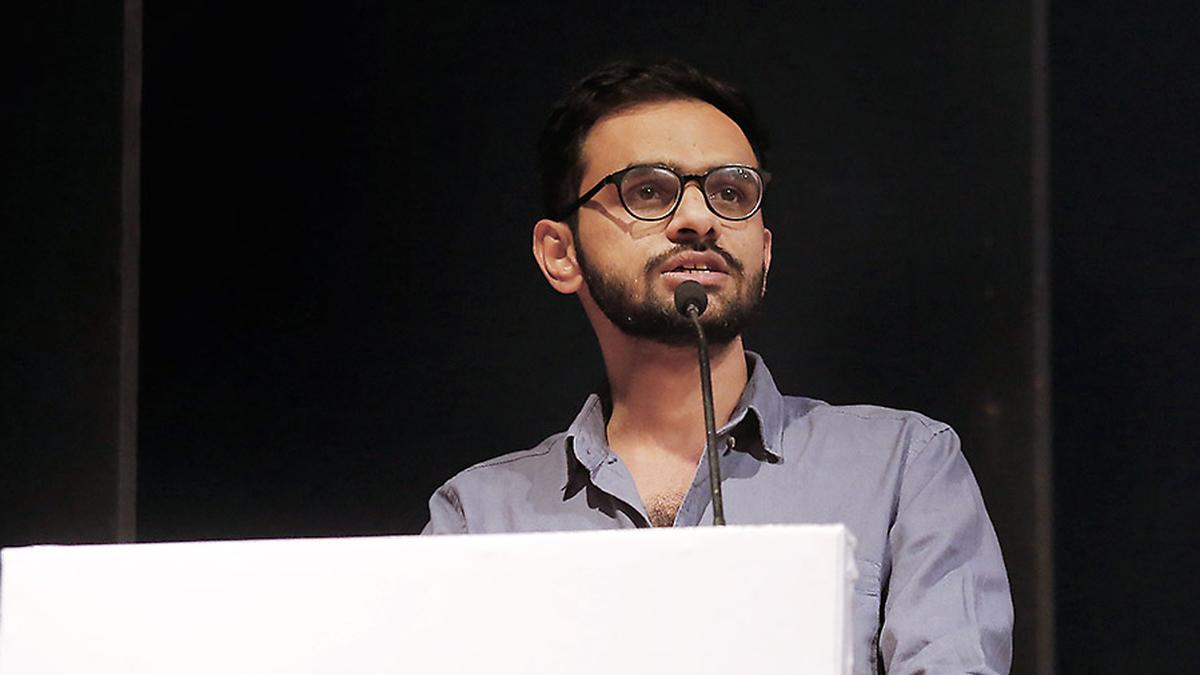
The idea of justice should never allow for the indefinite imprisonment of someone without trial. However, The Unlawful Activities (Prevention) Act (UAPA), does so, through its stringent Section 43-D(5), which makes bail near impossible once a court is satisfied, on the prosecution’s material, that a prima facie case exists against the accused. But on May 18, in Syed Iftikhar Andrabi vs National Investigation Agency, Jammu, the top court delivered a welcome restatement of the principle that bail should be the rule even in cases related to the UAPA. The Bench granted bail to Andrabi, who had spent over five years and nine months in pre-trial custody. The Bench also clarified the legal position where an undertrial has spent years in custody without any realistic prospect of the trial concluding. By reiterating that the right to personal liberty and a speedy trial cannot be subservient to the provision in Section 43-D(5), the judgment disapproved the reasoning in two two-judge Bench rulings, Gurwinder Singh (2024) and Gulfisha Fatima, decided earlier this year. Both had sought to dilute the principle laid down by a three-judge Bench in K.A. Najeeb (2021), which held that the “rigours” of Section 43-D(5) would “melt down” where there was no likelihood of the trial concluding within a reasonable time and the incarceration already undergone was substantial. The Bench also held that the two-judge Benches could not have departed from a binding three-judge ruling in the first place.In Gulfisha Fatima, the Delhi Riots “larger conspiracy” bail decision, the Court denied bail to Umar Khalid and Sharjeel Imam and even foreclosed their right to renew the plea for a full year, despite both having spent over five years in prison. Now in Andrabi, the Court has disapproved the Gulfisha Fatima Bench’s reading that Najeeb was confined to its own facts and was not a constitutional limitation on Section 43-D(5). Consequently, Khalid and Imam should have been granted bail on the basis of the Najeeb ruling, and not denied it on a narrower reading of it. This is a welcome intervention, provided it is binding in all such cases, even if it is only about the favourable consideration of bail pleas where the accused have been in custody for long periods without trial, and not about a right to bail under the UAPA. Tellingly, a day after Andrabi, Additional Solicitor General S.V. Raju told another Bench that under the UAPA’s statutory bail bar, “the presumption of innocence takes a backseat” which is precisely the position Andrabi has now set itself against, in line with constitutional principles. Published - May 21, 2026 12:20 am IST
The bail rule: On liberty and the Andrabi ruling
The Andrabi ruling upholds liberty over the stringent Unlawful Activities (Prevention) Act bar
433 words~2 min read