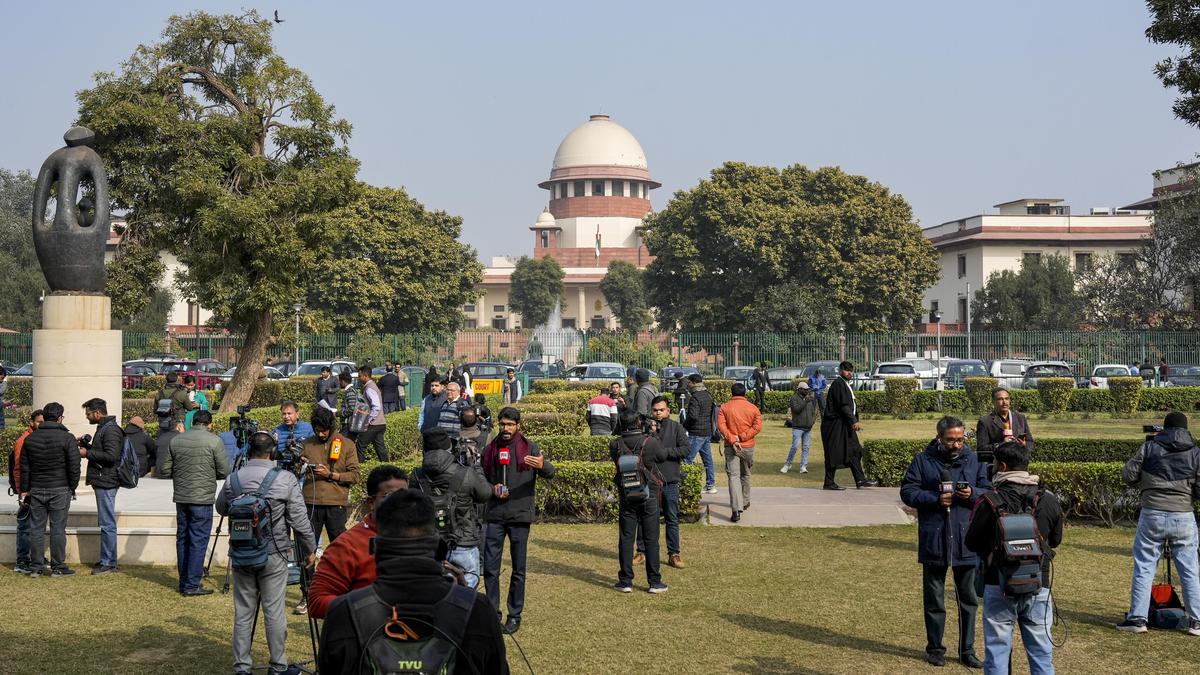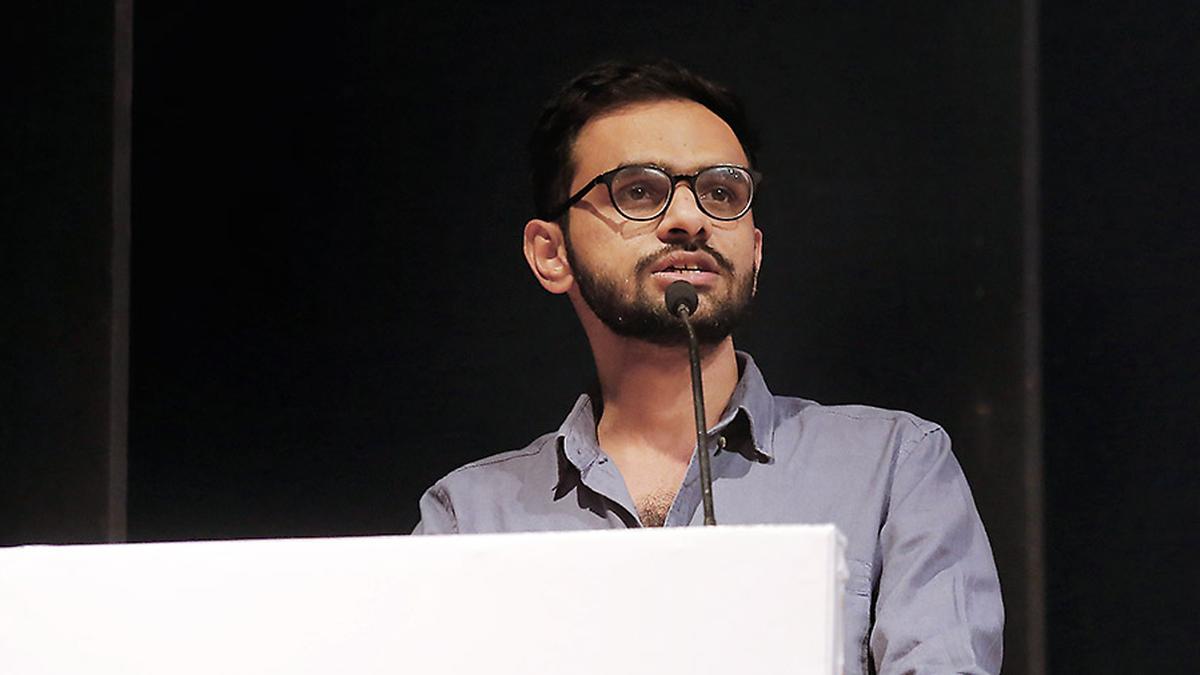
The Supreme Court’s critical observation on the denial of bail to Jawaharlal Nehru University (JNU) scholar and Delhi riots accused Umar Khalid could brighten his prospects of challenging the decision against him by filing a curative petition,a member of Khalid’s legal team said.The January 5 judgment had rejected bail pleas filed by Umar Khalid and Sharjeel Imam in the Delhi riots conspiracy case while granting relief to five co-accused. (File Image)Khalid, along with his co-accused Sharjeel Imam, were denied bail by the top court on January 5 by a two-judge bench of Supreme Court justices Aravind Kumar and NV Anjaria. Later, Khalid preferred a review petition that met the same fate as it was declined by the judges sitting in chambers (not in open court) on April 16.ALSO READ | Supreme Court criticises its January verdict denying bail to Umar Khalid, Sharjeel ImamThe last legal remedy left for Khalid to challenge the judgment against him is to file a curative petition. Such petitions are heard by a larger bench comprising the judges who have decided the case along with the top three judges of the Supreme Court (including the Chief Justice of India).The scope of filing a curative petition is extremely limited – they are admitted only if a litigant can show that they were not given a fair hearing, that there was bias in the judgment, or that the court’s process was abused in a way that caused grave injustice. Such petitions are decided in chambers unless the judges decide to list the matter in open court.Khalid is yet to file a curative petition. Imam has still not filed his review petition against the January 5 judgment. However, Khalid’s legal team believes that the present judgment gives a ray of hope for both to appeal.“We are studying the judgment and will decide on the future course of action. The interpretation of law in the context of constitutional freedoms is one of the grounds to be taken while filing a curative,” the lawyer cited above said.ALSO READ | Umar Khalid case shows bail denial can't be punishment, says ex-CJI ChandrachudThe judgment passed on Monday by a bench of justices BV Nagarathna and Ujjal Bhuyan said, “We have serious reservations on various aspects of the judgment in Gulfisha Fatima, including foreclosing the right of the two appellants to seek bail for a period of one year.”The court raised doubts on the manner in which this judgment interpreted a 2021 judgment of the top court in KA Najeeb case (2021) decided by a three-judge bench which deprecated pre-trial detention.
Supreme Court remarks on bail denial order may give ray of hope to Umar Khalid
The apex court also said that the Najeeb judgement “is binding law....” that cannot be “disregarded” even by “benches of lower strength of this court.” | India News
427 words~2 min read