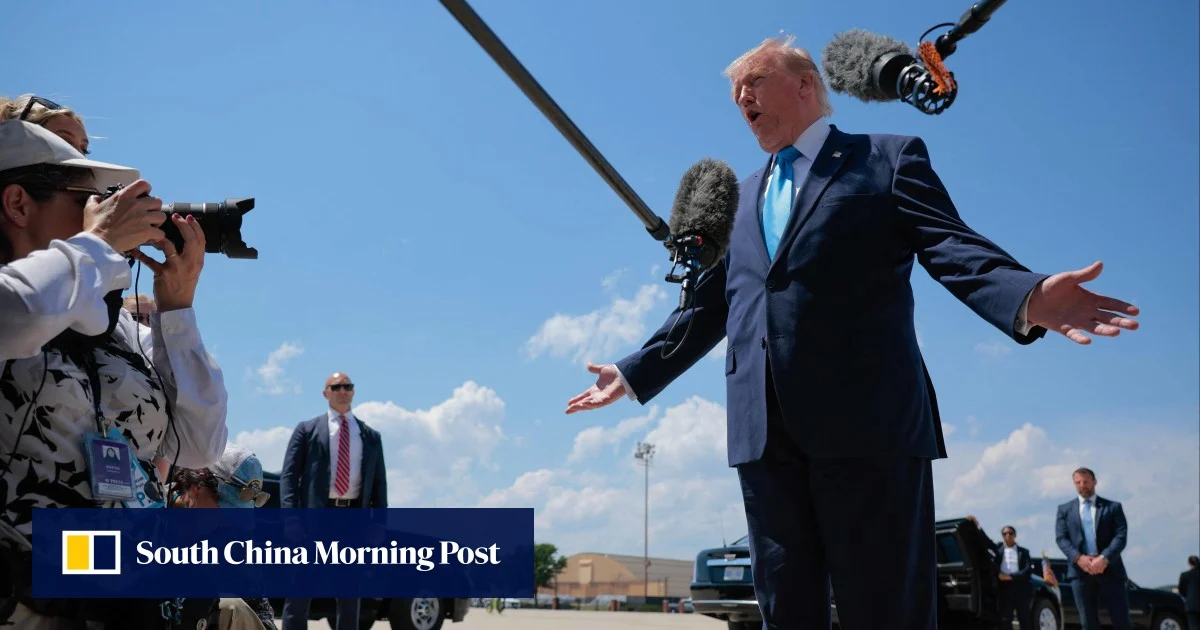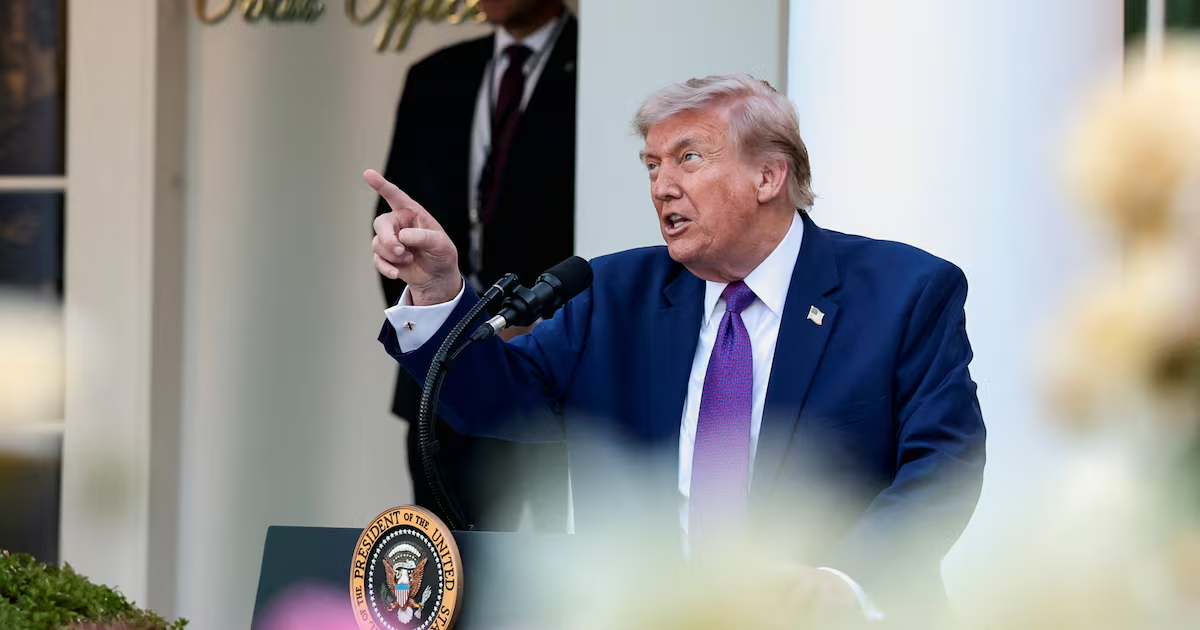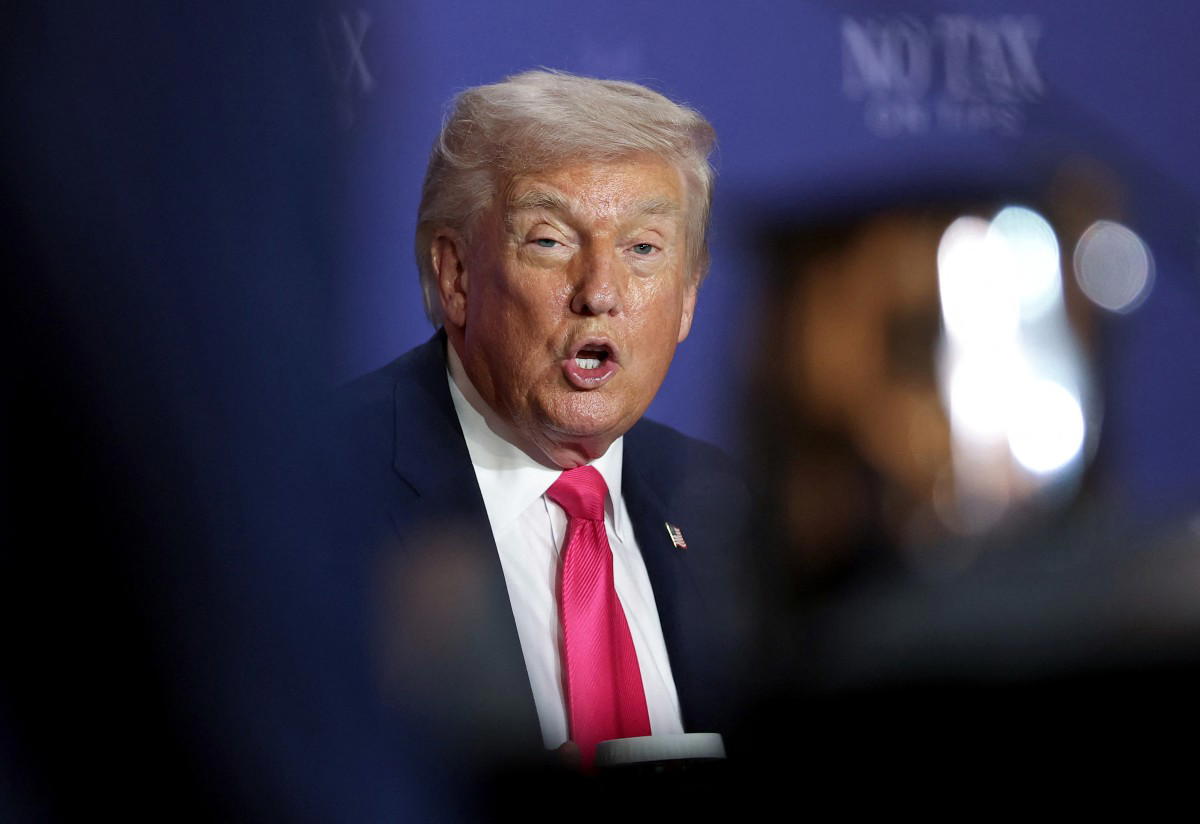
Donald Trump announced the United States is nearing the end of its negotiations with Iran, extending a temporary ceasefire window by three to five days to give diplomacy one more shot. The move buys time, but not much of it. Trump has made clear that military options remain on the table if talks collapse.
The message is classic Trump negotiation theater: an olive branch in one hand, a cruise missile in the other. He warned that strikes could come within two to three days if Iran doesn’t reach an agreement, framing the situation as one where patience is running thin and the clock is very much ticking.
The ceasefire extension and what’s at stake
The three-to-five-day extension is designed to create space for what Trump describes as final-stage negotiations. The core issues on the table are familiar ones: Iran’s nuclear program, the web of US sanctions choking Tehran’s economy, and the broader security architecture of the Middle East.
Here’s the thing. According to a US source, Trump privately believes the military options have been largely exhausted in terms of their strategic value. But he’s not saying that publicly. Instead, the public posture remains aggressive, with explicit warnings that strikes could resume on a very short timeline if diplomacy doesn’t deliver results.