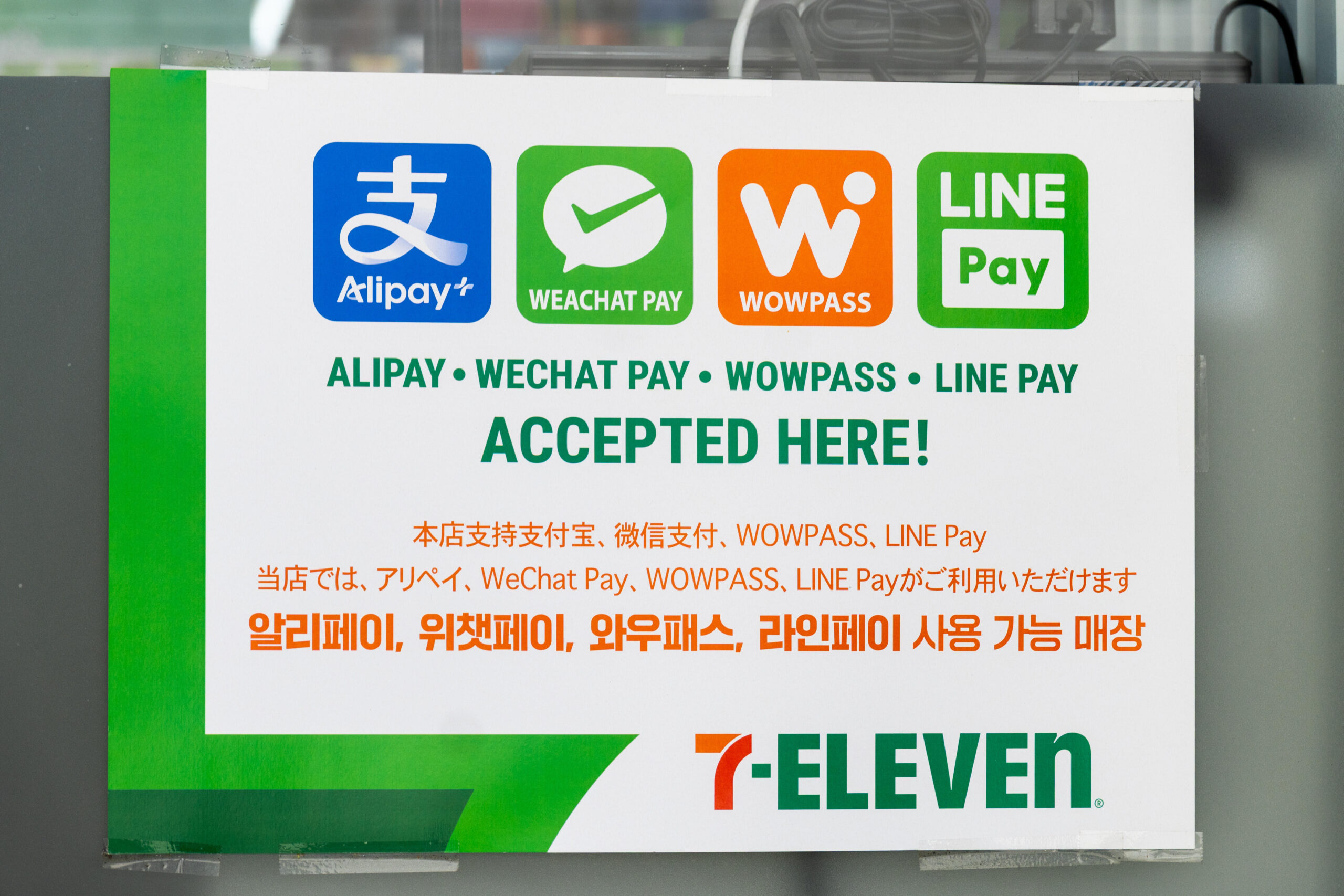
Much progress has been made in the use of local currencies for cross-border payments since I last took stock in 2023. This trend has been driven by countries’ efforts to reduce costs, limit exposure to foreign-exchange volatility, and lessen vulnerabilities stemming from reliance on a handful of major currencies for cross-border payment transactions. It has also been facilitated by innovations in payment and settlement technology, including, more recently, applications powered by artificial intelligence.
Continued growth in the use of local currencies in cross-border payments is likely to lead to a more diversified and fragmented international payments landscape. Contrary to speculation from some market participants, however, this does not necessarily mean that another national currency—such as the euro or renminbi—is close to replacing the US dollar as the dominant currency in international finance.
Modernizing the plumbing of international finance
The infrastructure needed to use local currencies for cross-border payments has several components—all of which are now being implemented in a growing number of countries.
First and foremost is the transition to Instant Payment Systems (IPS), which provide real-time or near-real-time settlement and comply with ISO 20022 for financial messaging between financial institutions and national systems. These efforts have been closely aligned with the G20 Roadmap for Enhancing Cross-Border Payments that was launched in 2020 and aims to be completed by 2027.