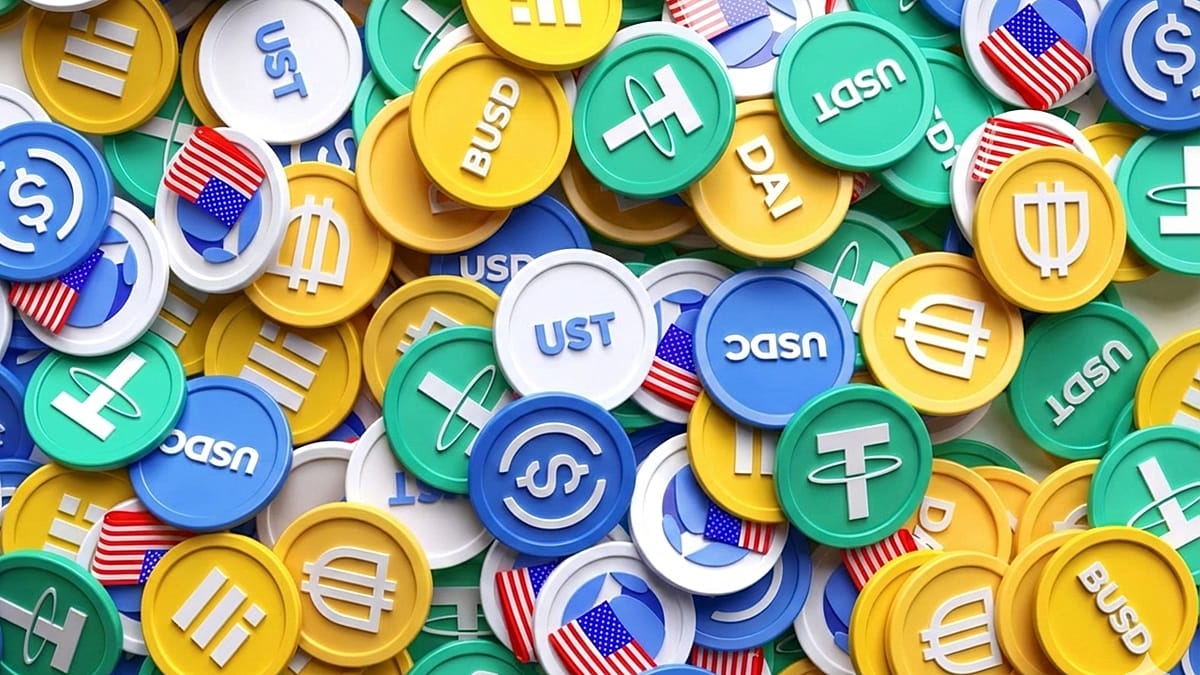
Every year, workers around the globe send approximately $900 billion to their families back home and, when it comes to helping them send that money, the market is suddenly up for grabs. The reason is the recent momentum behind stablecoins, which offer an easy way to move money across borders—and for a far cheaper price than legacy transfer systems, whose fees can reach as high as 6%.
Stablecoins, which are backed by reserves designed to peg their value to a fiat currency like the dollar, were long used by experienced crypto traders. Today, millions of ordinary people are using them too via digital wallets. All of this raises an intriguing business question: What companies are best poised to capitalize on the new stablecoin trend?
Will it be a legacy remittance player, like a Western Union or MoneyGram? Or will it be a crypto-native company, like a Kraken or Coinbase, or instead PayPal or one of the growing number of fintechs entering the stablecoin space?
While the emerging stablecoin industry is there for the taking, experts say that both legacy remittance players and newer entrants each possess their own set of advantages and challenges.
A broken remittances system