One Market, One Future: Reframing Africa’s Economic Potential
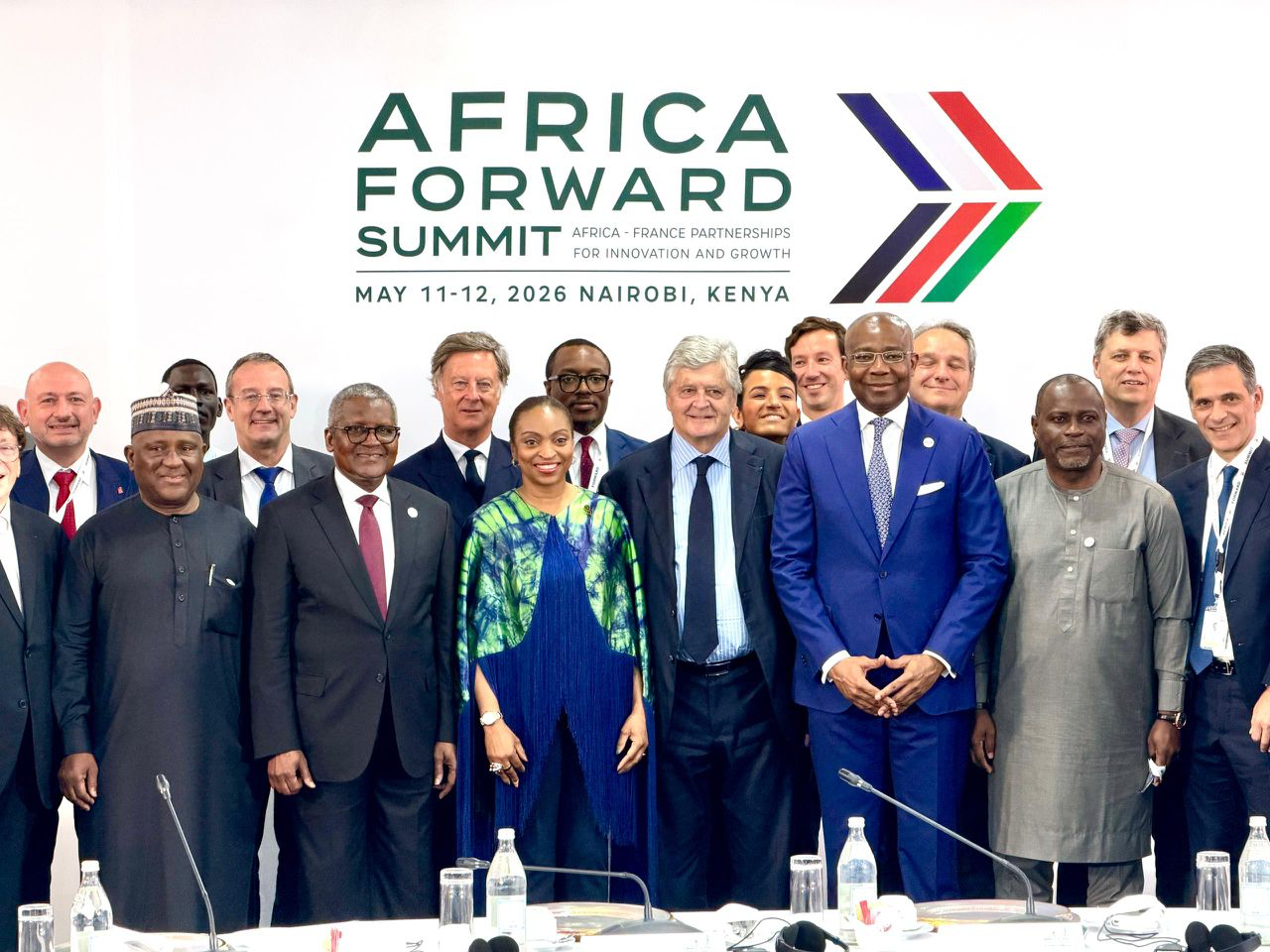
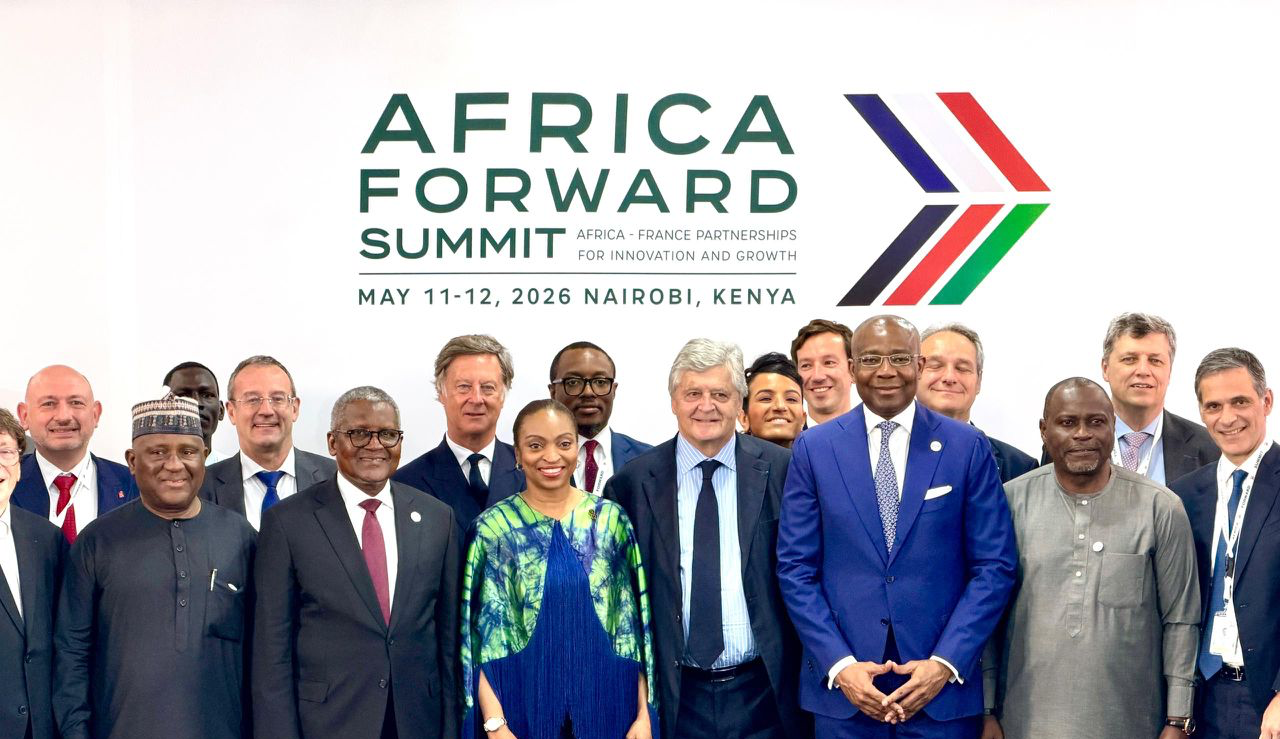
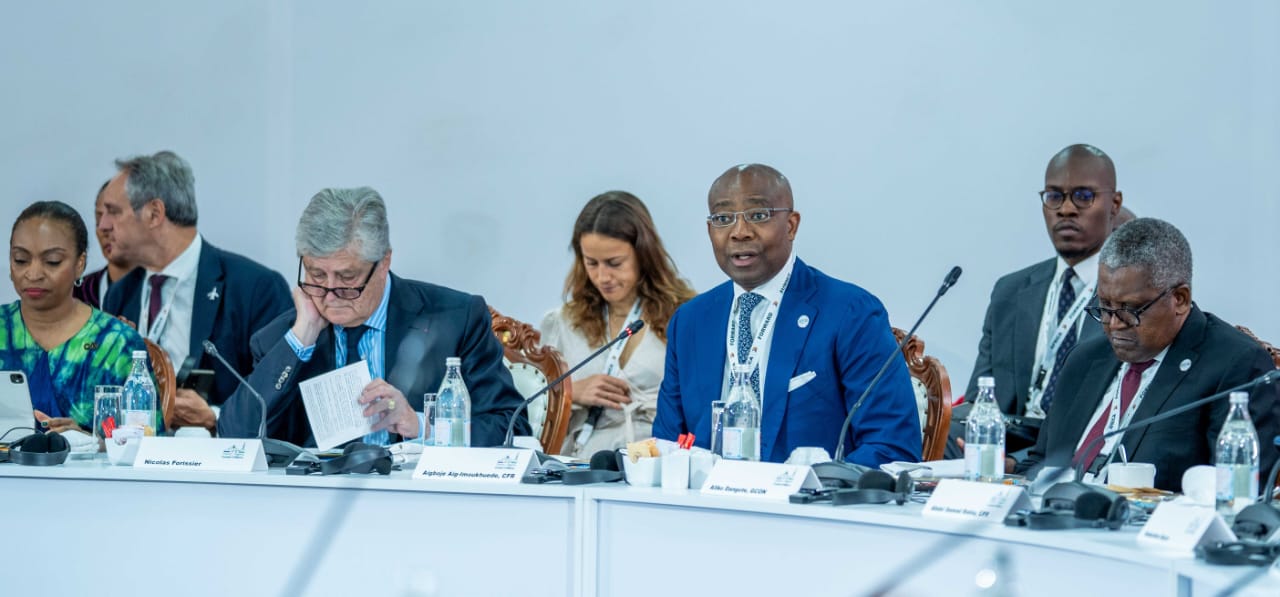
L-R: Jumoke Oduwole, Minister of Industry, Trade and Investment; Nicolas Forissier, French Minister Delegate for Foreign Trade and Economic Attractiveness; Aigboje Aig-Imoukhuede, Chairman, Access Holdings PLC and President, France Nigeria Business Council, and Aliko Dangote, President, Dangote Group, during FNBC meeting at Africa Forward Summit in Nairobi, Kenya…recently.
A defining idea emerged at the Africa Forward Summit 2026, cutting through familiar narratives about Africa’s growth: the continent can no longer be seen as a collection of fragmented economies, but as a unified, connected market with the scale to influence global demand, investment, and innovation.This point of view was led by Aigboje Aig Imoukhuede, Chairman of Access Holdings and President of the France Nigeria Business Council (FNBC), representing a conceptual shift and strategic imperative. Across his interventions at the summit, which were held in Nairobi, Kenya, recently, he articulated a vision of Africa that moves beyond geography and politics to focus on what truly drives economic transformation: scale, integration, and execution.
From Fragmentation to ScaleFor decades, Africa has been analysed, and often undervalued, through the lens of its 50-plus national markets, each with its own regulatory environment, currency risks, and infrastructure gaps. This fragmentation has shaped investor perception, inflated risk pricing, and limited the continent’s ability to compete globally.But as Aig Imoukhuede emphasised, this perspective no longer reflects Africa’s emerging reality.The continent’s combined population, projected to reach over two billion people in the coming decades, alongside rapid urbanisation and rising consumer demand, creates a market of unprecedented scale. When viewed as an integrated economic space, Africa becomes not just investable, but indispensable to global growth.This shift in perspective underpins a more strategic argument: Africa’s future competitiveness depends on its ability to operate as a unified market, rather than a collection of isolated economies.