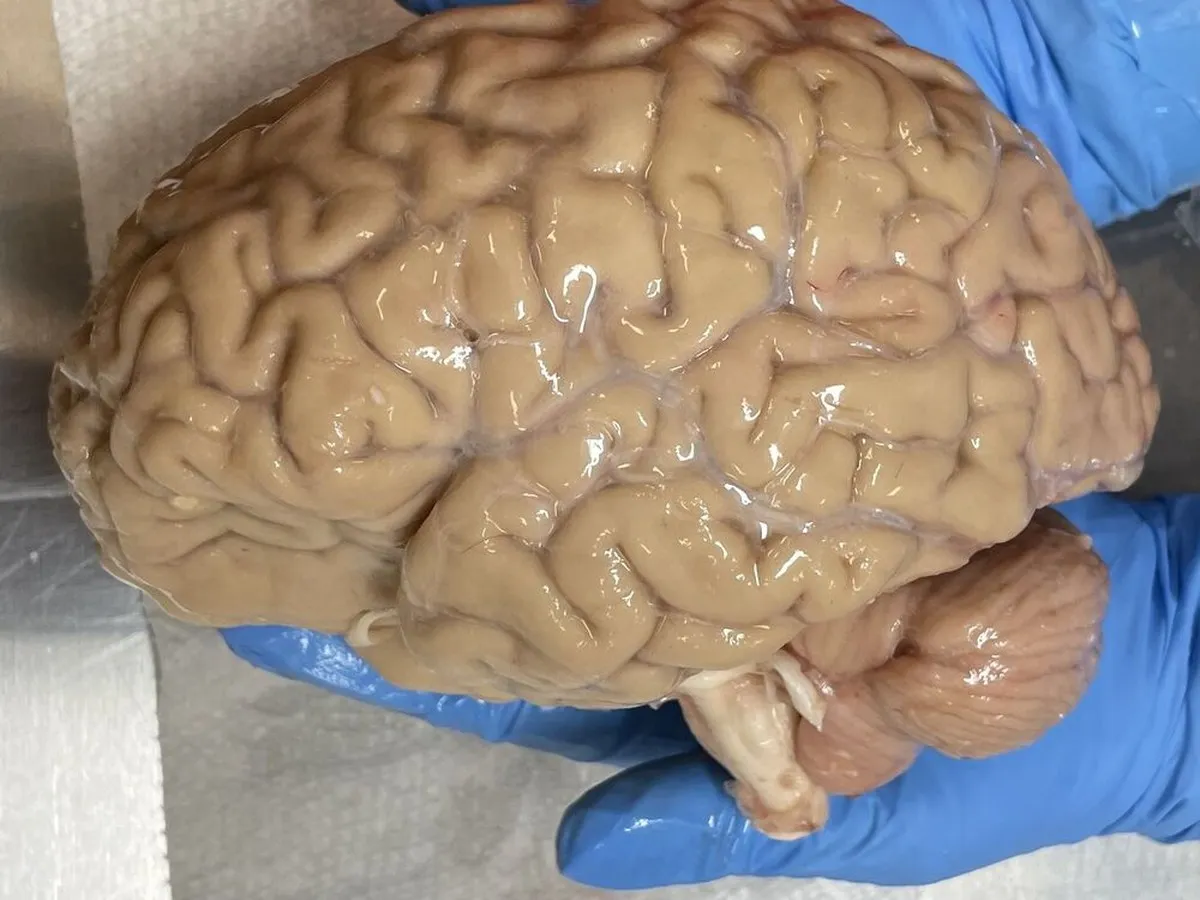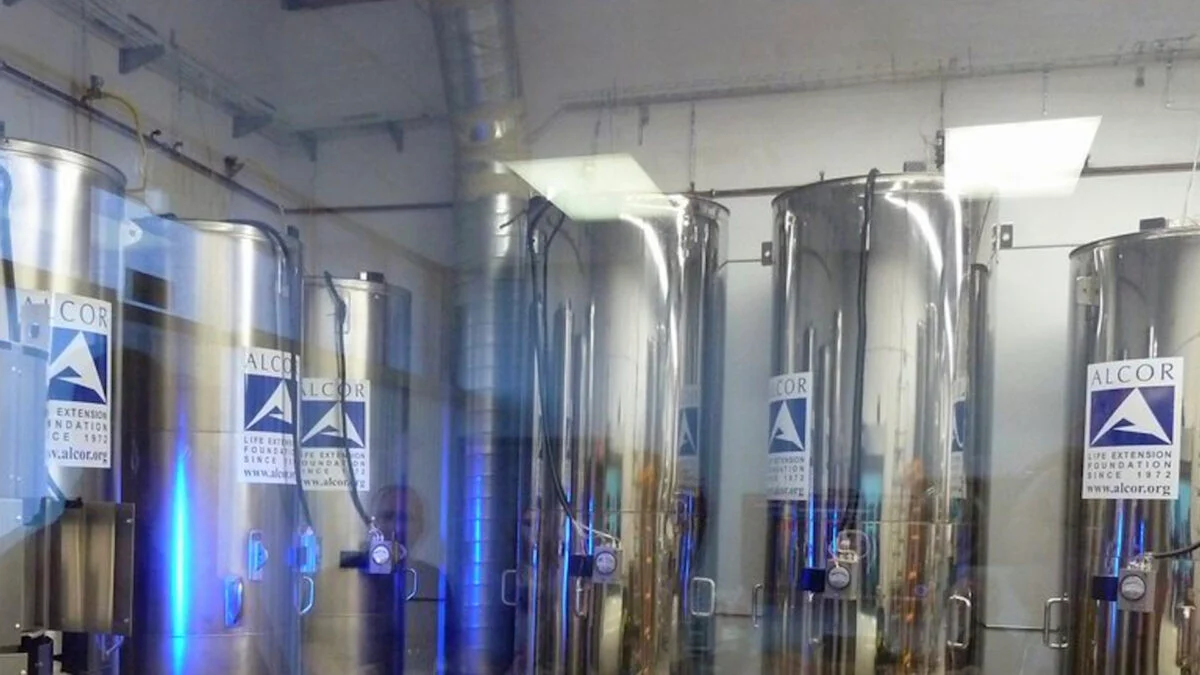
The gamble of cryonically preserving one’s own body for reanimation somewhere off in the future (or, more frugally, just one’s brain) is ultimately a big bet on the increasing ingenuity and benevolence of the human race. It’s the kind of question we often put to science fiction writers, but what do medical professionals think about the state of this technology? Neuroscientist Ariel Zeleznikow-Johnston at Monash University in Australia wanted to find out, surveying over 300 physicians—including primary care doctors, intensive care providers, neurologists, anesthesiologists, and other specialists. While a little over one in four of these physicians (27.9%) reported that they believed it was “plausible,” or even “very plausible,” that cryonic preservation could potentially lead to some form of revival for patients one day, the data got really interesting when sliced by medical specialty. When asked to weigh the probability that “critical psychological information” could be adequately preserved by whole brain preservation and revival, neurosurgeons were much more bullish on average, collectively giving the procedure a 72% median estimated probability of success. Zeleznikow-Johnston and his colleague’s entire pool of 334 physicians, by contrast, only granted this futuristic medical intervention a 25.5% median estimated probability of success.
Neurosurgeons Are Weirdly Optimistic About Cryonics for Life Extension, Survey Finds
Researchers surveyed over 300 physicians to get their take on leaving patients in suspended animation for future revival.
696 words~3 min read