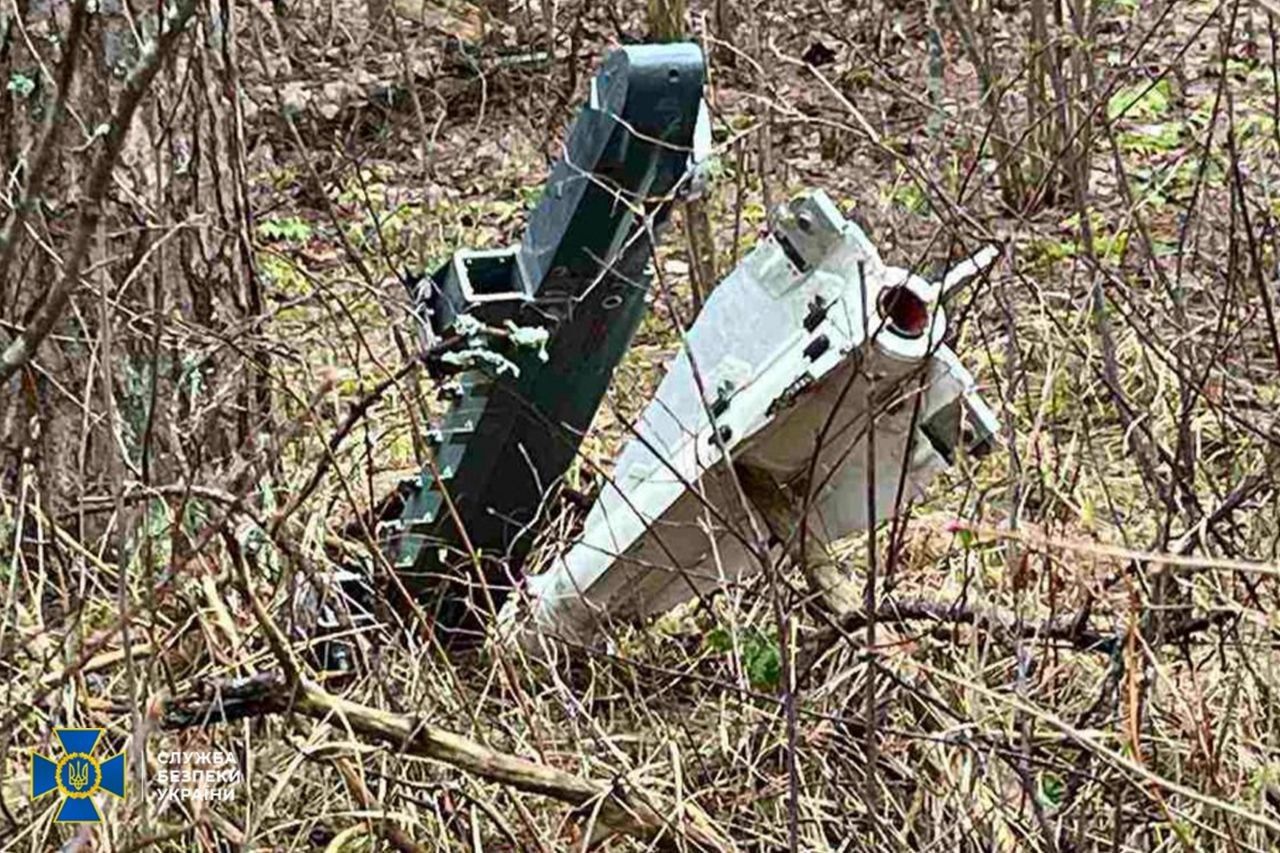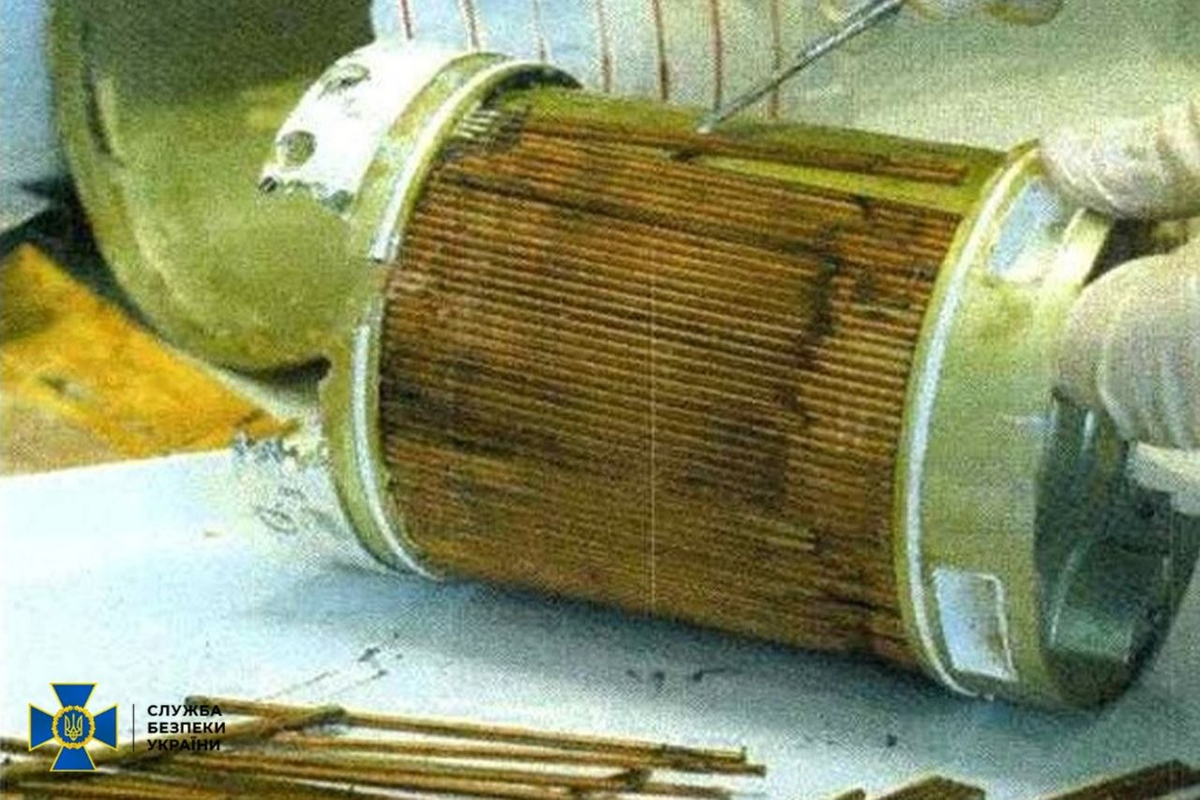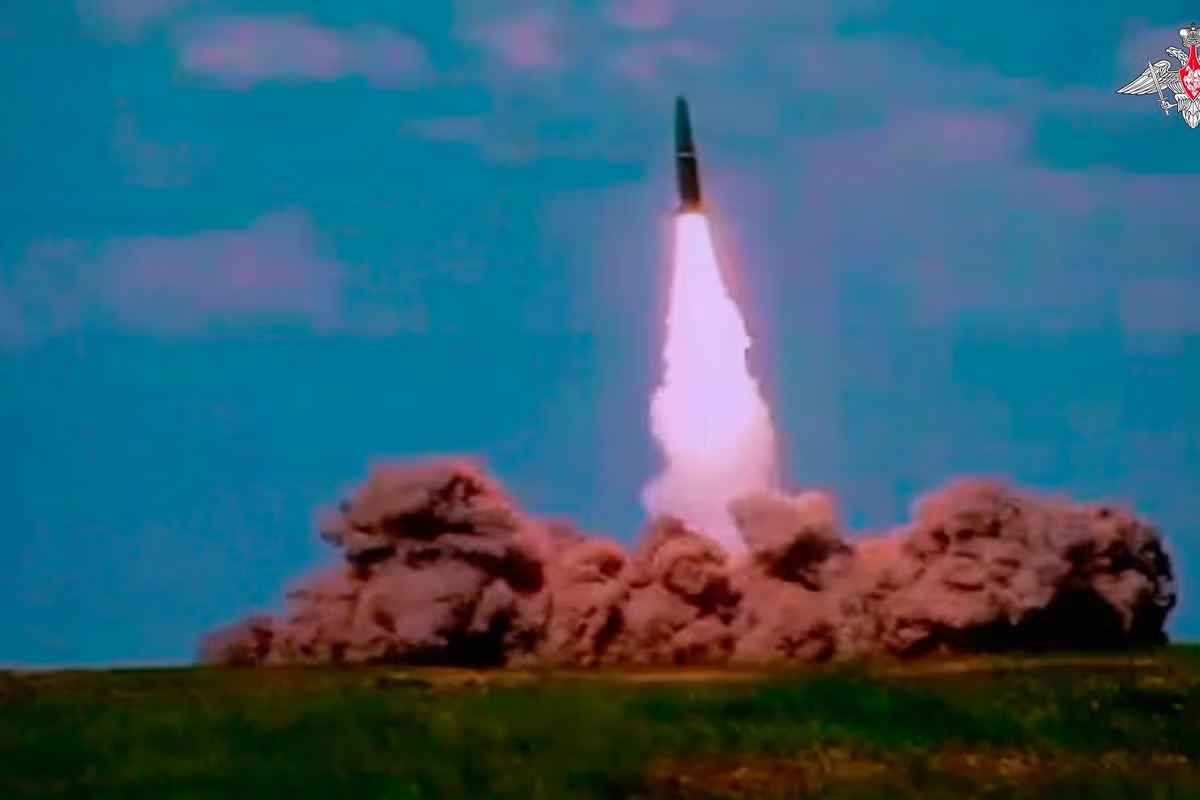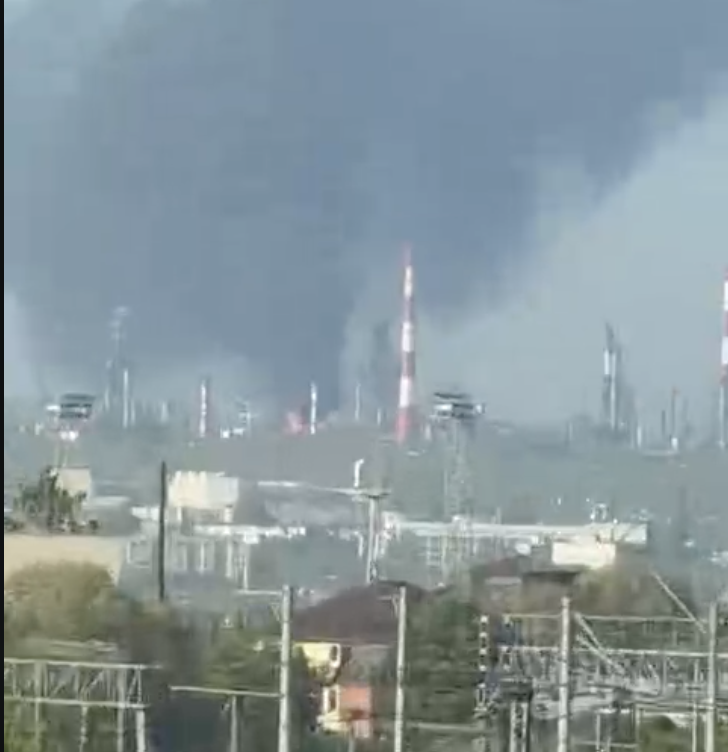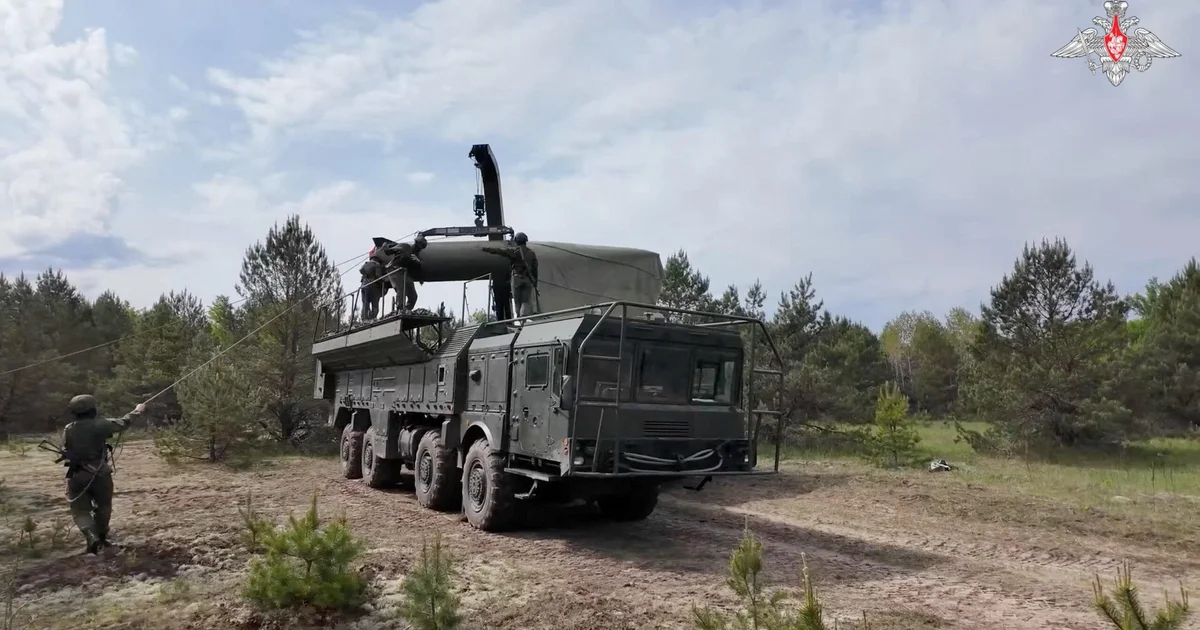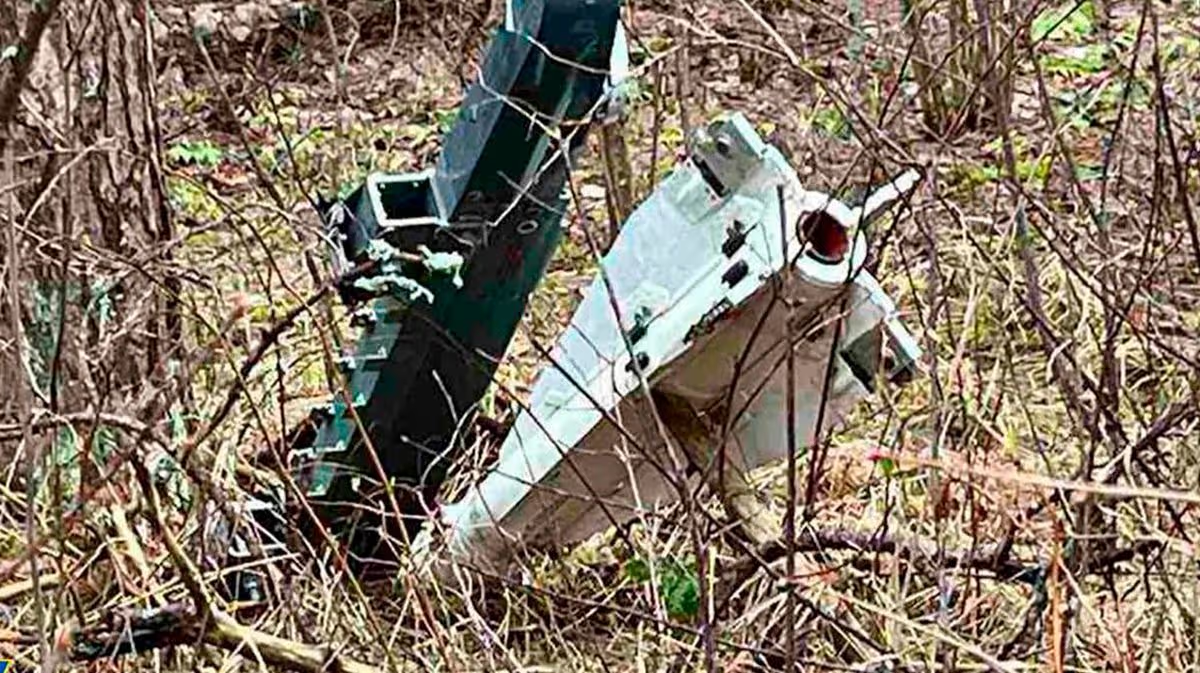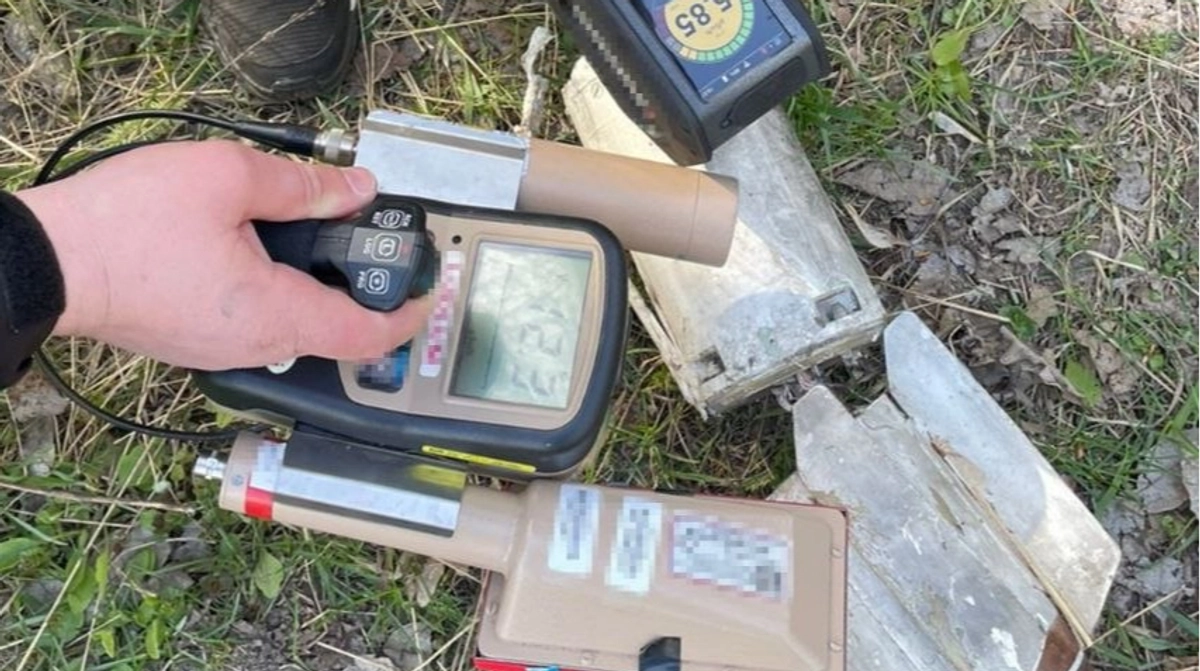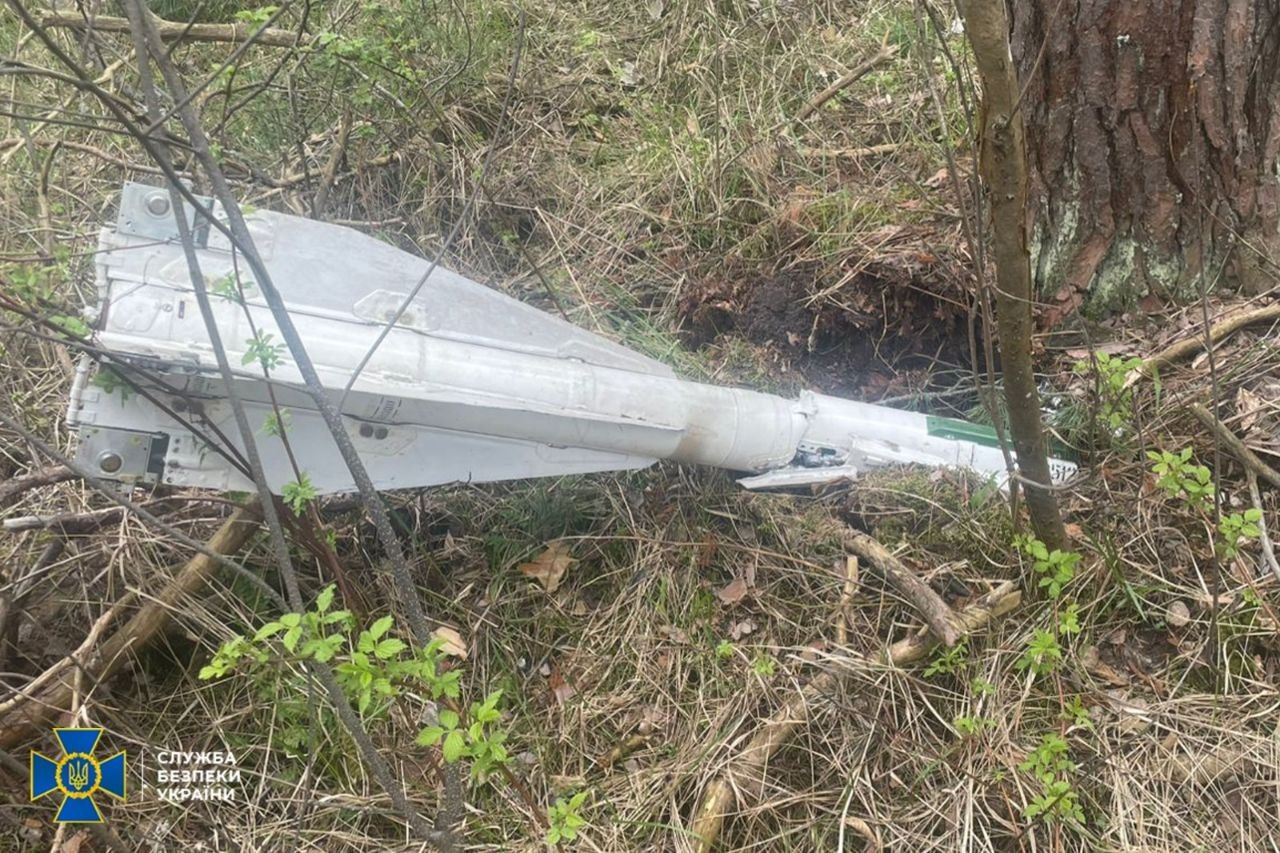
Key developments on May 20:Russia arming missile warheads with depleted uranium, Ukraine's SBU saysNATO chief warns Russia of 'devastating' consequences if nuclear weapons are used against UkraineLithuania sounds air alarm for first time due to suspected drone threat from BelarusSyrskyi reveals how many Russians have been killed in Ukraine since start of 2026Major Russian oil refinery in Nizhny Novgorod hit by Ukrainian drones for second time in a week, General Staff confirmsRussian missiles armed with depleted uranium warheads were discovered after an attack on Ukraine's Chernihiv Oblast last month, Ukraine's Security Service (SBU) said on May 20.Elevated levels of radiation were detected from an unexploded R-60 air-to-air missile, which was mounted on a modified Geran-2 drone and used by Russian forces to target Ukrainian helicopters and aircraft conducting air defense missions.The SBU said the source of the radiation was depleted uranium projectiles, specifically Uranium-235 and Uranium-238.Depleted uranium is a by-product of uranium enrichment. It is roughly two and a half times denser than steel, which makes it particularly effective for piercing heavy armor on the battlefield.The SBU, alongside the units of the State Emergency Service and the Ukrainian Armed Forces, secured the missile's warhead and transported it to a radioactive waste storage facility.The debris of a drone and a missile, which were used in an April 7 Russian attack on Ukraine's Chernihiv Oblast. (the Security Service of Ukraine / Telegram)A gamma radiation level of 12 micro-Sieverts per hour was recorded, which significantly exceeds the natural radiation background and poses a threat to human health.The SBU further warned Ukrainian citizens to be extremely cautious if they come across debris from drones, missiles, or other munitions, given the toxicity and radioactivity of depleted uranium."Damaged or burnt munitions pose the greatest danger, as they can release radioactive dust that is hazardous to people and the environment," the SBU said.Investigators from the SBU are conducting a pre-trial investigation under Article 438 of the Criminal Code of Ukraine regarding war crimes, with procedural supervision from the Chernihiv Regional Prosecutor's Office.NATO chief warns Russia of 'devastating' consequences if nuclear weapons are used against UkraineNATO Secretary-General Mark Rutte said on May 20 that if Russia uses nuclear weapons against Ukraine, the reaction from NATO will be "devastating".Russia and Belarus have begun joint nuclear weapons drills amid what Moscow described as the "threat of aggression," the Russian Defense Ministry said on May 19.The drills, scheduled to run through May 21, involve Russia's Strategic Missile Forces, the Northern and Pacific fleets, long-range aviation command, and units from the Leningrad and Central military districts, the ministry said.The exercises have added significance as they come amid growing warnings from Kyiv that Russia is trying to draw Belarus deeper into its war against Ukraine, while also expanding military infrastructure that could support future Russian operations against Ukraine or NATO's eastern flank.Rutte was asked by journalists at a pre-ministerial press conference at the Foreign Ministers Meeting of NATO about the possibility of a Russian nuclear strike."Well, (Russia) knows if that happens, the reaction is devastating," Rutte said, adding that NATO was monitoring the exercises closely.The exercises include preparations for the use of nuclear forces and launches of ballistic and cruise missiles at test ranges within Russia, according to the ministry.More than 64,000 personnel and over 7,800 pieces of military equipment are taking part in the drills, including more than 200 missile launchers, more than 140 aircraft, 73 surface ships, and 13 submarines, eight of them strategic missile submarines, the ministry said.The stated goals of the exercises are to improve command coordination, test troop readiness, and practice "deterrence" operations against a "probable adversary," according to the ministry.Lithuania sounds air alarm for first time due to suspected drone threat from BelarusAn air alert was issued across parts of Lithuania on May 20 after a suspected drone was detected approaching the country from Belarus, Lithuania's National Defense Ministry reported.The incident marked the first time Lithuania activated an air alert tied to a suspected aerial incursion, with NATO Baltic Air Policing deploying a fighter jet in response.Drone activity was recorded near the Belarusian border in eastern Lithuania, but the warning was later extended to the capital, Vilnius, and the surrounding region, Lithuanian broadcaster LRT reported.The drone crossed the Lithuanian border at approximately 09:40 local time, and radar contact was lost around 11:00. Its exact location and origin remain unknown.Residents in affected districts received emergency warnings instructing them to seek shelter."Air alert! Immediately head to a shelter or a safe space," the Lithuanian military warned the residents, as reported by LRT.Operations at Vilnius Airport were temporarily suspended during the alert.Estonian media outlet Delfi reported that Lithuanian President Gitanas Nauseda, Prime Minister Inga Ruginiene, and parliament Speaker Jozas Olekas were in a shelter at the moment of a threat.Zygimantas Pavilionis, a Lithuanian politician, said that the parliament's Foreign Affairs Committee meeting was held in a shelter.Schools and daycare centers were also instructed by Lithuania's National Crisis Management Center to move children to shelters.The incident happened amid Belarus-Russian joint nuclear weapons drills, which began on May 18.Syrskyi reveals how many Russians have been killed in Ukraine since start of 2026Since the beginning of 2026, Russia's total losses have exceeded 141,500 military personnel, of whom more than 83,000 were killed, Commander-in-Chief Oleksandr Syrskyi said on May 20.The figures were revealed in Syrskyi's report on participation in a Ukraine–NATO Council meeting at NATO Headquarters in Brussels.Syrskyi said he briefed participants on the current operational situation at the front lines, the needs of the Ukrainian Armed Forces, and key priorities for strengthening Ukraine's capabilities"I emphasized that active defense tactics allow us to wear down the enemy, regain ground, and inflict maximum losses on the enemy. Every day, the Russian army loses at least a thousand soldiers killed and wounded," Syrskyi said.He added that Ukraine's unmanned systems units have been essential to this effort and largely as a result of its work, Russia has been losing more personnel than it can mobilize.According to Syrskyi, Ukraine has notably ramped up the number of strikes deep behind Russian lines by quickly deploying mid-range strike drones, and Ukrainian troops have made progress in weakening Russian air defenses at closer ranges, enabling more effective attacks on logistics hubs, oil refineries, and defense-industrial facilities of Russia.President Volodymyr Zelensky said on March 10 that "out of 100% of losses, 62% are killed and 38% wounded" among Russian forces, citing intelligence assessments reviewed by Ukraine — a ratio of nearly 2:1.Syrskyi's latest figures equate to a slightly lower percentage of 58% killed to 42% wounded.Major Russian oil refinery in Nizhny Novgorod hit by Ukrainian drones for second time in a week, General Staff confirmsUkraine struck one of Russia's largest oil refineries on May 20, Ukraine's General Staff said — marking the second reported hit on the site within a week.According to the General Staff, an AVT-6 oil refining unit was hit, leading to a subsequent fire at the Lukoil-Nizhegorodorgsintez refinery near the town of Kstovo in Russia's Nizhny Novgorod Oblast.Residents of the city of Kstovo in Nizhny Novgorod Oblast reported seeing drones approaching the refinery in the early morning, followed by reports of explosions in the area.Smoke was seen billowing out of the refinery following a Ukrainian drone attack on the region, independent Russian Telegram media channel ASTRA reported.The attack marks the second time the Lukoil-Nizhegorodnefteorgsintez oil refinery has been struck in the past week, with a fire previously reported following a Ukrainian attack on May 18.Following the initial attack, Ukraine's General Staff said the refinery "is one of the largest oil refining enterprises of the Russian Federation" with a processing capacity of around 17 million tons of oil annually.According to the Ukrainian military, the facility produces gasoline, diesel fuel, and aviation fuel "used to support the needs of the Russian occupation forces."Also, the General Staff confirmed attacks on Russian targets inside occupied territories.Russia's command and observation posts in occupied parts of Donetsk, Kherson, and Zaporizhzhia were struck. Russia's ammunition depot in the Marinivka area of Zaporizhzhia Oblast and a Russian repair unit in Siverskodonetsk, Luhansk Oblast, were also struck.Ukraine's military also reportedly struck the Nevinnomyssk Azot plant in Russia's southern Stavropol Krai overnight on May 20, Russian Telegram media channels reported.The plant is one of Russia's largest producers of mineral fertilizers and chemicals used in manufacturing explosives. The plant produces up to 1 million tons of ammonia and more than 1 million tons of ammonium nitrate annually, materials used in the production of explosives and artillery shells.
Ukraine war latest: Russia arming missile warheads with depleted uranium, SBU says
Russia's security service found depleted uranium in an unexploded missile recovered in Chernihiv Oblast, as NATO warns of "devastating" consequences if nuclear weapons are used in the war.
1,407 words~6 min read