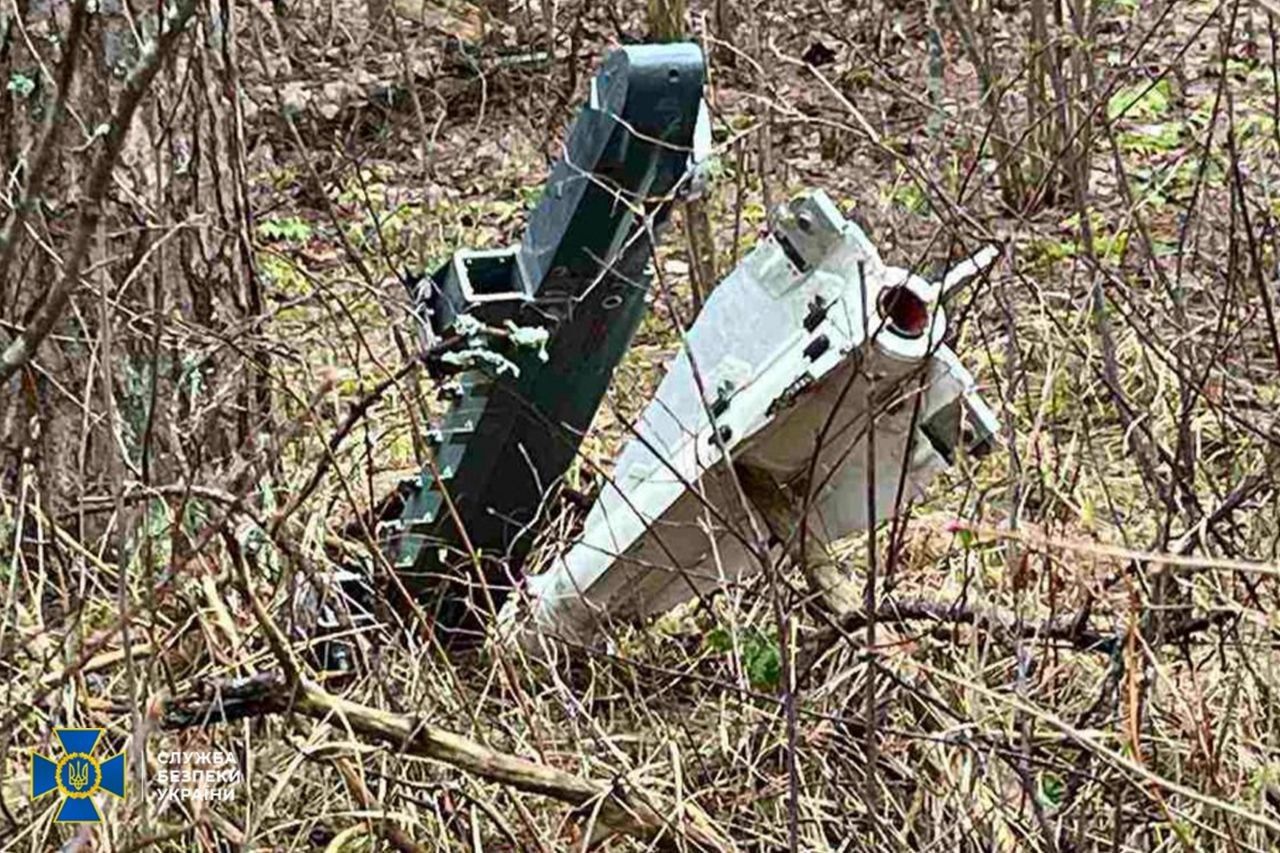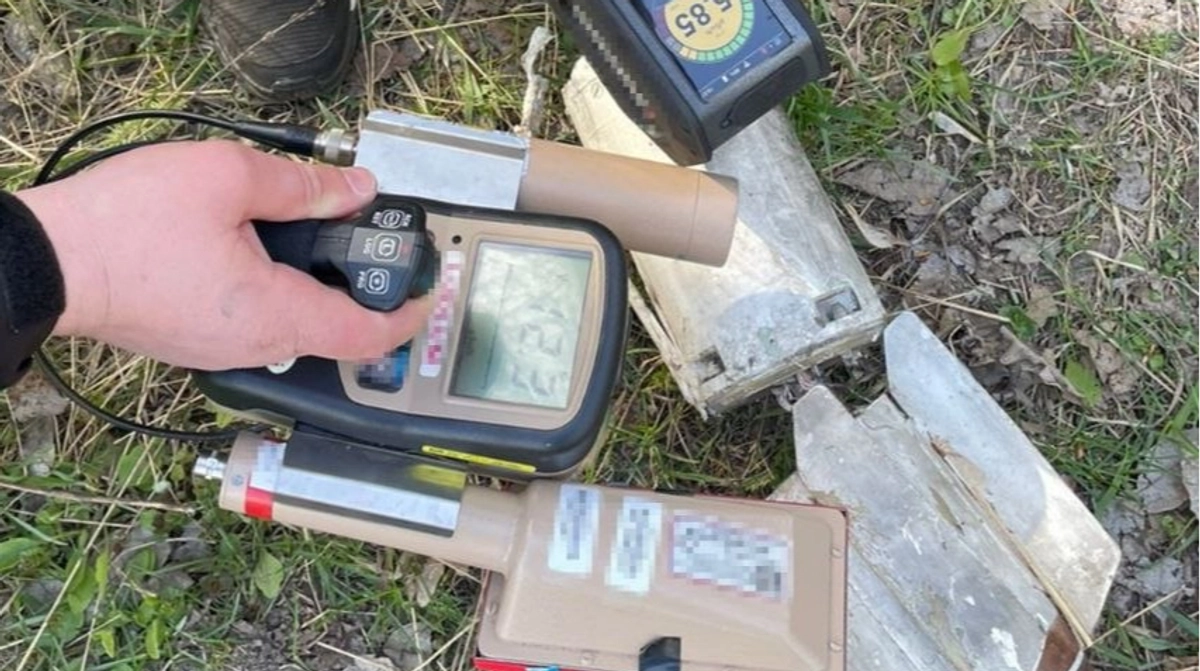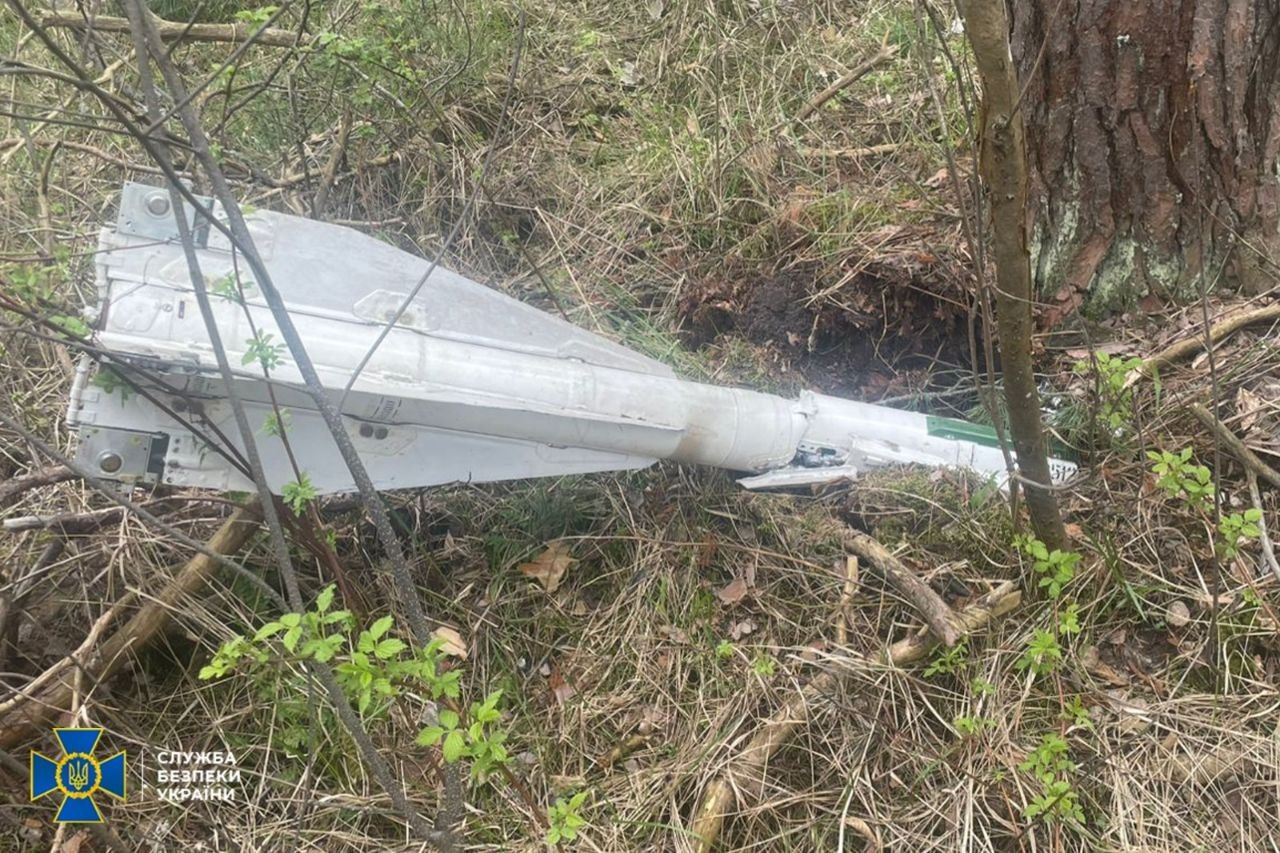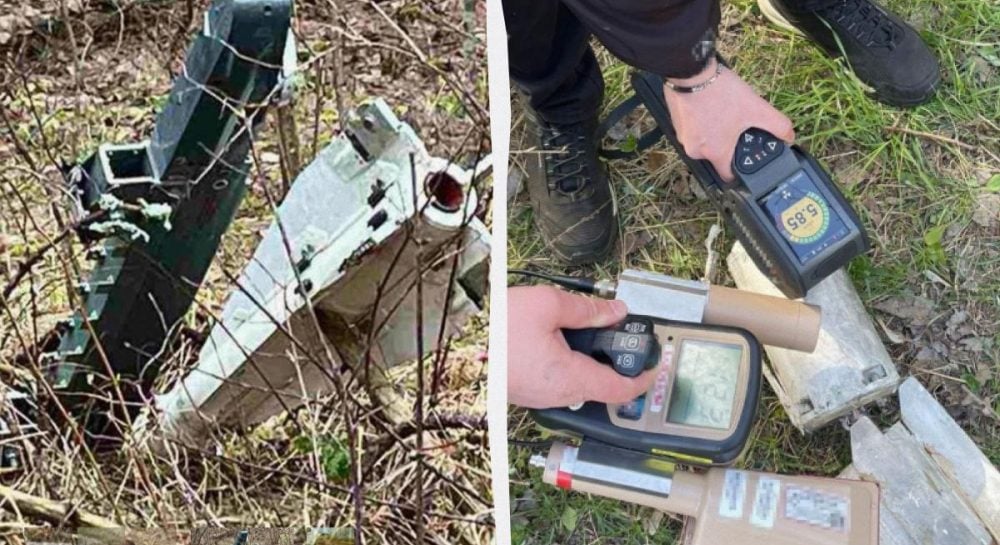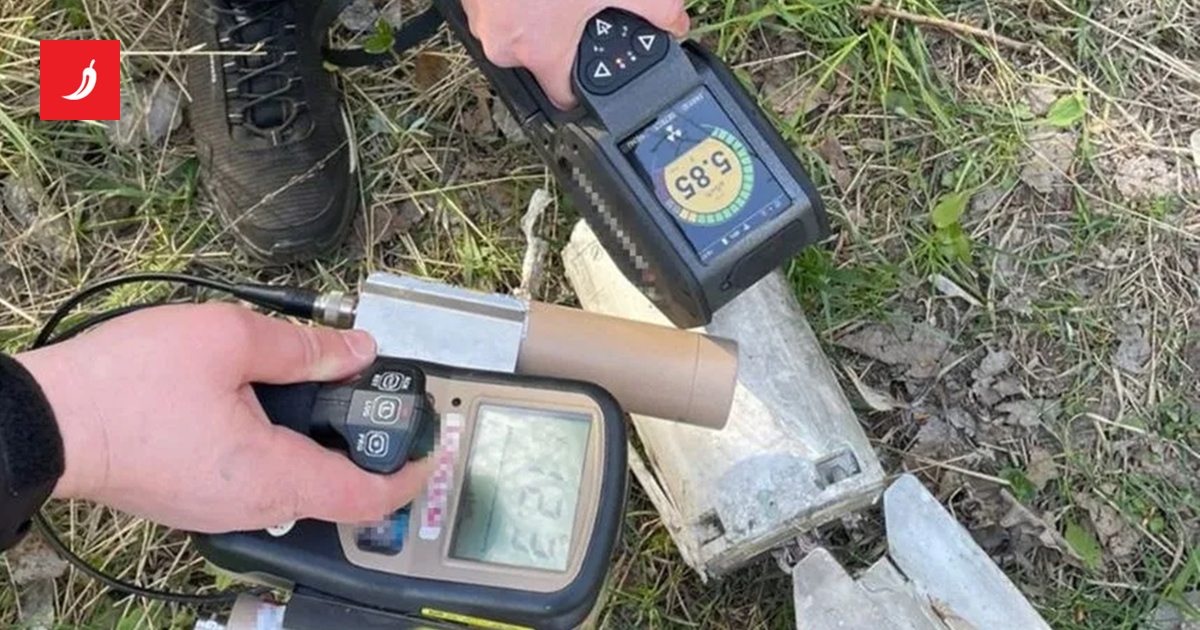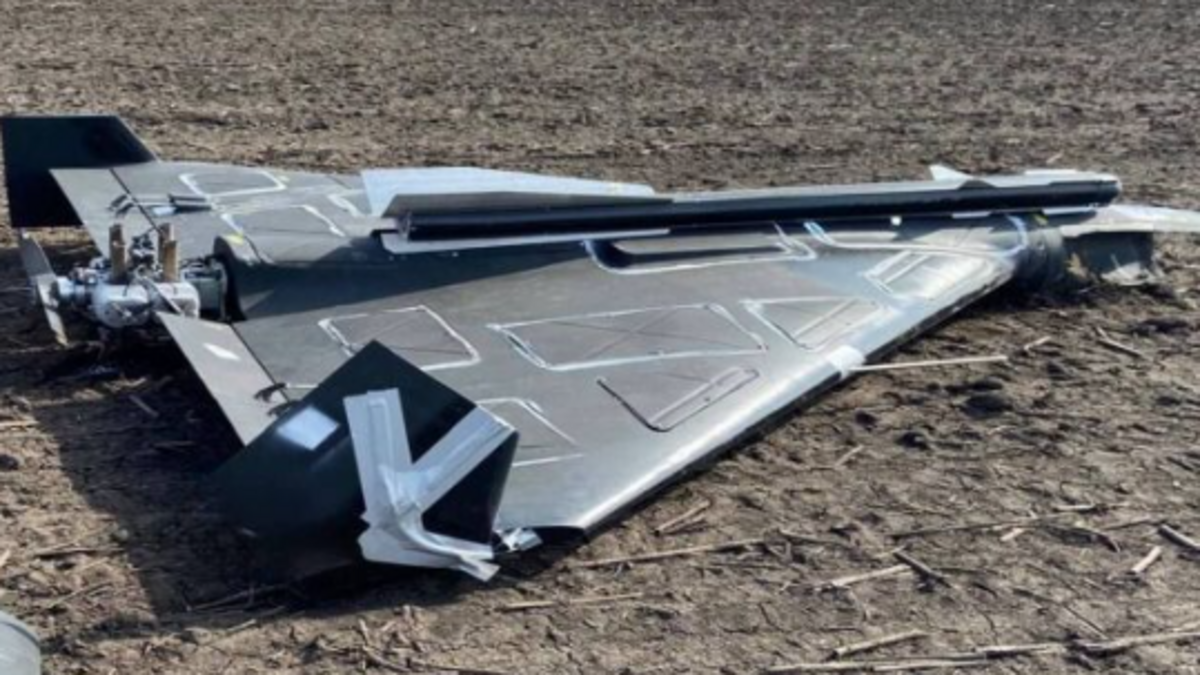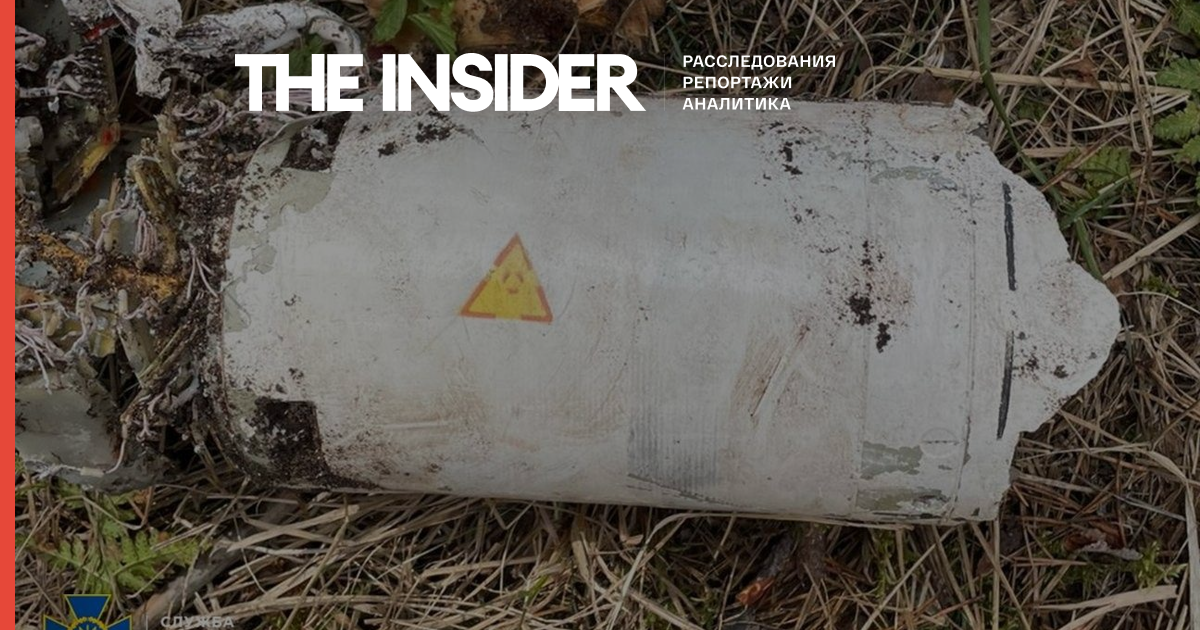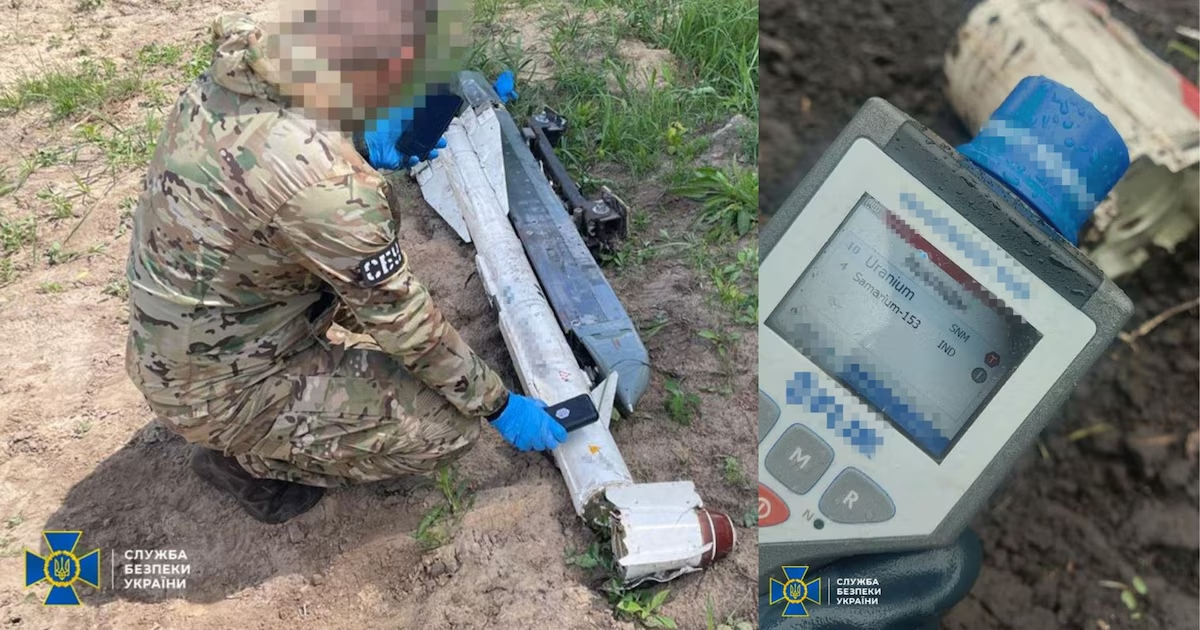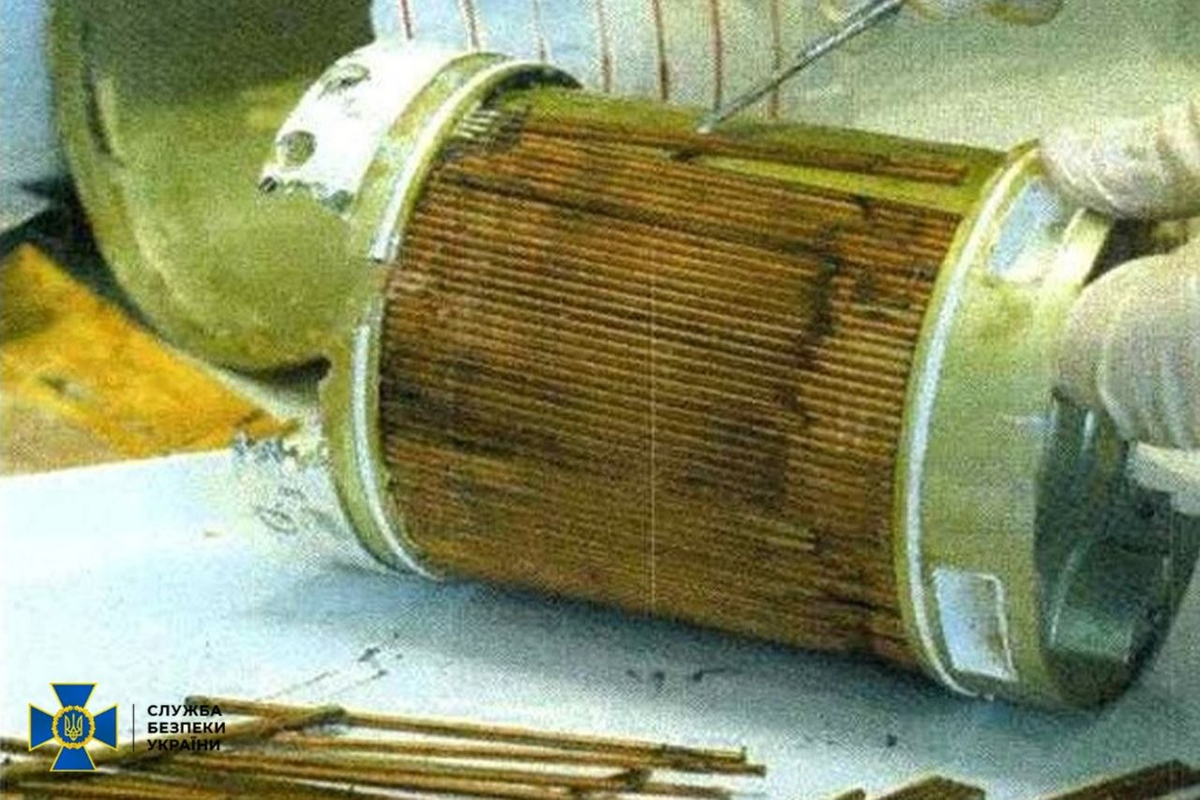
Depleted uranium was found inside a missile mounted on a modified Russian attack drone, Ukraine’s intelligence agency has said, warning civilians not to approach the wreckage because it could emit radiation and toxic dust. The Security Service of Ukraine (SBU) said on Wednesday its investigators detected higher-than-usual radiation on fragments of an R-60 air-to-air missile recovered near the village of Kamka in the northern Chernihiv region after a drone attack on April 7. JOIN US ON TELEGRAMFollow our coverage of the war on the @Kyivpost_official. “Counterintelligence officers and investigators of the Security Service uncovered elevated radiation levels on fragments of a Russian missile that the occupiers had integrated into a modified Geran-2 attack drone,” the SBU said. Specialists measured gamma radiation of 12 microsieverts per hour in the immediate vicinity of the debris, dozens of times above typical natural background radiation. The SBU said the greatest danger came from damaged or burned munitions because they could release radioactive dust hazardous to people and the environment.
Why depleted uranium? Depleted uranium is a dense metal left over from the uranium enrichment process used to produce fuel for nuclear power plants and, in more highly enriched form, nuclear weapons. However, its radioactivity is not the reason it is used in missile warheads such as the one allegedly found by the SBU. Militaries have long added it to armor-piercing munitions because of its extreme hardness and weight, which help projectiles to punch through steel and other heavy armor.