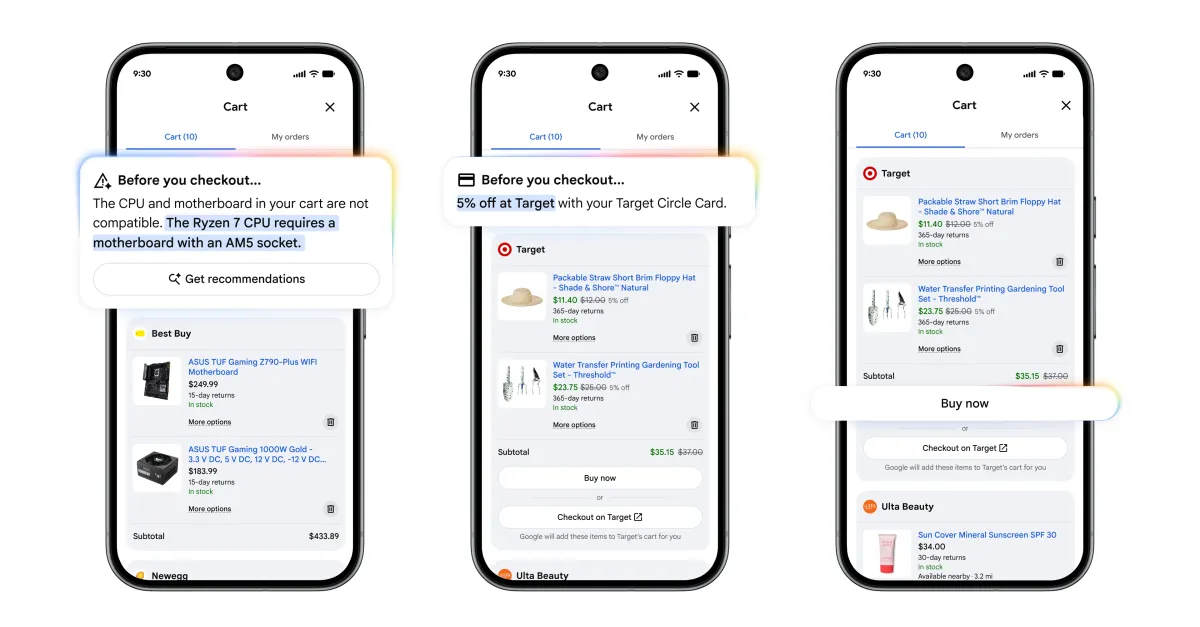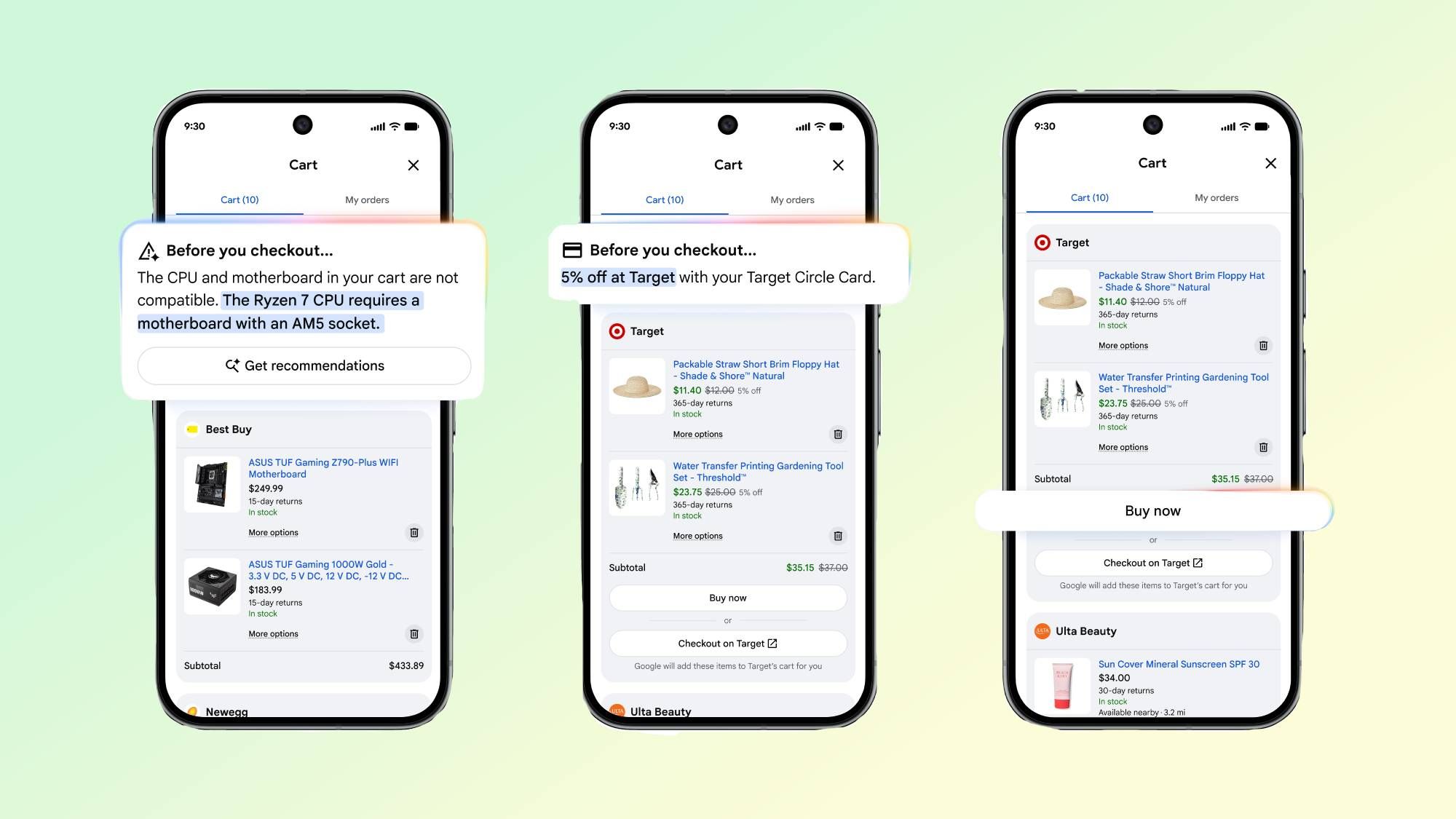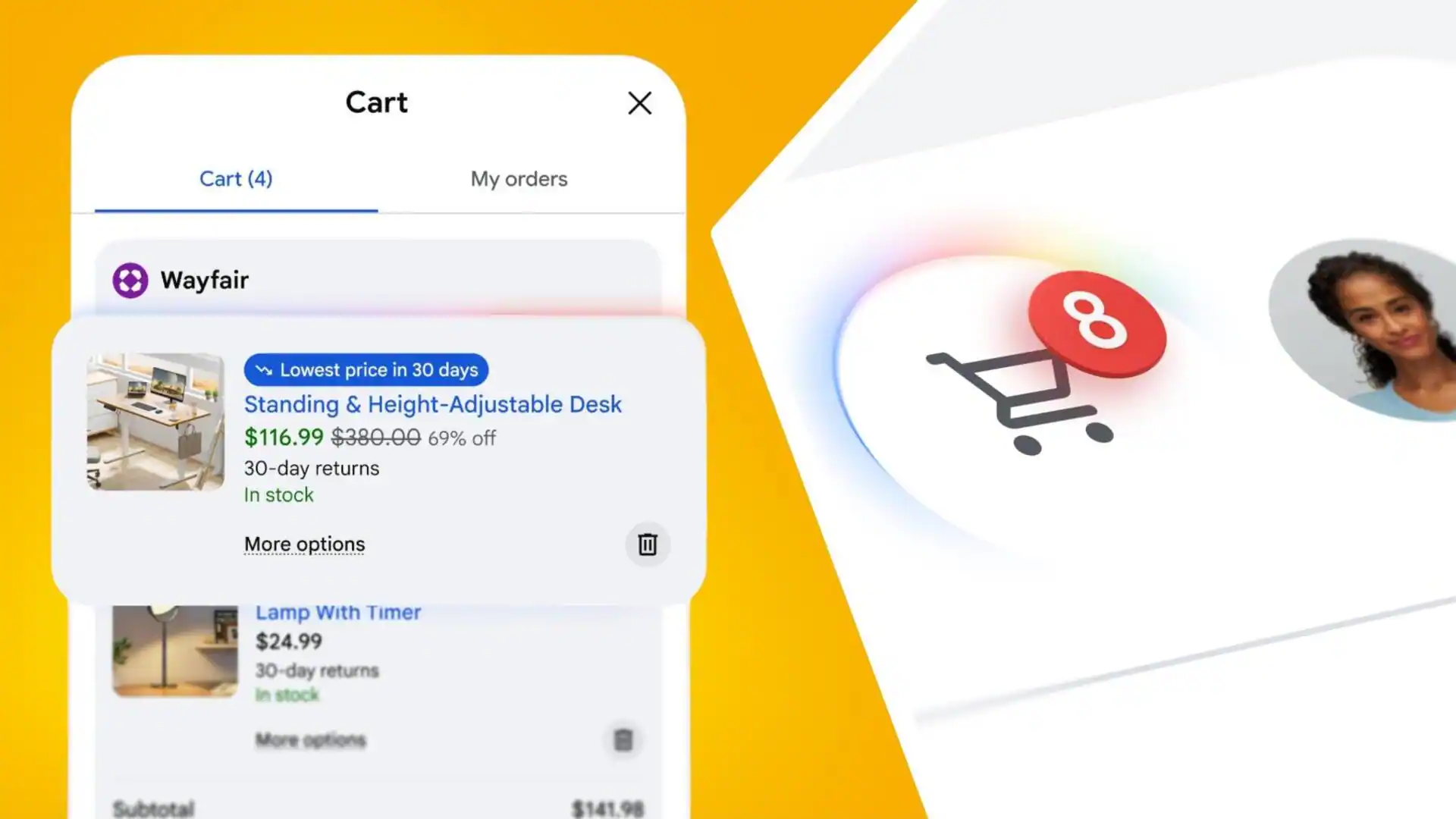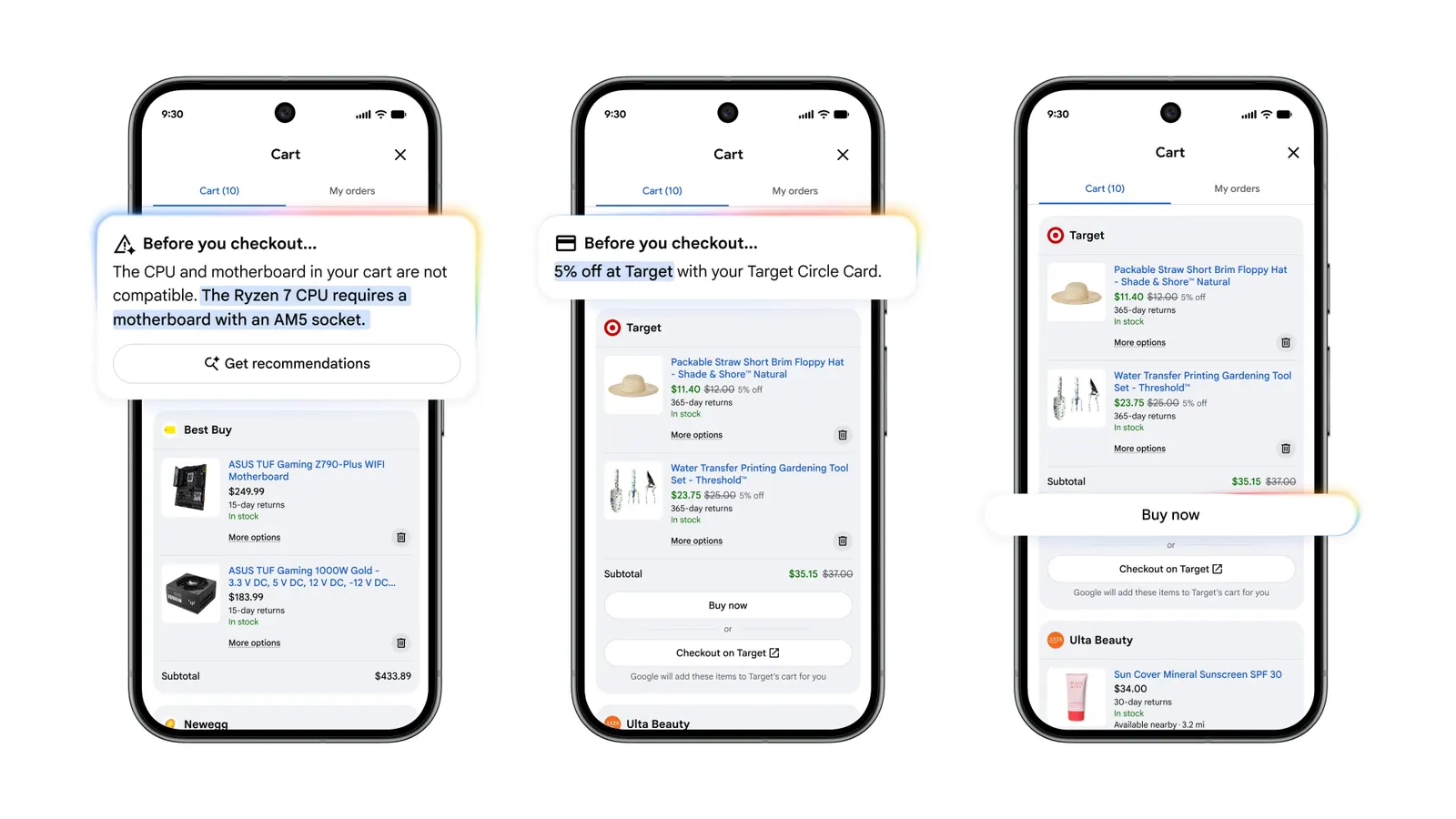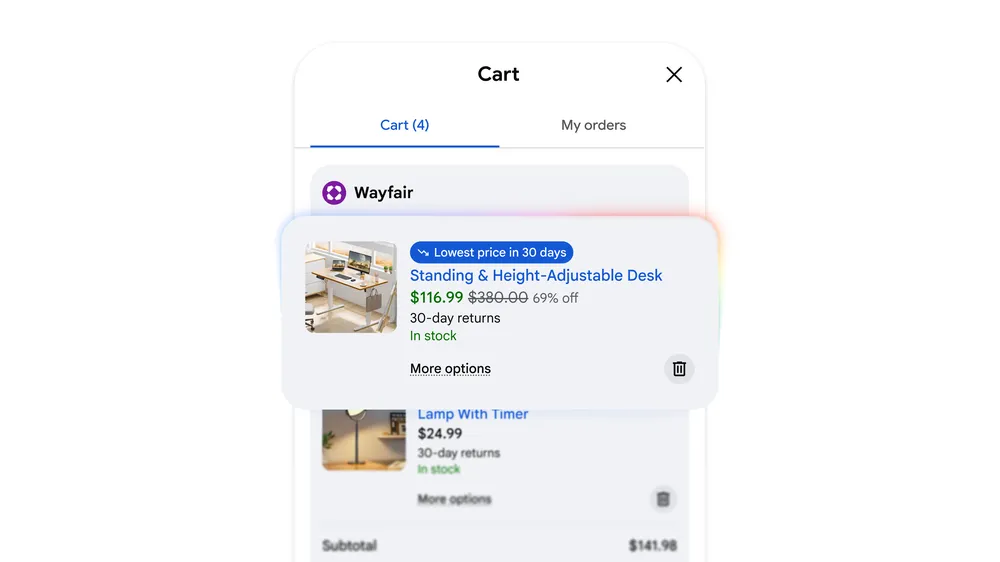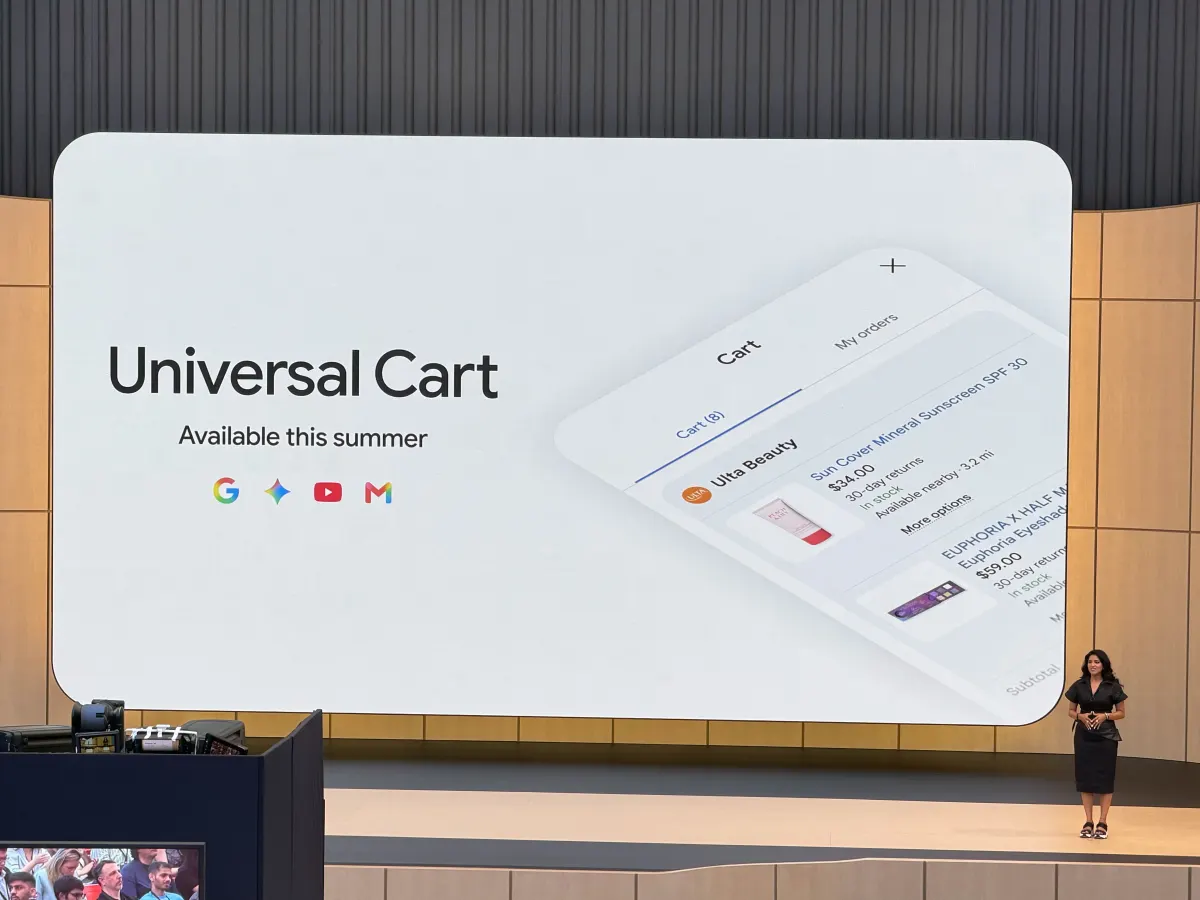
Google’s decision to embed an AI-powered, persistent shopping cart across Search, Gemini, YouTube and Gmail marks its most aggressive attempt yet to reclaim the product discovery layer it lost to marketplaces over the past decade. Industry executives say the implications for India’s e-commerce stack could be significant.multiple sellersThe feature, unveiled at Google I/O, allows users to add products from multiple sellers into a single Google-managed cart, with real-time price tracking, deal comparison and stock alerts built in. The architecture is deliberately transactional. Google is no longer positioning itself as a search referral engine that hands consumers off to platforms, but as the commerce layer itself.For marketplaces, the threat is structural. Deep Bajaj, Re-Founder and CEO of Sirona Hygiene, said the risk cuts to the core of what platforms have spent years building. “The battle may shift from who has inventory to who owns consumer intent and data,” he said. “If checkout and transaction move to a Google layer, marketplaces may increasingly become fulfilment and logistics infrastructure while losing direct relationships, repeat behaviour and loyalty loops.”Satish Meena, advisor at Datum Intelligence, provided the historical context. “Over the last six to seven years, product discovery shifted from Google to marketplaces because consumers started relying on reviews, pricing and fulfilment ecosystems,” he said. “Now, Google wants to reclaim that discovery layer by combining AI, price intelligence and personalised recommendations.” The open question, he added, is behavioural — whether Indian consumers will extend transactional trust to an AI-led checkout flow, given that merchant reliability remains a live purchase consideration in the market.For D2C brands, the calculus is more nuanced. Rishav Jain, Managing Director and Co-Lead of the Consumer and Consumer Tech practice at Alvarez & Marsal India, flagged both an opportunity and a concentration risk. “Product discovery and selection could potentially become significantly easier, time efficient and even more democratic,” he said. “Depending on the intuitive accuracy of the platform, this could potentially provide a fillip to conversational commerce in India. Brands would need to enhance their online playbook right across product listing, visibility and availability,” he added, cautioning that digital marketing spends for D2C brands could become more concentrated as discovery increasingly shifts toward AI-led interfaces.Mohit Jain, Founder and CEO of D2C lifestyle brand Miraggio, said the competitive advantage in this environment would no longer rest primarily on distribution. “Discoverability will increasingly depend on strong brand identity, differentiated products and how effectively brands communicate relevance in AI-led environments,” he said, adding that first-party consumer relationships and retention would become critical levers.Archana Jahagirdar, Founder and Managing Partner at Rukam Capital, read the announcement as a structural validation of D2C’s maturation. “A company of Google’s scale now sees value in building a unified commerce layer around them,” she said. She cautioned, however, that execution — across merchants, categories and consumer segments — would be considerably harder than the architecture suggests, and that conversational and voice-led interfaces would likely become the dominant consumer entry point as the model matures.Published on May 20, 2026
Tracking prices, deals, Google’s AI-powered ‘Universal Cart’ will reshape how you shop online
Google's AI-driven 'Universal Cart' aims to revolutionize online shopping by enabling seamless price tracking and product discovery across platforms.
497 words~2 min read