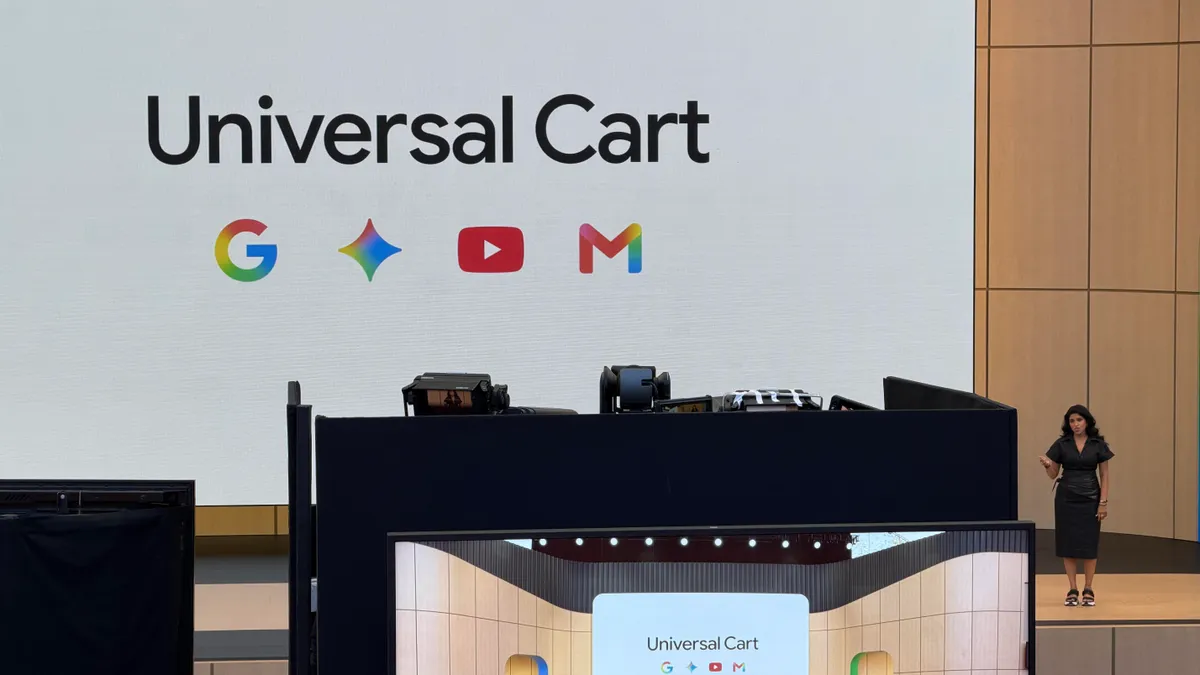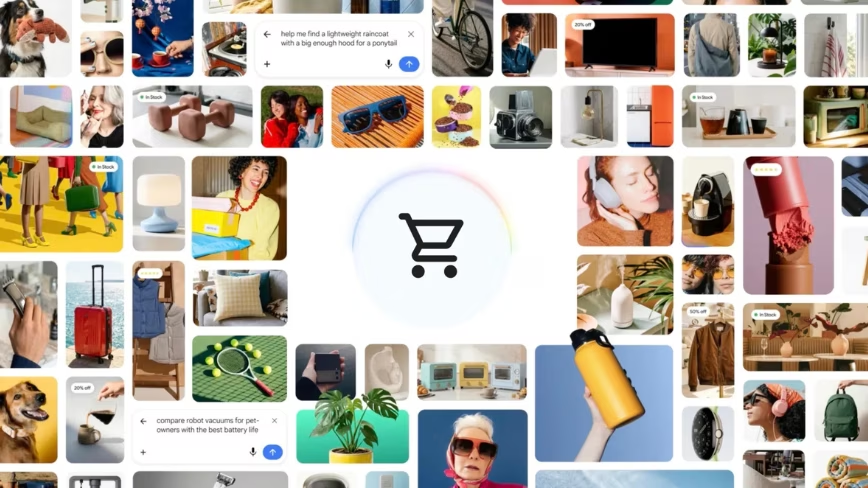
TL;DRGoogle announced Universal Cart at I/O 2026, an AI-powered shopping hub that lets users add products from Search, Gemini, YouTube, and Gmail into a single persistent cart with deal tracking and compatibility checks. It also updated its Agent Payments Protocol (AP2) to let AI agents make purchases autonomously, and is expanding its Universal Commerce Protocol to new countries and verticals.
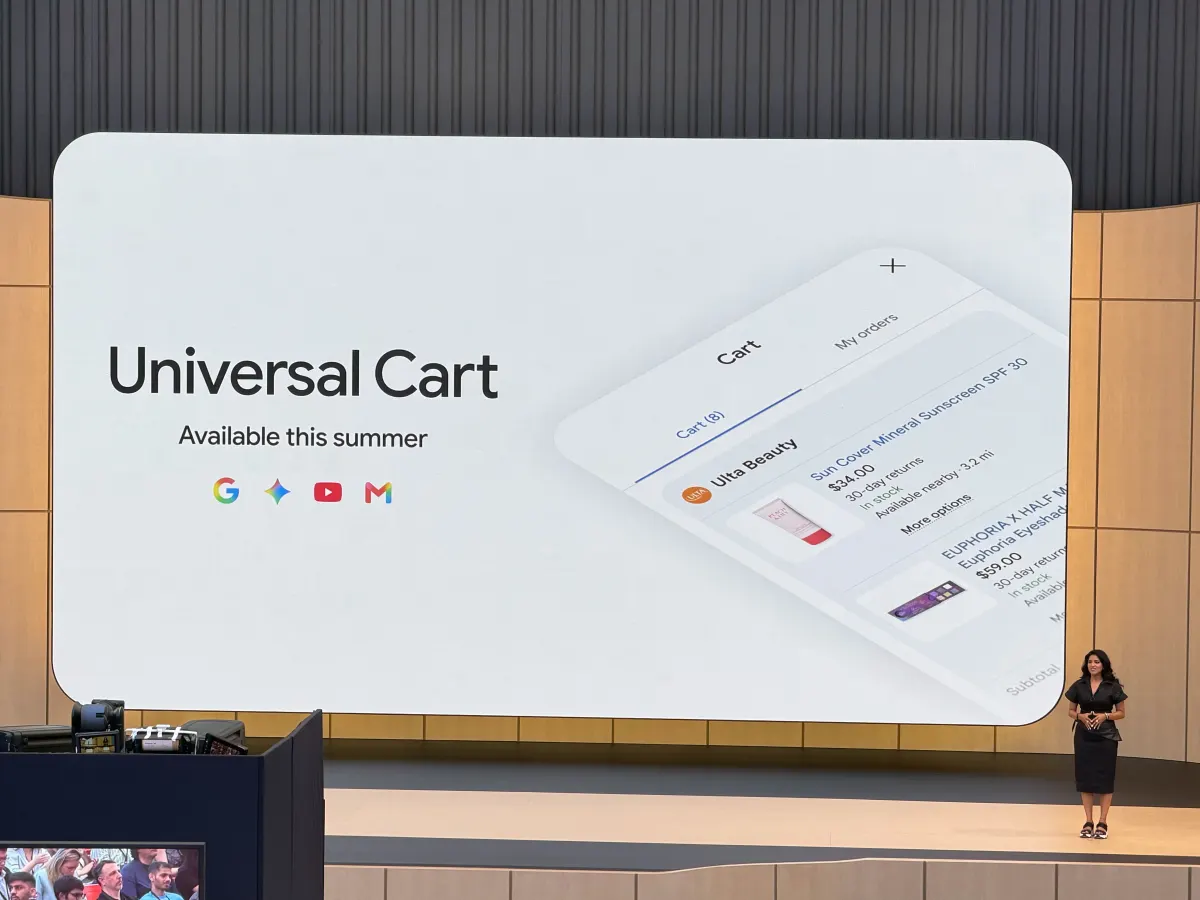
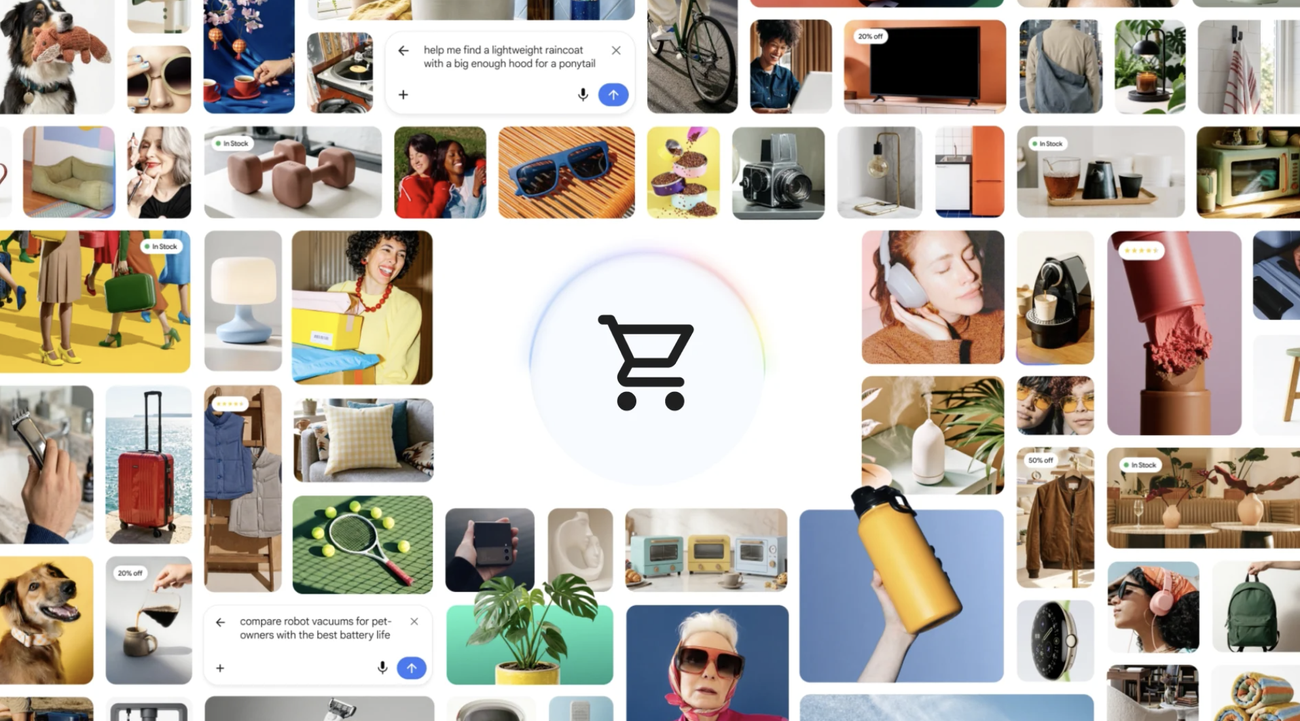
Google has unveiled Universal Cart, an AI-powered shopping hub announced at I/O 2026 that lets users add products from across its ecosystem, Search, Gemini, YouTube, and Gmail, into a single persistent cart. The feature, rolling out in the US today, represents the company’s most ambitious bid yet to become the default middleman in online commerce.
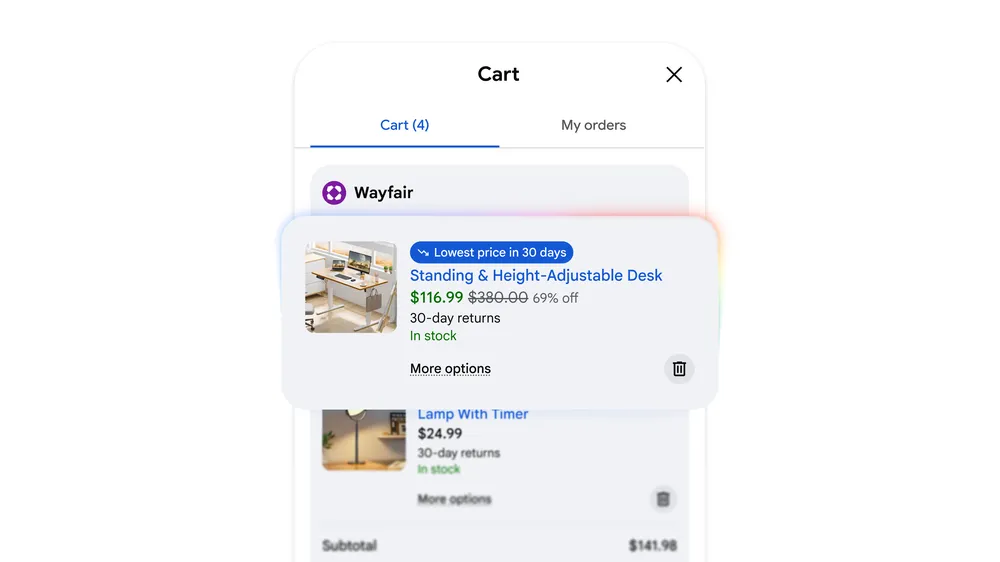
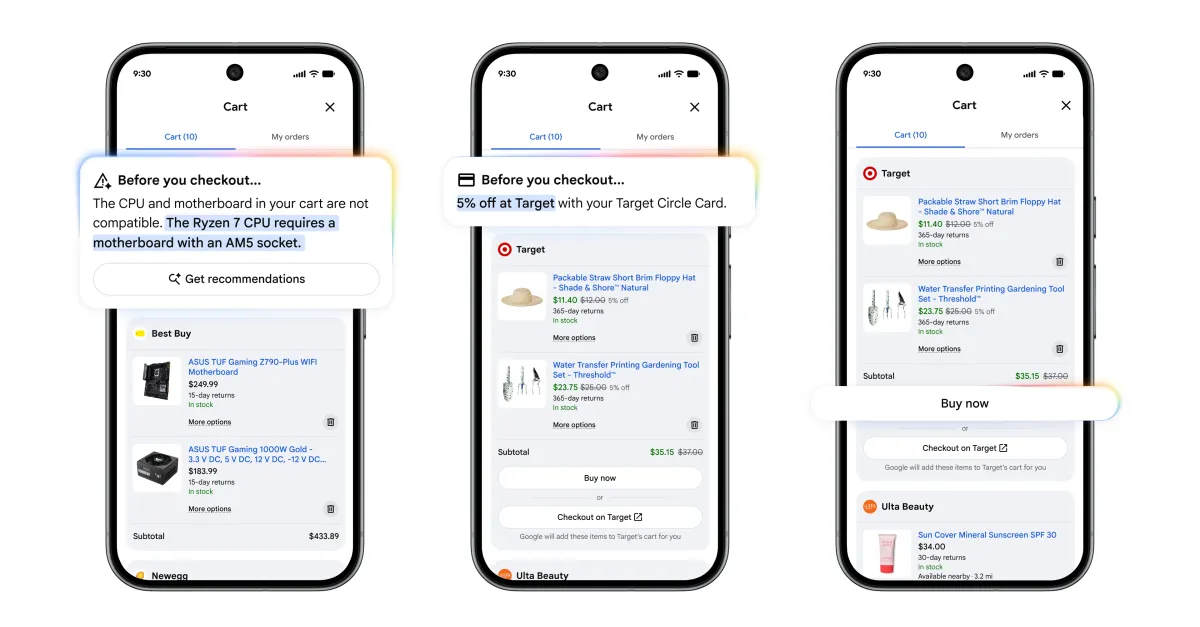
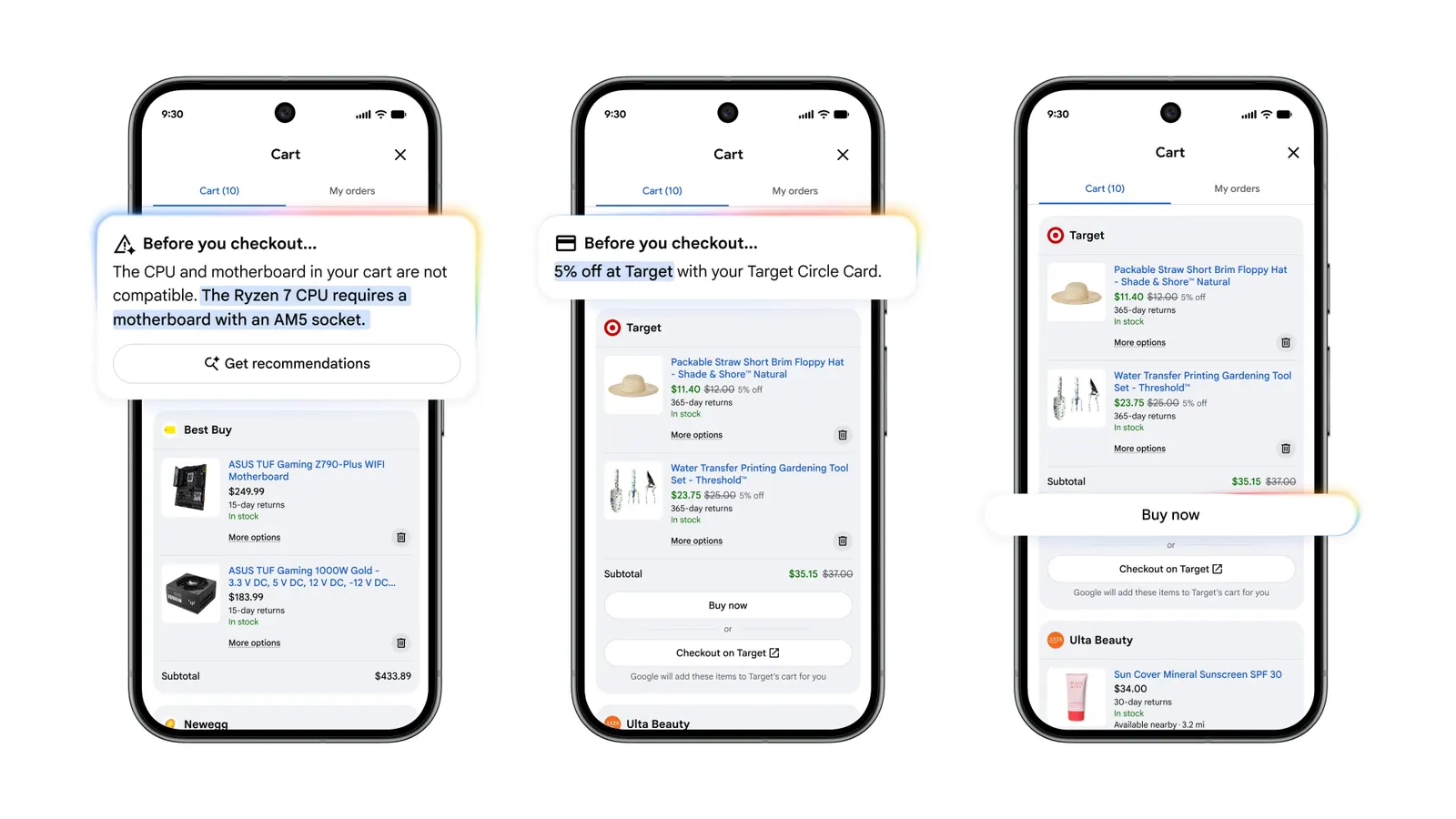
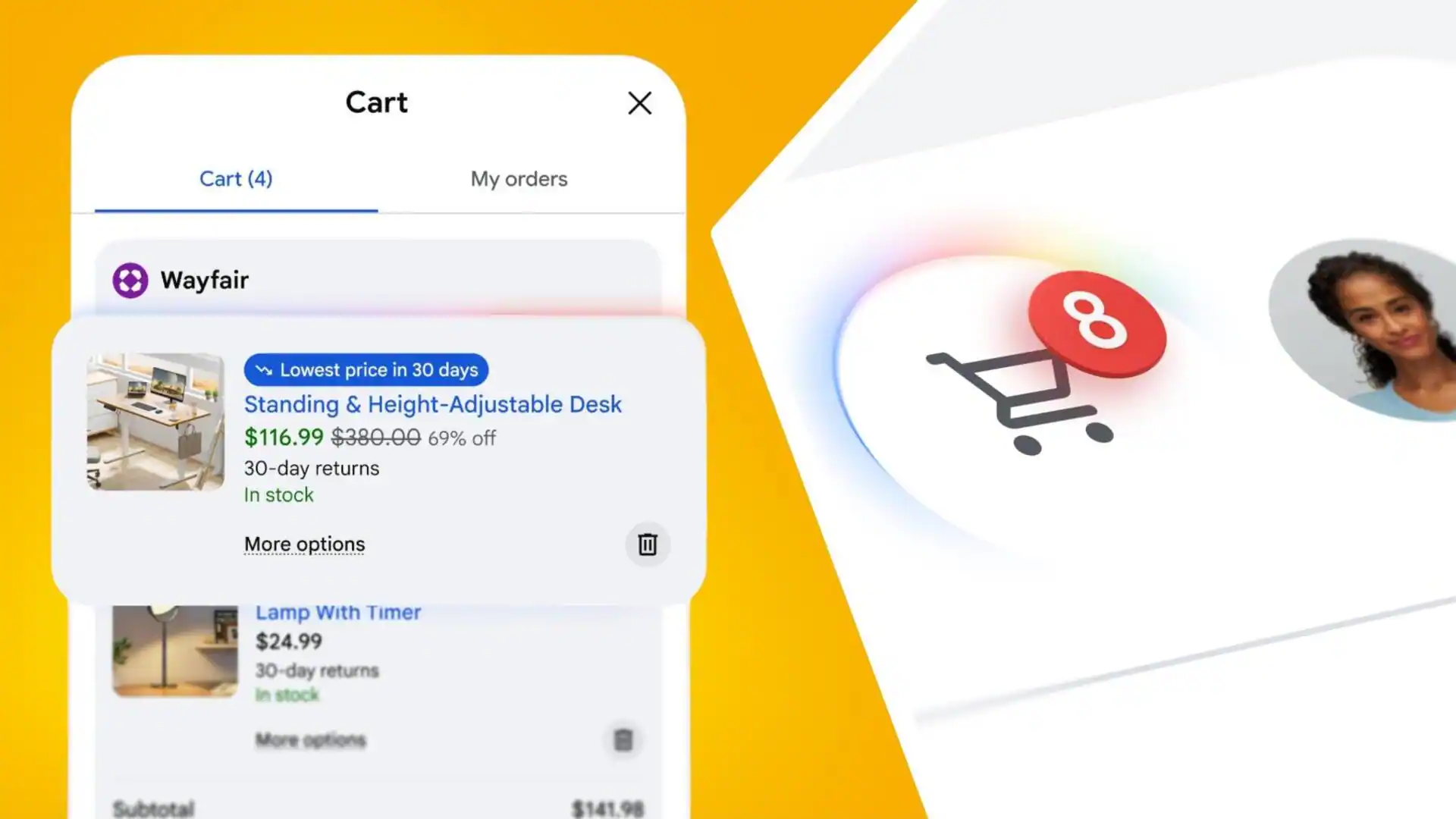
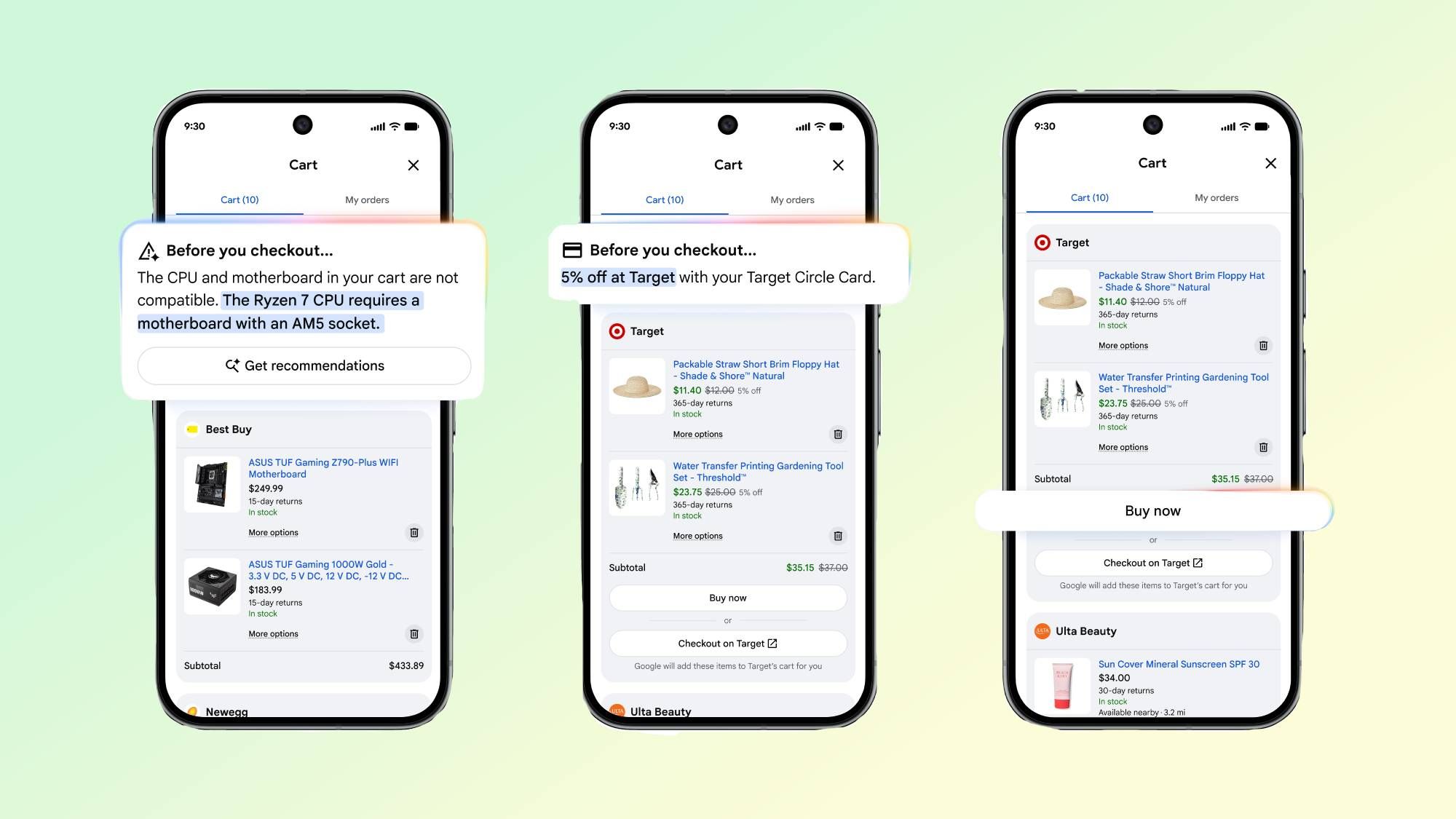
Universal Cart is not just a place to stash products. Powered by Gemini, it actively monitors price drops, surfaces price history, sends back-in-stock alerts, and even runs AI compatibility checks. Google’s demo highlighted a scenario where a user building a custom PC could add components from multiple retailers and receive automatic warnings if, say, a processor was incompatible with a selected motherboard, along with suggested alternatives.
The feature is built on Google Wallet’s existing infrastructure for rewards and loyalty points, and it integrates with the Universal Commerce Protocol (UCP), an open standard Google released in January 2026. UCP creates a common language for AI-driven commerce, enabling checkout directly through Google or a seamless handoff to a merchant’s own site. A March 2026 update added cart management, real-time catalogue queries, and identity linking so shoppers can retain loyalty benefits when buying through Google’s surfaces. Launch partners include Nike, Sephora, Target, Ulta Beauty, Walmart, Wayfair, and Shopify merchants such as Fenty and Steve Madden.