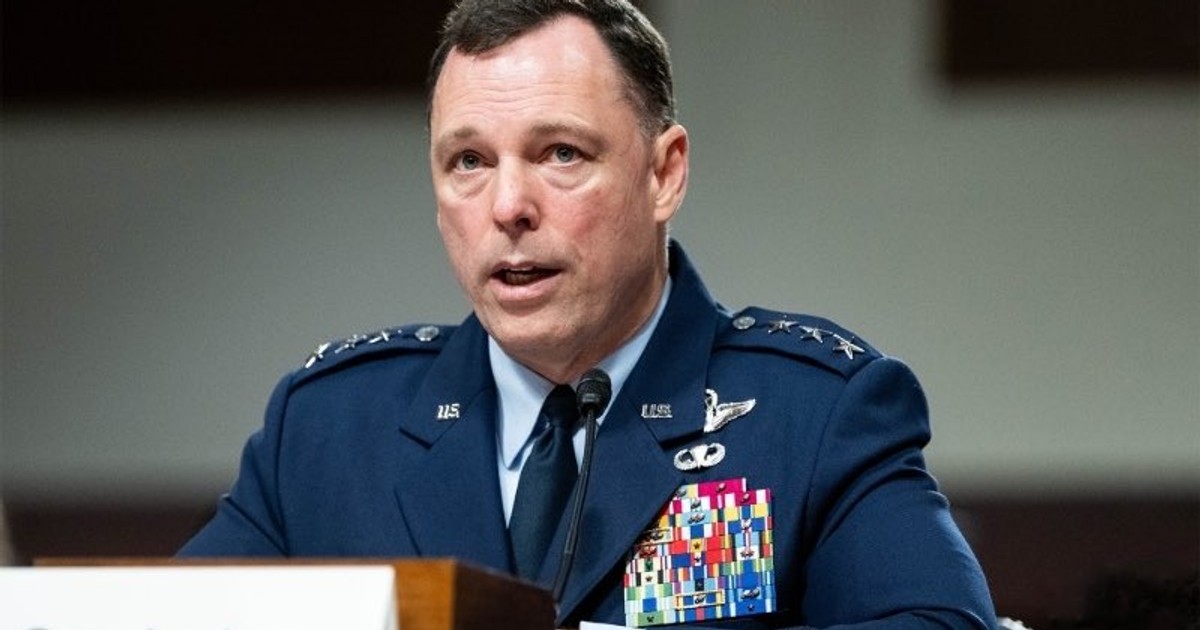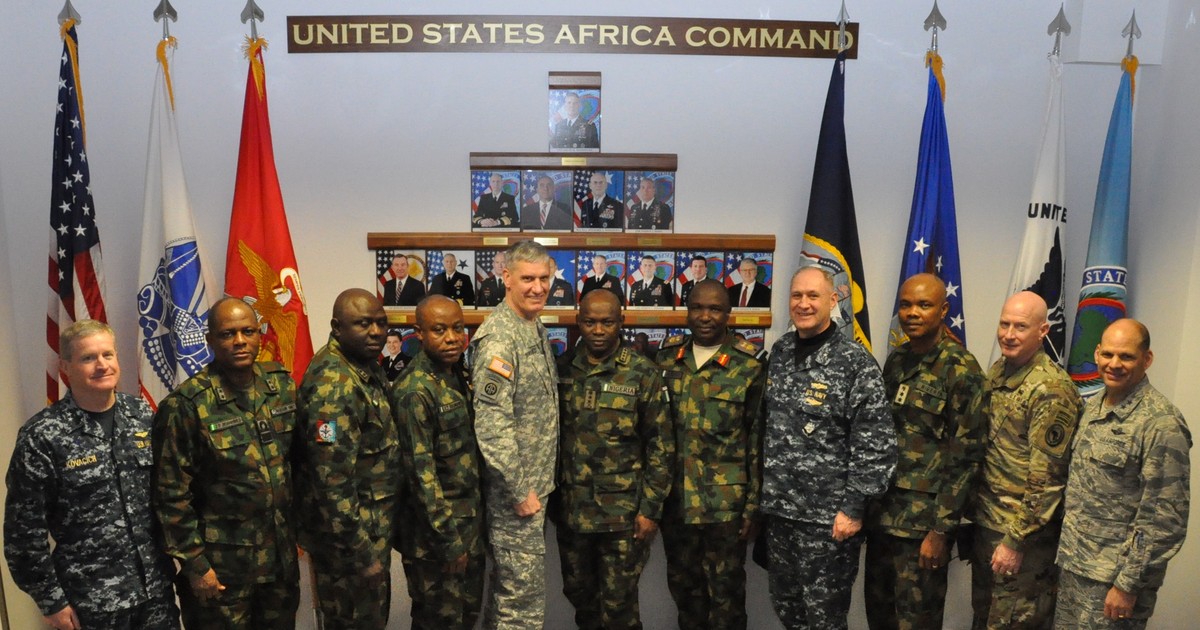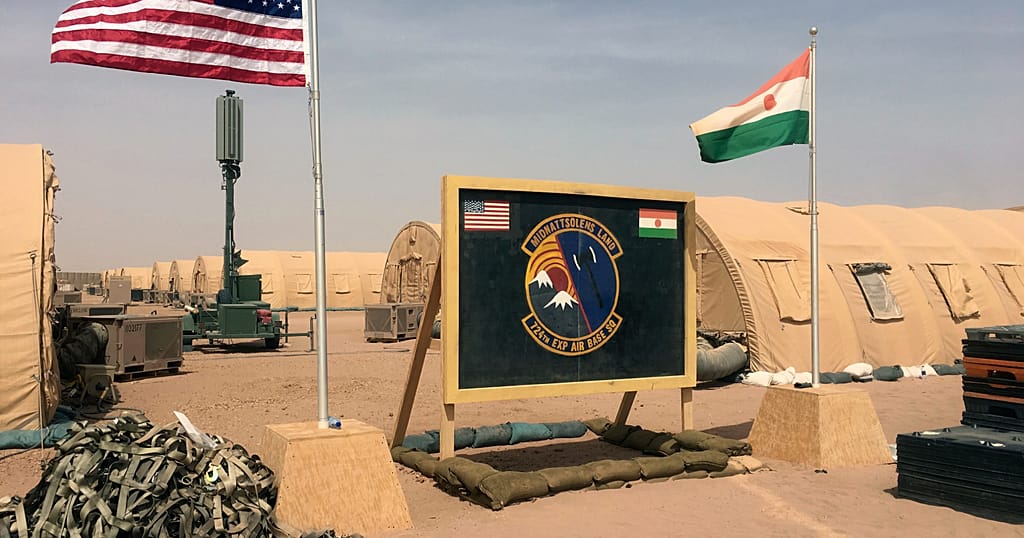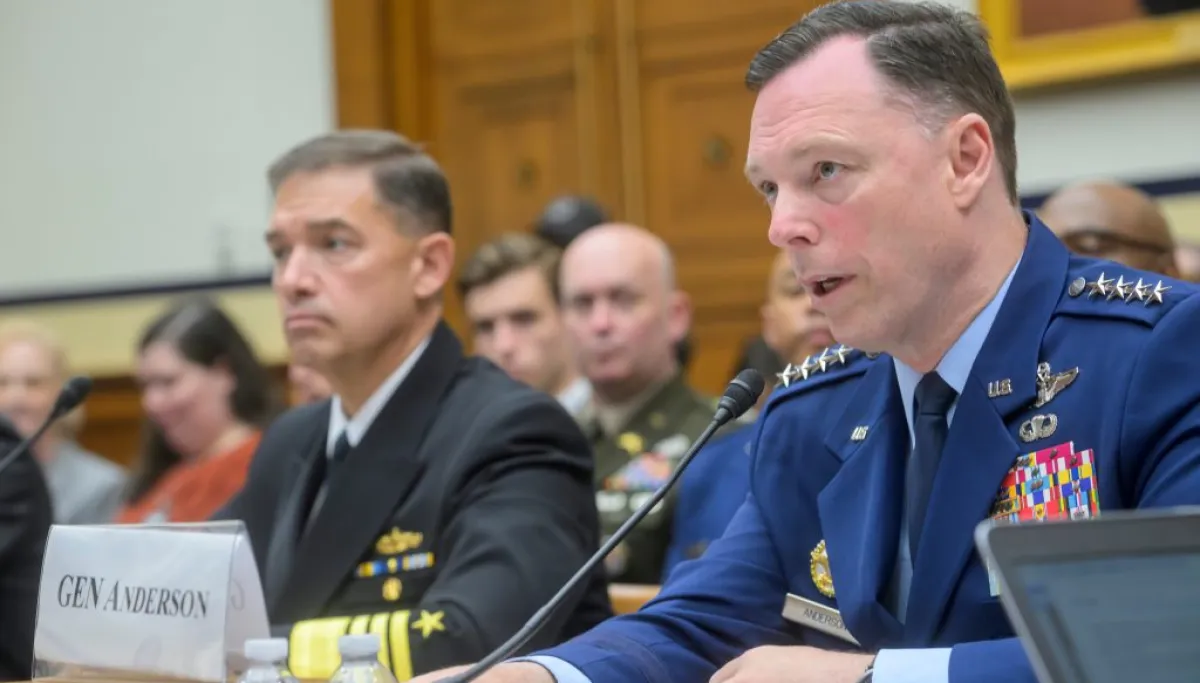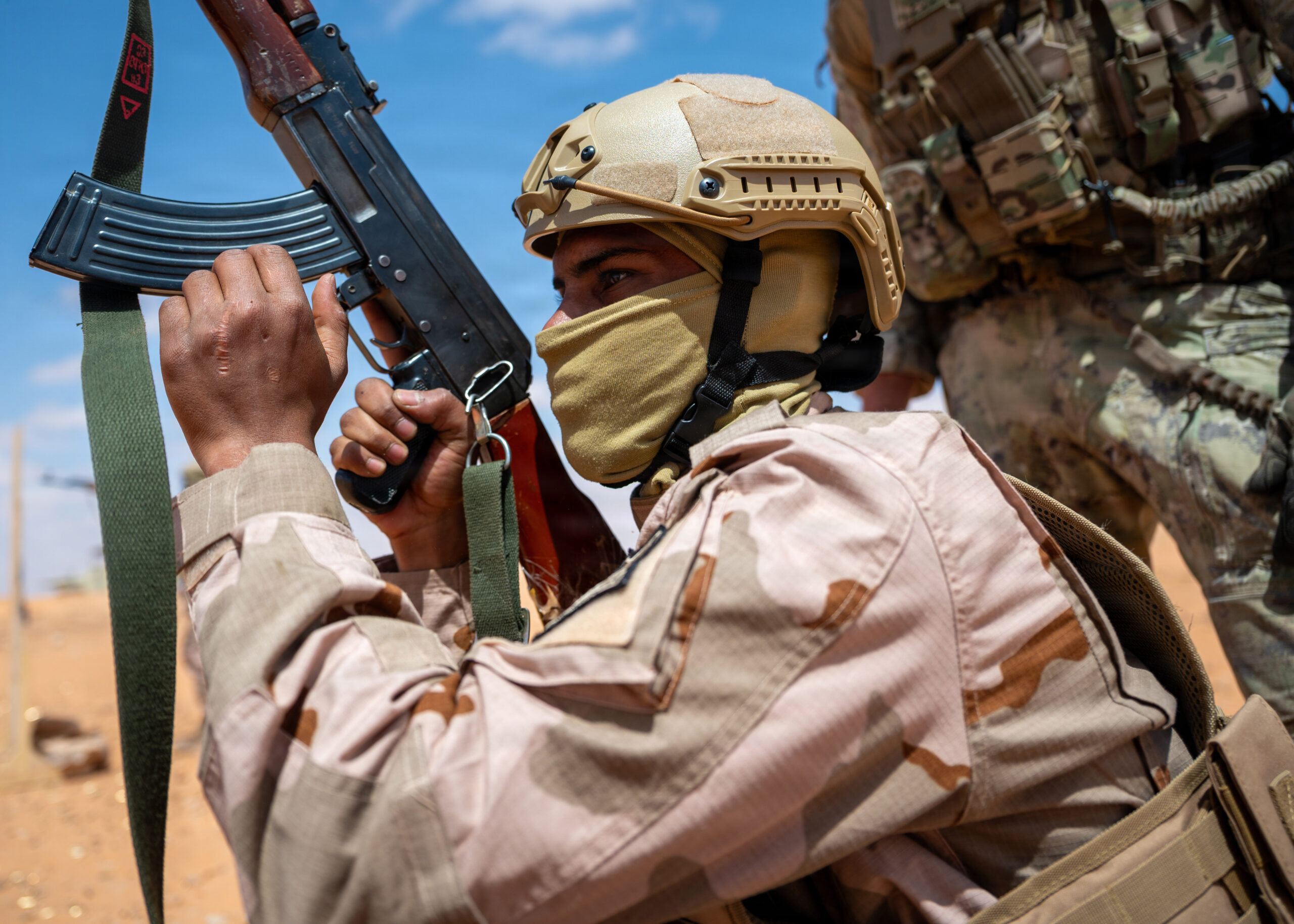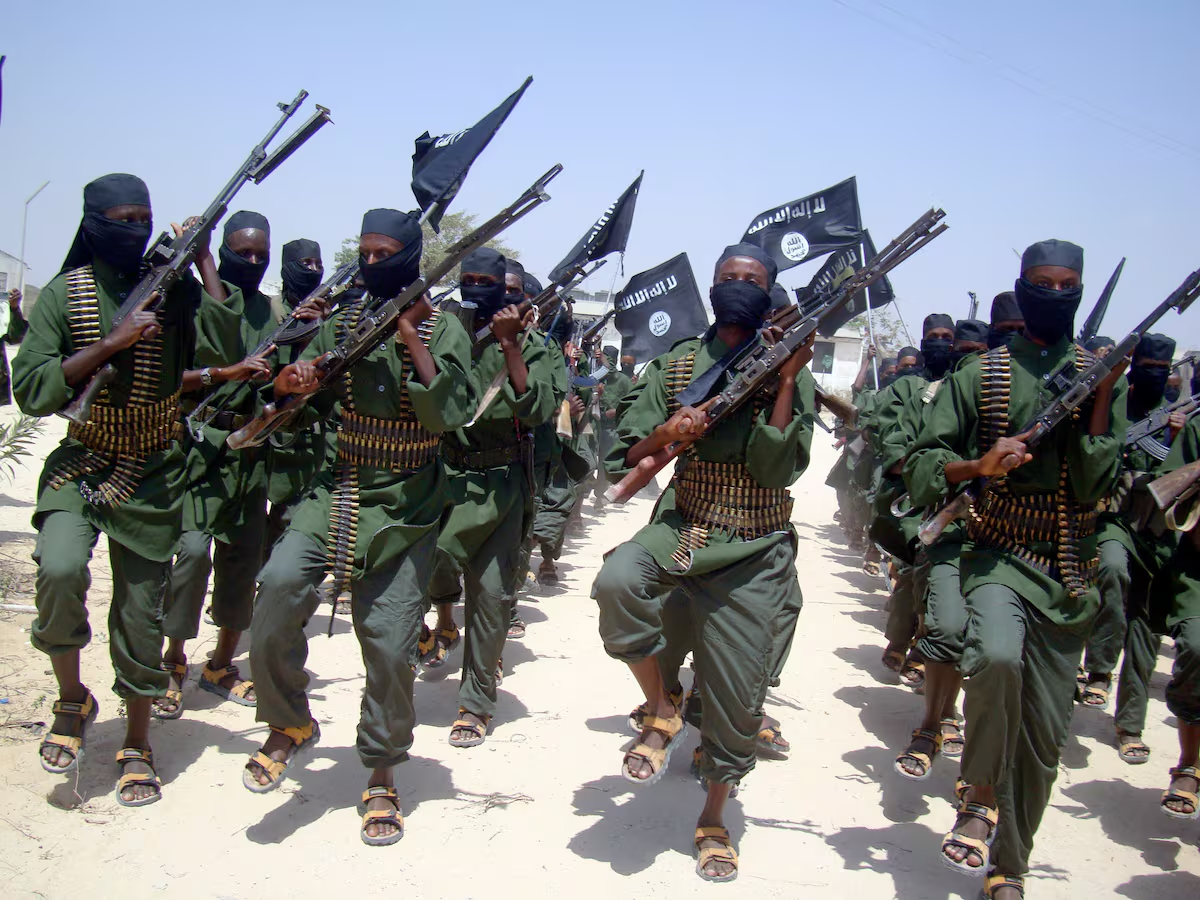
The United States is competing with Russia, China, and terror groups across the continent of Africa in the information domain, but limited resources are posing hurdles American diplomats and service members need to overcome.U.S. Africa Command Commander Gen. Dagvin Anderson testified before the House Armed Services Committee on Tuesday, highlighting that the continent has become not just the “epicenter of global terrorism,” but also an increasingly important nexus for security and strategic competition.“With a 75% reduction in our regional posture over the past decade, compounded by the drawdown of our allies, we struggle with an intelligence black hole,” Anderson said, adding that AFRICOM gets “less than one-tenth of one percent of the department’s budget.”
The U.S. is not the only Western country to reduce its footprint on the continent, which has also had an effect. The French and others withdrew from countries like Mali, Burkina Faso, and Niger in recent years, and this has allowed for terror groups like Jama’at Nusrat al Islam wal Muslimin (JNIM), an al Qaeda affiliate, to gain a foothold in the Sahel region. JNIM targeted cities in Mali, like Kayes and Nioro du Sahel, before seeking to take control of Bamako, the capital, and doing so would give them the chance to secure “the resources and trappings of a nation state,” Anderson said in his written testimony.