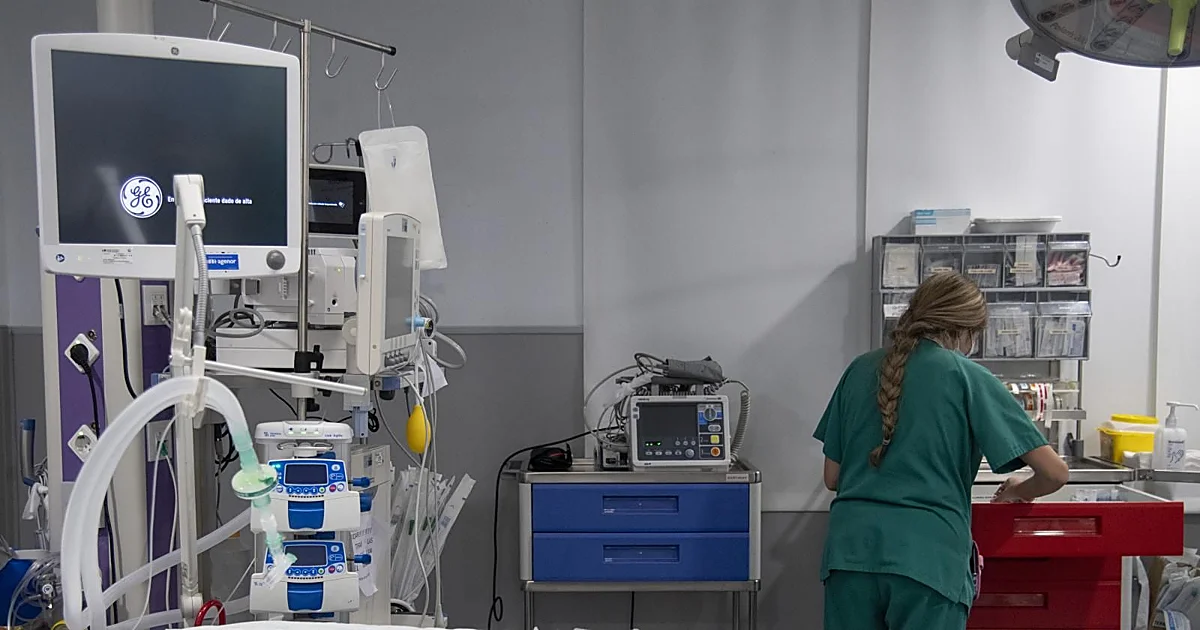
Harvard Business Review LogoMay 20, 2026Pepino de Mar studio/StocksyIf you are a leader of a U.S. hospital or healthcare system, the following numbers should give you pause. In 2024 alone, more than 287,000 staff nurses left their positions, and nearly 1.6 million say they intend to leave within five years. When a nurse leaves, the cost goes far beyond recruiting and onboarding. Hospitals lose continuity of care, unit-level know-how, and the working relationships that help high-stress clinical units function well. In a field already facing staffing pressure, turnover can quickly become a capacity problem as much as a people problem.
Surprising Ways to Reduce Turnover in High-Pressure, High-Skill Jobs
Burnout and overtime contribute to turnover among nurses and other highly skilled workers, but they are only part of the story. Research tracking ICU nurses found that employees were less likely to quit when they were trusted with meaningful responsibility and supported by coworkers during periods of intense pressure. The findings suggest that retention is not just an HR challenge but also a work design issue. Organizations can reduce attrition by creating jobs that feel both meaningful and sustainable.
100 words~1 min read