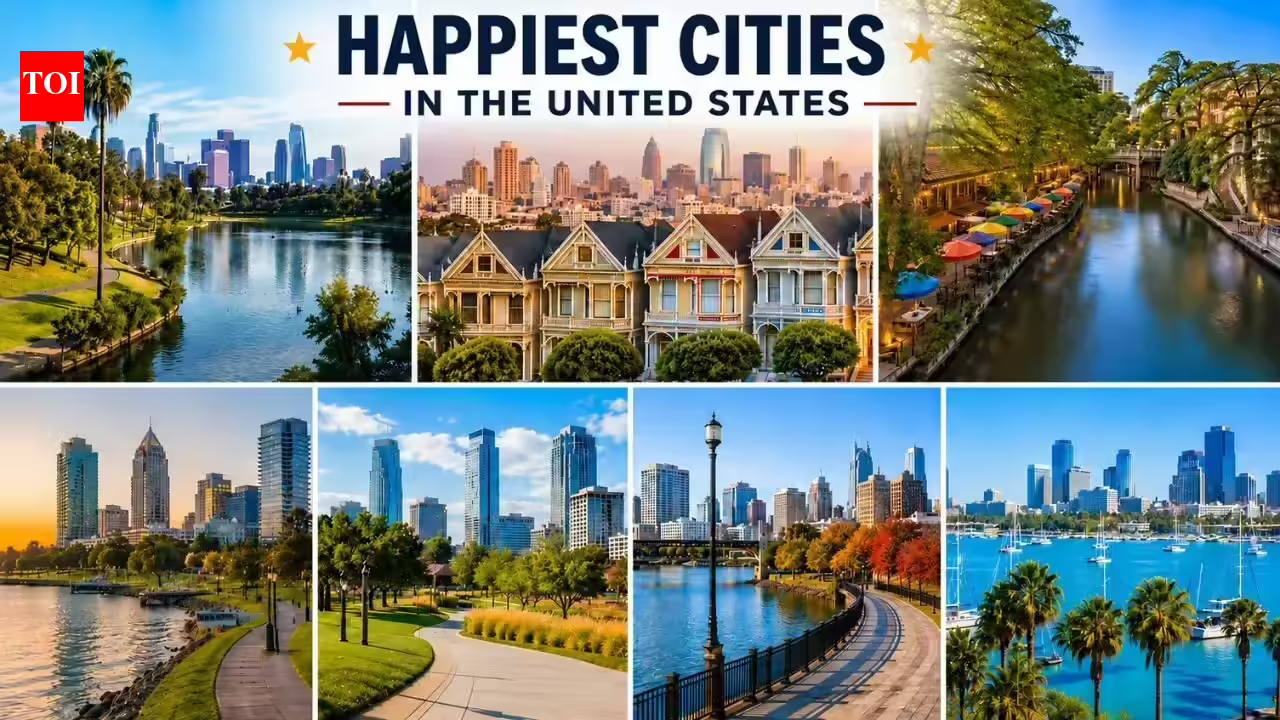
Where a person lives shapes nearly every dimension of daily life: the schools available to their children, the commute that claims their mornings, the housing costs that determine how much of each paycheck stays in their pocket, and the job market that determines whether professional growth is a real possibility or a distant aspiration. City rankings that evaluate places to live on a single dimension produce answers that serve narrow audiences. The cities that consistently appear at the top of comprehensive quality-of-life analyses are the ones that hold competitive positions across multiple categories simultaneously: good value, strong job markets, high quality of life, and genuine desirability as places to put down roots.
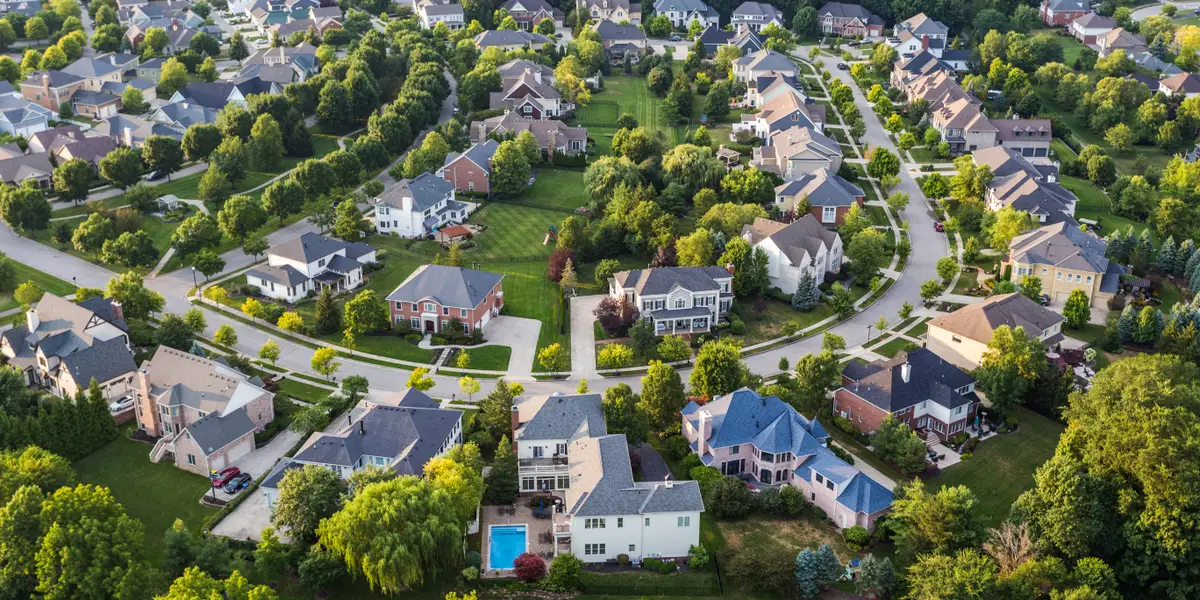
The geography of the best-ranked cities in 2026-2027 skews toward the suburban Midwest and the fast-growing suburban South and Southwest, a pattern that reflects where the quality fundamentals currently converge most favorably. Many of these cities are suburbs of major metro areas, which gives residents access to the economic engine of a large city while retaining the community character, school quality, and safety profile that dense urban cores increasingly struggle to deliver. The top 10 list for 2026-2027 includes four Texas cities, three Indiana cities, and cities from Iowa, Georgia, Michigan, and Alabama. The spread confirms the pattern is regional and structural, not a matter of a few outliers.