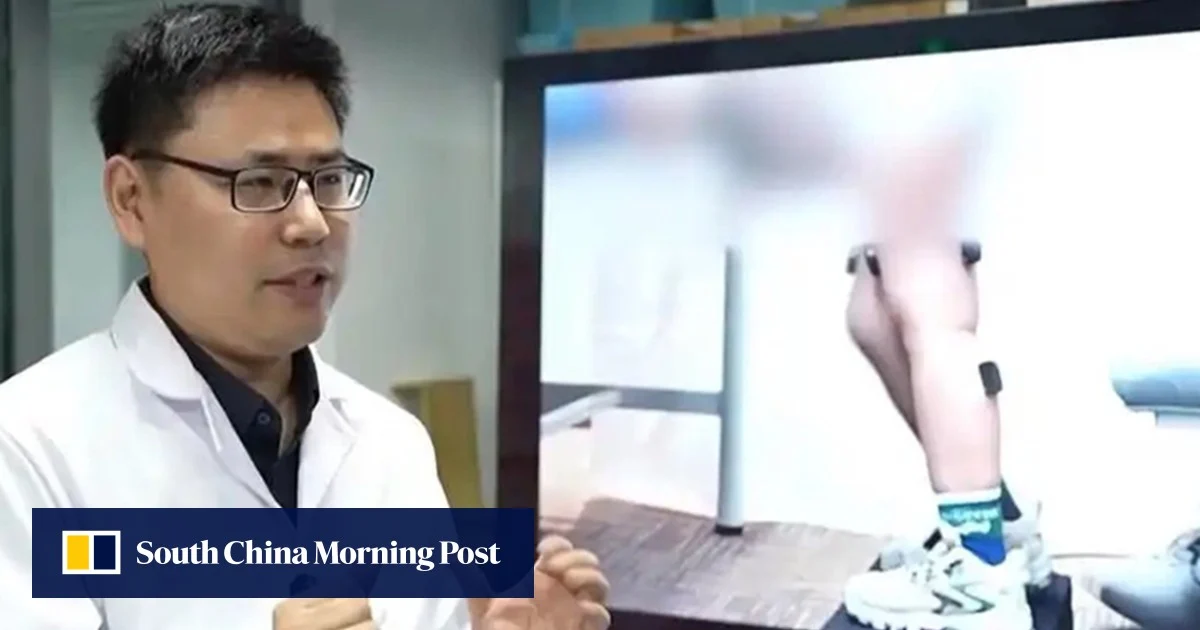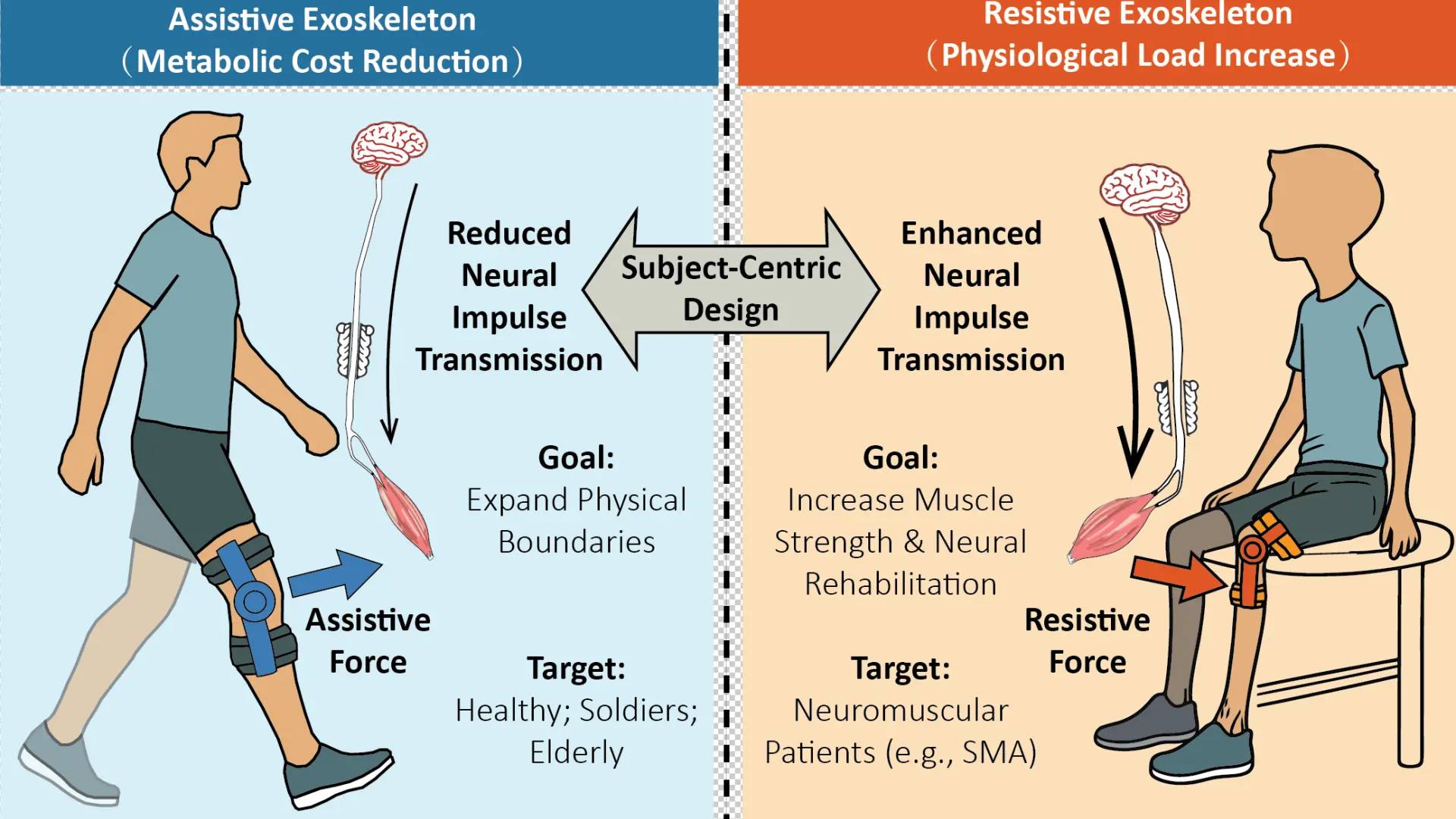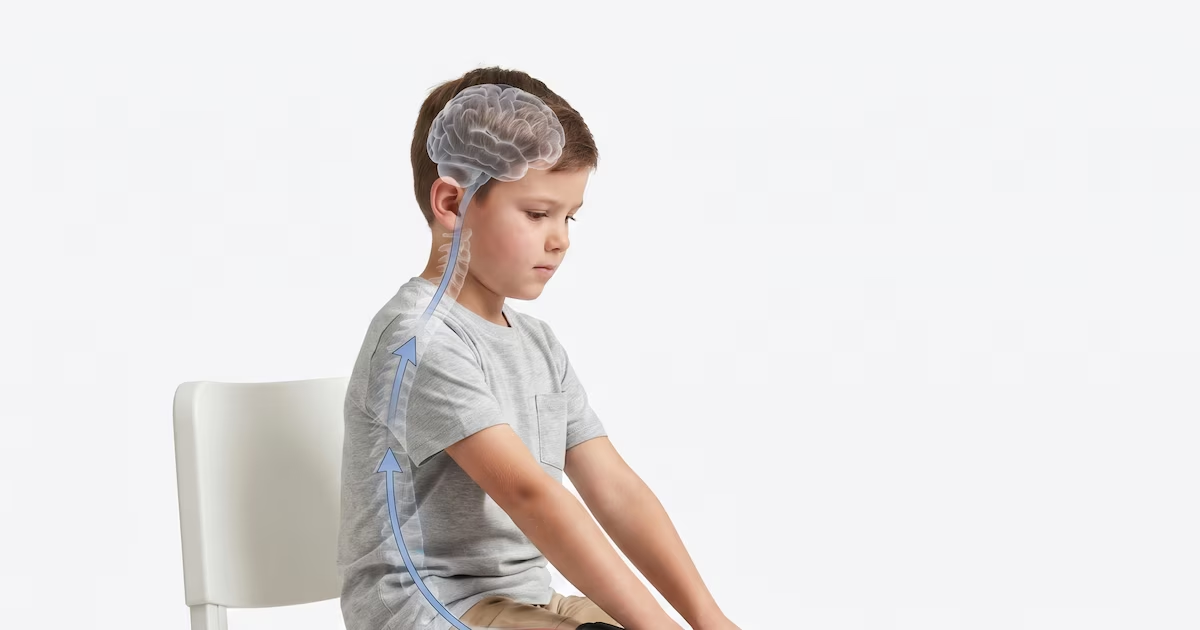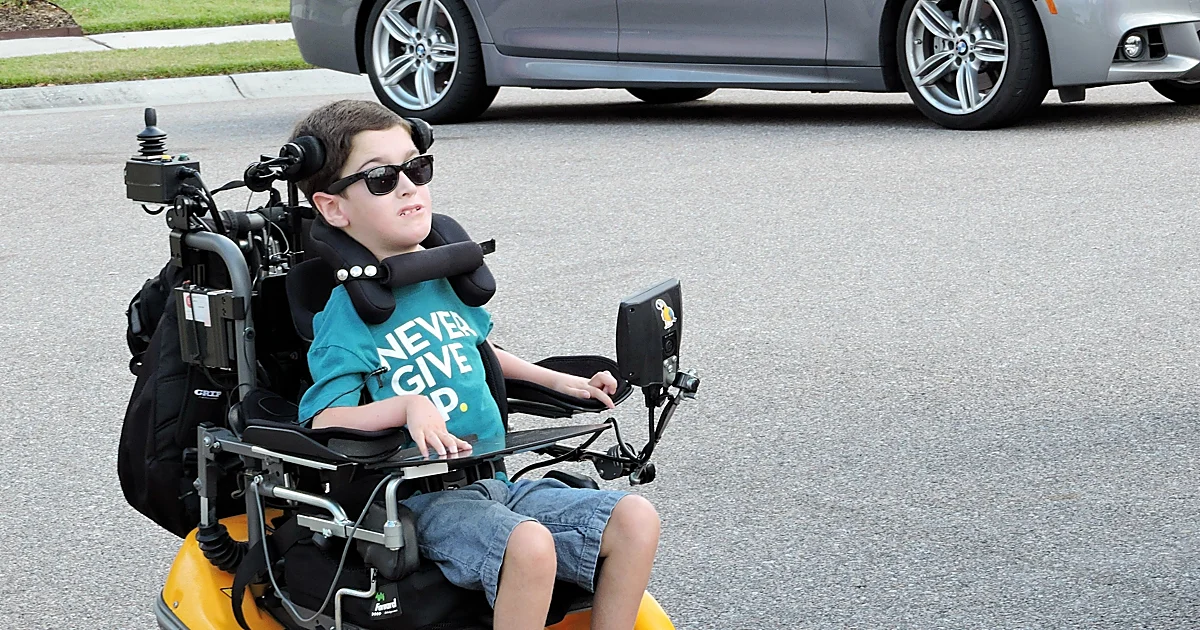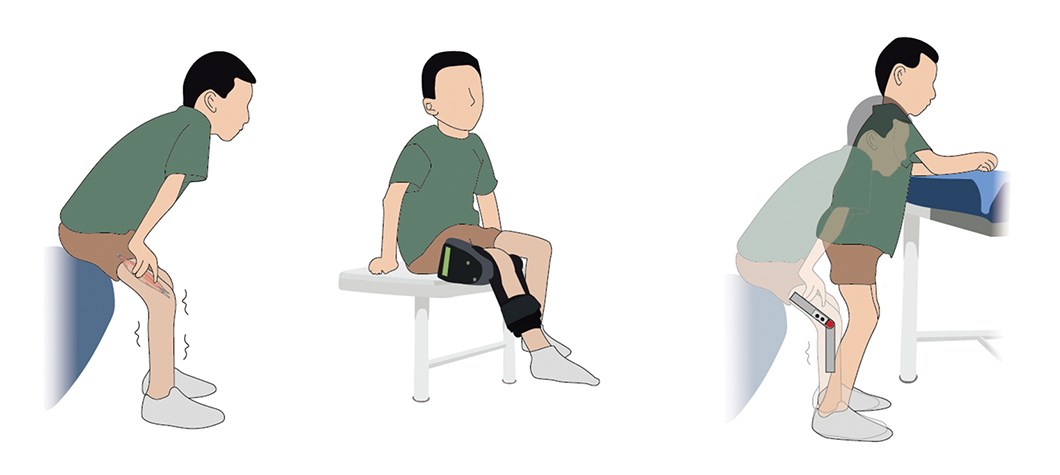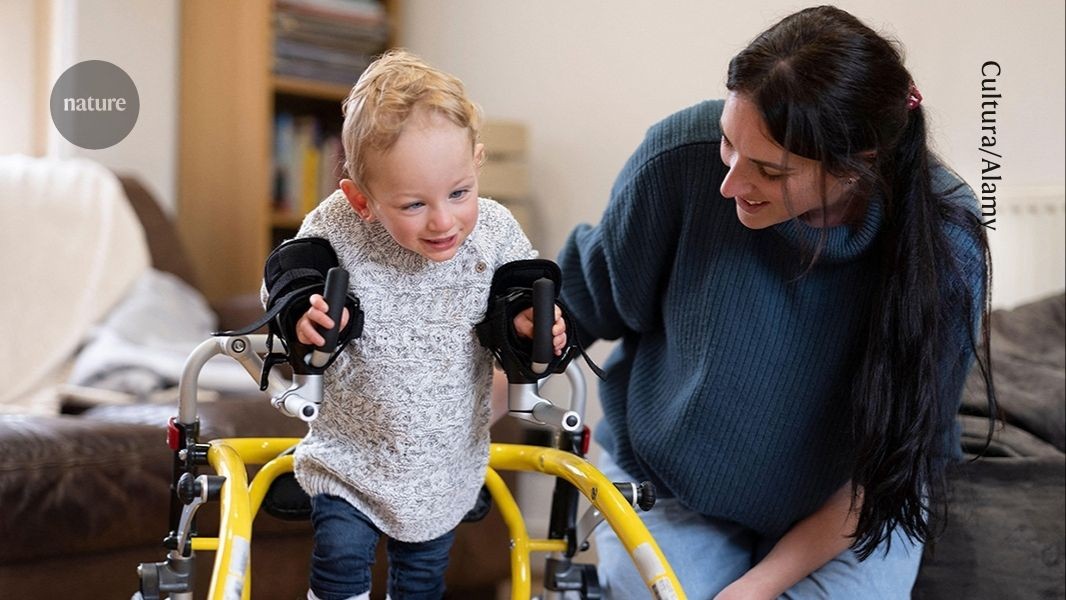
Conventional physiotherapy is often a part of neuromuscular rehabilitation in children.Credit: Cultura/AlamyA wearable robot weighing just under one kilogram improves knee function in children living with spinal muscular atrophy (SMA), according to research published in Nature today1.The device provides resistance training, tailored to the individual, for children who are unable to walk because of SMA. Compared with initial assessments, after using the robot for six weeks, six children — aged 6–10 years — could stand from a lower sitting angle; had 20% bigger quadriceps; and could generate more than twice as much force when bending their knees.Gains extended beyond the laboratory according to the participants’ parents, says author Tony Shu, a bioengineer who was at the Massachusetts Institute of Technology in Cambridge. “At home, when their children are trying to roll out of bed or adjust their bodies in certain ways, parents notice that it’s become a lot easier because of the training regimen,” Shu says.“The dramatic growth in biomechanical indicators and the synergistic changes in the neuromuscular system absolutely shocked us,” says author Yanggang Feng, a bioengineer at Beihang University in China. “The portable nature of the device makes it ideal for home settings,” he adds.“It’s a very important piece of work that gives important information to the clinic,” says Elvira Pirondini, a bioengineer at the University of Pittsburgh in Pennsylvania. However, Pirondini says that it remains uncertain whether the robot is uniquely advantageous or if other forms of high-intensity exercise can also help.Drugs not enoughSMA is an inherited disease caused by mutations in the SMN1 gene, affecting roughly one in every 10,000 births. Without functional SMN1, spinal motor neurons die, and the strength and mass of the muscles that they innervate deteriorates. Over the past decade, genetic therapies have revolutionized the care of people with SMA. These medicines, by manipulating either SMN1 or its complementary and protective gene SMN2, halt or greatly slow neuronal loss. But they cannot rebuild muscles that have already wasted.‘It’s a vote for hope’: first gene therapy for muscular dystrophy nears approval, but will it work?Feng and his colleagues, therefore, sought a new form of intensive rehabilitation to restore muscle function. Their solution: a robot that fixes to the knee to deliver resistance training called isokinetic training. This form of workout involves keeping leg movements at a constant speed throughout an exercise while users work to straighten their legs. The robot does this by providing variable resistance to knee extensions, according to the leg’s speed of movement. When leg speed increases, resistance rises to slow it; when movement slows, the resistance drops.The children testing the robot had type 2 SMA, which starts to present between 6 and 18 months of age, leaves people unable to walk, and, prior to gene therapies, gave people a life expectancy of under 30 years . The children — who were each receiving gene therapy — initially took part in conventional physical rehabilitation but had no appreciable functional gains.They then underwent 30 robot sessions of 60 or more leg movements, spread over 6 weeks. To help the children to engage with the challenging training sessions, the team gamified the system so that users saw themselves kicking a ball as they extended their leg.After training, a series of tests showed marked improvements in physical function of all six children. Magnetic resonance imaging (MRI) scans showed that the cross-sectional area of their quadriceps had grown; torque measurements showed that their knees were stronger; electrical recordings showed that their nerves were conducting more effectively; and the starting angle from which they could transition from sitting to standing decreased from 111 degrees to 104 degrees. “It was nice that they looked at a lot of measures,” says bioengineer Sandra Hnat, of Case Western Reserve University in Cleveland, Ohio. The muscle scans and nerve recordings substantiated the functional improvements that were observed.
Wearable robot boosts strength of children with spinal muscular atrophy
The device helps muscle recovery in those receiving gene therapy for the rare neuromuscular condition.
638 words~3 min read