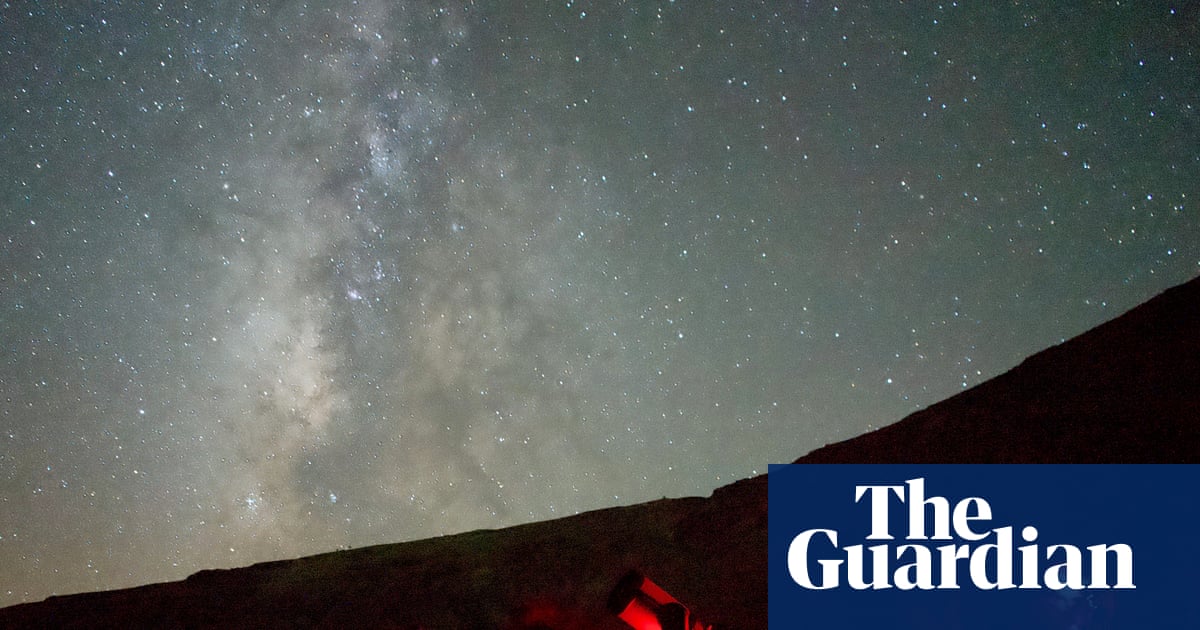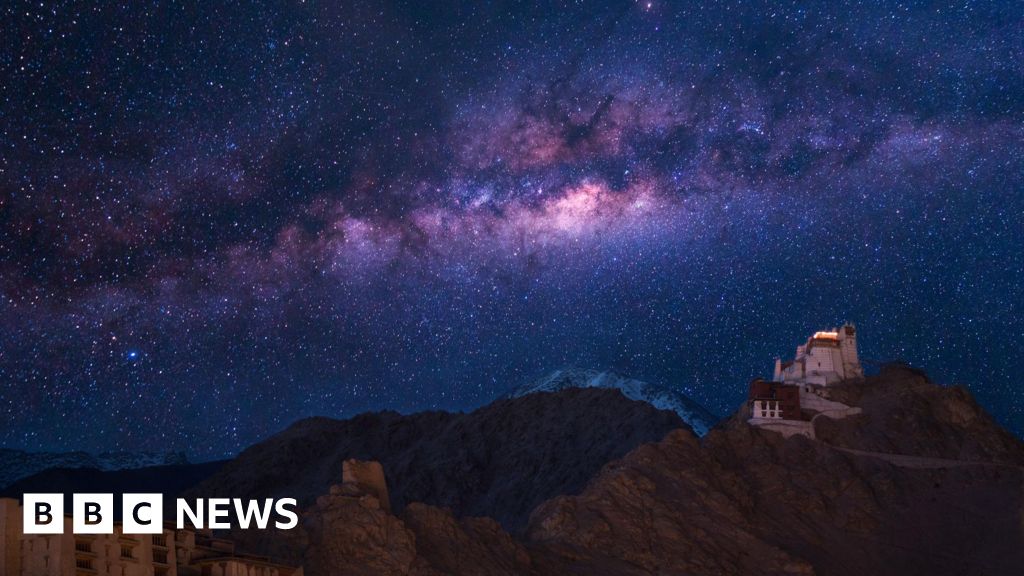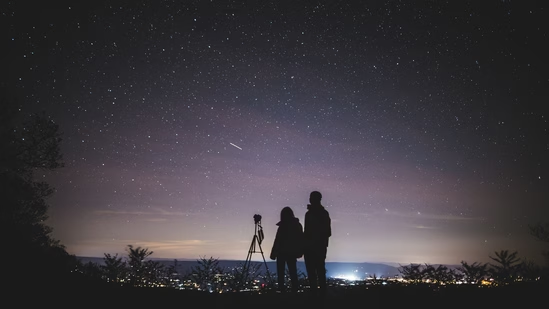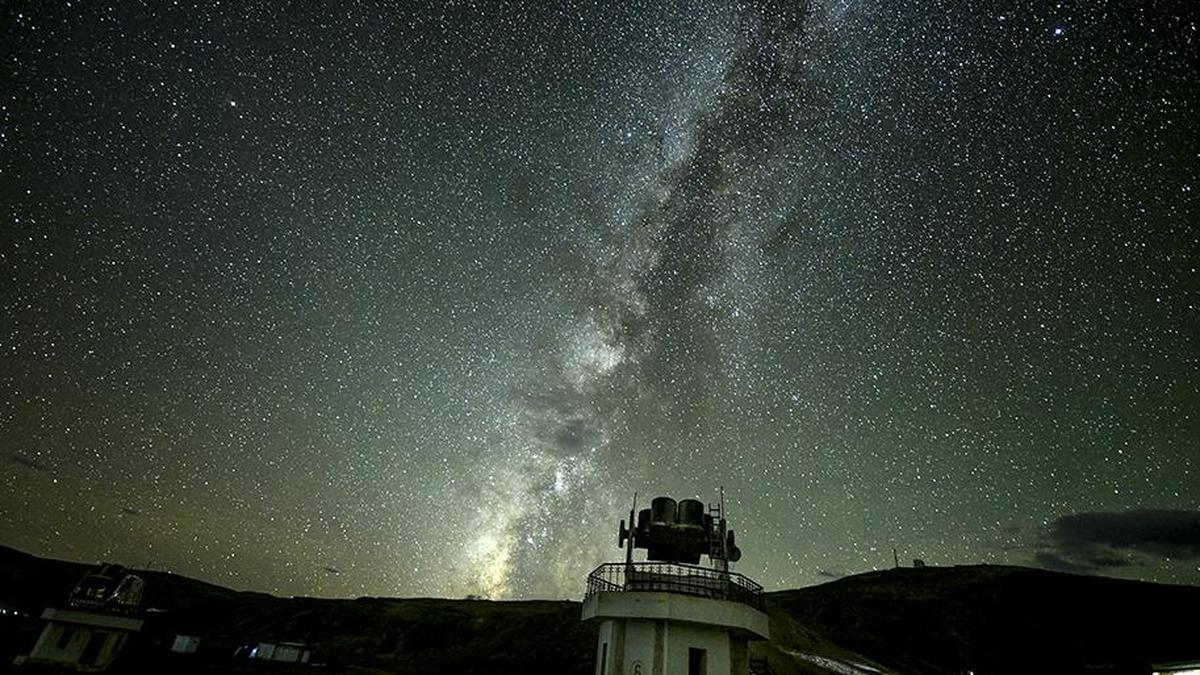
A view of the Stars and Milky Way above the highest Telescope during the night at Hanle in Ladakh (file photo)
| Photo Credit:
Ladakh Astro Week 2026 began on Wednesday in Leh, bringing together astronomers, astrophotographers, researchers, students and sky enthusiasts for a week-long celebration of astronomy under the region’s pristine night skies.The festival was inaugurated in Leh and is being organised by the Department of Tourism, Ladakh, in collaboration with the Indian Institute of Astrophysics (IIA), Bengaluru, and the Indian Astronomical Observatory (IAO).Director General of Police Mukesh Singh attended the inaugural ceremony as the chief guest, while Annapurni Subramaniam, Director of the Indian Institute of Astrophysics, was also present at the opening event.The programme began with the festival kickoff, inauguration and welcome addresses, followed by presentations introducing the Indian Astronomical Observatory, the Indian Institute of Astrophysics and the Hanle Dark Sky Reserve (HDSR), one of the world’s highest-altitude dark sky reserves.An introductory session on activities of the Bhabha Atomic Research Centre (BARC) was also held, followed by the inauguration of interactive stalls and an astrophotography gallery showcasing images of celestial objects and the Himalayan night sky.An expert talk titled “Animal Astronomers: How Animals See Stars” by cosmologist Biman Nath was among the key attractions on the opening day.It offered fascinating insights into the relation between animals , nature and celestial navigation.Parallel activities scheduled during the afternoon included solar viewing sessions, interactive science stalls and public visits to the astrophotography gallery. The first day will conclude with an inaugural night sky watch programme at the Office of the Assistant Director of Tourism, Leh, allowing visitors to observe celestial objects through telescopes.Organisers said the festival aims to promote Ladakh as a premier destination for astro-tourism and scientific observation, capitalising on its high altitude, dry climate and minimal light pollution.The event has drawn participation from astronomers, photographers, students and travellers from different parts of the country, who will take part in stargazing sessions, astrophotography workshops, science talks and night-sky observations over the coming days.Ladakh, particularly the Hanle region, has increasingly emerged as a critical centre for astronomical research because of its exceptionally clear skies and favourable atmospheric conditions.Published on May 20, 2026