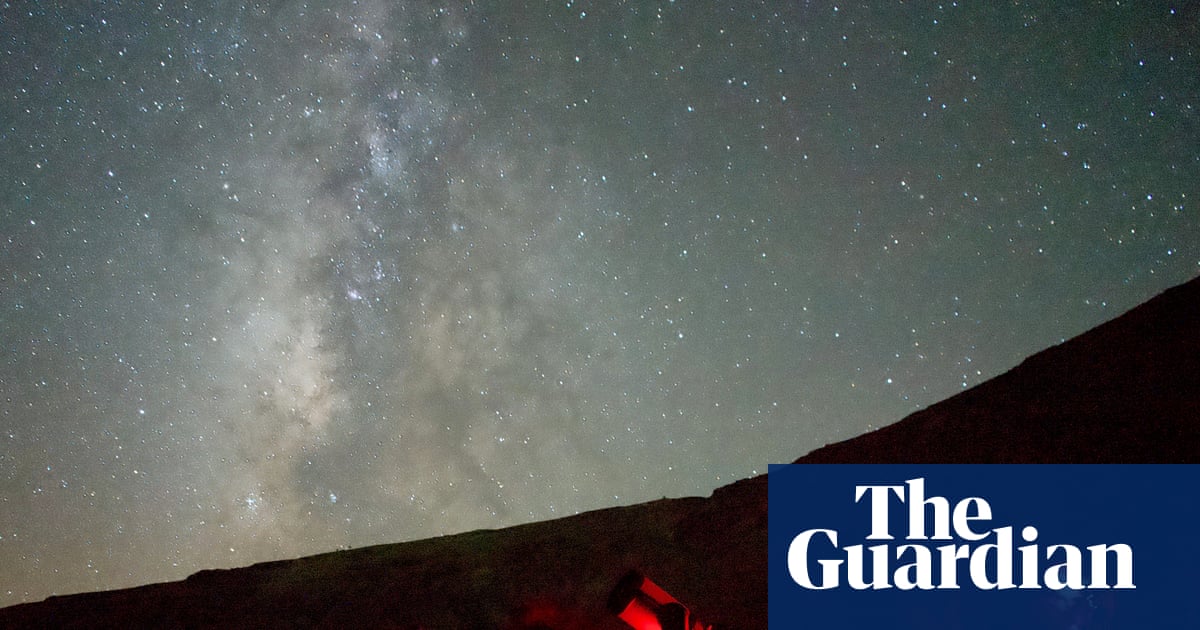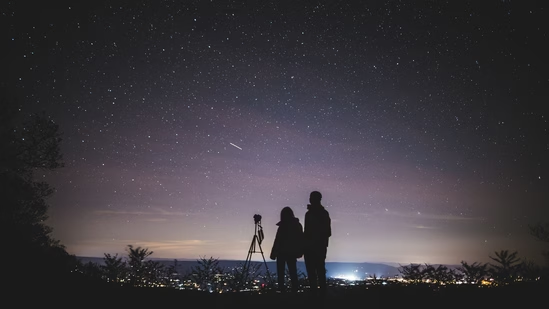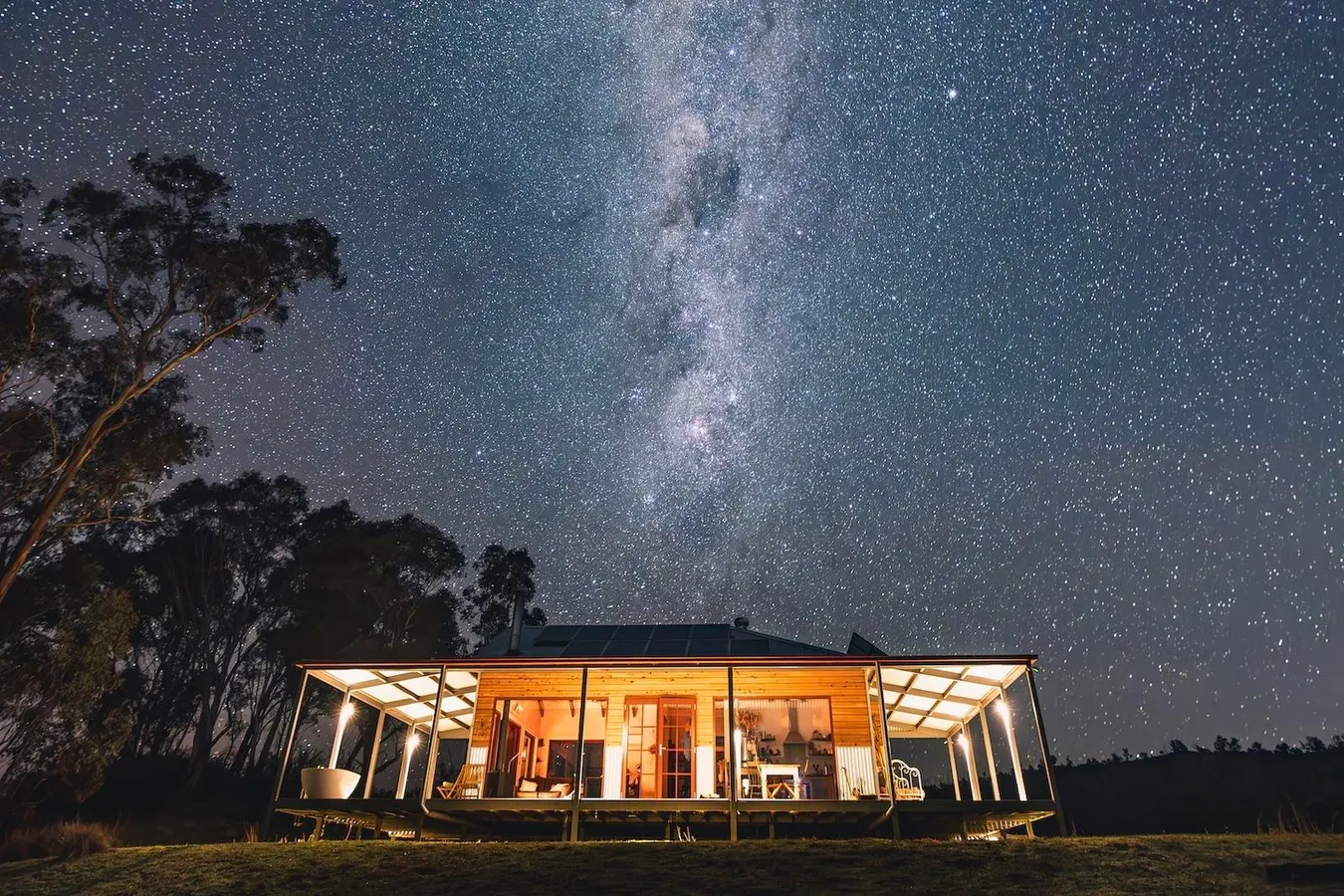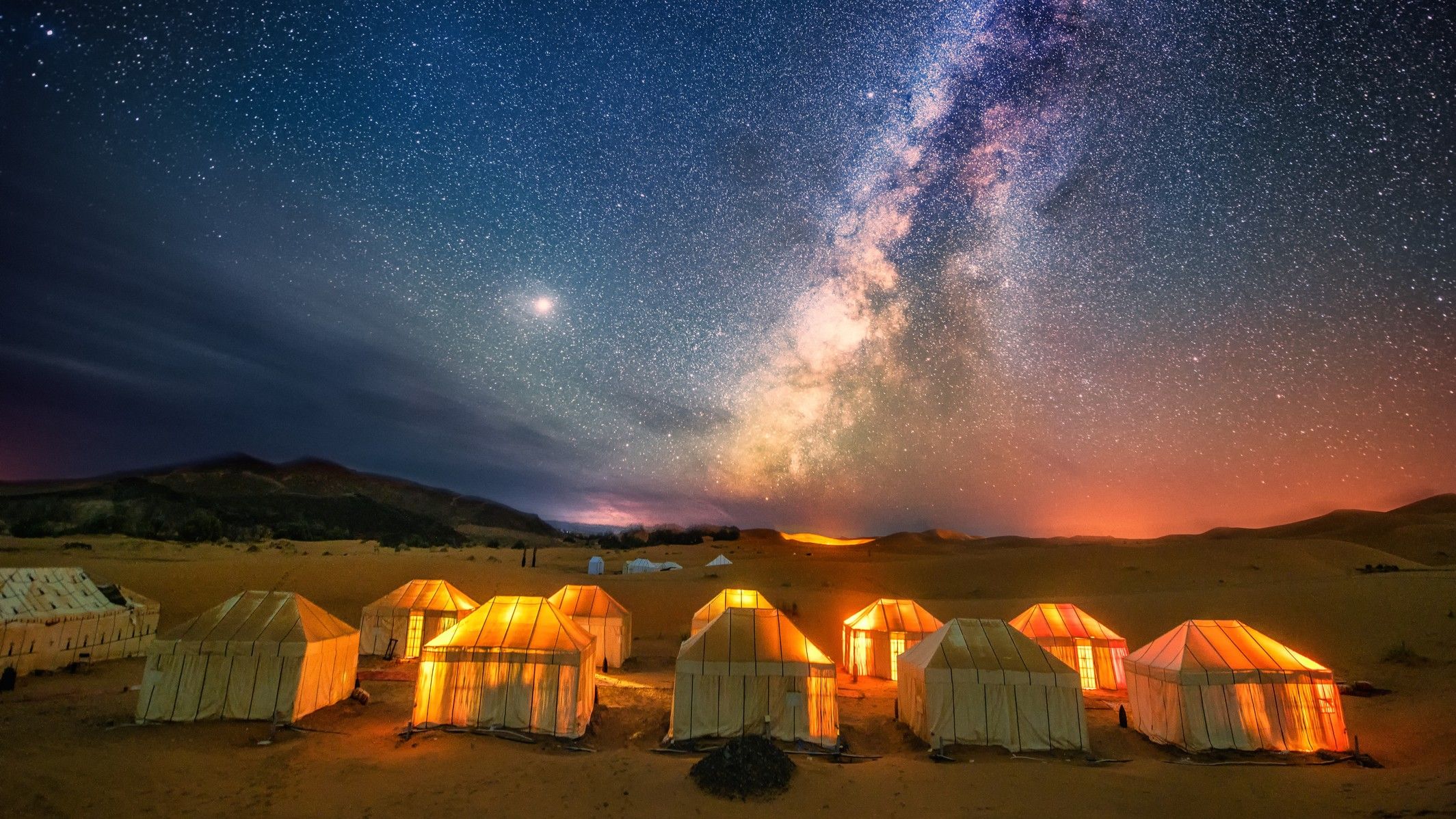
On a cold winter night, around 200km (125 miles) from the Indian capital Delhi, dozens of people huddle around telescopes, waiting for darkness to settle over the landscape.
Over the next few hours, more than 150 meteors streak across the sky - a spectacle all but impossible to witness from India's sprawling light-polluted cities. For many travellers, experiences like this are becoming as compelling as visits to monuments or wildlife sanctuaries. Dark skies, once taken for granted, are now a reason to travel.
Stargazing in India has long been the preserve of amateur astronomers and science clubs. But as air pollution and city lights obscure the night sky, the hobby is breaking into the mainstream, sparking a new wave of astrotourism.
The trend is still niche, constrained by the high cost of organised trips and the challenge of reaching remote, light-free locations. But with more urban residents now willing to journey hundreds of kilometres for a glimpse of the cosmos, tour organisers say demand is surging.
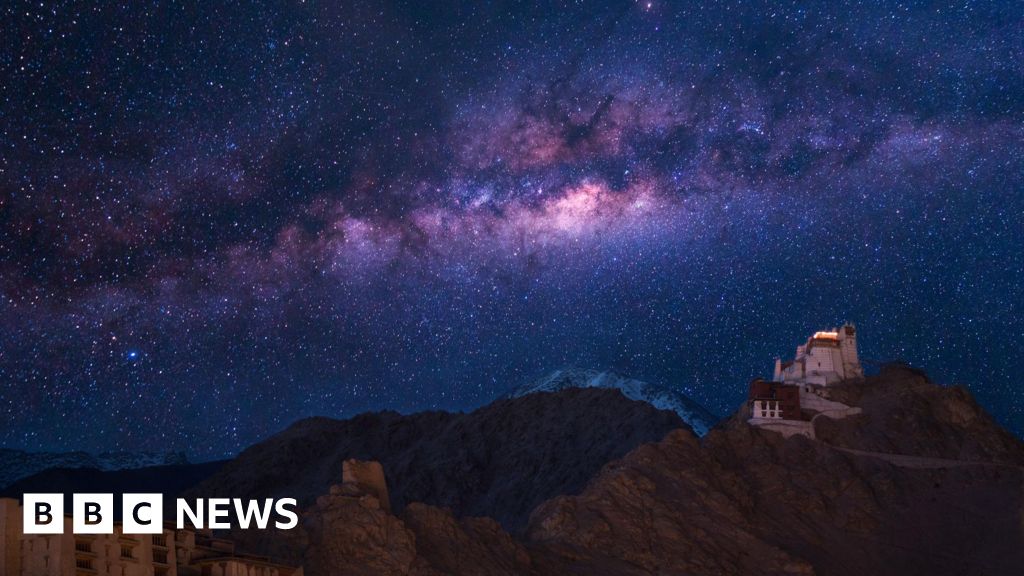
In Ladakh's cold desert, the remote, high-altitude village of Hanle once received around 5,000 visitors a year, according to Dorje Angchuk, engineer-in-charge at the Indian Astronomical Observatory. After it was designated India's first dark-sky reserve in 2022, that figure rose to more than 30,000 last year.