The story so far: India continues to narrate its urban future through the loud vocabulary of megacities. But a quieter and far more consequential transformation is unfolding. Of India’s nearly 9,000 census and statutory towns, barely 500 qualify as large cities. The overwhelming majority are small towns, with populations below 1,00,000. This proliferation of small towns is a structural product of India’s capitalist development — and of its crisis.
How have small towns proliferated?
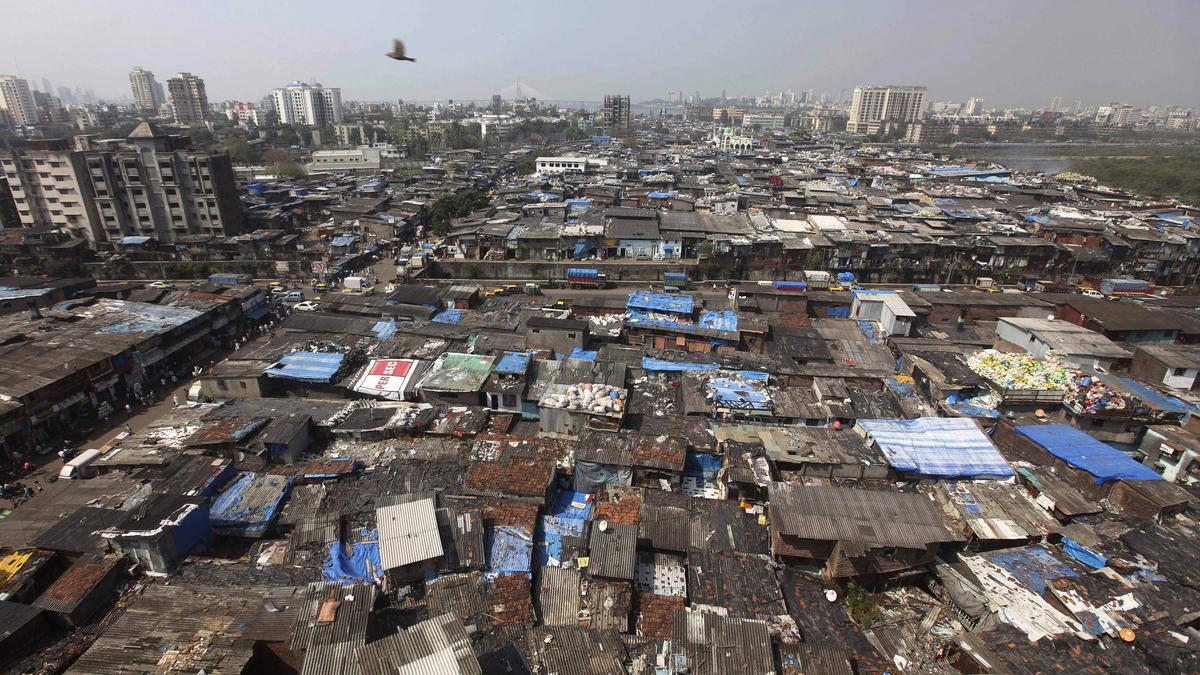
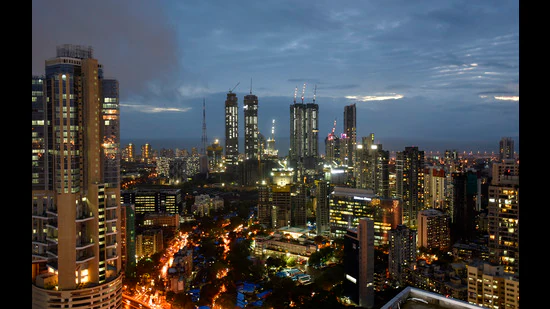
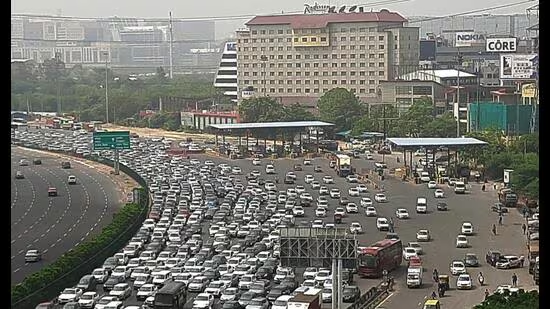
From the 1970s through the 1990s, capital accumulation was organised through metropolisation. Large cities became the primary sites for industrial production, state investment, infrastructure, and labour absorption. Delhi, Mumbai, Chennai, Kolkata and later Bengaluru and Hyderabad became spatial fixes for capitalism by absorbing surplus labour; concentrating consumption; and by creating conditions for accumulation. However, today, India’s metros have run into the classic problem of over-accumulation. Land prices have detached from productive use, infrastructure systems are stretched beyond repair, and rising costs have become unbearable for working groups.
It is in this moment that small towns have emerged. Across India, one can see this shift. Towns like Sattenapalle in Andhra Pradesh, Dhamtari in Chhattisgarh, Barabanki in Uttar Pradesh, Hassan in Karnataka, Bongaigaon in Assam, or Una in Himachal Pradesh are now logistics nodes, agro-processing hubs, warehouse towns, construction economies, service centres and consumption markets. They absorb migrant workers pushed out of metros and rural youth with few agrarian options. These small towns are not outside the urban process; they are fully inside it. Small towns are urbanised under conditions of capitalist stress — cheaper land, pliable labour, weaker regulation, and minimal political scrutiny.