https://arab.news/6jgrp
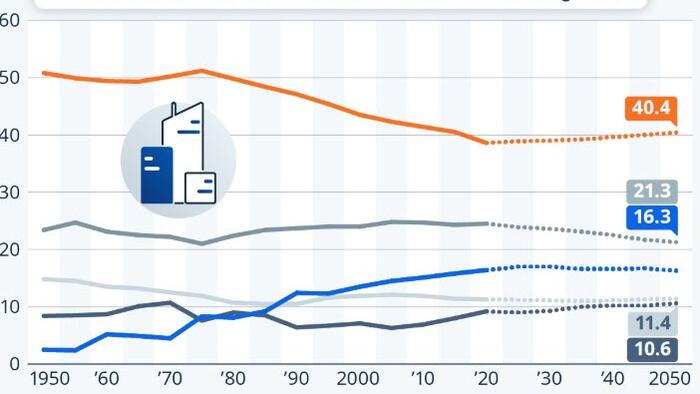
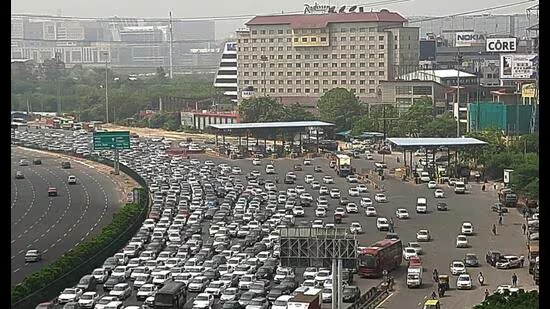
Population movement tends to happen slowly, driven by factors such as births, deaths, age structures and migration. However, the recent UN World Urbanization Prospects report shows how demographic change can also happen comparatively quickly through the prism of the growth of megacities, which are defined as urban areas with more than 10 million inhabitants.
The UN report shows that Cairo is the only megacity outside of Asia to make the top 10 of the world’s largest urban areas, with its population of about 23 million. Meanwhile, Lagos (about 18 million), is the largest city in sub-Saharan Africa. Other cities in the region that are on track to become megacities by mid-century include Addis Ababa, whose current population is just over 6 million.
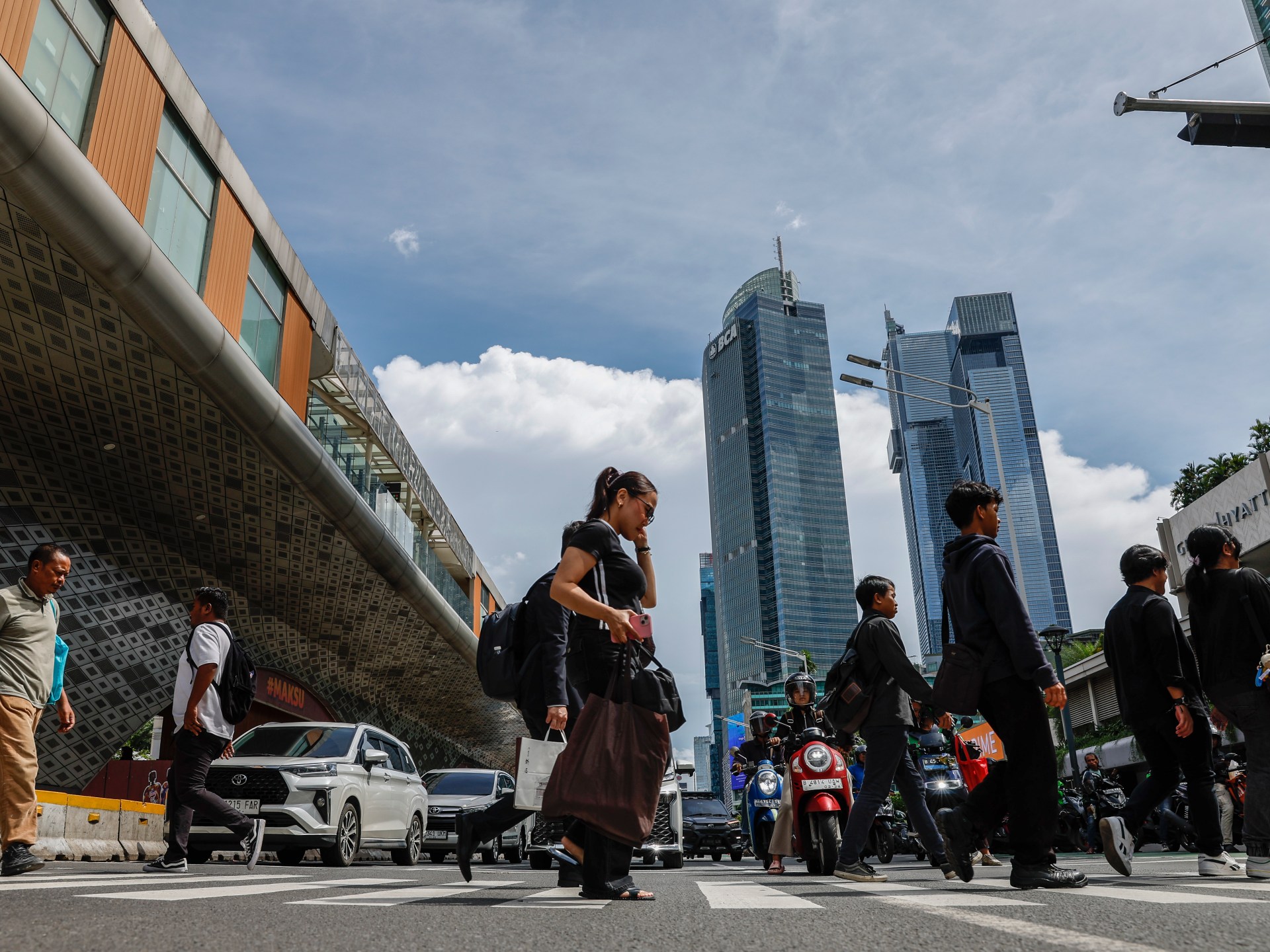
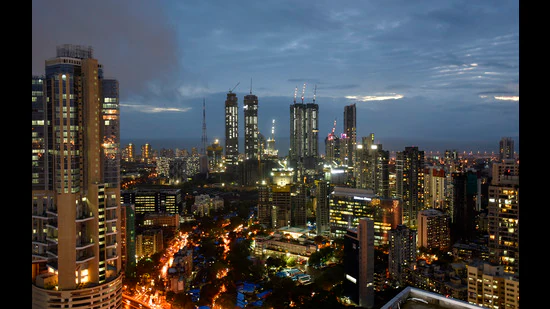
Yet, as important as the Middle East and Africa — long seen as the cradles of civilization — are in this global story, there is an even larger narrative in play about how the world’s center of population growth is shifting east. Not only does Asia now boast nine of the world’s top 10 most populous cities, but it also hosts an astonishing 19 of the world’s 33 megacities.
There is an even larger narrative in play about how the world’s center of population growth is shifting east