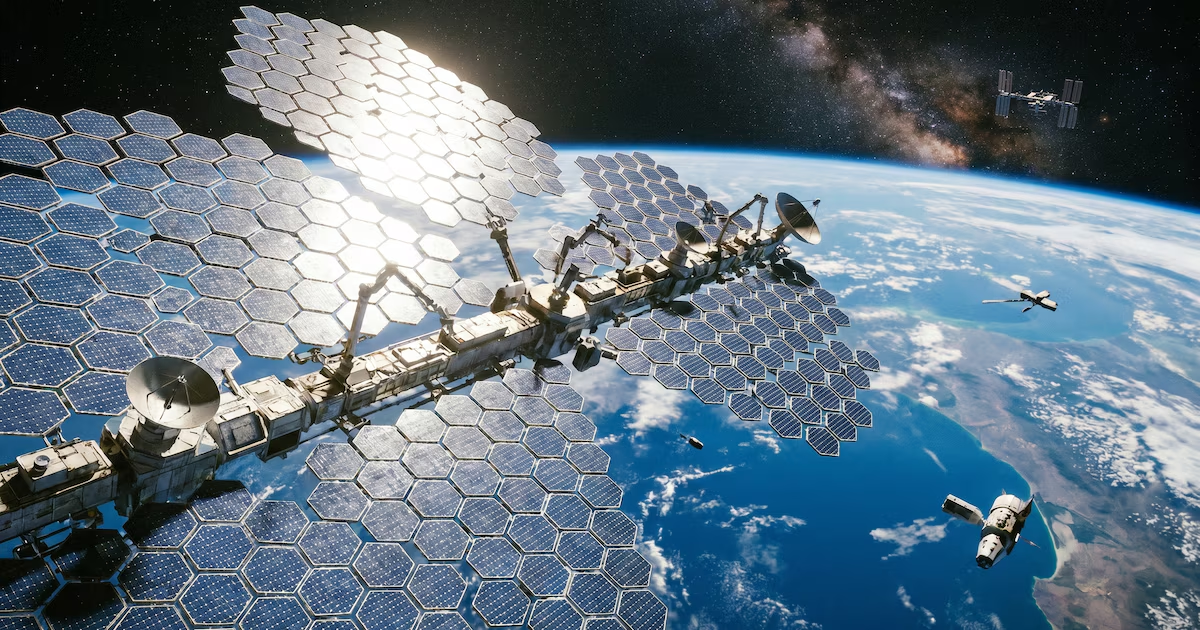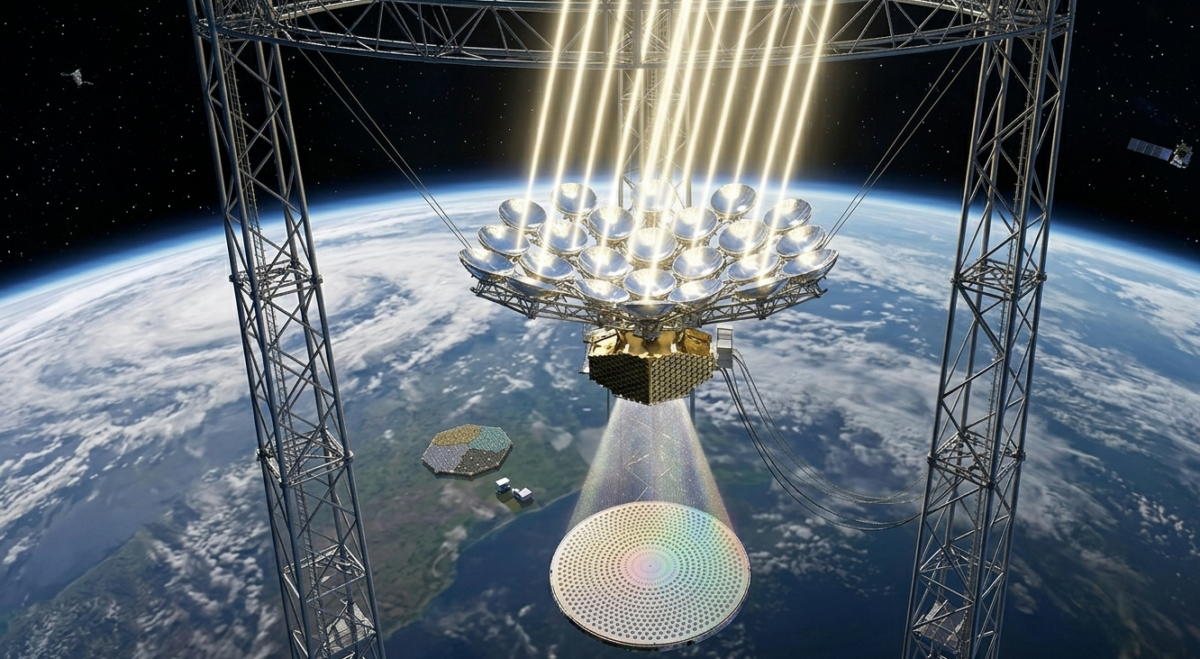
China is advancing the Sun Chasing project to develop space-based solar power systems that collect energy in orbit and beam it wirelessly to Earth or spacecraft for continuous power supply. Early tests demonstrated over 100 m wireless power transmission and efficient microwave beaming to moving targets, with up to 1,180 W delivered and promising system efficiencies.
May 20, 2026
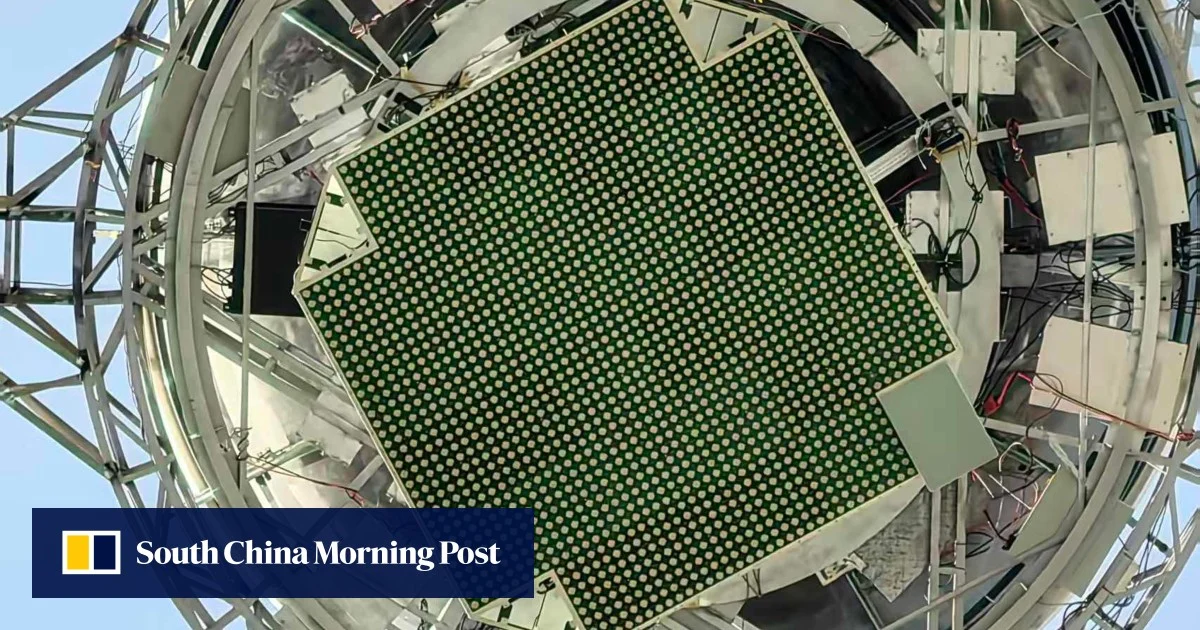
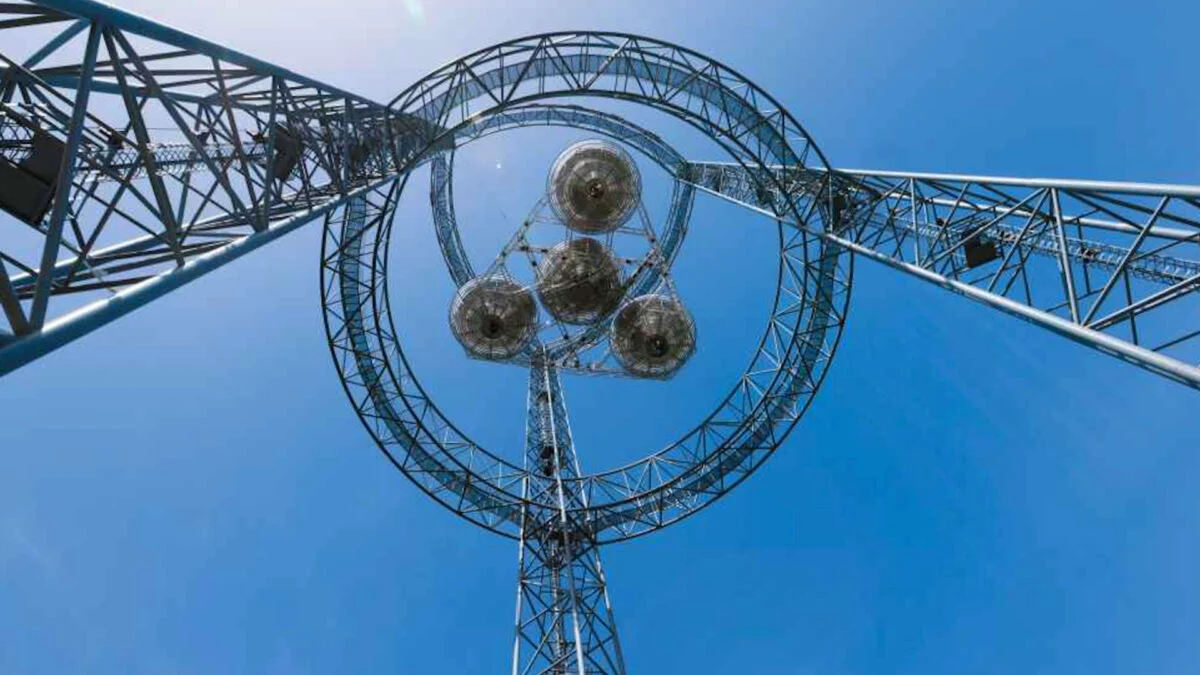
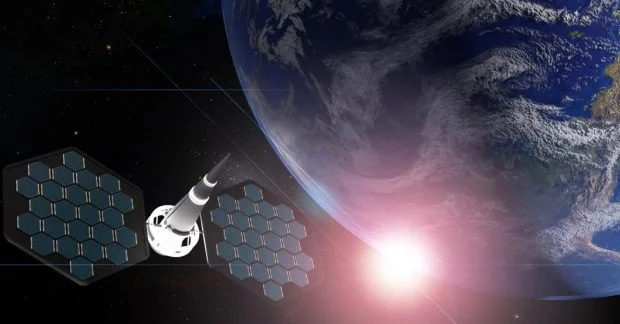
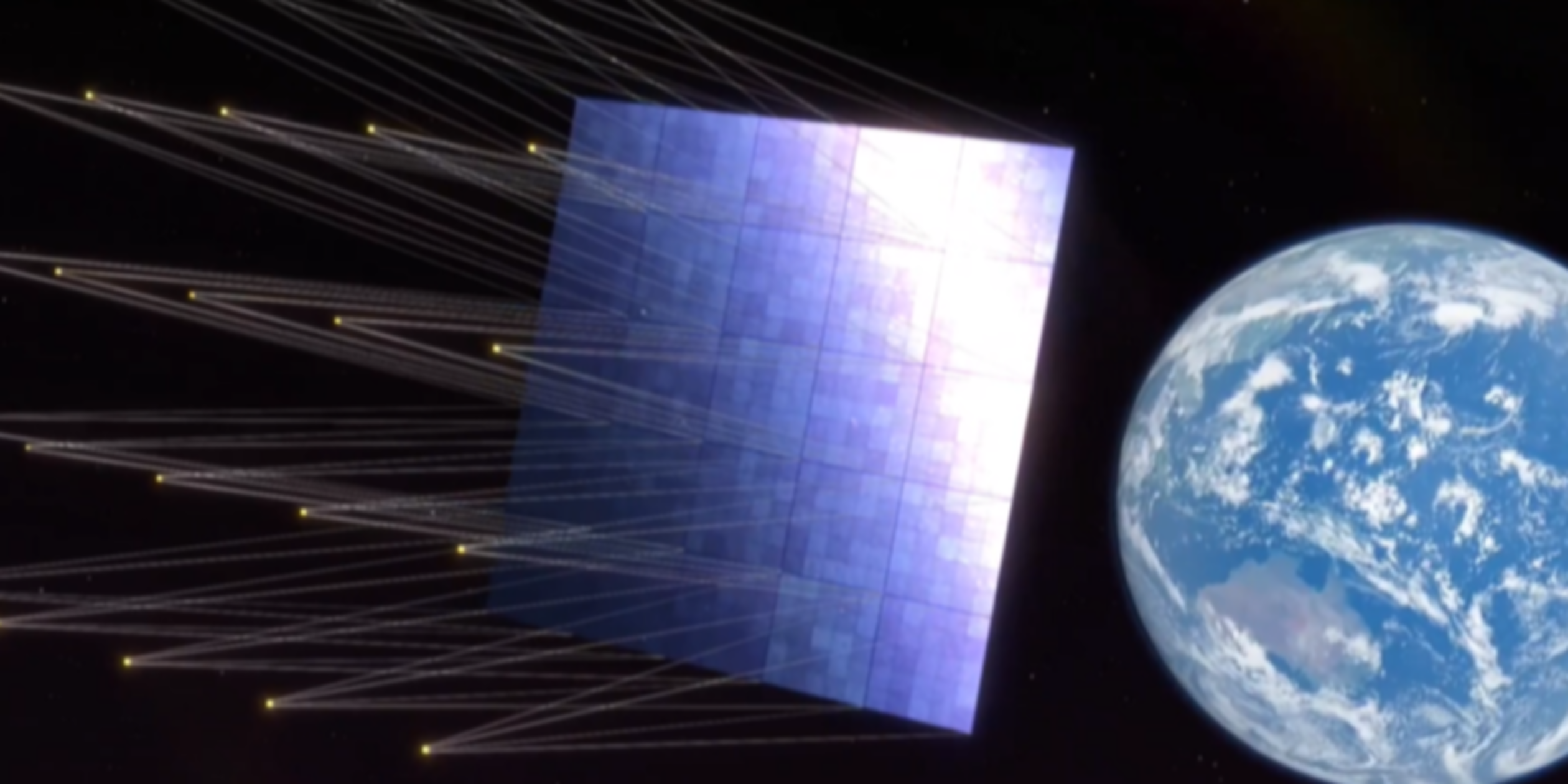
A research team from China’s Xidian University has begun initial experiments under the Sun Chasing project, an initiative aimed at developing large-scale space-based solar power systems. The long-term goal is to deploy orbital solar infrastructure capable of collecting energy in space and transmitting it wirelessly back to Earth or to spacecraft, potentially providing a continuous and weather-independent power source.
The research team reports that it has successfully demonstrated wireless power transmission over distances exceeding 100 meters to a stationary target, as well as more than 30 meters to a moving target. According to the project team, these early tests are intended to validate key components of the system, including beam stability and energy delivery accuracy under changing conditions.
“In recent tests, the system achieved a wireless power transmission efficiency of 20.8% from direct current to direct current over a distance of 100 meters. It delivered 1,180 watts of power,” the Chinese State Council Information Office said in a statement. “The team has also built a wireless charging system for drones. In a test, a drone flying at 30 kilometers per hour was able to receive 143 watts of stable power from 30 meters away.”