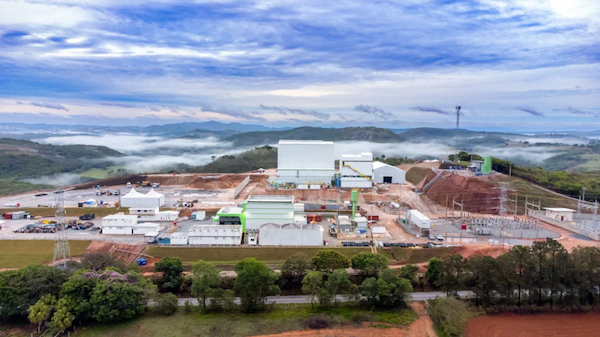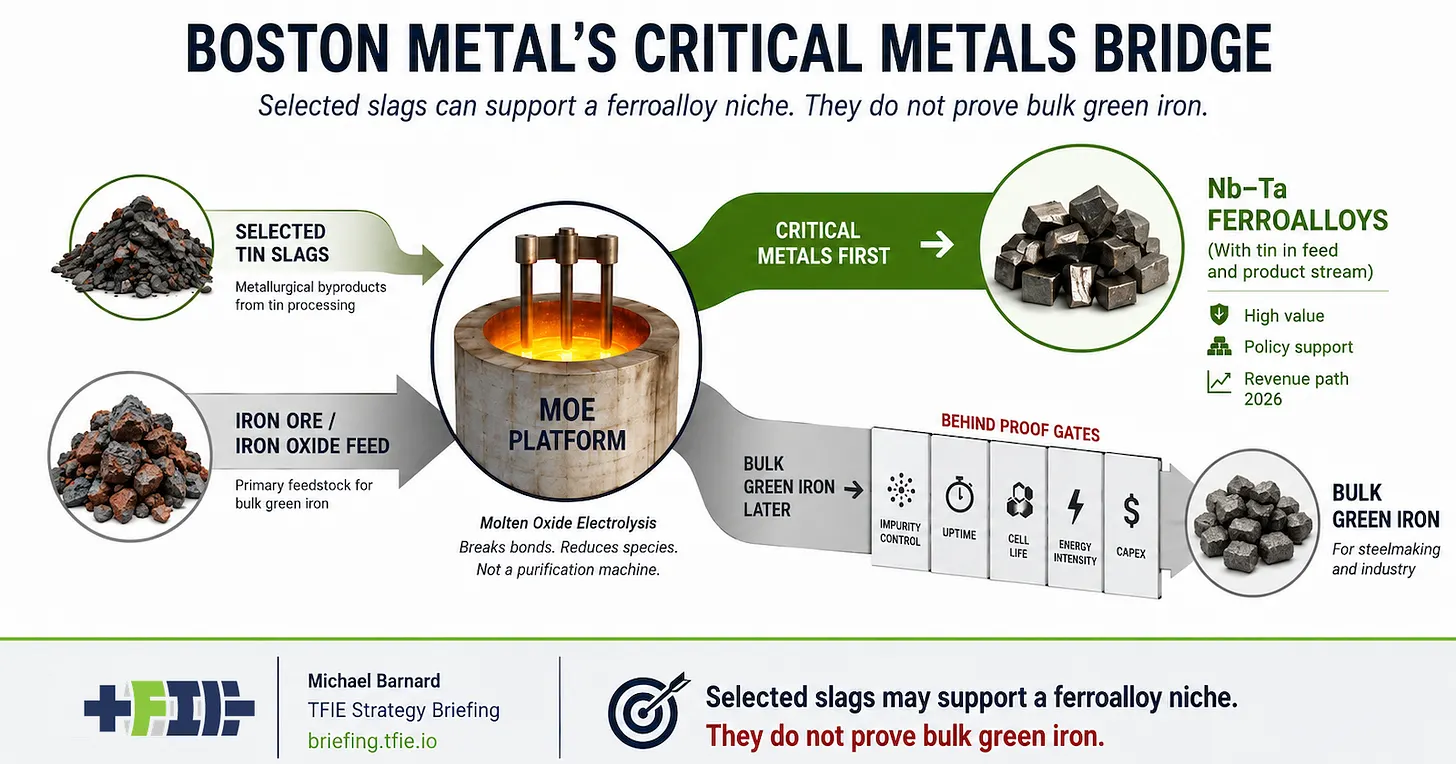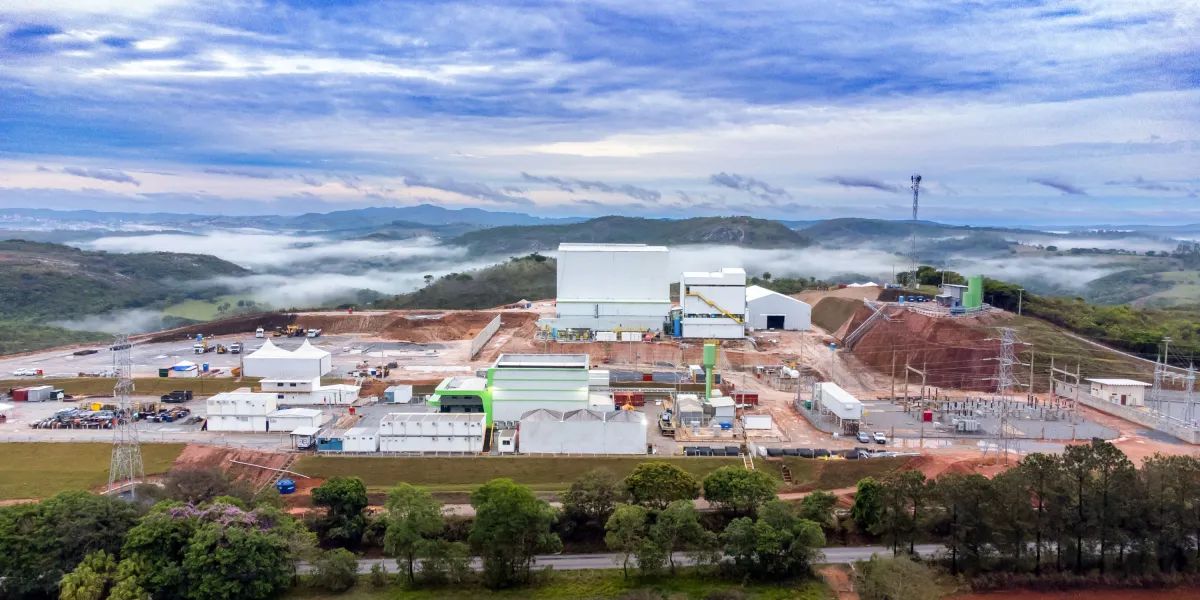
The startup Boston Metal has raised a $75 million funding round to produce critical metals, MIT Technology Review can exclusively report. The company has been known largely for its efforts to clean up steel production, an industry that's responsible for about 8% of global greenhouse emissions today. With the additional money, the new focus could help it survive at a time when support for industrial decarbonization has been waning in the US. In addition to steel, Boston Metal has also worked to use its technology with other metals, and a subsidiary (Boston Metal do Brazil) is setting up a commercial facility in Brazil to produce niobium, tantalum, and tin. The funding will help support that facility’s operation as well as future efforts to produce critical metals like vanadium, nickel, and chromium, says CEO Tadeu Carneiro. The funding comes after the company faced cash-flow problems following an industrial accident at the Brazil facility earlier this year. Boston Metal’s core technology is called molten oxide electrolysis (MOE). It involves running electric current through a reactor filled with ore dissolved in a molten electrolyte. The electricity heats everything up to about 1,600 °C (3,000 °F) and drives chemical reactions that separate the desired metal (or metals) from the ore. The metal gathers at the bottom of the reactor, where it can be siphoned off.
Boston Metal gets a $75 million lifeline to produce critical metals
The company is focusing on metals like niobium, tantalum, and nickel rather than steel.
607 words~3 min read