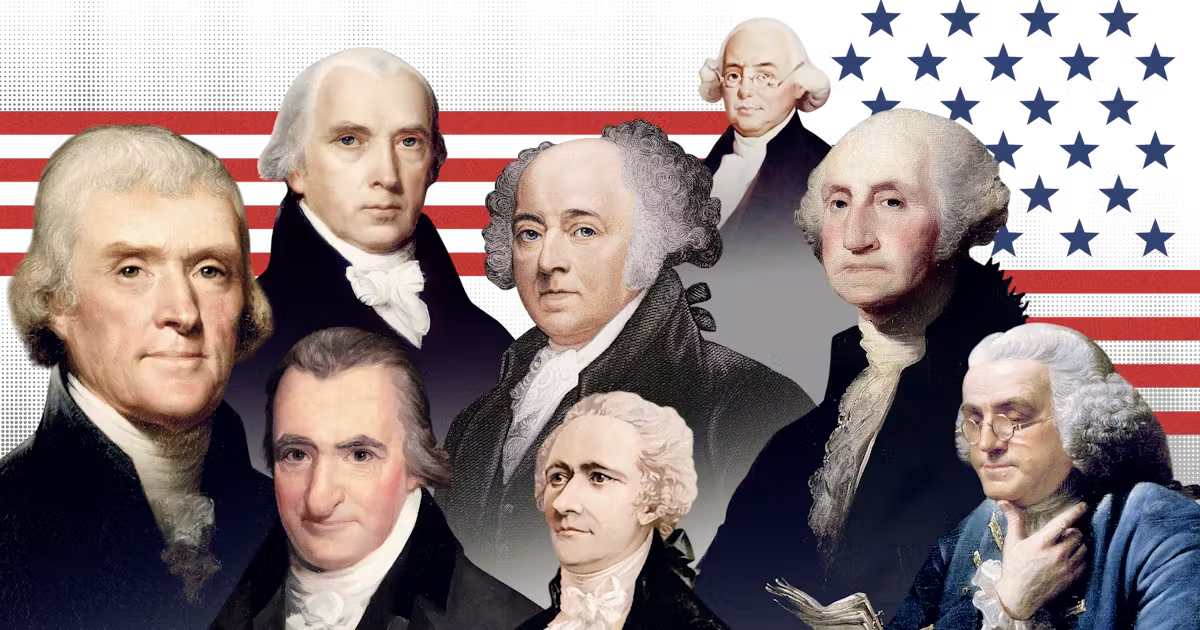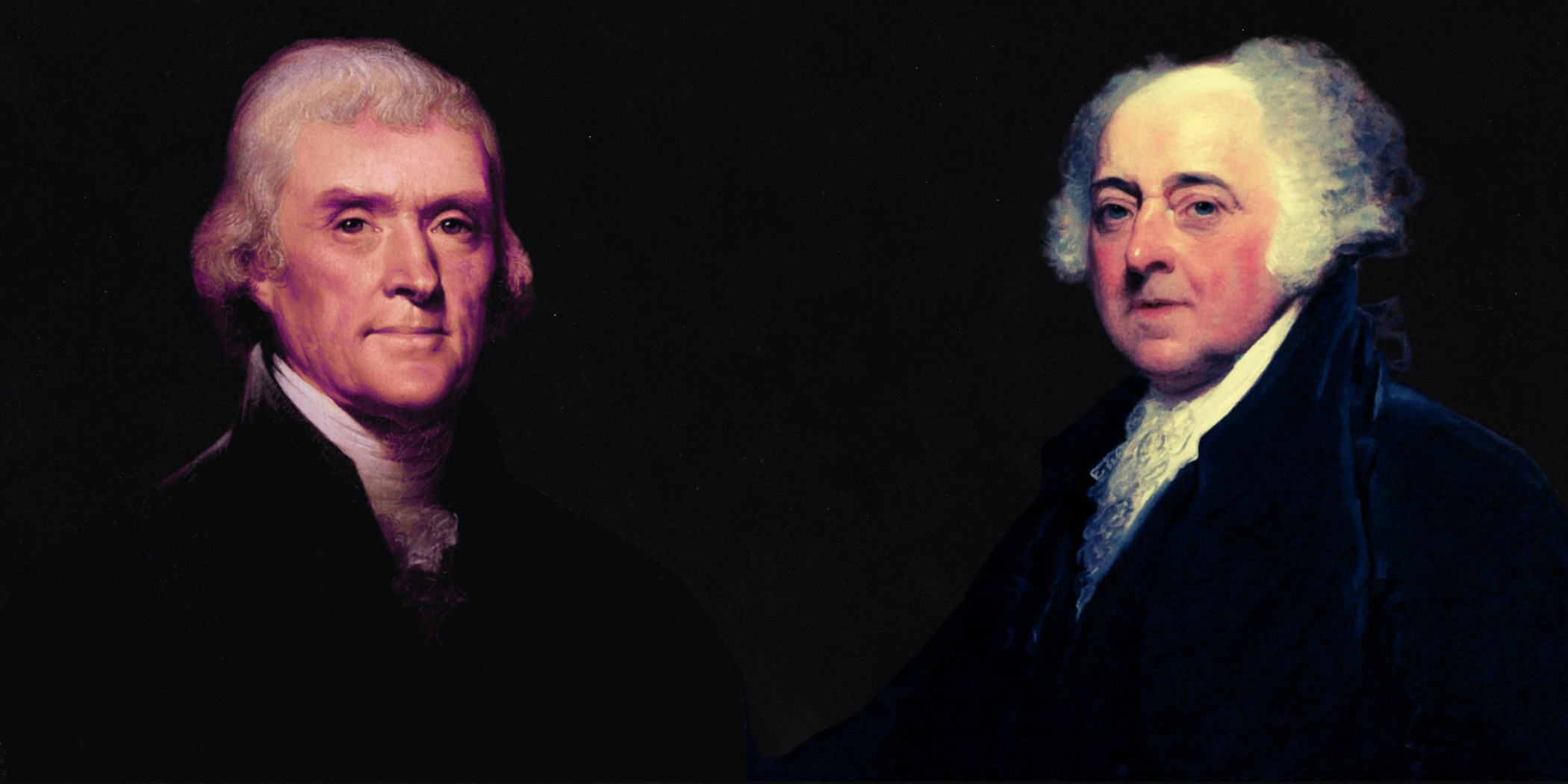
John Adams liked to point out that Thomas Jefferson came late to the revolution. Before arriving in Philadelphia in the spring of 1775, the Virginian “knew more of the Eclipses of Jupiters Satelites than he did of what was passing in Boston.” That wasn’t quite fair. But it’s true that Adams had been sowing the seeds of independence far longer than Jefferson, first in Boston in collaboration with his rabble-rousing cousin, Samuel Adams, and then in Philadelphia, where he’d served in the First Continental Congress in 1774. Jefferson, having skipped the First Congress entirely, showed up late to the second.Article continues after advertisement
He’d missed an eventful spring. In April of 1775, the first blood of the war had been spilled at Lexington and Concord. In May, a group of ragtag volunteers known as the Green Mountain Boys, led by Ethan Allen and Benedict Arnold, had launched a midnight attack on Fort Ticonderoga, on Lake Champlain, capturing British artillery.
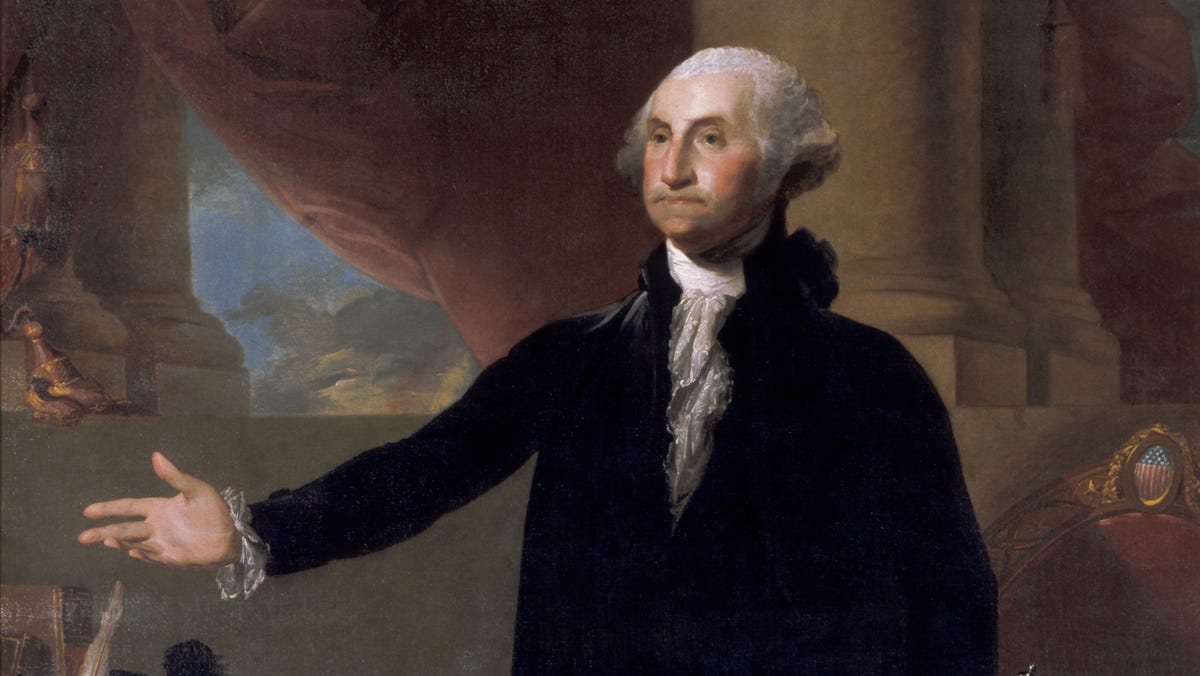
Then came reports from overseas that a large fleet, carrying British soldiers and Hessian mercenaries, was headed for America. As urgent news flowed into Philadelphia that June, Congress sought to transform itself from a motley group of farmers, lawyers, and merchants from thirteen diverse colonies into an effective wartime alliance, while trying to create an army, as Adams put it, “out of nothing.” Five days before Jefferson arrived, on June 15, 1775, Adams had nominated another delegate from Virginia, George Washington, to command that army.