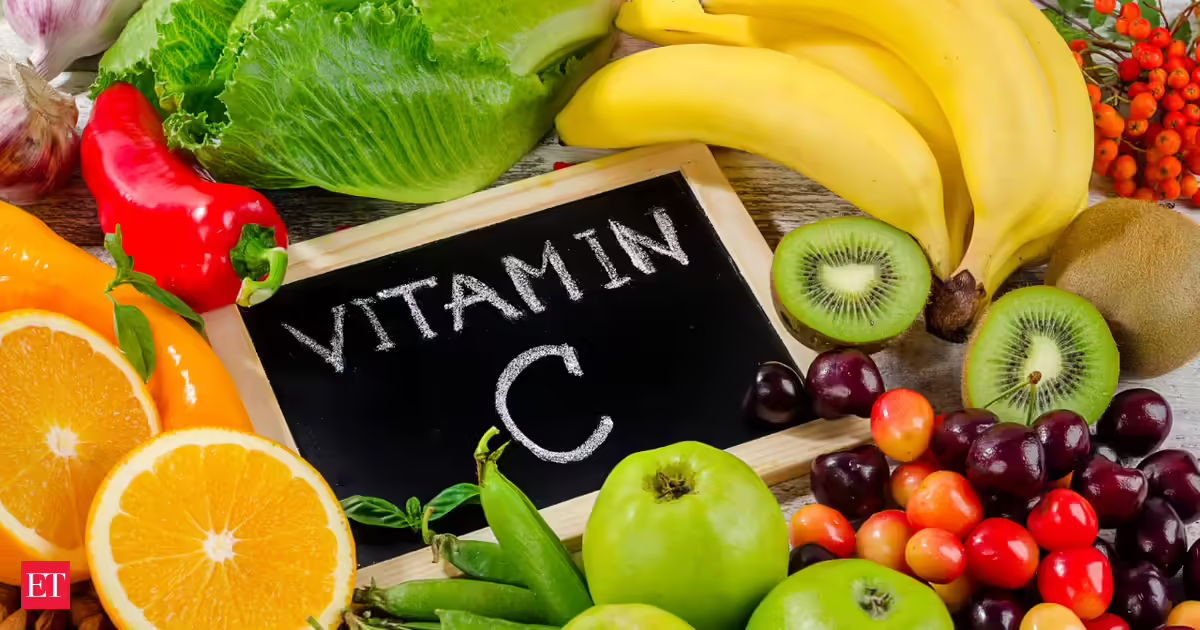
NewsHealthHealthA new study found that taking the supplement with food could be beneficial11:31, 20 May 2026Taking a 4p supplement after eating meals could help lower your risk of cancer. According to research, vitamin C could limit the development of certain cancer-causing compounds found in some foods.The study, which was published in the Journal of Theoretical Biology, used mathematical modelling to explore how vitamin C influences chemical reactions in the digestive tract that are associated with cancer development. These reactions are caused by nitrates and nitrites, which are compounds present in cured meats as well as fruit and vegetables cultivated in contaminated soil and water.While nitrates and nitrites serve vital functions in neurological and cardiovascular health, within the stomach they can undergo a chemical process called "nitrosation" and create chemicals that numerous scientists believe may elevate cancer risk. As reported by EurekAlert, first author of the study Dr Gordon McNicol - from the University of Waterloo in Canada, said: "Since at least the 90s, researchers have been studying the link between cancer and these compounds, with conflicting results."Our work suggests that the presence of dietary vitamin C may help explain these inconsistencies." As part of the study, the research team constructed a mathematical model of the salivary glands, stomach, small intestine and plasma, and simulated how nitrites and nitrates travel through the body and transform over time.Their model showed that when vitamin C is simultaneously present in food, such as leafy greens like spinach, which contain both vitamin C and nitrate, it could reduce cancer risk. The research also indicated that consuming vitamin C supplements following each meal might have a moderately beneficial impact in limiting the development of nitrosation compounds linked to cancer risk from dietary nitrites and nitrates, including those present in products such as bacon and salami.The research team hopes these discoveries will inform future nutritional studies. Study author Dr Anita Layton said: "This work provides a mechanistic roadmap for future clinical and laboratory studies by identifying the key interacting drivers of these potentially harmful chemical reactions, including nitrite exposure, antioxidant intake, meal timing, gastric conditions and oral microbiome activity.“This model can help researchers design more targeted experiments and interventions, focusing on when and in whom nitrosation is most likely to occur."The benefits of vitamin CThe NHS states that vitamin C has several “important functions”. These include:Helping to protect cells and keep them healthyMaintaining healthy skin, blood vessels, bones and cartilageHelping with wound healingOn top of this, a lack of vitamin C can lead to scurvy. Vitamin C is found in a wide variety of fruit and vegetables.Good sources include:Citrus fruit, such as oranges and orange juicePeppersStrawberriesBlackcurrantsBroccoliBrussels sproutsPotatoesArticle continues belowAt the time of reporting, Tesco was selling a packet of 120 vitamin C supplements for £4.75, which works out as 4p a tablet.Choose Daily Mirror as a 'Preferred Source' on Google News for quick access to the news you value.Fitness And HealthGood HealthHealthy LifestyleHealthy eatingHealthy LifeHealth and LeisureHealthHealthy LivingCancerVitaminsTescoNHSUniversity of Waterloo
Taking 4p supplement after meals could help slash cancer risk
A new study found that taking the supplement with food could be beneficial
493 words~2 min read