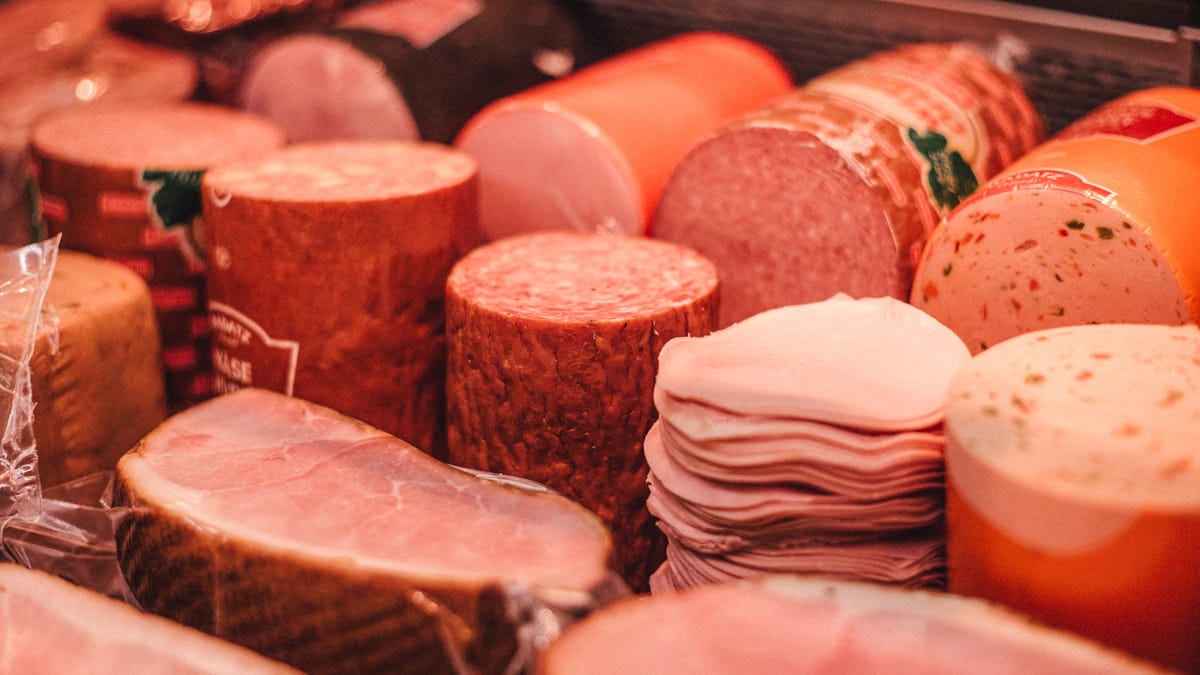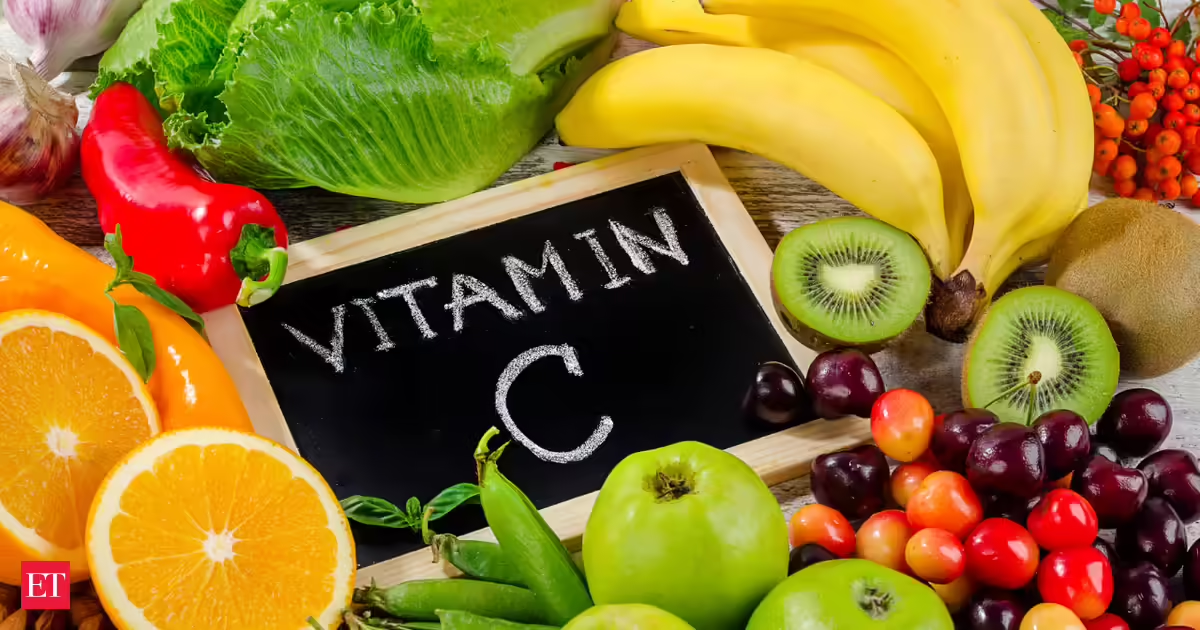
A new study suggests that taking Vitamin C supplements after meals could help reduce cancer risk tied to nitrates and nitrites commonly found in processed meats. Researchers discovered that Vitamin C may interrupt harmful chemical reactions in the stomach before cancer-linked compounds can form. The findings could reshape how scientists understand the long-debated relationship between diet, nitrates, and gastric cancer risk.The research, published in the Journal of Theoretical Biology, comes from scientists at the University of Waterloo. Their work focused on how nitrates behave inside the digestive system and why foods like spinach appear protective while bacon and cured meats remain strongly associated with stomach cancer concerns.Can Vitamin C supplements help prevent cancer? Scientists uncover surprising link with processed foodsFor years, health experts warned about nitrates and nitrites in processed meats including bacon, hot dogs, salami, and deli products. These compounds are commonly used as preservatives and have been linked to higher risks of stomach and gastrointestinal cancers in multiple studies.However, scientists struggled to explain why vegetables rich in nitrates did not appear to increase cancer risk in the same way. Leafy greens such as spinach, kale, and lettuce naturally contain high nitrate levels, yet population studies repeatedly showed they were associated with better health outcomes.Inside the digestive tract, nitrites can react with proteins under acidic stomach conditions. This process, known as nitrosation, creates compounds called N-nitroso compounds. Several of these chemicals have long been considered potentially carcinogenic and are linked to gastric cancer development.Scientists have studied these reactions since the 1990s, but previous research could not fully explain why nitrate-rich vegetables behaved differently from processed meat products. The Waterloo team used a computer simulation to track how nitrates and nitrites move through the salivary glands, stomach, bloodstream, and intestines in real time.The model accounted for stomach acid levels, mouth bacteria, digestion speed, meal timing, and Vitamin C intake. According to the researchers, Vitamin C interrupted the nitrosation process before harmful compounds formed, significantly lowering potential cancer risk.The study highlights a major nutritional difference between vegetables and processed meats. Spinach naturally contains both nitrates and Vitamin C, meaning the protective antioxidant reaches the stomach simultaneously with the nitrate compounds.That combination appears to stop harmful chemical reactions before they begin. Processed meats, on the other hand, often contain nitrates without natural Vitamin C protection. As a result, cancer-linked N-nitroso compounds may form more easily after digestion.Researchers say this explains why two foods containing similar nitrate levels can produce completely different health outcomes. The study also supports previous findings connecting nitrate-contaminated drinking water with increased gastric cancer concerns because water lacks antioxidant protection.Vitamin C supplements showed measurable protective effectsThe research team also tested whether Vitamin C supplements taken after nitrate-heavy meals could reduce harmful compound formation. Simulations showed a moderate but measurable decline in N-nitroso compounds when Vitamin C supplements were consumed alongside processed meat meals.The findings suggest that simple dietary adjustments may help lower risk for people who regularly consume processed meats. Adding citrus fruits, tomatoes, peppers, or Vitamin C supplements alongside meals may provide some protective benefit.Lead researcher Dr. Gordon McNicol explained that the study relied on advanced mathematical modeling rather than direct human clinical trials. Still, scientists believe the findings provide one of the clearest biochemical explanations yet for the nitrate-cancer debate.Dr. Anita Layton, professor of applied mathematics and Canada 150 Research Chair at the University of Waterloo, said the research gives scientists clearer targets for future human studies. Researchers now want to investigate when nitrosation reactions are most likely to occur and which dietary combinations create the highest cancer risks.Interest in Vitamin C and cancer prevention has grown rapidly in recent years as researchers study how antioxidants interact with digestion and inflammation. This latest study strengthens evidence that food combinations matter just as much as individual ingredients.The findings reinforce long-standing dietary advice encouraging higher consumption of fruits and vegetables rich in antioxidants. Foods naturally packed with Vitamin C may provide protection against harmful digestive reactions triggered by nitrates and processed foods.For consumers, the message may be surprisingly practical. Pairing processed meals with oranges, tomatoes, spinach, or Vitamin C supplements could help reduce formation of cancer-linked compounds inside the stomach. While further human trials are still needed, scientists believe the chemistry behind the results is now far clearer than before.FAQs:Q1. Can Vitamin C supplements really reduce cancer risk from processed meats? Researchers found that Vitamin C supplements may help lower the formation of cancer-linked N-nitroso compounds created during digestion of processed meats like bacon, salami, and hot dogs. The new study suggests Vitamin C interrupts harmful stomach reactions caused by nitrates and nitrites, potentially reducing gastric cancer risk when taken alongside nitrate-heavy meals.Q2. Why are nitrate-rich vegetables safer than bacon and processed meat? Scientists say spinach, kale, and other nitrate-rich vegetables naturally contain Vitamin C and antioxidants that block dangerous chemical reactions in the stomach. Processed meats contain similar nitrates but lack protective nutrients, allowing cancer-related compounds to form more easily during digestion and increasing long-term stomach cancer concerns.
Are immunity boosters secretly helping the body fight cancer too? New Vitamin C research reveals a surprising reduction in cancer-linked risks
Vitamin C supplements may reduce cancer risk linked to processed meat nitrates, according to new cancer research from the University of Waterloo. Scientists found Vitamin C can block harmful stomach reactions that create cancer-linked compounds after eating bacon, hot dogs, and deli meat. The study explains why spinach and leafy greens remain safer despite high nitrate levels. Researchers say pairing processed meats with Vitamin C-rich foods or supplements may help lower stomach cancer risk and improve digestive health outcomes.
830 words~4 min read