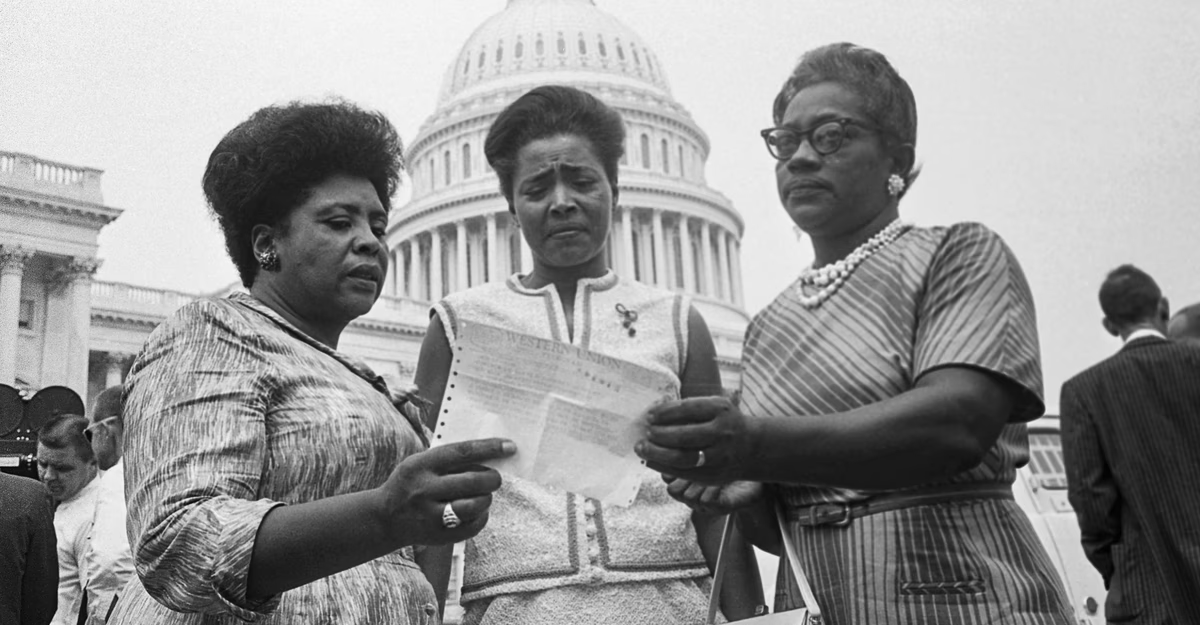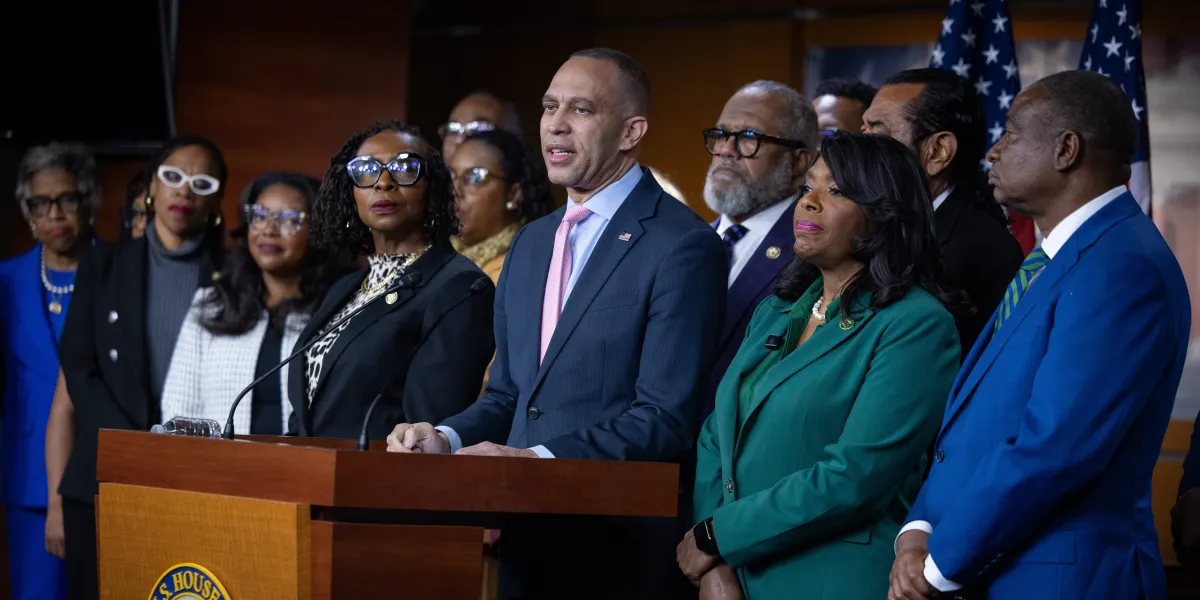
House Minority Leader Hakeem Jeffries speaks with other members of the Congressional Black Caucus on the Supreme Court decision in Louisiana v. Callais, at the U.S. Capitol in Washington on April 29, 2026. Photo: Nathan Posner/Anadolu via Getty Images
Alain Stephens is an investigative reporter covering gun violence, arms trafficking, and federal law enforcement.
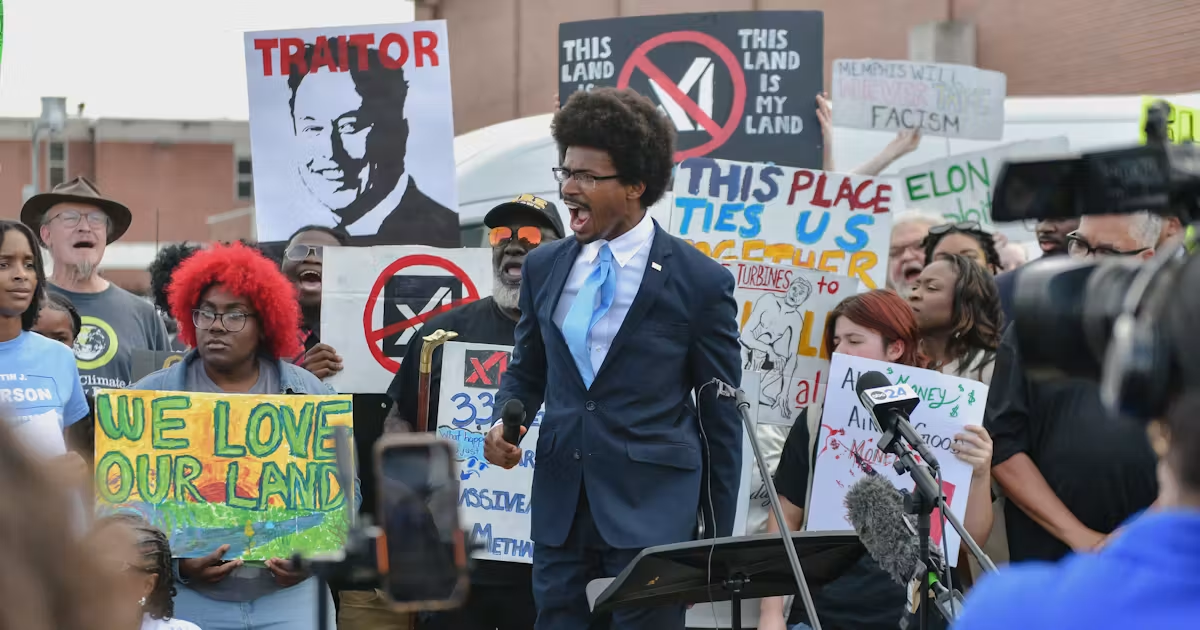
Within days of the Supreme Court’s ruling in Louisiana v. Callais, Republican lawmakers across the South moved with remarkable speed to carve up Black constituencies and consolidate political power. Tennessee rushed to dismantle Memphis’s majority-Black district. Louisiana went further, postponing an ongoing election and moving to eliminate a majority-Black district that snakes for more than 200 miles, from Baton Rouge to Shreveport. South Carolina and Georgia began maneuvering toward special sessions to redraw districts to be even more favorable to Republicans.
Democrats have warned that up to one-third of the Congressional Black Caucus could disappear, and Republicans aim to pick up as many as 15 House seats.
The immediate reaction shattered the comforting fiction that America has somehow transcended race in its democratic life. The court may describe these protections as outdated relics of another era, but the swift political response revealed something older and more durable beneath the surface: preserving racial hierarchy remains one of the most potent organizing instincts in American politics.