By
Ed Kilgore,
political columnist for Intelligencer since 2015
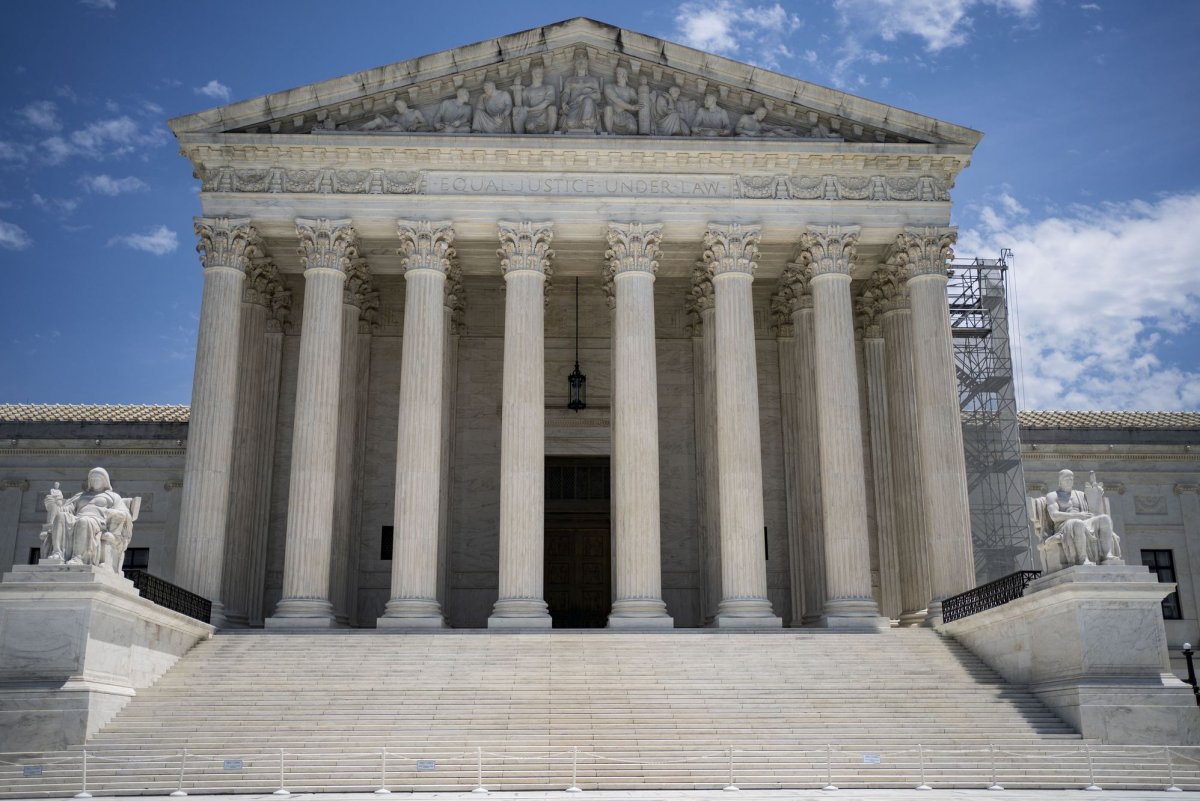
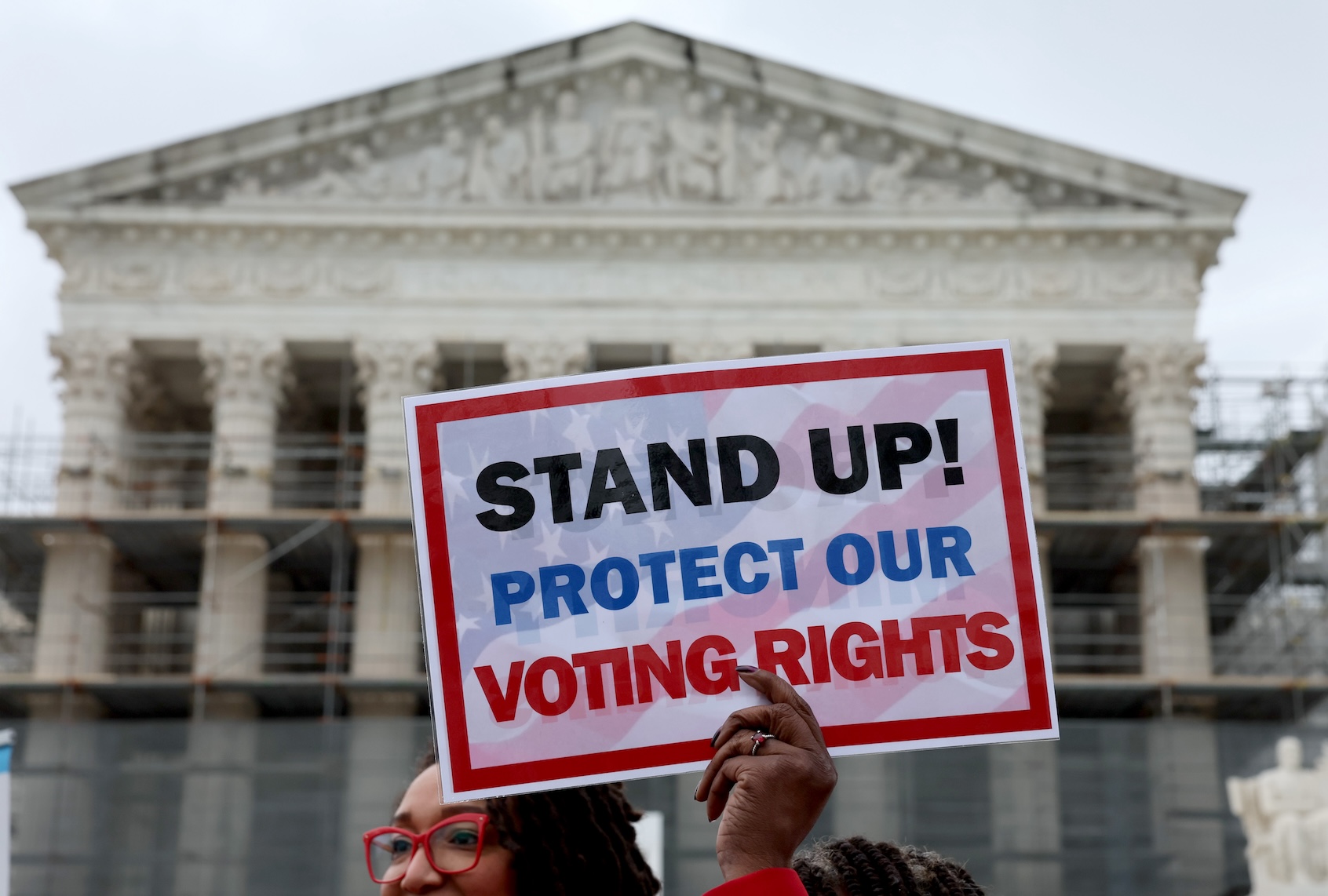
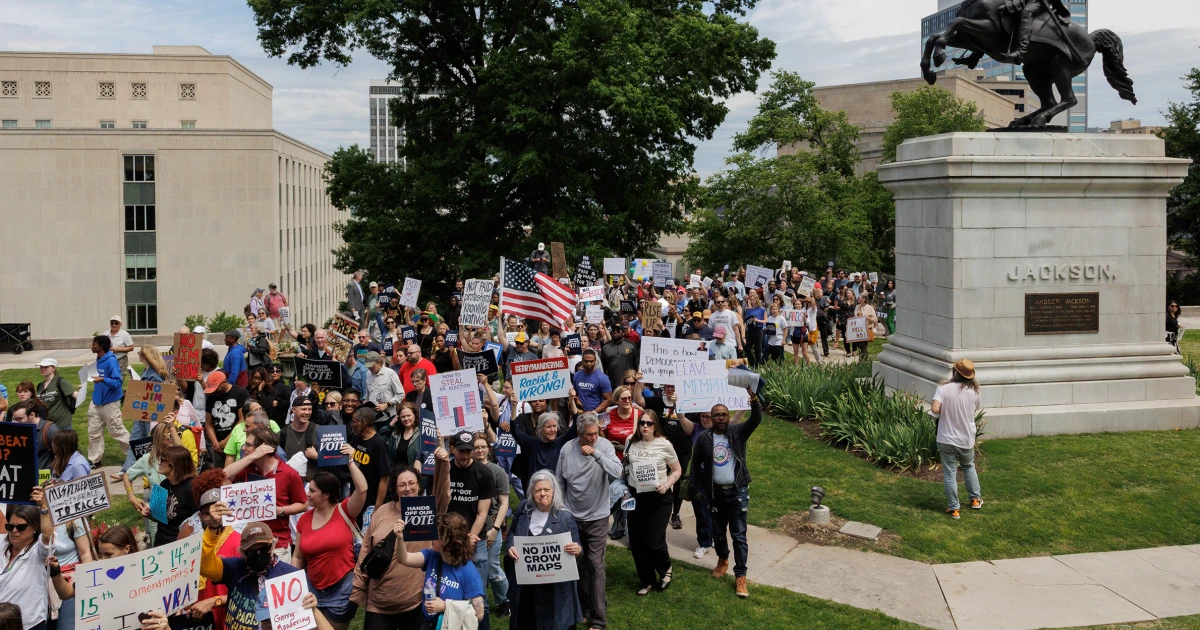
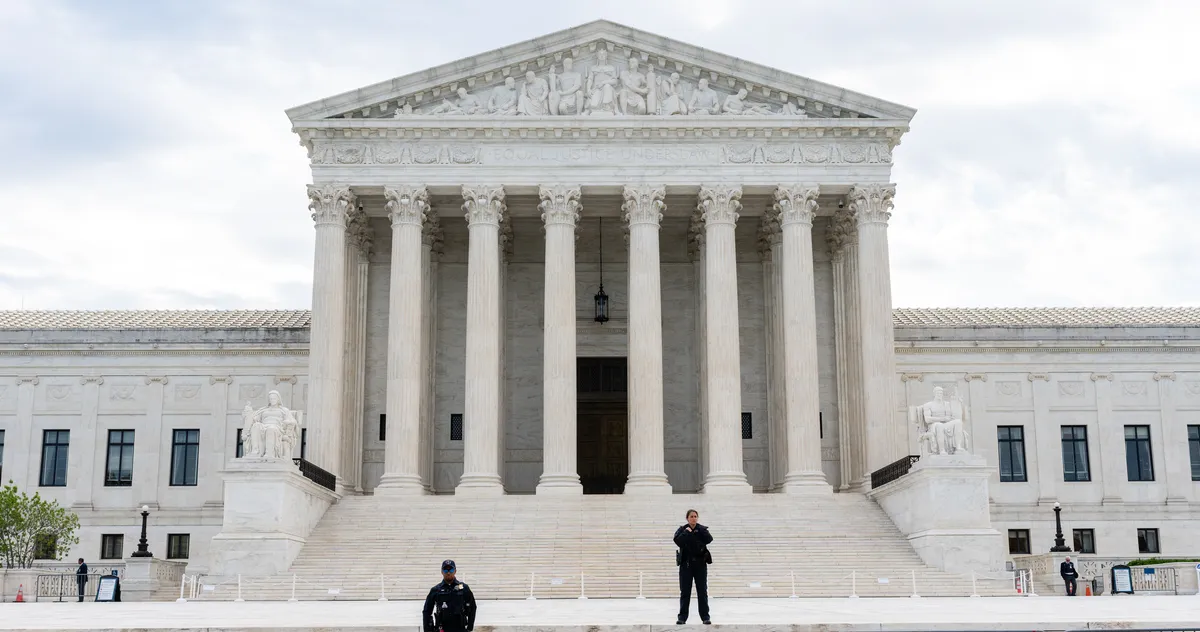
It is hard to overstate the seismic effect on the U.S. political system of the U.S. Supreme Court’s decision in Louisiana v. Callais. It gutted Voting Rights Act protections for minority representation in legislative bodies that had slowly but surely enabled Black voters to climb out from beneath the legacy of the Jim Crow South. At the same time, Callais (in combination with earlier Roberts Court decisions banning judicial interference with partisan gerrymanders) actively, even aggressively, encouraged instant and recurring legislative gerrymanders wherever a political party — more often than not, the GOP — had the power to carry one out.
In the short term, Callais revived flagging Republican hopes that gerrymanders could so drastically tilt the playing field that the GOP could maintain control of the U.S. House in November even if it loses the national House popular vote by a significant margin (as it probably will). But the longer-term effects will be even more significant. Unless current GOP state government trifectas are disrupted, it’s clear Republicans will go on a remapping binge prior to the 2028 and 2030 elections, then again after the 2030 census reapportions congressional seats (likely to the benefit of the sunbelt states they dominate). In particular, majority- and plurality-Black (and in some places Latino) districts will be decimated without mercy. And it’s equally clear Democrats will retaliate wherever and whenever they can, just as they did so very rapidly in California and Virginia this time around.