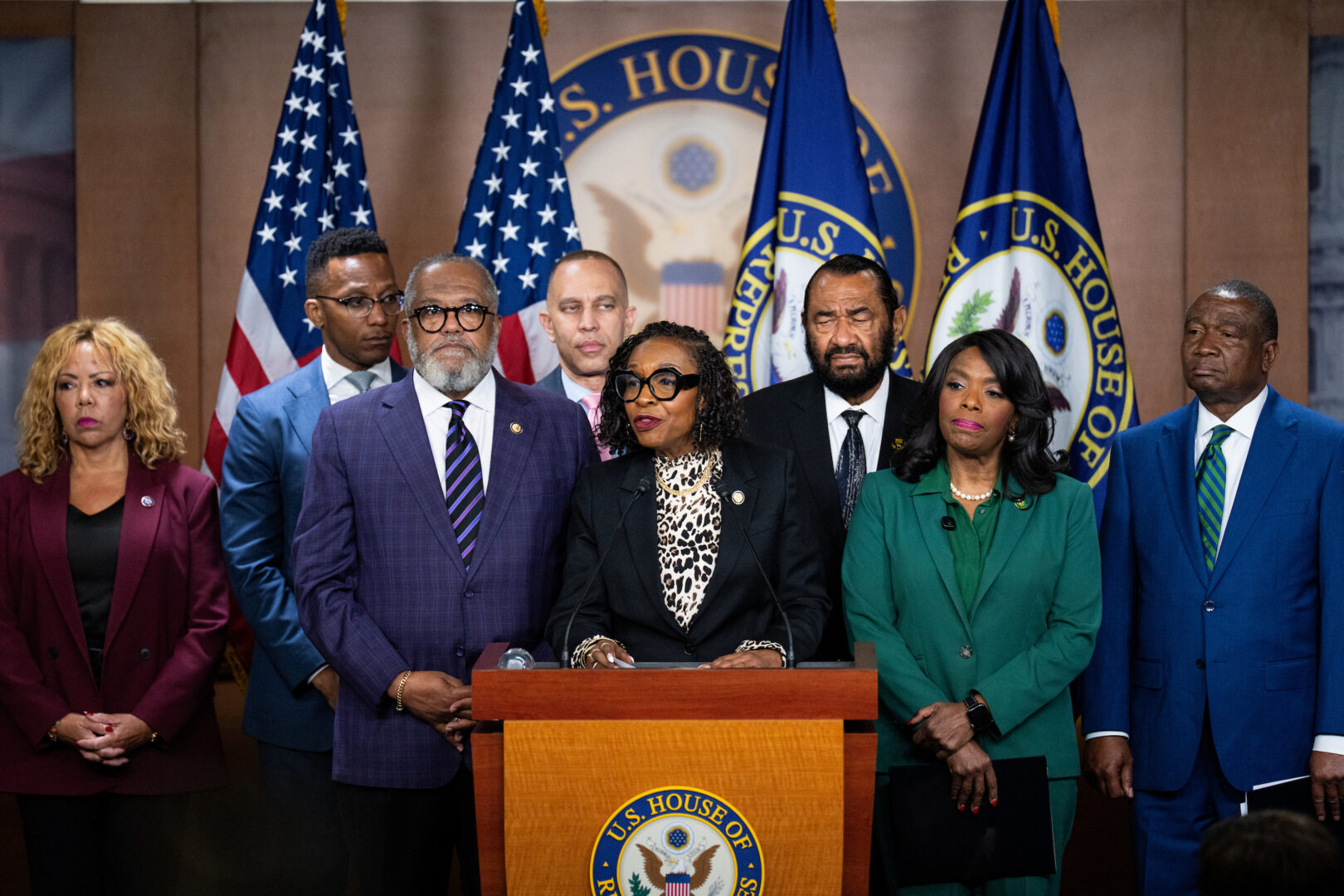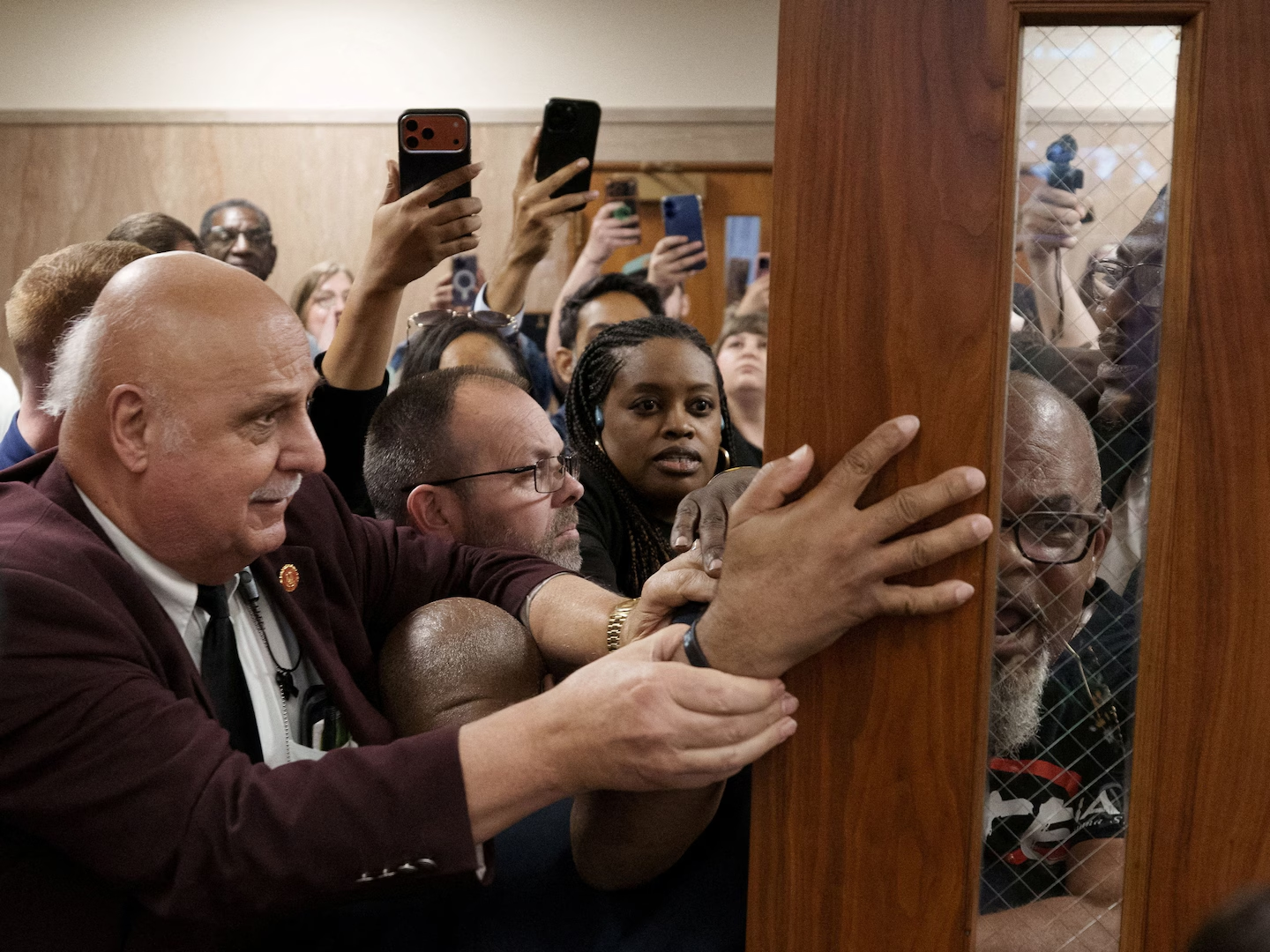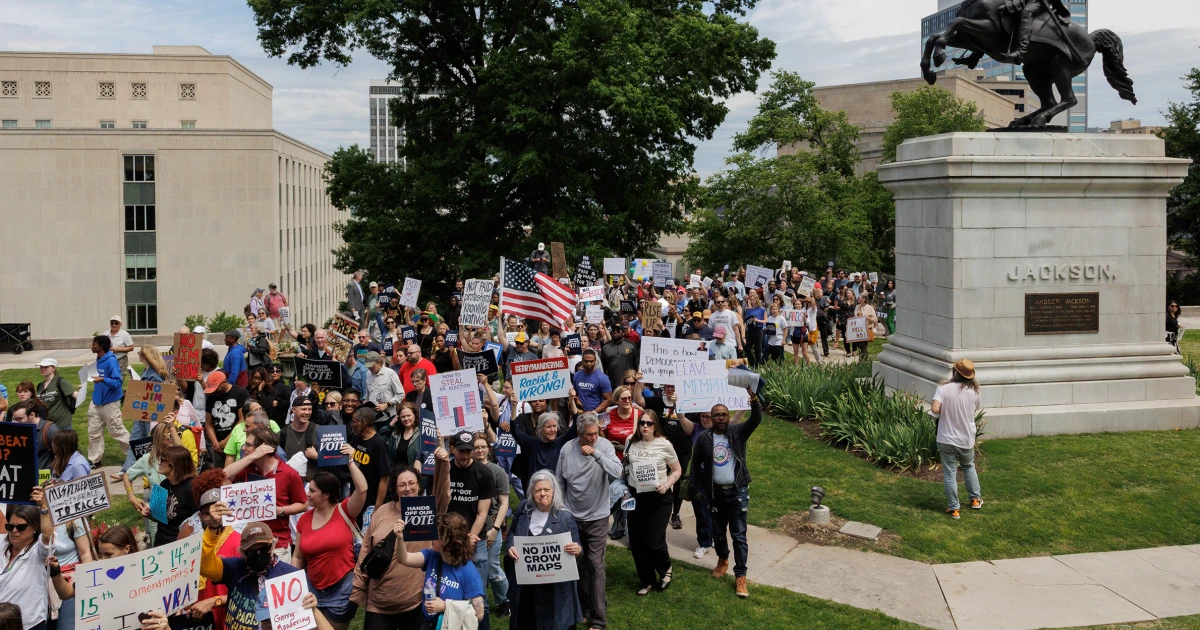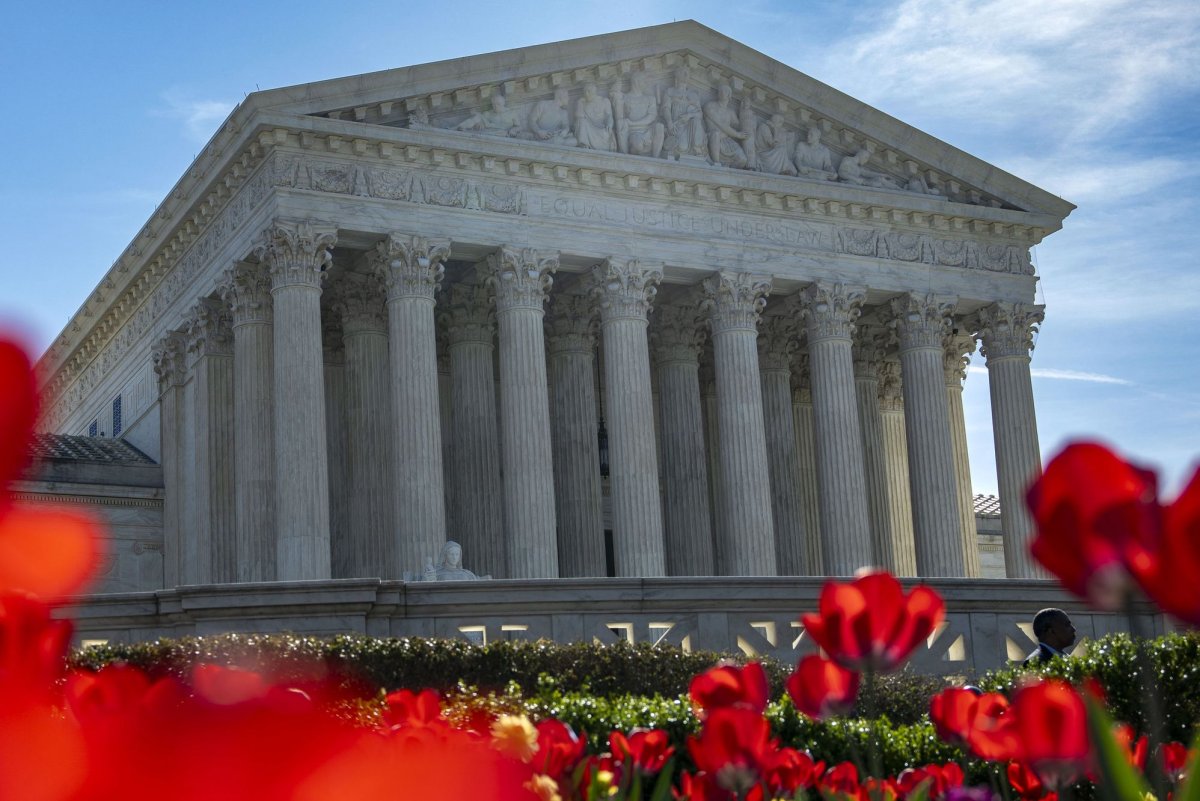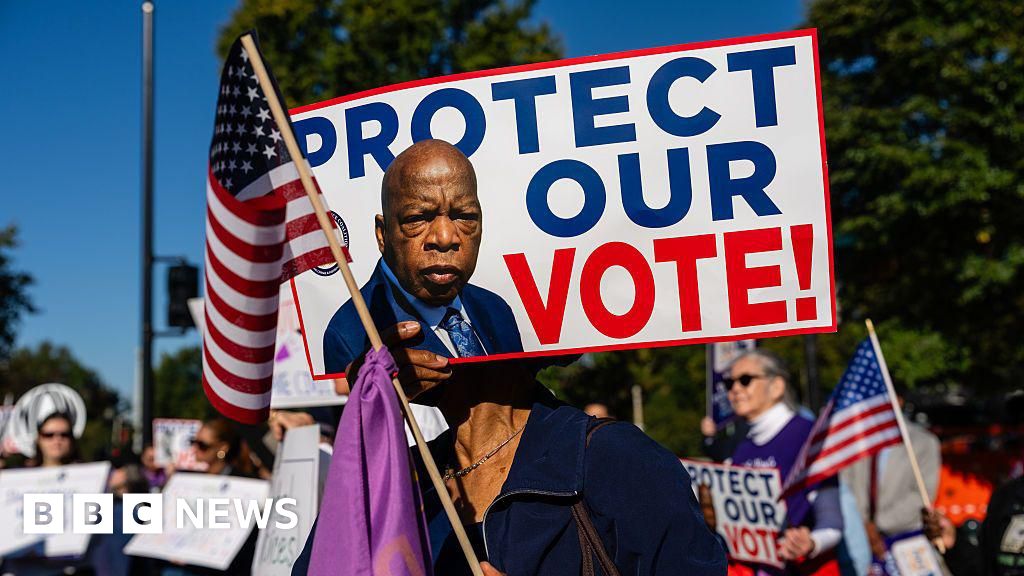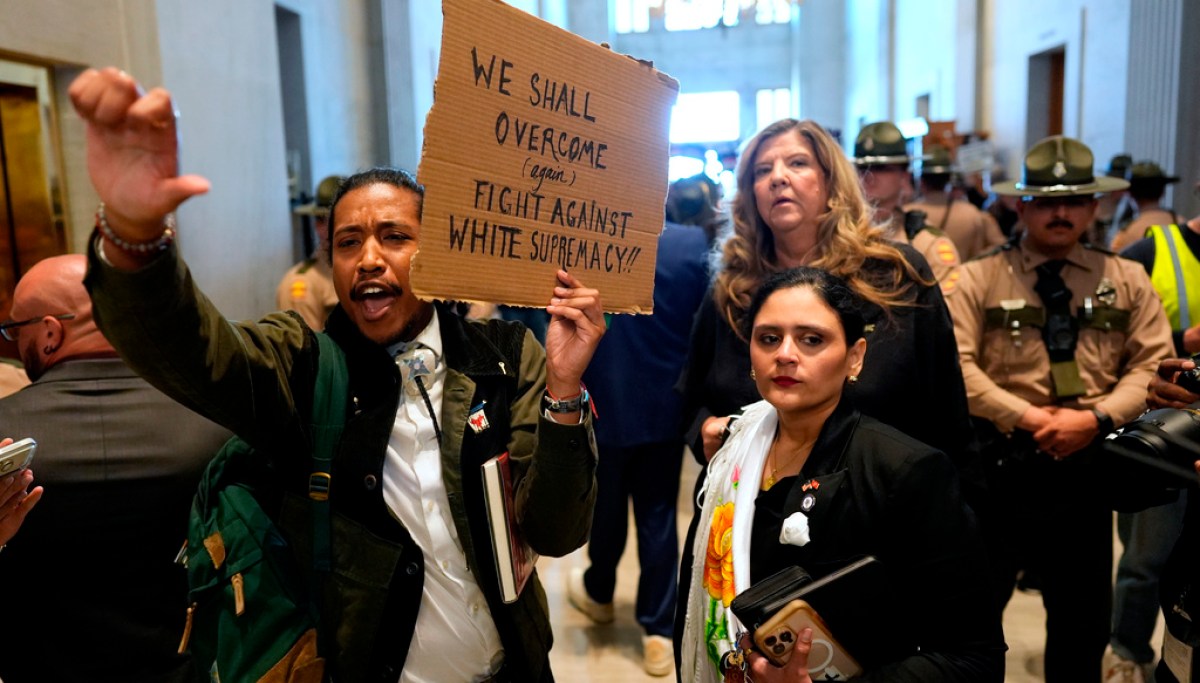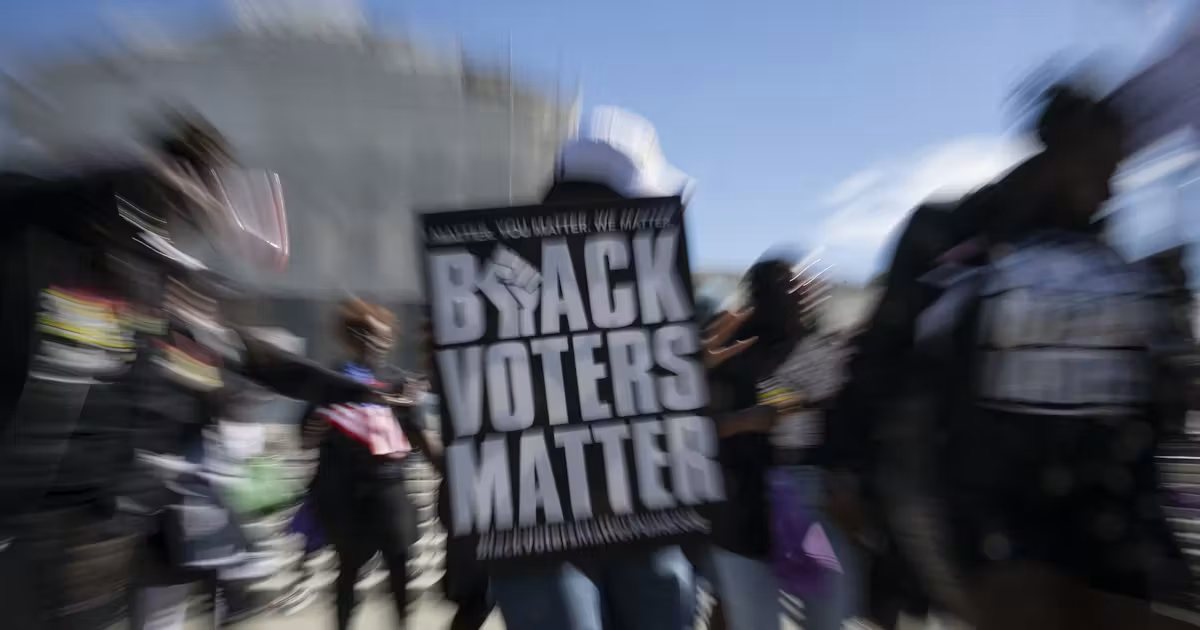
The outrage was swift and severe when the U.S. Supreme Court, by an ideologically divided 6-3 vote, recently struck down Louisiana's majority Black congressional district as an unconstitutional racial gerrymander. Critics lambasted the court for gutting the Voting Rights Act, the federal law that had until recently garnered strong bipartisan support and had ensured Black political representation in the South for more than half a century.
Many analysts see Jim Crow-era disenfranchisement of Black voters on the horizon.
Whether Louisiana v. Callais will wreak this kind of havoc remains to be seen, although some Southern states have already begun to redraw their legislative districts, aiming to ensure Republican control. Several Black legislators -- all Democrats -- are expected to lose their seats in the upcoming midterm elections. Democrats are threatening to retaliate with their own redistricting plans.
Because of a 2019 decision by the court, such political gerrymanders, where a legislative district is crafted to ensure partisan control, cannot be challenged under federal law. Both parties had taken full advantage of that ruling.
Related