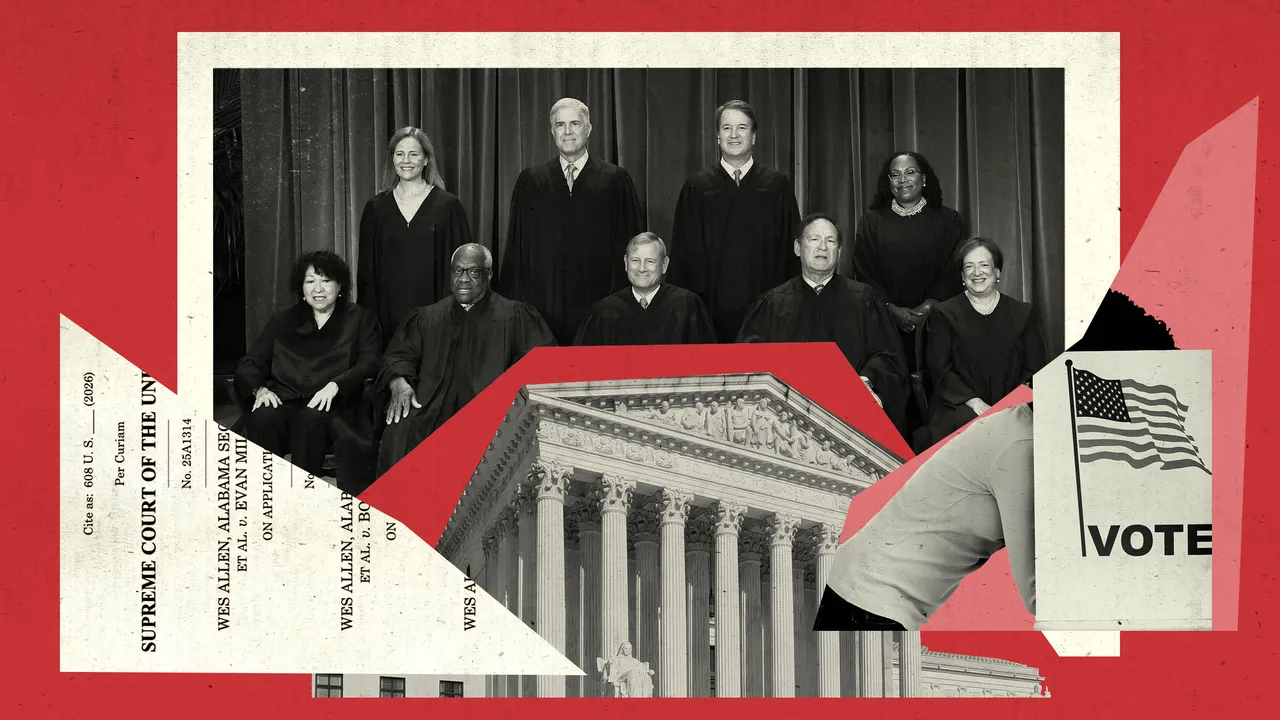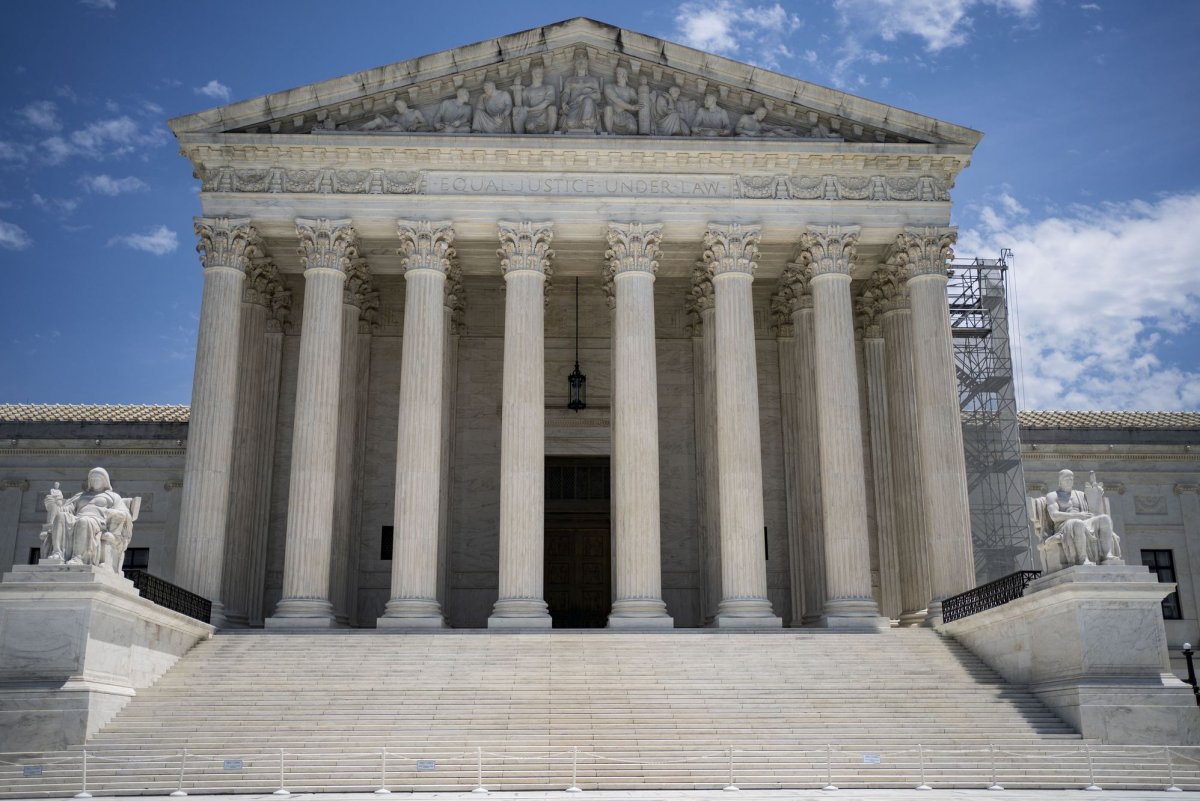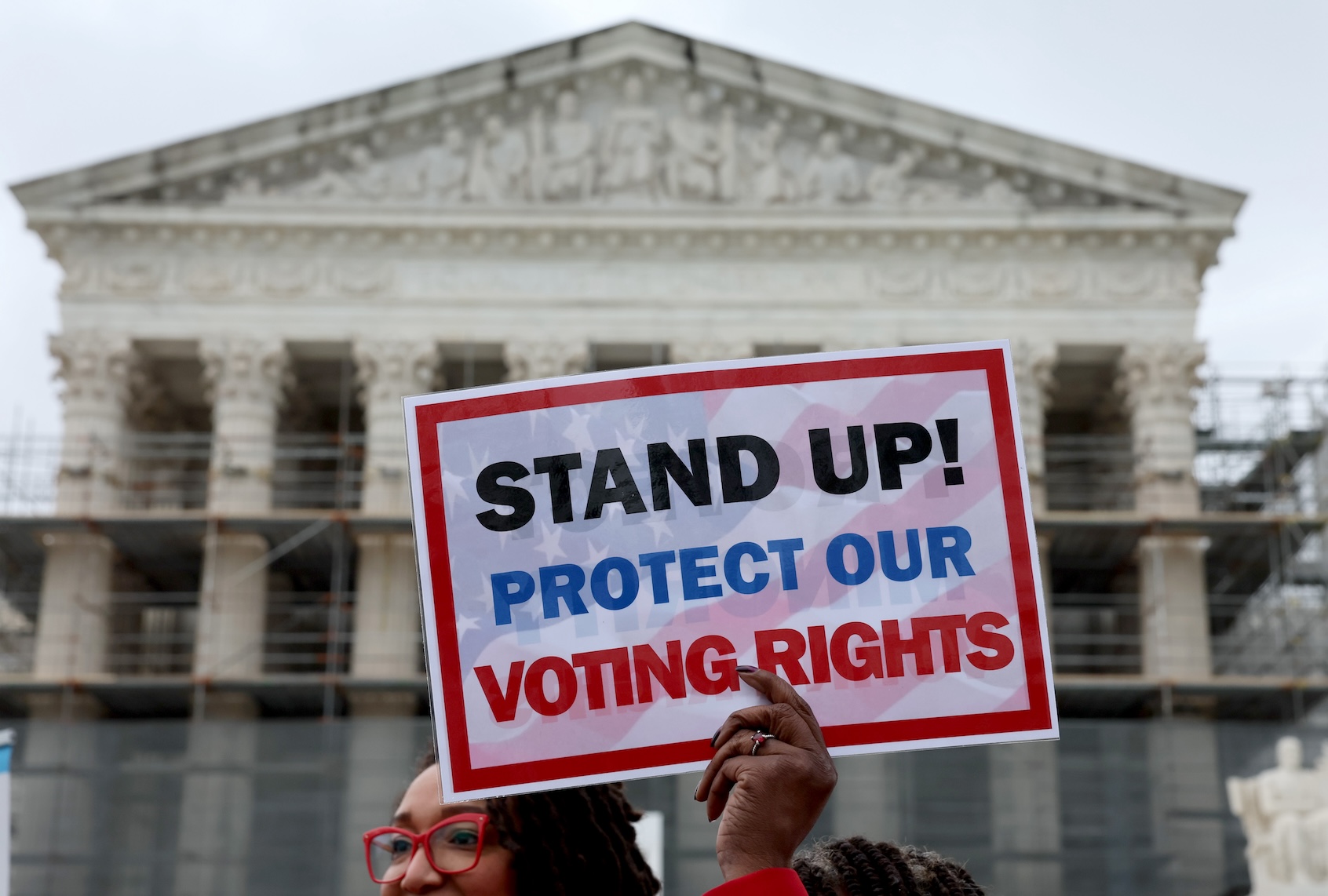
It has been a long and winding road to the Supreme Court’s Louisiana v. Callais decision that turned redistricting politics on its head two weeks ago.
The bottom line: The court ruled race-based redistricting is unconstitutional but partisan redistricting is not.
For those of us who are not lawyers, the decision may seem contradictory, but it is anchored in constitutional and court precedents.
Justice Samuel A. Alito Jr., who wrote the majority opinion, argued that “the Constitution almost never permits the Federal Government or a State to discriminate on the basis of race.” An equal protection argument.
This Supreme Court decision may seem difficult to decipher, but what the court seems to say is that it is legal for a redistricting effort to have political or legislative objectives. Partisans on either side may disagree with those objectives, but they can be legitimate considerations in drawing maps.