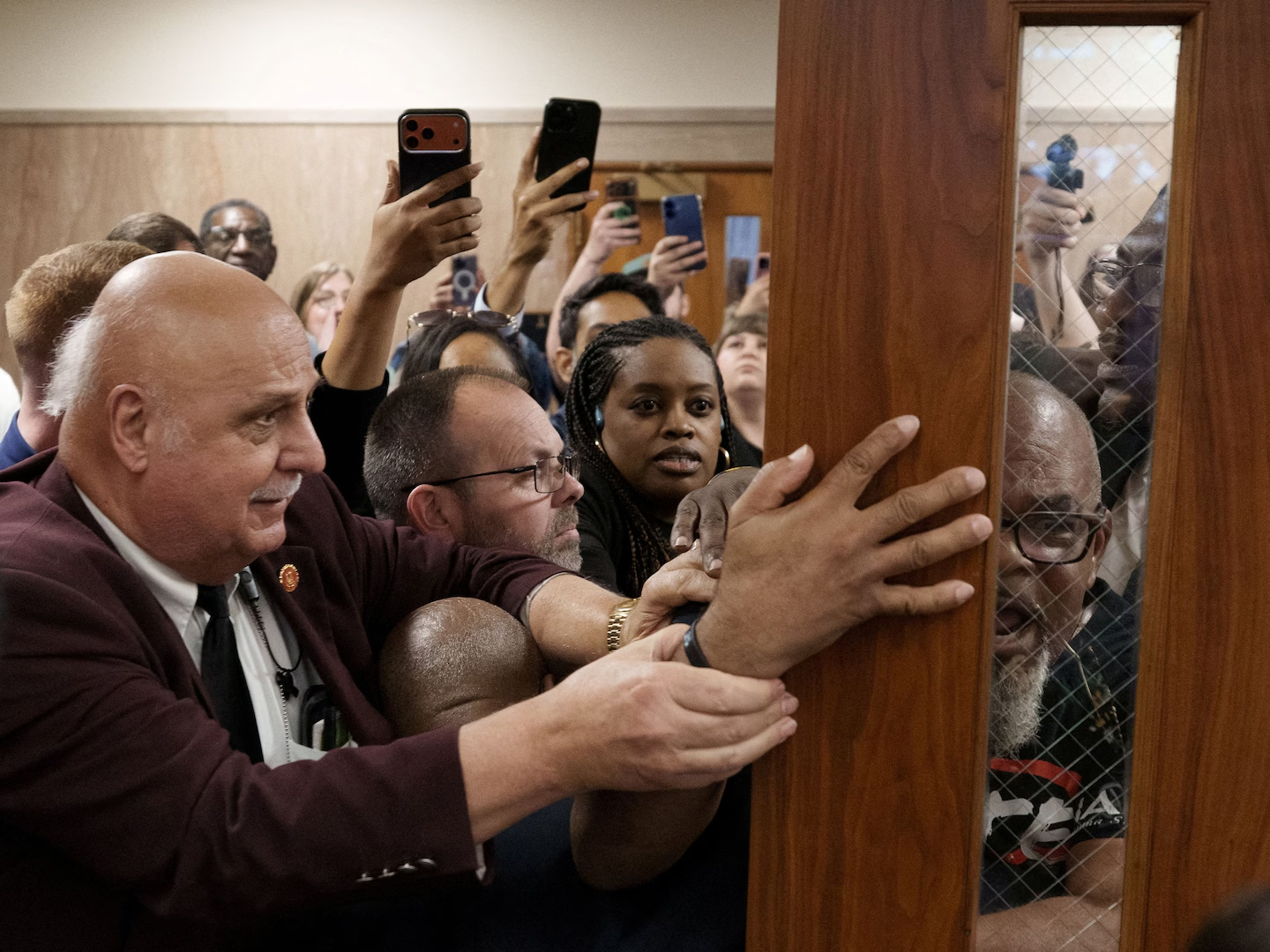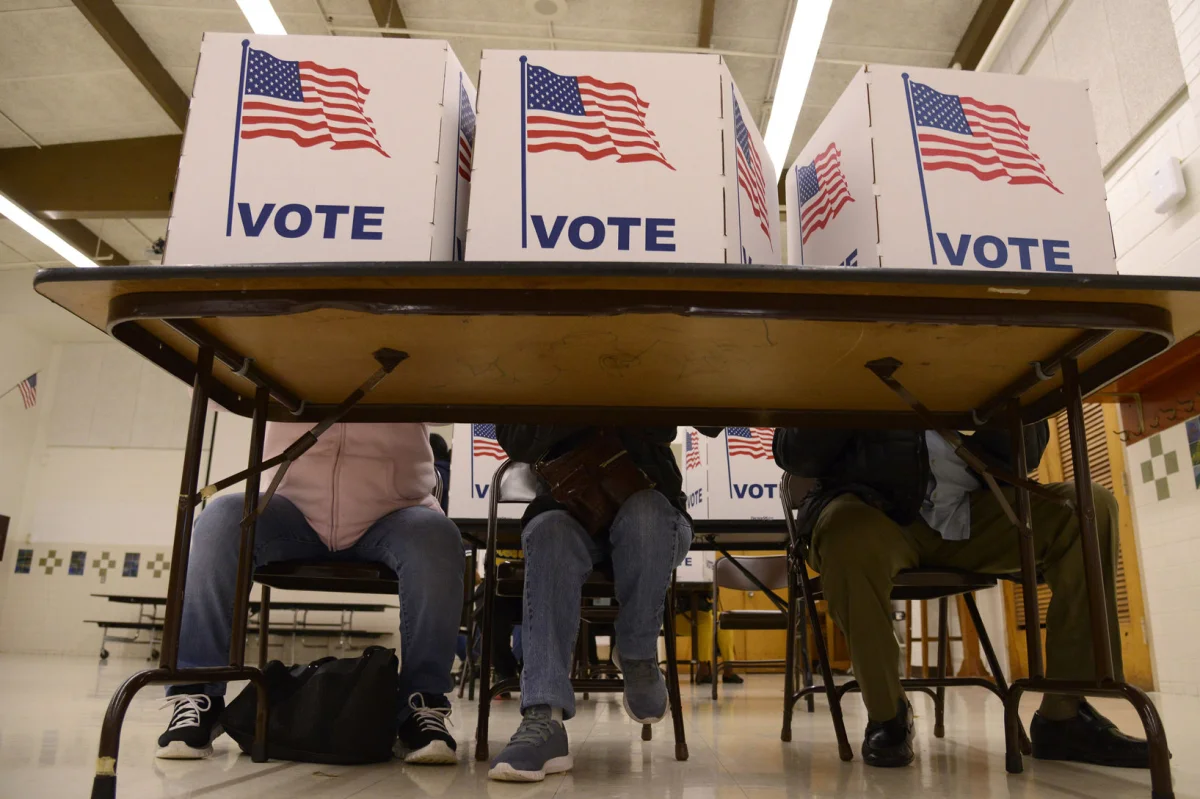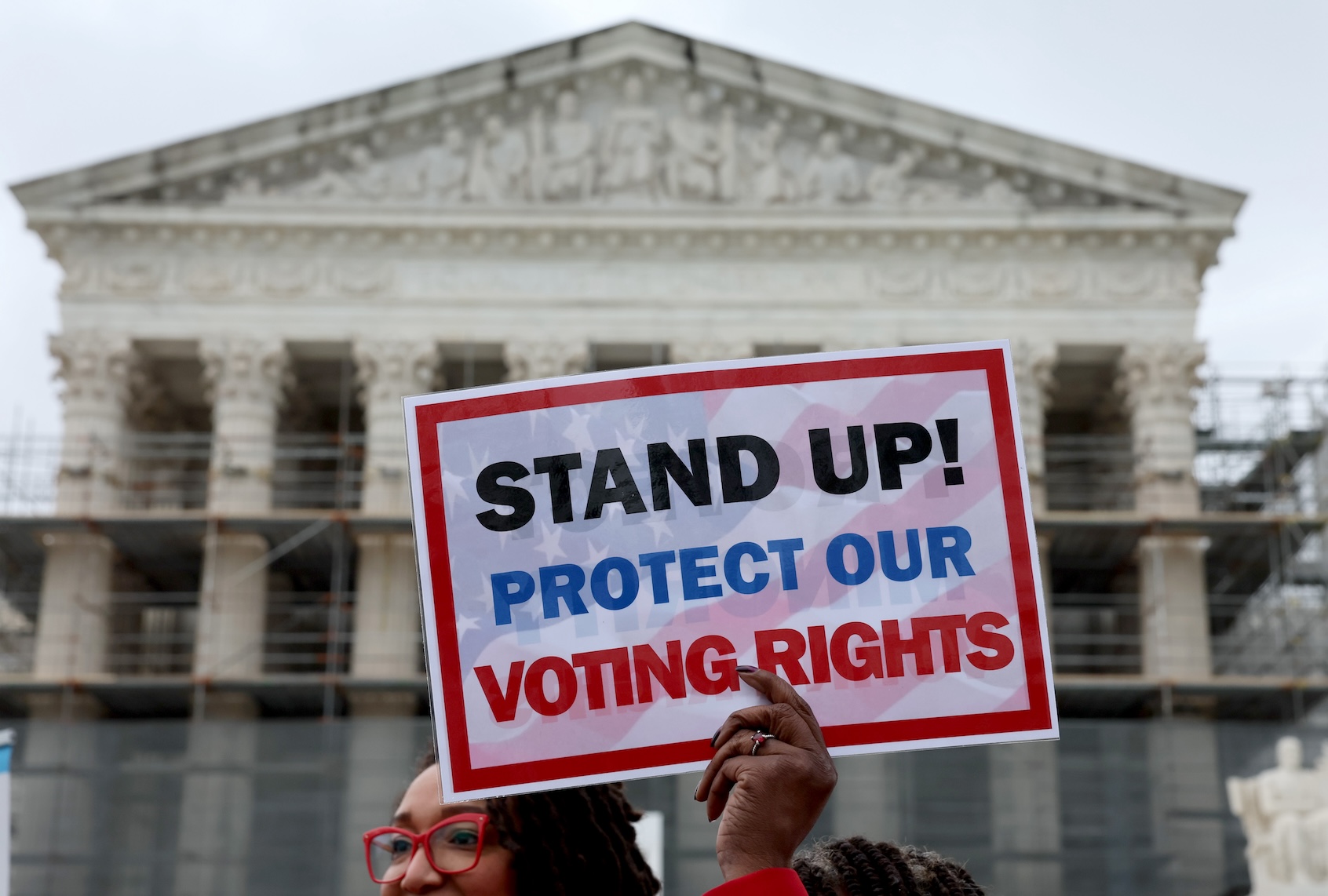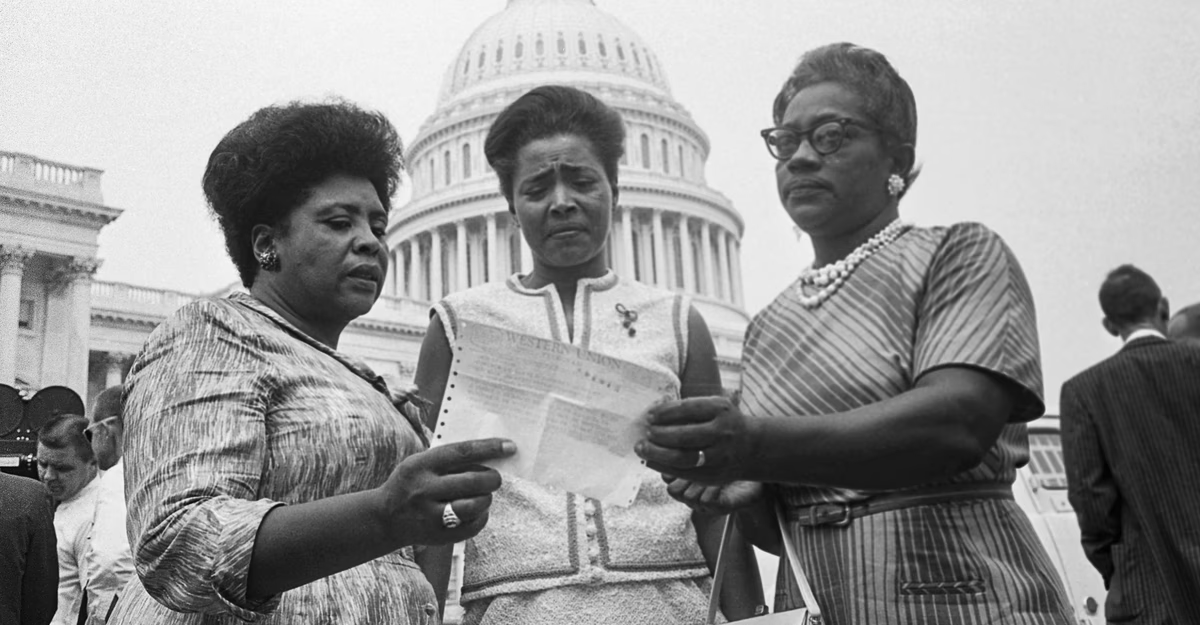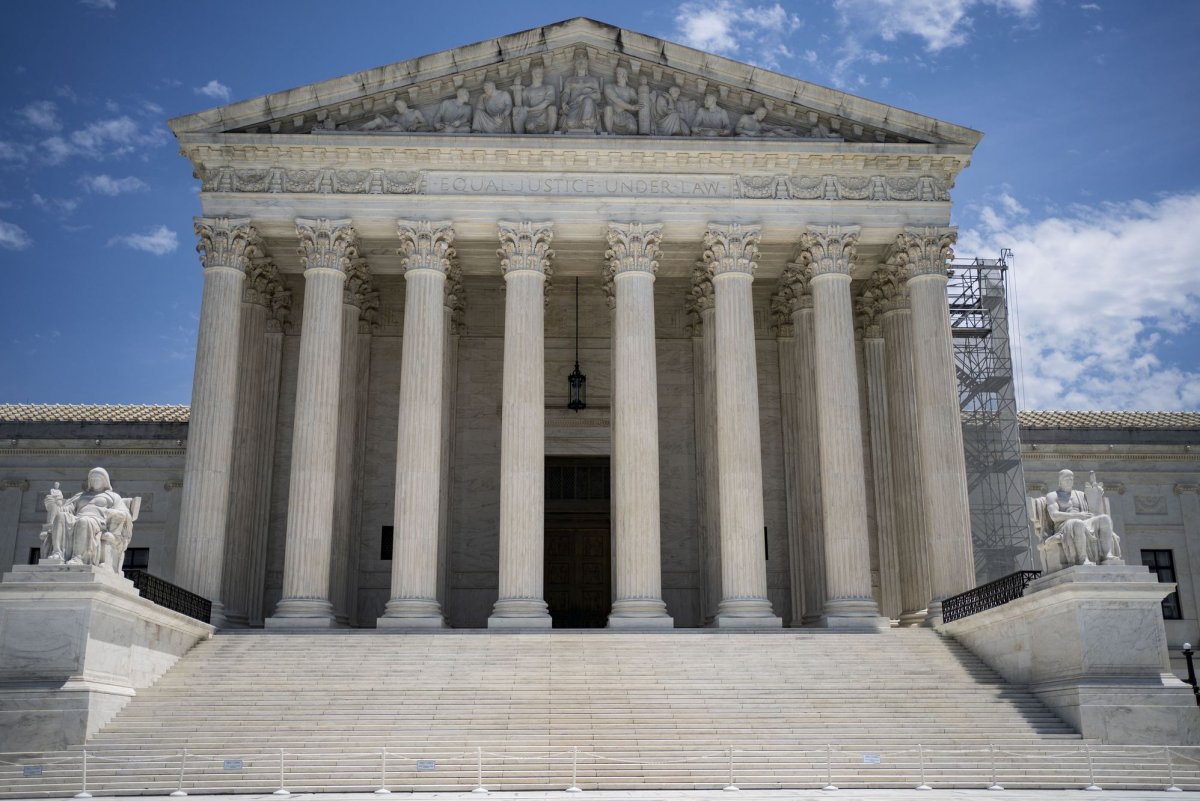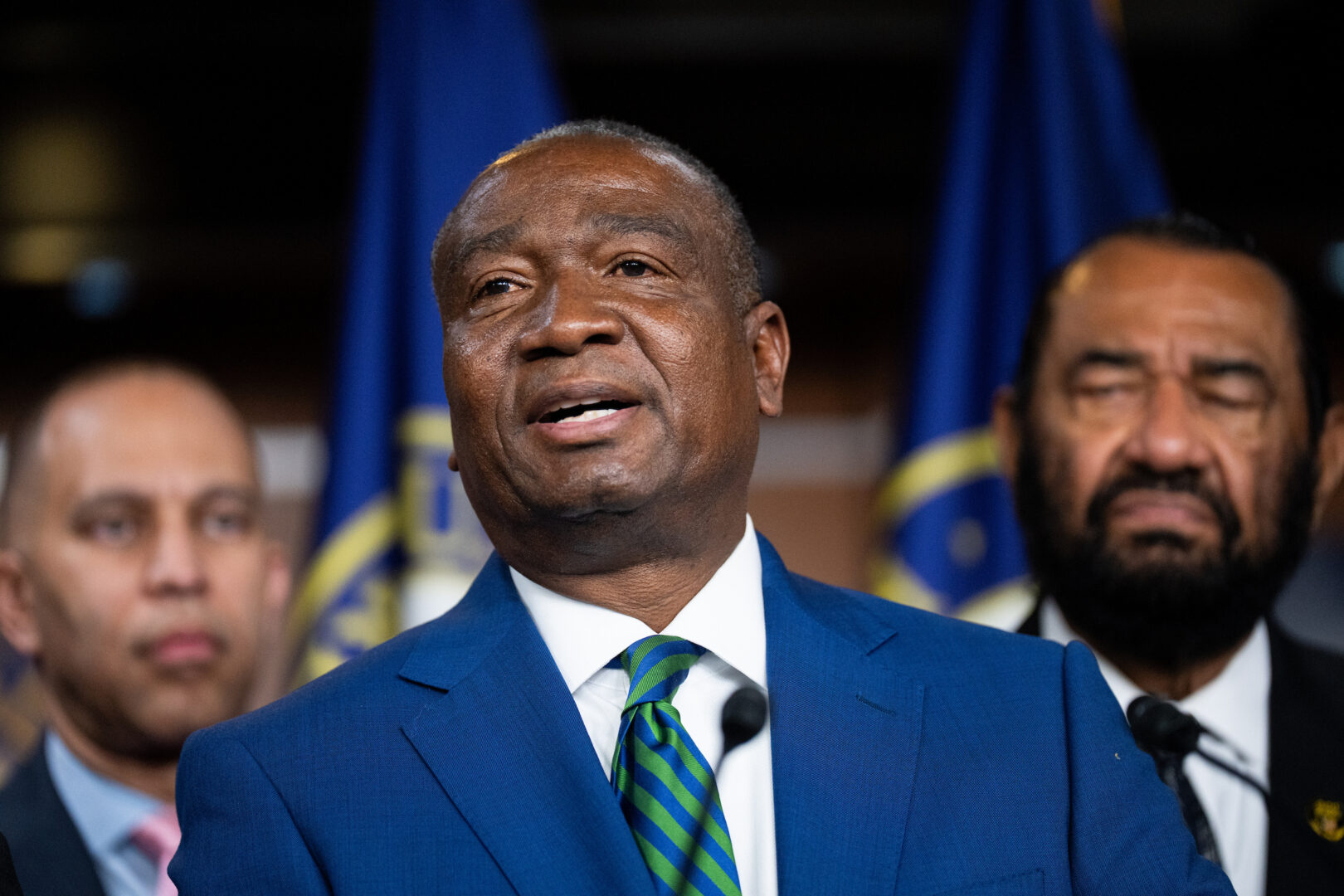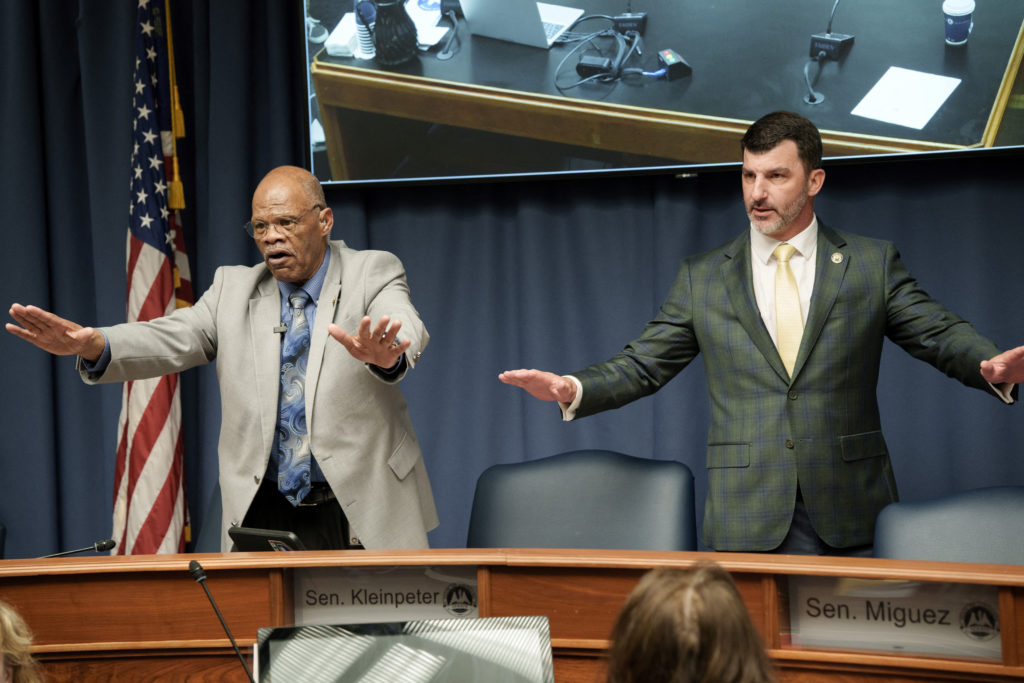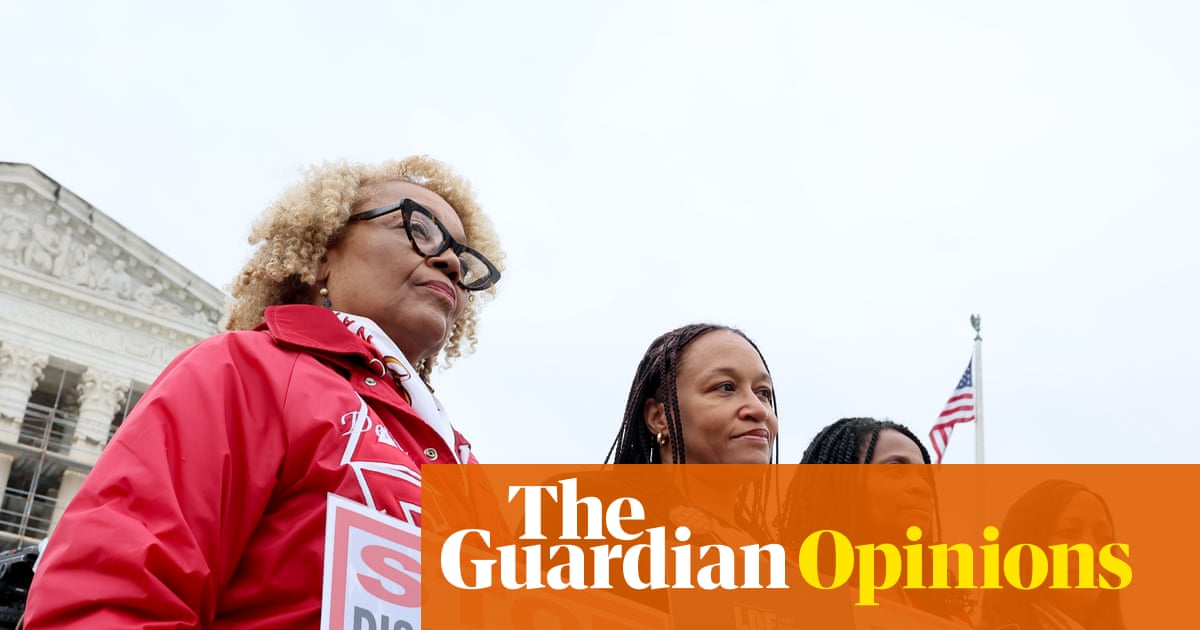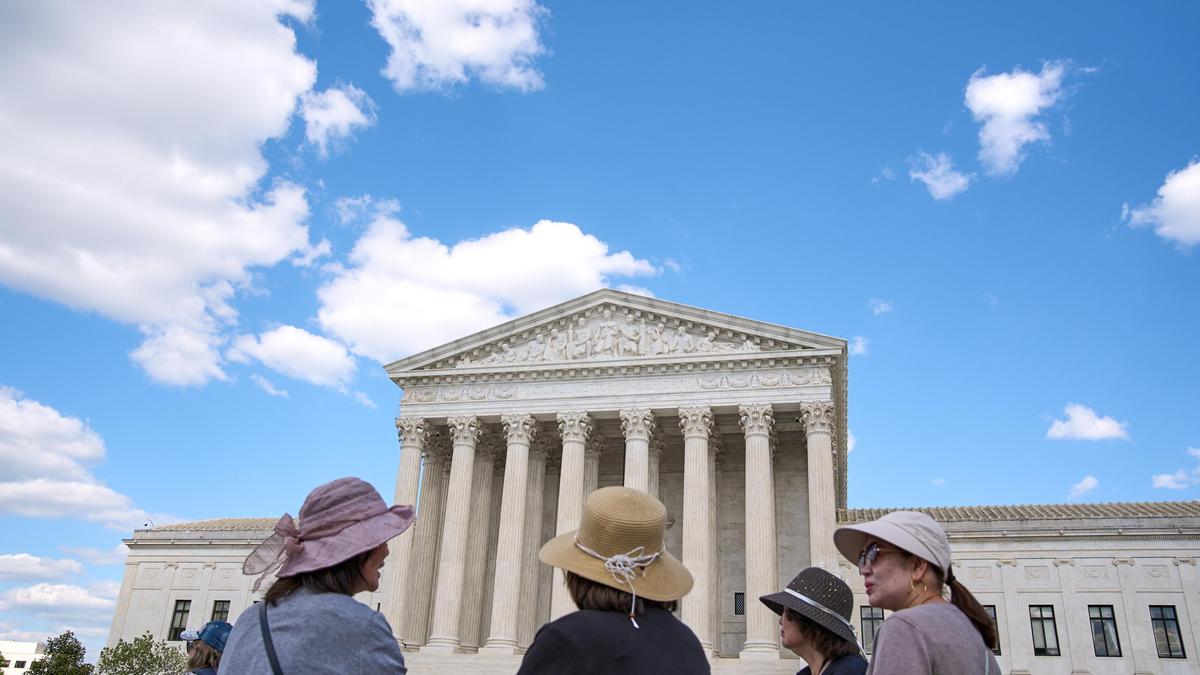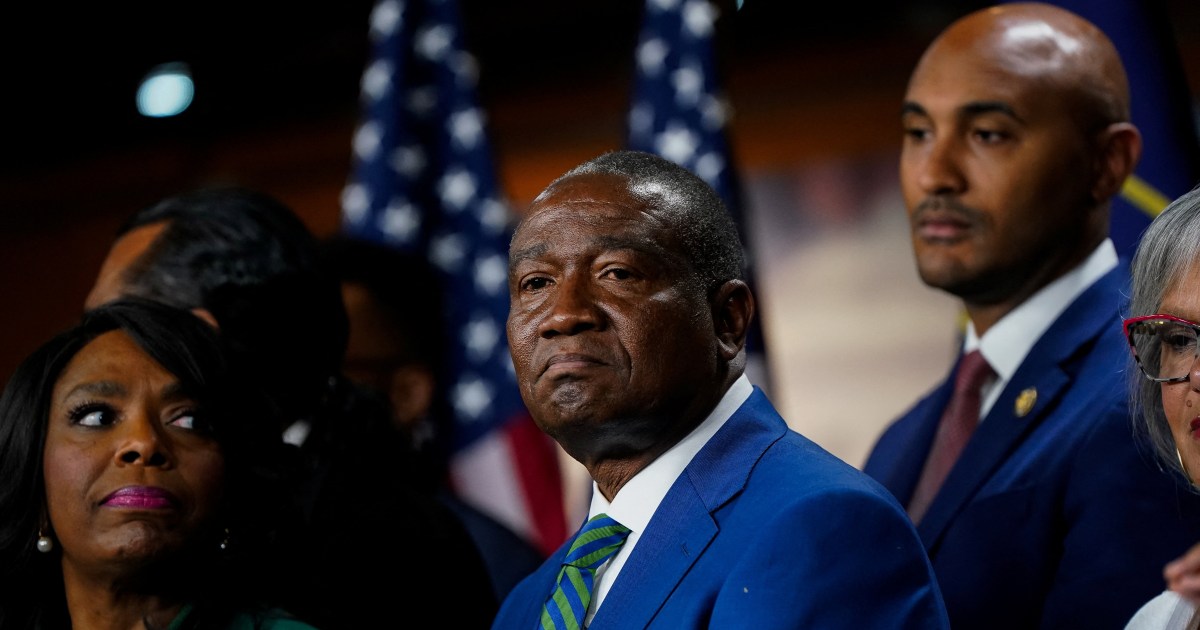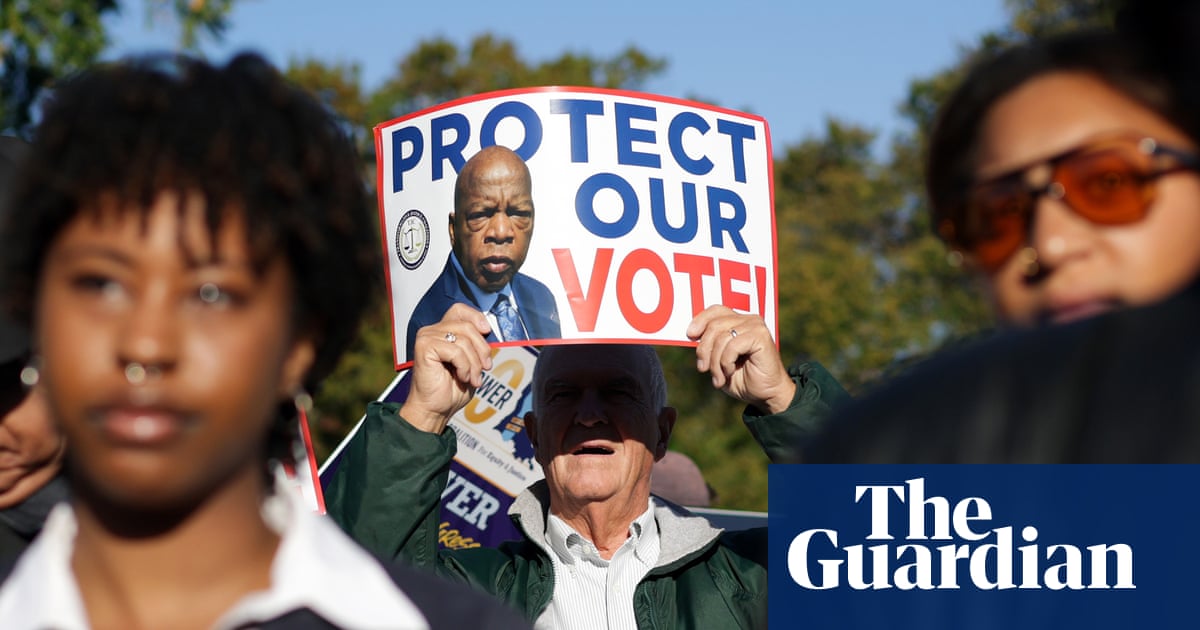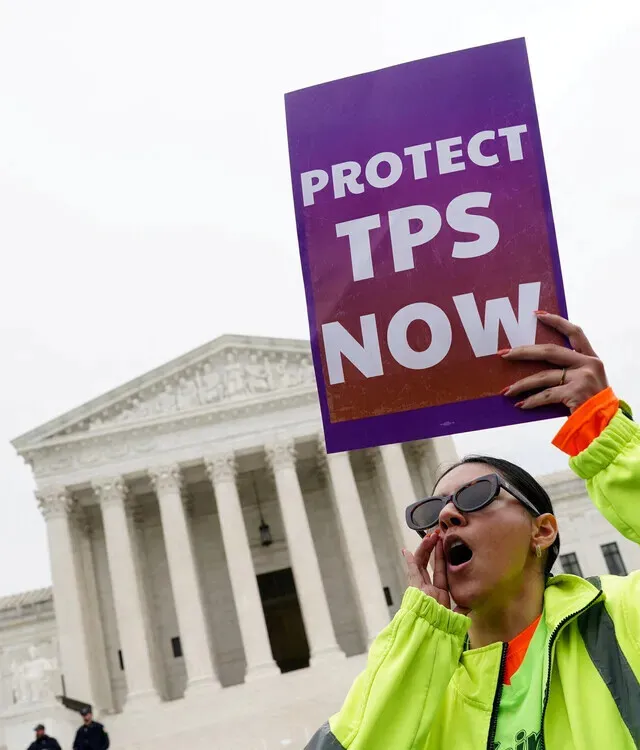
“We will not return to the Jim Crow era.” The US Supreme Court ruled on April 29 that Louisiana’s 2024 election map, which included a majority-Black district, was unconstitutional. Approximately one-third of Louisiana’s population is Black, but Black voters could only elect their preferred candidate in only one out of the six House districts. Black voters filed a lawsuit, claiming this was illegal, and Louisiana created a second majority-Black district following a federal court’s ruling. However, the Supreme Court has struck down this congressional map, claiming that it is an “unconstitutional racial gerrymander.” The argument was based on the succinct logic that race should not be given undue consideration when drawing electoral districts. Black men were granted suffrage in the US in 1870. Women, including Black women, were granted the right to vote in 1920. However, literacy tests, poll taxes, property-ownership requirements, and the complicated registration process prevented many Black voters from exercising their voting rights. When concerns were raised that such restrictions could disenfranchise lower-class white voters, the “grandfather clause,” which allowed persons to vote if their grandfathers voted, was made. Of course, this clause excluded many Black people, as most of their grandfathers had been slaves. Even after the removal of these overt barriers, the political influence of the Black vote was weakened as it was diluted by being split across multiple districts. Just as South Korea had its democratization movement, the US had its civil rights movement: a large-scale social movement that took place in the 1950s and 1960s to secure equal civil rights for people of color as white Americans. The Selma march and Bloody Sunday, the Black voter registration campaign, and Martin Luther King Jr.’s campaign for voting rights all took place during this period. The Voting Rights Act of 1965 is a statute born from this movement. This law prohibits the establishment of any policy that directly prevents Black Americans from registering to vote. It also regulates gerrymandering practices that dilute the power of the Black vote. These provisions saw a significant increase in the representation of Black and Latino voters in local councils, school boards, and US House of Representatives districts across the South. Justice Elena Kagan of the Supreme Court read a 48-page oral dissent at the Supreme Court, which determined the interpretation and scope of Section 2 of the Voting Rights Act on April 29. She pointed out how the majority nullified the purpose of the Voting Rights Act, arguing, “Under the Court’s new view of Section 2, a State can, without legal consequence, systematically dilute minority citizens’ voting power,” going on to say that this ruling “renders Section 2 all but a dead letter.” The ramifications of the ruling are already being seen throughout the South. Tennessee’s state legislature has enacted a new congressional map that breaks up the only majority-Black district in Memphis. Republicans in Louisiana are also attempting to pass redistricting measures that would get rid of one of the two majority-Black districts. Similar attempts can be seen in Alabama, too. Jim Crow is the name of a racist caricature developed by a white actor to ridicule African Americans as feckless and ignorant in the 19th century. The name came to symbolize the entirety of segregation laws and customs that were prevalent even after the abolishment of the slavery system following the Civil War. On Tuesday (local time), many protestors with signs gathered at a bridge over a highway on the outskirts of Washington. While it is common to see people flock to this location during protests, it was unusual to see such a gathering during a weekday afternoon. The protestors shouted one cry in unison: “We refuse to return to the Jim Crow era.” Maybe the question of which party this ruling will benefit isn’t what we should be worrying about in the grand scheme of things.
[Correspondent’s column] Watching America roll back voting rights
Is the US headed back to Jim Crow?
640 words~3 min read